Tilt and turn windows are a common choice of glazing for modern extensions, apartments, design-led renovations and many other types of UK home. Mostly, this is because they offer something different compared to traditional window styles.
The unique thing about tilt and turn windows is that they open in two different ways. This gives you more flexibility in how you use and how you design your home.
In this guide, we’ll explain what a tilt and turn window is and how it works. We’ll also compare it to some other popular types of windows. Finally, we’ll help you decide if tilt and turn windows might suit your home.
What Is a Tilt and Turn Window?
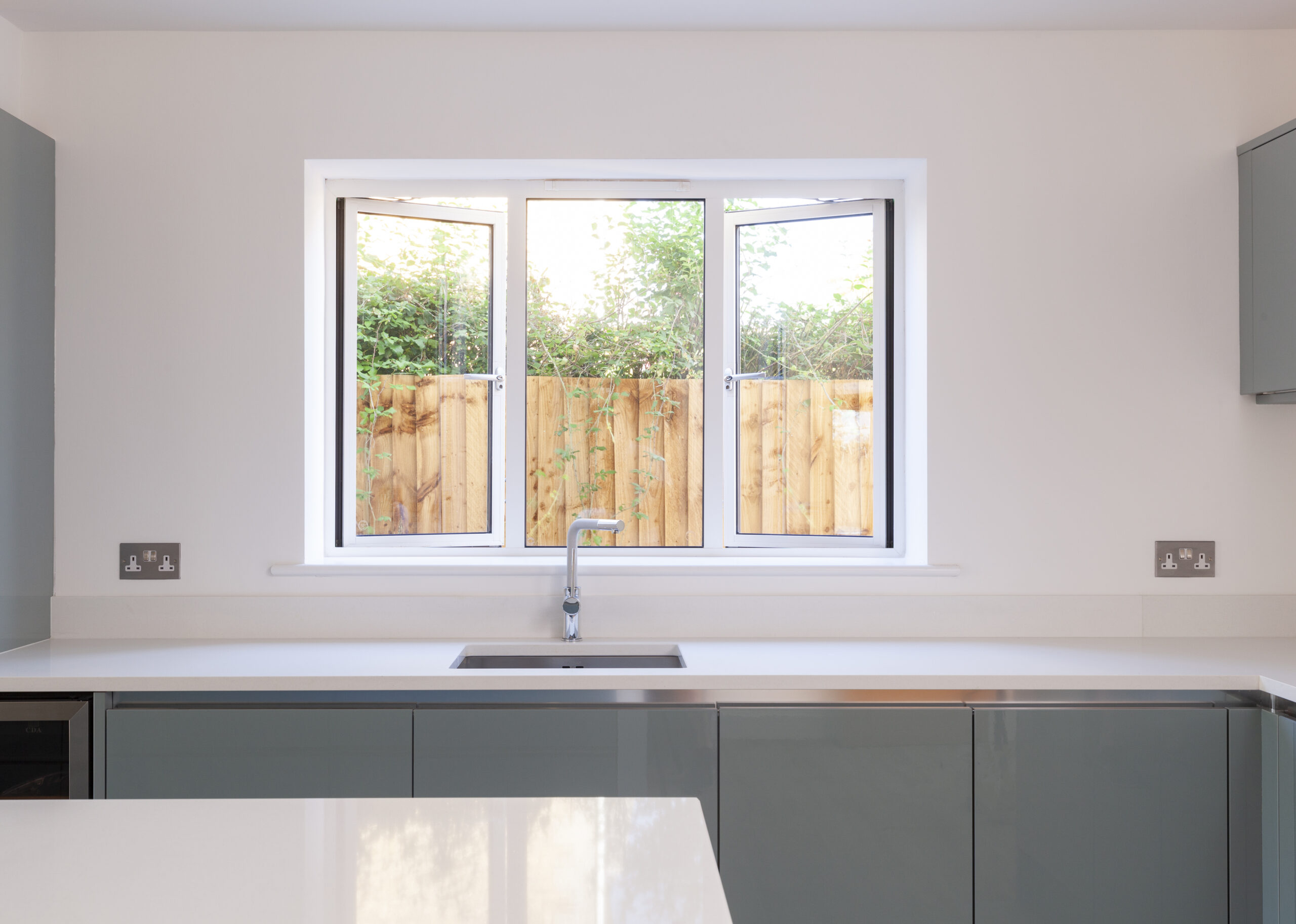
A tilt and turn window, unlike other types of windows, can open in two different ways. It can either tilt inwards from the top for ventilation, or open fully inwards from the side like a door. Usually, both functions are controlled using the same handle.
This design originally came from European window systems but is now widely used in the UK. Thanks to its dual opening functions, it’s a great choice if you’re looking for both security, ventilation and access.
How Does a Tilt and Turn Window Work?
Tilt and turn windows use a handle system that controls how the window opens. They typically work like so:
- Handle down – In this position, the window is fully sealed with multi-point locks securing the sash tightly against the frame
- Handle turned sideways – When you turn the handle 90 degrees horizontally, the window opens fully inward and works like a door, allowing ventilation and access
- Handle turned upwards – When you tilt the handle upwards 180 degrees, the top of the window tilts inward while the bottom stays in place. This allows for airflow without opening the entire window.
A gearing system controls these movements from inside the frame itself. There is usually a multi-point locking system that means the window remains secure in all positions.
What Does a Tilt and Turn Window Look Like?
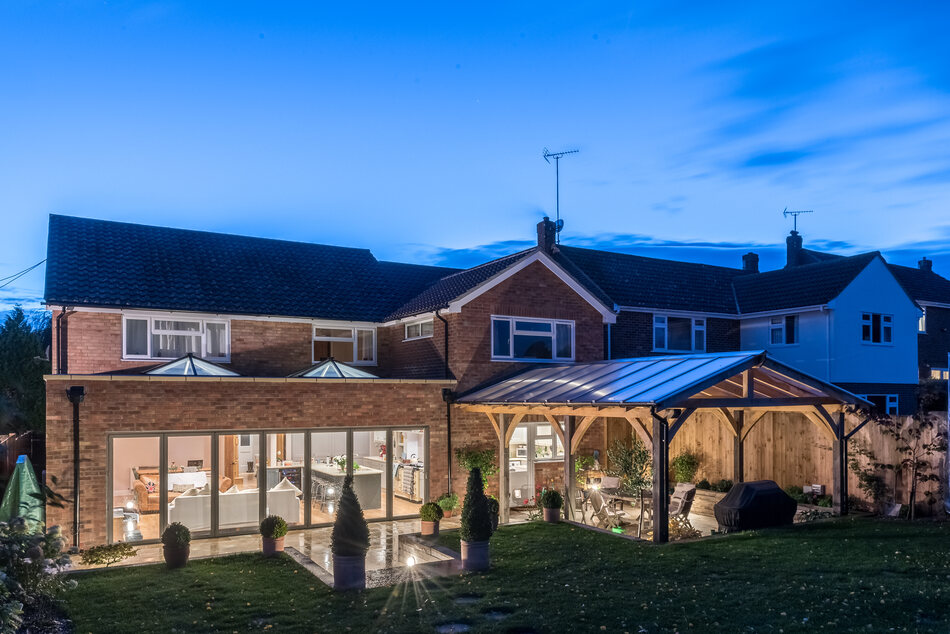
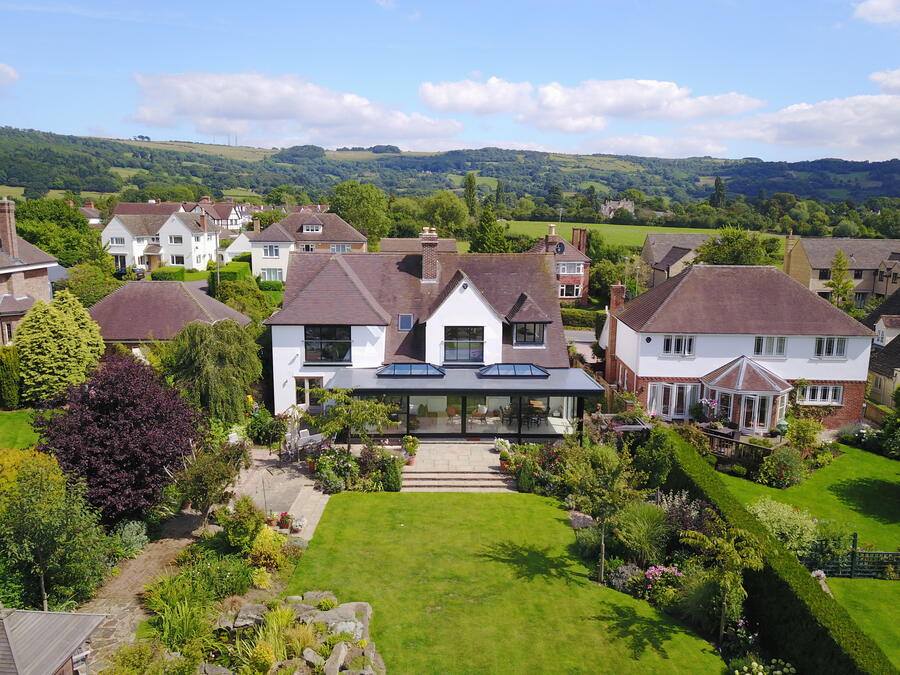
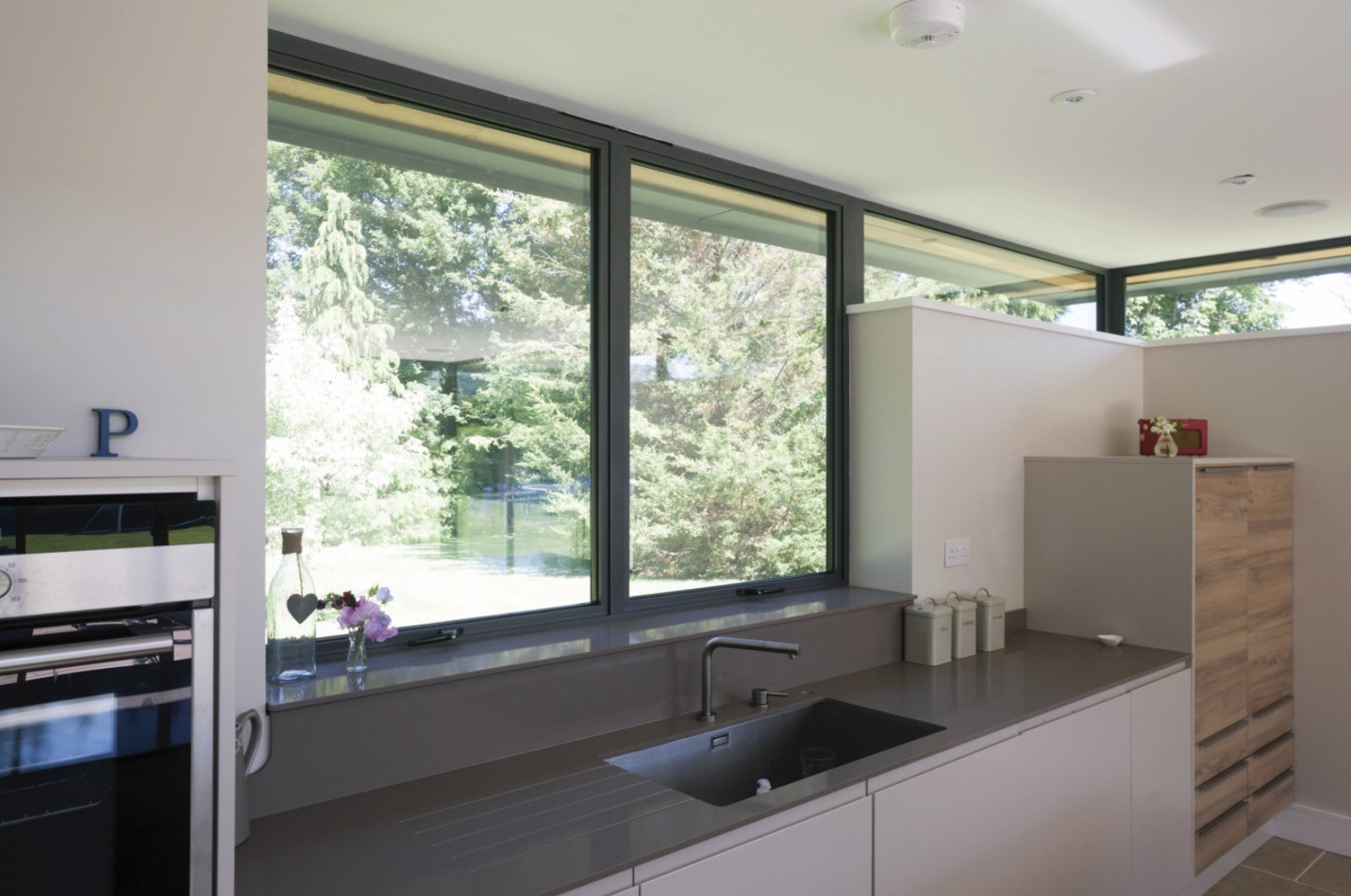
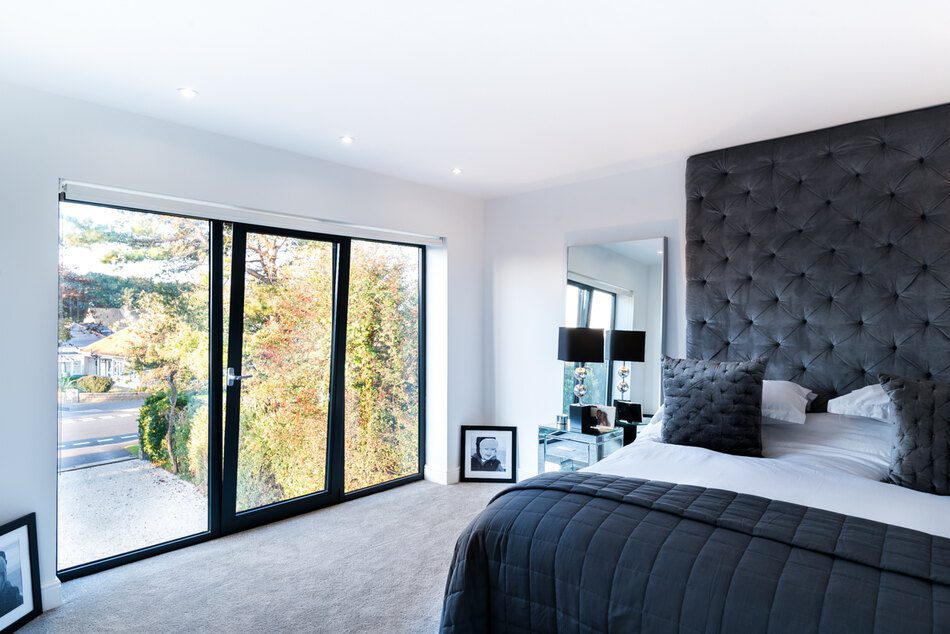
Tilt and turn windows are a modern design that usually feature larger glass panels and minimal framing. There are usually no projections outside the building.
On a design level, many homeowners use them for anything from standard windows, balconies and walkways to areas with limited external space. Aluminium tilt and turn windows tend to have slimmer frames, which helps maximise natural light and gives an ultra-modern look.
Key Features Of Tilt And Turn Windows
You can usually define tilt and turn windows as having the following characteristics:
- Dual opening options within one system
- Inward opening, which makes them easy to access and maintain
- Secure multi-point locking systems built into the frame
- They can open wide or narrowly, which improves ventilation and gives access when needed
- Available in a wide range of sizes, including larger options compared to many traditional window styles.
Combined, these features make tilt and turn windows an excellent choice for modern homes.
Benefits Of Tilt And Turn Windows
So, why should you choose tilt and turn windows for your home?
Flexible Ventilation
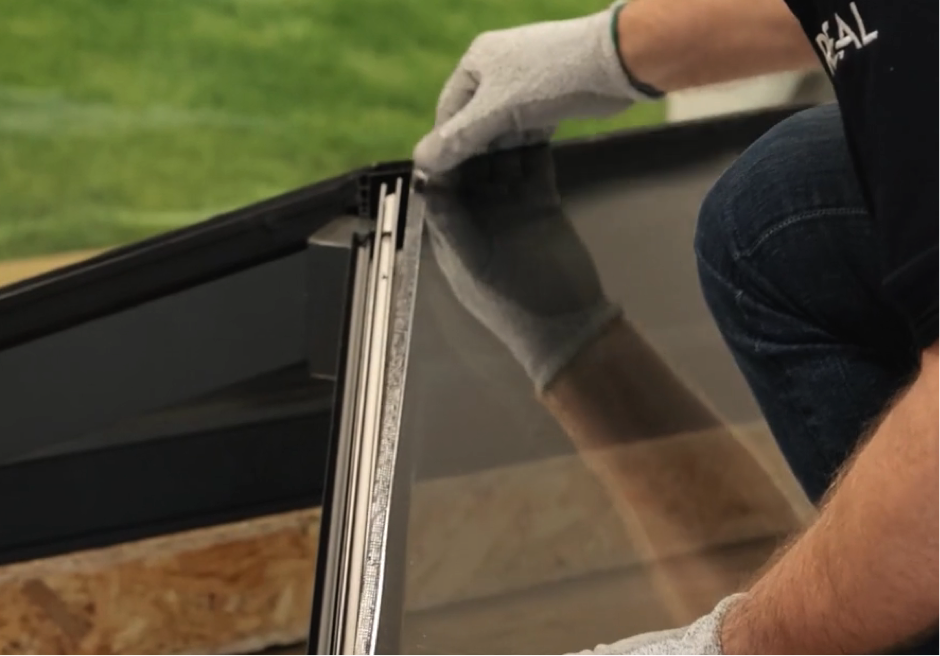
Firstly, tilt and turn windows let you control airflow extremely more precisely. You can choose gentle ventilation without fully opening the window – useful at night to balance fresh air and security. But they also open wide when you need them to.
Easy Cleaning From Inside
Another advantage of tilt and turn windows is that they’re simple to clean. Since the window opens inward, you can clean both sides from inside your home, no ladders needed.
High Levels of Security
Tilt and turn windows include multi-point locking systems to provide high levels of security. When they’re closed, they form a tight seal against the frame. And when tilted, the opening is restricted but still provides plenty of fresh air.
Modern Aesthetics
Tilt and turn windows also look good. If you choose aluminium windows with large panes and slim frames, they will suit modern homes and extensions particularly well, balancing everyday access with airflow and natural daylight.
Excellent Thermal Performance
While the main selling point of tilt and turn windows is that they open in two ways, they also bring benefits while they’re shut. With thermally broken systems and precise sealing, they help reduce heat loss and improve energy efficiency inside your home. Plus, they can be even more efficient if you choose triple glazing.
Tilt And Turn Vs Casement Windows
Are you comparing window styles? It can help to see how tilt and turn windows vary compared to other styles like casement windows.
- Tilt and turn windows have two opening options while casement windows have one
- Tilt and turn windows open inward while casement windows open outward
- Tilt and turn positioning allows controlled airflow while casement windows are usually fully open or closed
- Tilt and turn windows can be cleaned from inside whereas casement windows can be harder to clean on upper floors
- Tilt and turn windows suit modern designs while casement windows are more of an all-rounder.
If flexibility and ease of use are more important, tilt and turn windows might suit you better. If you think something simpler might suit your project better, you can learn more about what a casement window is.
Why Aluminium Tilt And Turn Windows Are A Popular Choice
A key design factor of any window is the frame materials used. In this case of tilt and turn windows this is particularly important. With moving parts and larger panes of glass, it’s a good idea to choose a material that’s strong and resists warping over time.
This is why aluminium tilt and turn windows are becoming increasingly popular in UK homes. The material’s natural strength allows for large panes of glass but doesn’t require bulky frames. These slim sightlines mean more glass and more natural light.
Likewise, aluminium is also highly durable and resists warping, rusting and fading over time. Homeowner maintenance is minimal, while modern thermal break systems improve energy efficiency. On top of these practical benefits, aluminium windows also suit modern, design-led homes.
Where Are Tilt And Turn Windows Best Used?
Thanks to their pros and cons, tilt and turn windows work best in these types of properties:
- Modern homes and extensions
- Apartments with limited outdoor space
- Upper floors where cleaning access outside is difficult
- Large window openings that need both ventilation and access
- Rooms where controlled airflow is important, such as bedrooms or kitchens
…and many others. As you can see, the versatility of tilt and turn windows makes them a good option for many different projects.
Are Tilt And Turn Windows Right For Your Home?
Tilt and turn windows are a good solution if you want a blend of flexibility, practicality and aesthetics. They let you control airflow through your home while also providing security and increased natural daylight.
If you think this style sounds like a good match for your home, browse the Atlas Aluminium range of tilt and turn windows for design inspiration.