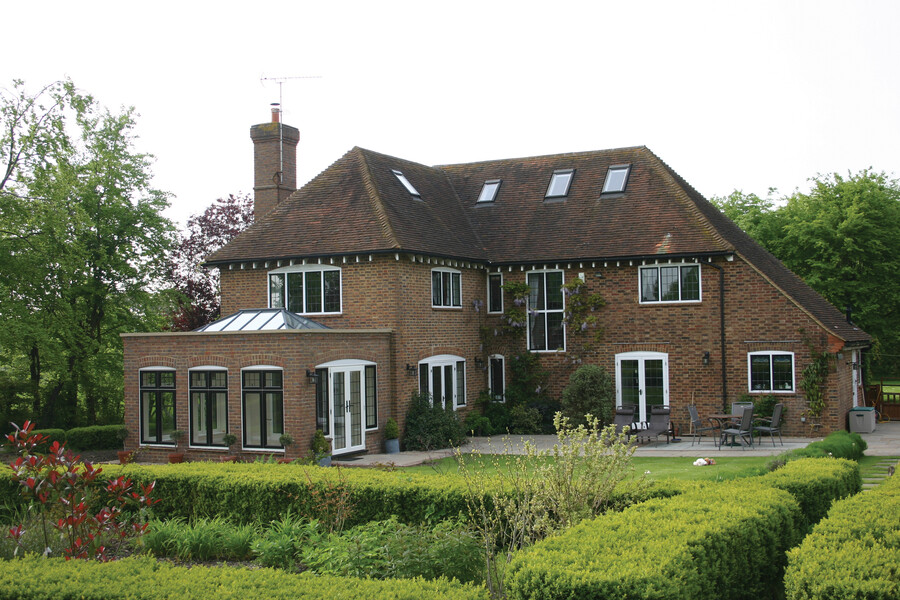
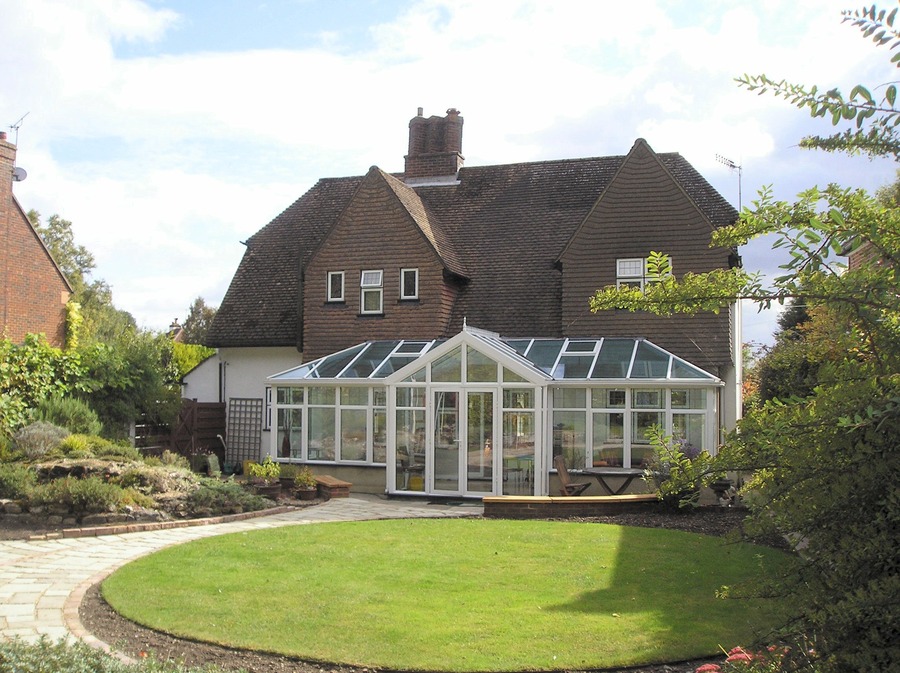
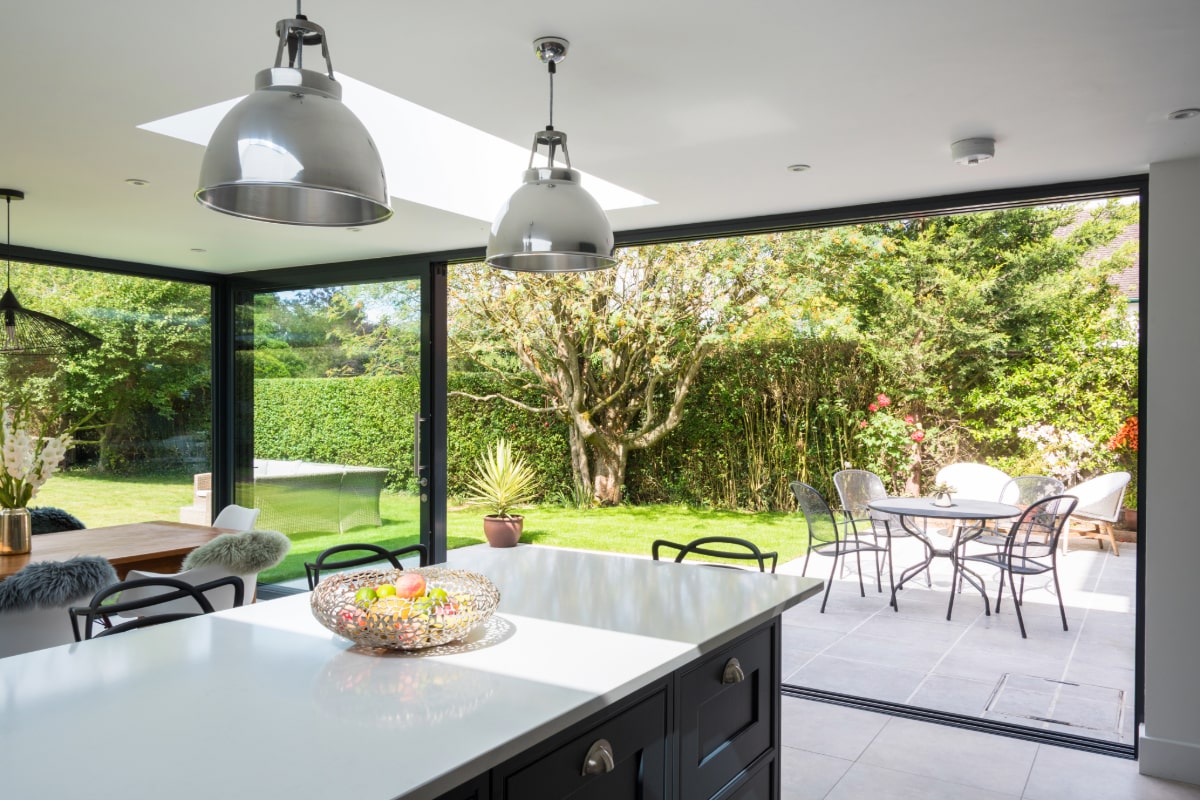
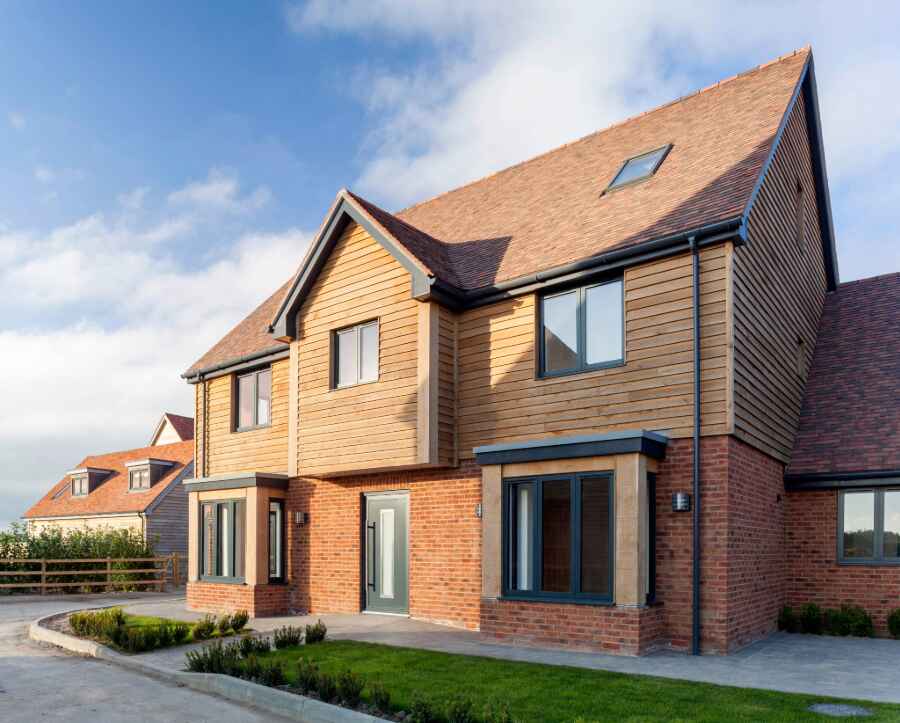
Is it time for a home renovation? Are you searching for a door upgrade and deciding between materials? At this stage, if you prefer metal doorframes, you might be asking yourself the question:
Which is best, steel vs aluminium doors?
First, it’s important to say that there’s no simple answer. Both materials are known for strength, modern design and security. But they vary in important ways – and this can affect which is the right choice for you.
After all, your front door is a hugely important part of your home. It influences the look of your property. It keeps you and your family secure. It also impacts energy efficiency and how much maintenance is needed over the years. Of course, cost and long-term value also come into play.
To help you make the best decision for your needs, we’ve created this impartial guide. You’ll find a description of both materials, the benefits of each, potential drawbacks – and examples of when one might be a better choice than the other.
Key Differences Between Steel and Aluminium Doors
Steel and aluminium are both metals. But beyond this, they behave very differently. Understanding the most important differences helps explain why one may suit your home better than the other.
Material and construction
First, steel doors are typically made from mild steel or stainless steel. These panels are heavy and rigid, often welded or fabricated into bespoke frames. Steel doors are usually finished with paint or specialist protective coatings.
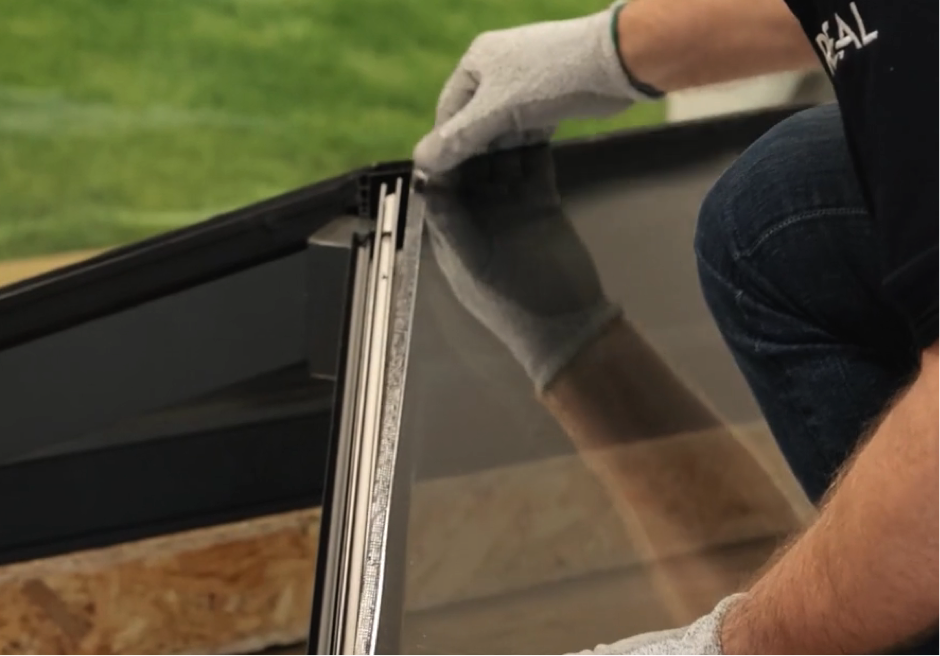
Aluminium doors are similarly strong, made from extruded aluminium profiles. Modern systems include thermal breaks and internal chambers to improve strength and insulation. They also fit many design themes, with frames powder coated for durability and colour consistency.
Strength and weight
Steel is often seen as the stronger material. It is extremely rigid and resists day-to-day impact well, making it a good choice if heavy-duty security is your main priority.
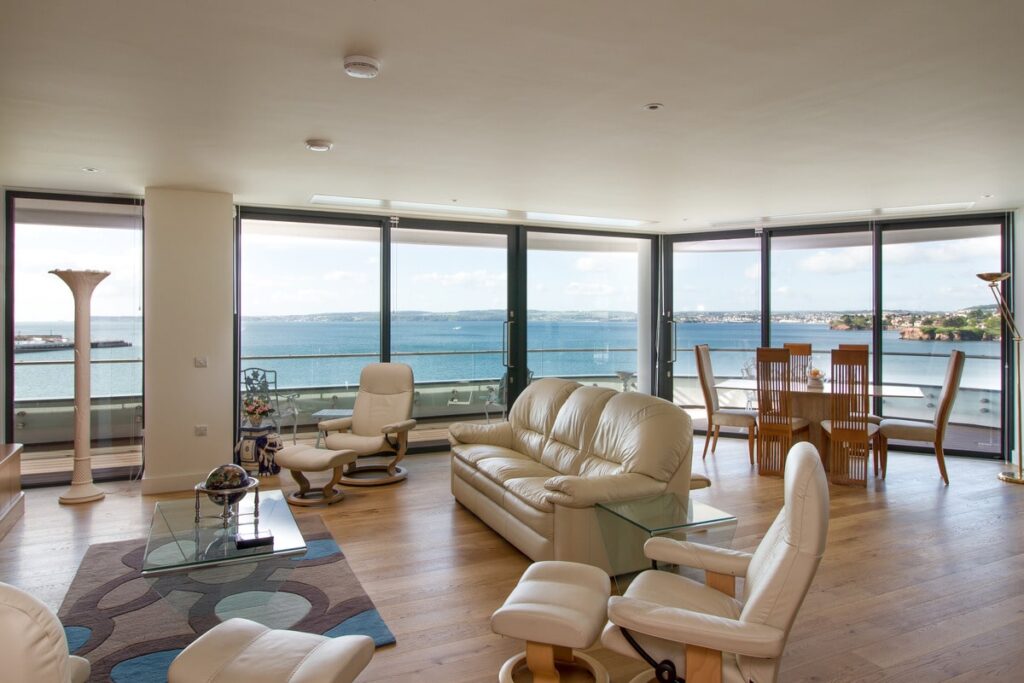
Aluminium, however, has an excellent strength-to-weight ratio. It’s much lighter than steel – but still strong enough to support large glazed panels, wide openings and tall door designs. This makes aluminium better suited to doors where glass and daylight are important to the overall design.
Corrosion and durability
There is also a big difference in durability. Steel is vulnerable to rust and corrosion, particularly if its protective coating becomes damaged. This can mean ongoing maintenance is required to prevent deterioration.
Aluminium behaves differently, with an oxide layer on its surface that protects it from corrosion. Paired with a high-quality powder-coated finish, aluminium doors resist weathering and surface damage far more effectively than steel for most homes.
Design and finish options
Steel doors are a fantastic fit in industrial designs. They can give you very fine sightlines, but this usually comes at a higher cost and longer manufacturing time. Finish options are more limited and ongoing repainting may be required to maintain its appearance.
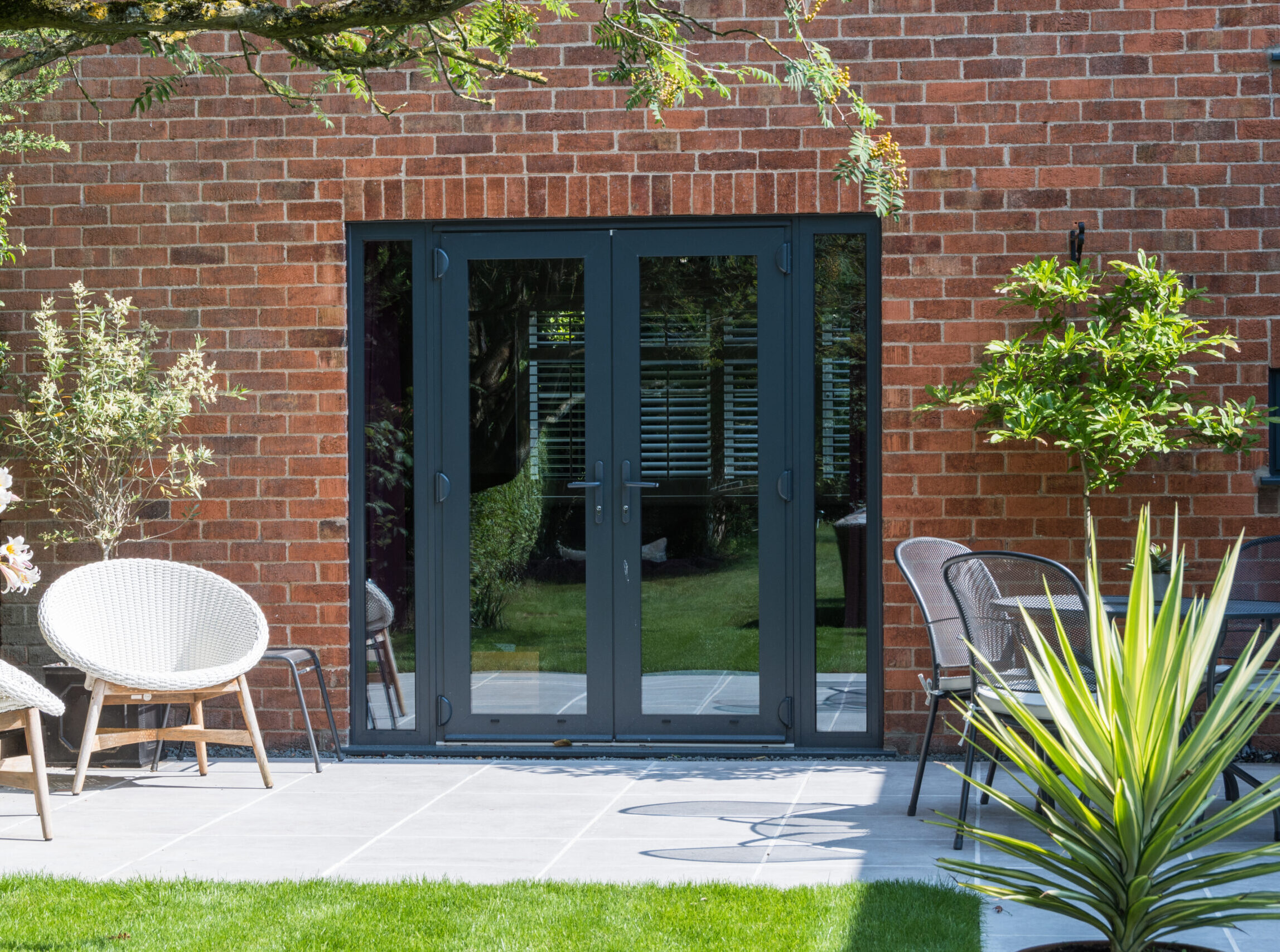
Alternatively, if you’re looking for more design freedom, aluminium may be the better choice. It’s available in a wide range of colours and finishes, including smooth, textured and metallic effects. The slim profiles and large glass panels always fit well with modern, contemporary homes.
Maintenance requirements
Steel doors usually require a more hands-on approach. They need regular repainting or recoating, especially in outdoor environments. Plus, you’ll need to address any surface damage to avoid corrosion.
Aluminium doors need much less work from the homeowner. Occasional cleaning usually keeps things at their best for decades. High-quality powder-coated finishes are also long-lasting and resist fading, peeling and surface breakdown.
Cost and manufacturing lead times
If you’re in a rush, steel doors are often made to order and involve complex fabrication. This usually leads to longer lead times and higher production costs.
Aluminium doors are typically more cost and time efficient. Lead times are usually shorter, and the balance between performance, appearance and cost is often easier to manage, getting your designs in place much quicker.
When to Choose Aluminium Doors
Aluminium doors suit a wide range of modern residential projects. For this reason, they’re consistently growing in popularity across the UK.
In particular, aluminium doors are a great choice for:
- Modern homes and contemporary renovations
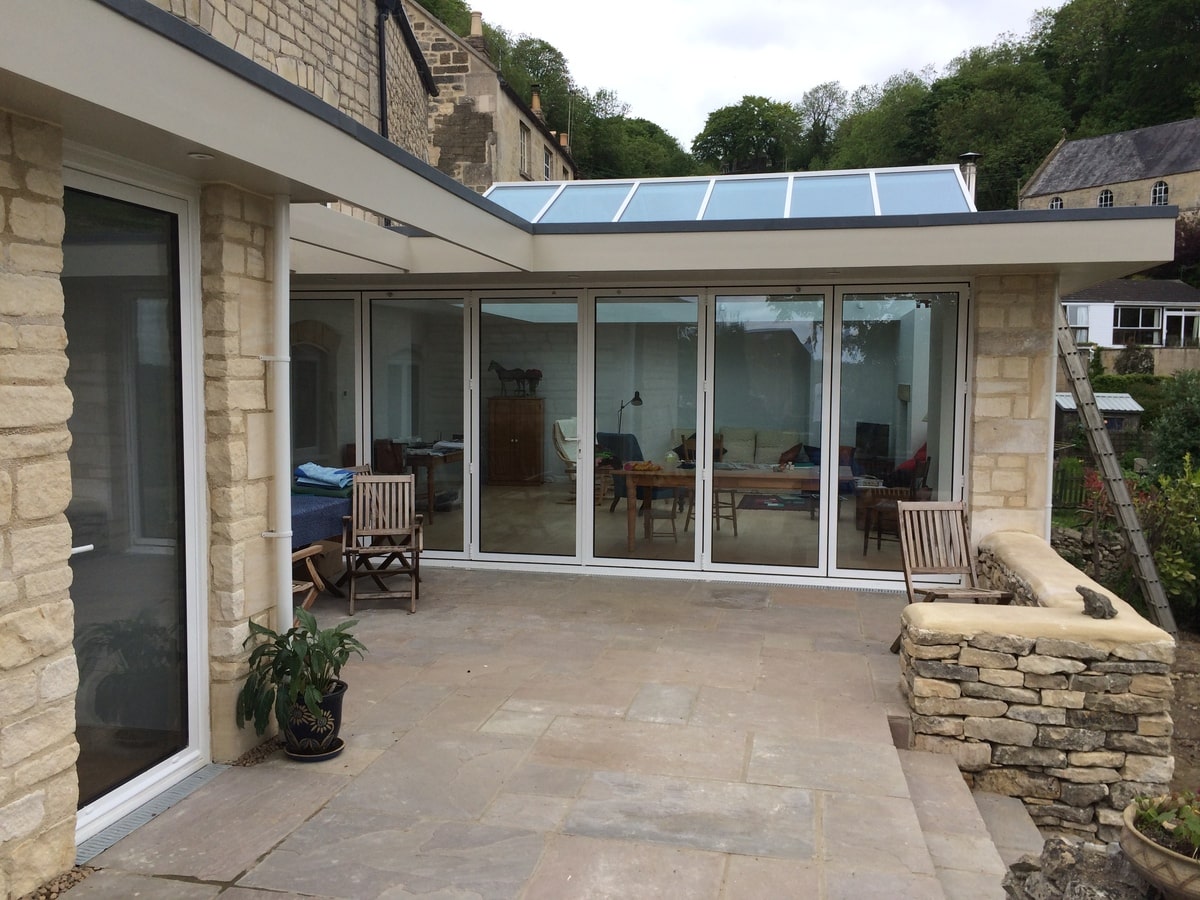
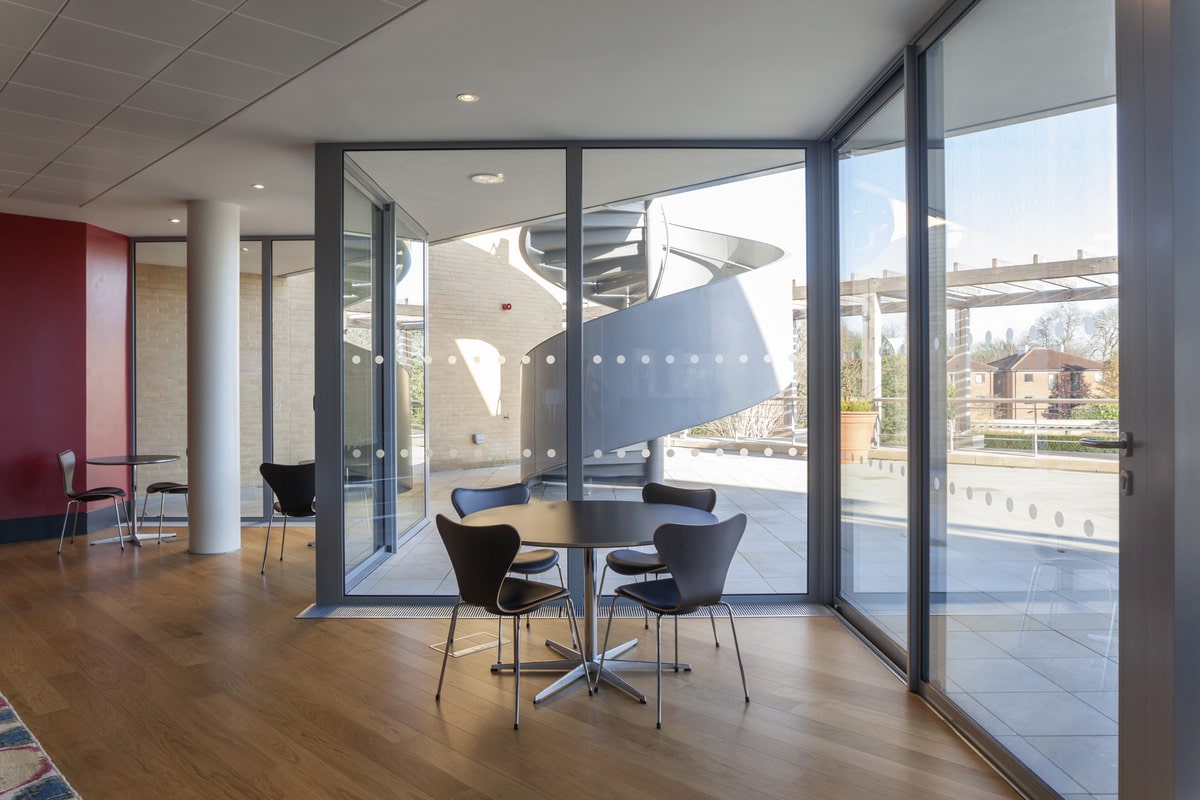
- Large glazed entrances and wide openings
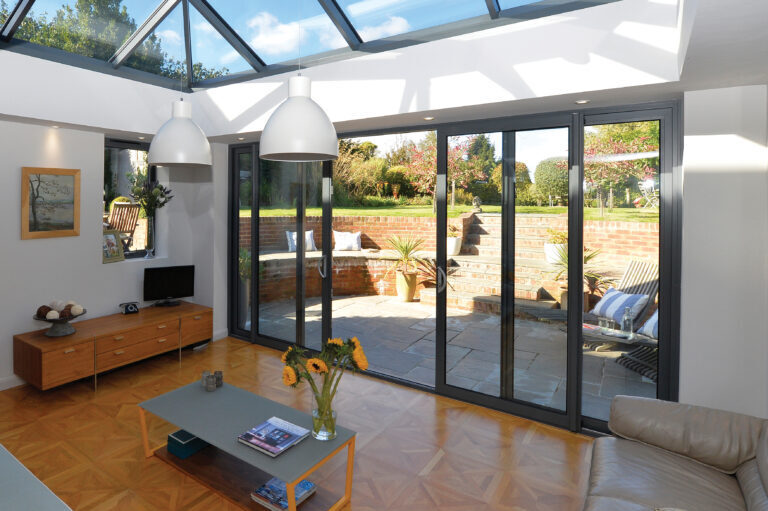
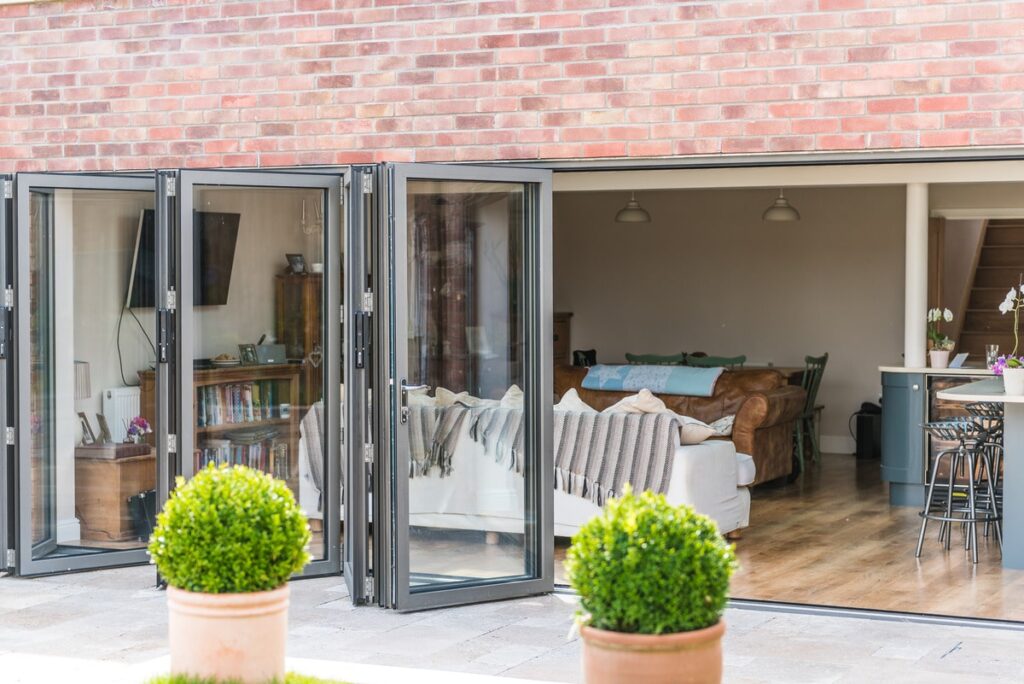
- Extensions with sliding doors or bi-fold doors.
Your personal preferences also play an important role. Aluminium doors could be the best fit for you if you’re looking for:
- A premium, modern appearance
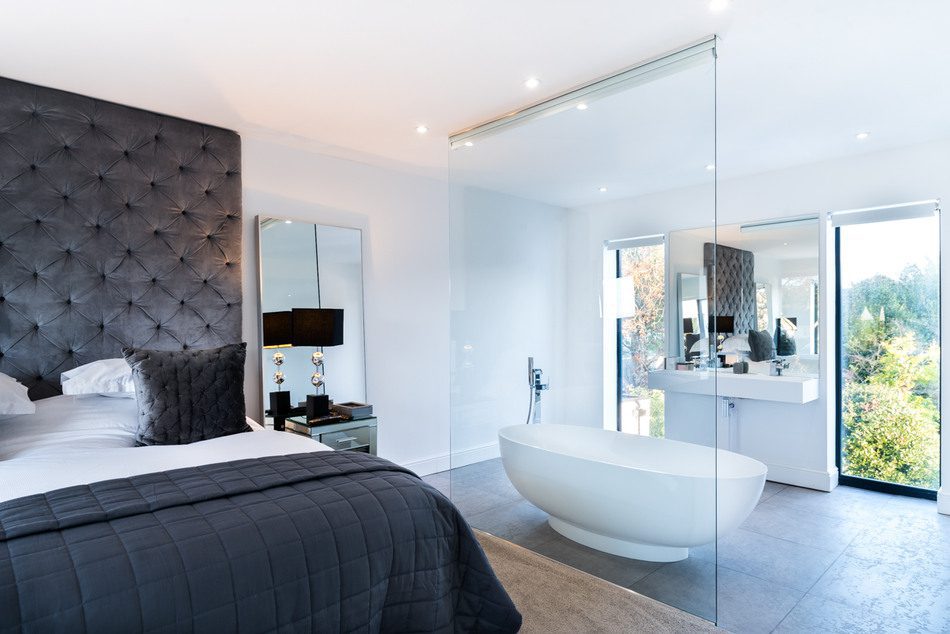
- Maximum daylight inside your home
- Views from larger glass panes
- Low maintenance over the long term
- Strong resistance to weather and corrosion
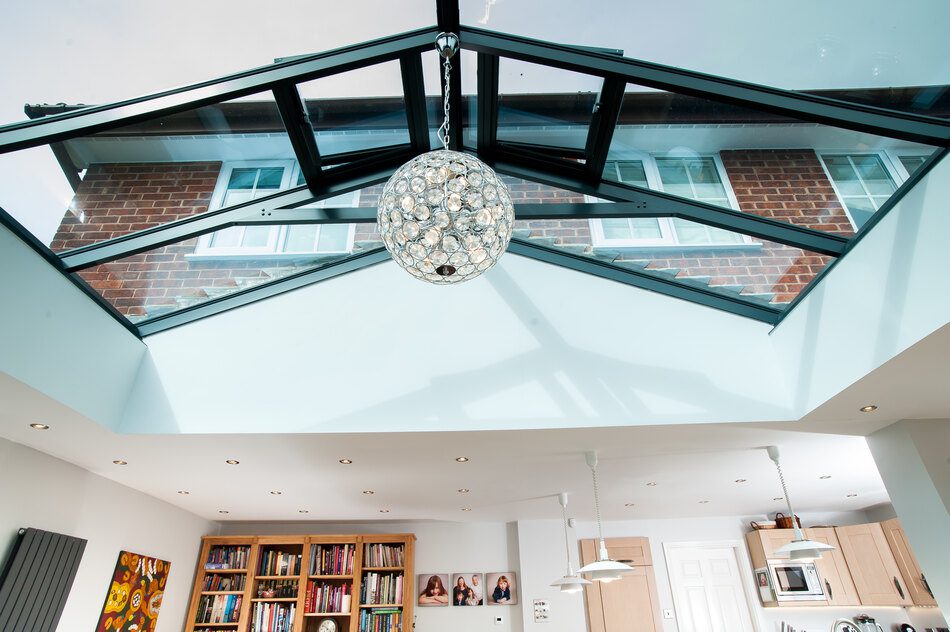
- Consistency with aluminium windows and roof glazing
- A quality, long-term investment.
For these reasons, we often design and supply aluminium doors for high-quality extensions, open-plan living spaces and rooms with views. Browse our aluminium doors range to find a style that fits your home design ambitions.
When to Choose Steel Doors
Steel doors also have their place in the right projects. The obvious example is industrial architecture, where steel doors keep the theme running through the entire property. They are popular for:
- Converted warehouses and loft apartments
- Heritage buildings with original steel windows and doors
- One-off architectural designs where steel is part of the concept.
As always, you should balance design against budget and functionality. Steel often costs more upfront. It can have longer lead times and require more maintenance. However, it also brings a unique style that no other material can truly copy.
Lifespan & Durability
Lifespan is a major factor when choosing between steel and aluminium:
- Steel door lifespan depends on things like the grade of steel, quality of coatings and level of exposure. But in favourable conditions and with the right maintenance, steel doors can last many years.
- Aluminium door lifespan is typically longer and more predictable. High-quality aluminium systems with powder-coated finishes and thermal breaks can last 30 to 50 years or more with minimal maintenance for homeowners.
This often results in a lower whole-life cost for aluminium, even if the initial purchase price is higher than some other materials.
Energy Efficiency
Thermal performance as a whole doesn’t just come from the material. Factors like frame design, glazing type and installation quality all play a role, too. However, as a rule:
- Steel naturally conducts heat and cold. This means steel doors can have lower insulation performance unless they are specially engineered with insulated cores and thermal separation.
- Modern aluminium doors come with advanced thermal-break technology. These internal barriers reduce heat transfer and allow modern aluminium systems to achieve strong U-values, meaning excellent thermal performance.
Regardless of which material you choose, it’s important to make sure your door meets certain quality guidelines, including:
- Published U-values
- PAS 24 security certification
- Independent testing and system approvals.
Cost Differences
Many things will impact the cost of a door, including your:
- Door size and format
- Colour and surface finish
- Glass specification
- Hardware and locking systems
- Complexity of installation
- Bespoke shaping or detailing.
However, there are some general trends that can give you an idea of cost differences:
- Steel doors are usually bespoke, made from heavier material and with longer manufacturing times. This can often mean higher upfront prices than most other materials.
- Aluminium doors are often more cost-effective. While they’re still a premium option and more expensive than other materials like uPVC, aluminium doors bring good value for large glazed openings and design-led projects. Their excellent lifespan also provides a solid return on investment over time.
Aluminium or Steel Doors: Making the Right Choice for Your Home
When comparing aluminium vs steel doors, try to consider things from multiple angles. Factors like maintenance, lifespan, energy performance and design can all impact your decision.
If you’re looking for a material that gives you excellent performance, versatile designs and long-term value, then consider aluminium doors. The Atlas Aluminium range of aluminium doors is designed and built for the highest levels of performance – now, and for years to come. Explore your options or contact our expert team for more information.
FAQs
Can steel doors rust and how can that be prevented?
It’s possible for steel doors to rust, especially if they’ve been damaged. Regular cleaning and proper maintenance are vital to keeping everything in top condition. If you’re concerned that a steel door might require too much maintenance, consider a more resistant material, such as aluminium.
Are aluminium doors cheaper than steel doors?
Aluminium and steel are both seen as premium materials, but steel often comes with a higher price and wait times.
Which material offers slimmer sightlines?
Both aluminium and steel are extremely strong metals. This allows them both to offer very slim sightlines in windows and doors.
Are both materials suitable for coastal or exposed locations?
While both aluminium and steel are suitable for coastal or exposed locations, aluminium is more resistant to corrosion and rusting. This means steel doors will require much more maintenance, and may need to be repaired or even replaced much sooner than aluminium.