If you’re thinking about upgrading your home with a conservatory, there’s all sorts you’ll need to think about – from colours and materials to how you’ll use the space. So where do Building Regulations come into the mix? Find out more about the legal requirements of extensions on your home, and when and where you’re exempt.
Does a Conservatory Need Building Regs?
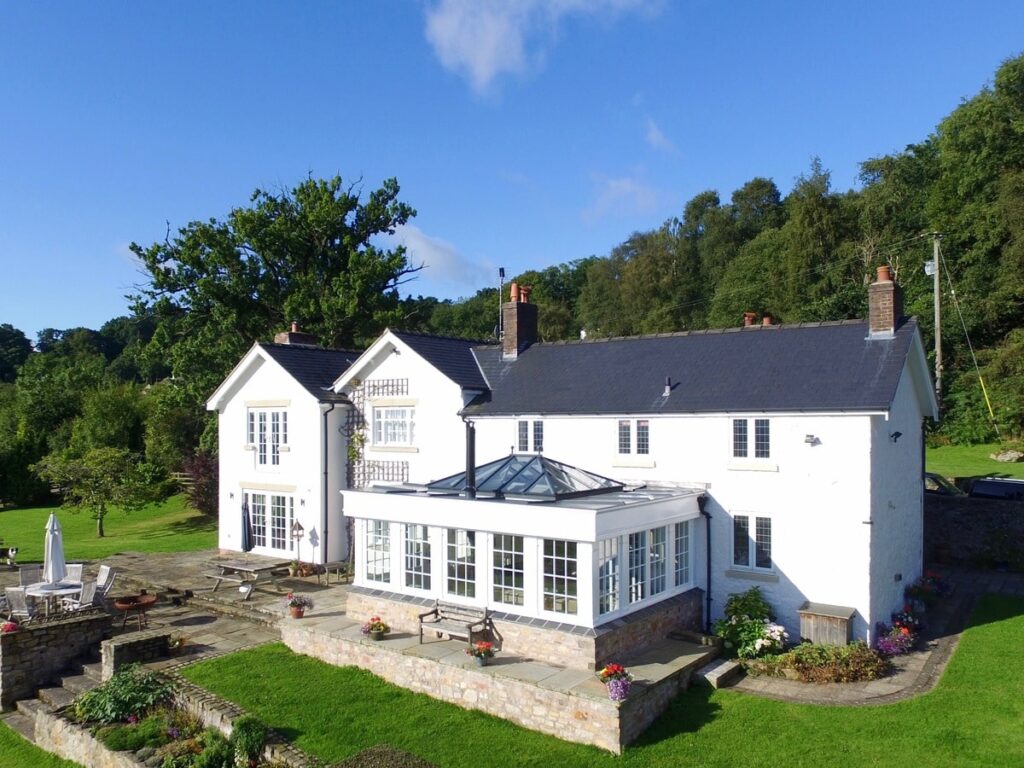
When making changes to their homes, many people confuse planning permission with Building Regulations. The majority of conservatories don’t need planning permission providing they meet certain requirements – but Building Regulations may still apply.
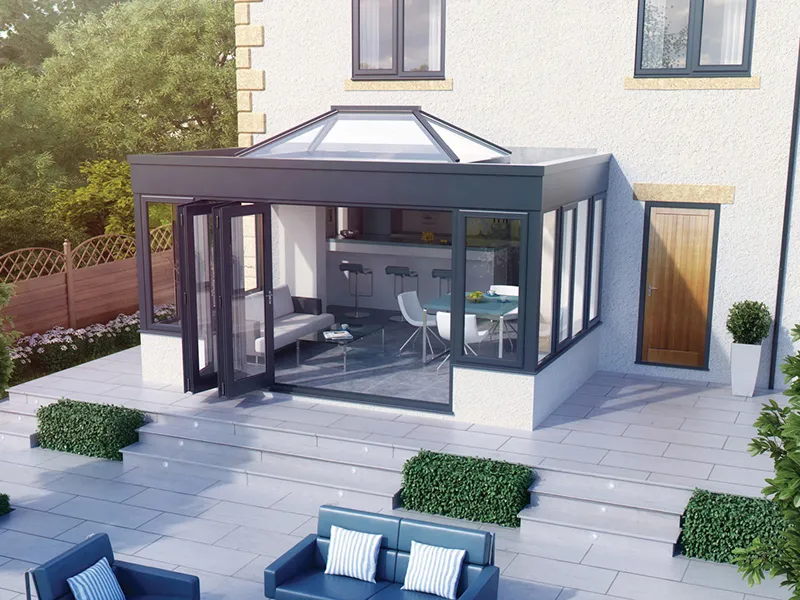
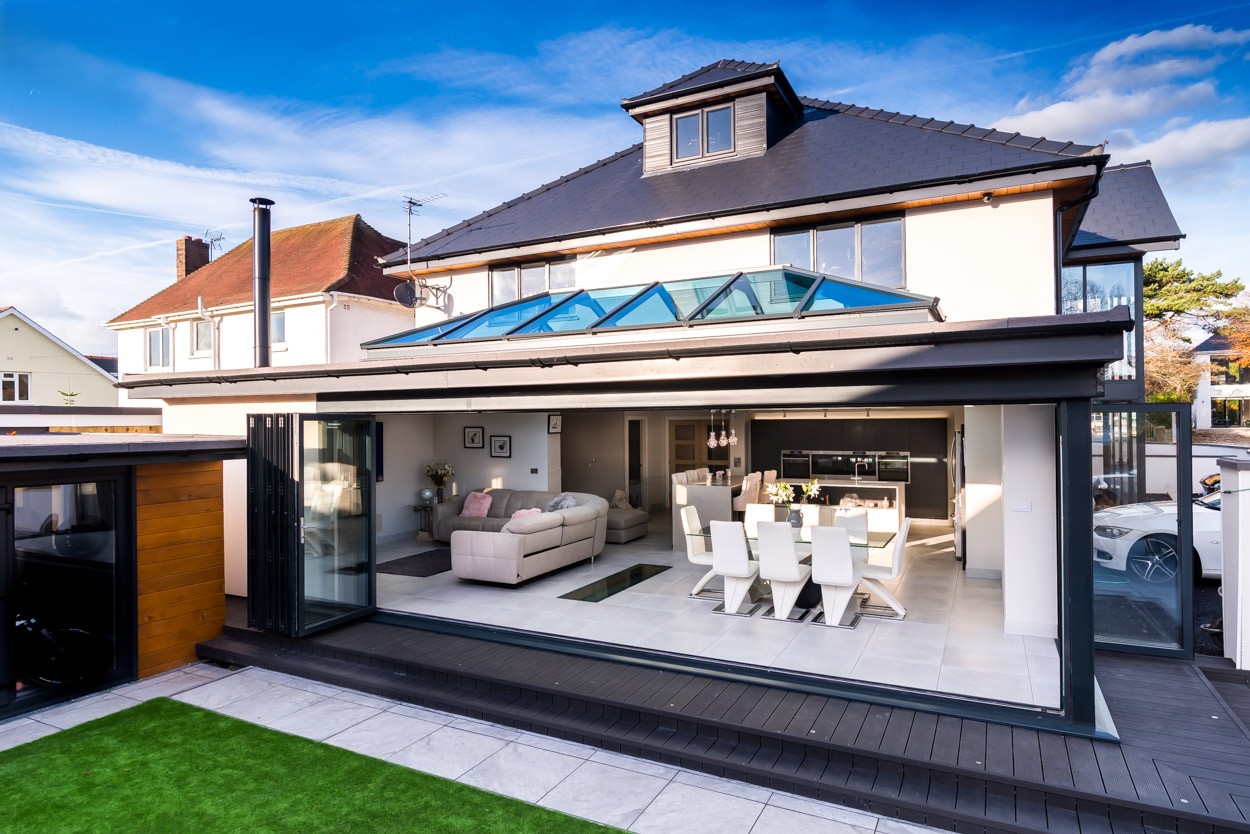
In this guide, we’ll explain when your conservatory does need Building Regs, and what to do to be approved. You’ll also find out how the rules differ across England, Scotland and Wales, as well as inspiration for modern aluminium conservatory and glazed extension designs.
Building Regulations vs Planning Permission: What’s the Difference?
The key difference between Building Regulations and planning permission is the ‘what’ and ‘how’. Planning permission refers to what you can build, looking at factors like size, appearance and impact on the land.
Building Regulations look at how it’s built, thinking about the structure, insulation, electrics, glazing and overall safety.
In many cases, conservatories don’t need planning permission but must meet the ‘Permitted Development’ criteria. They may still need to comply with Building Regulations, unless they meet conditions that make them exempt.
When Is a Conservatory Exempt from Building Regulations?
In England and Wales, your conservatory may not need to meet Building Regulations if:
- It’s built at ground floor level only.
- The internal floor area is less than 30m².
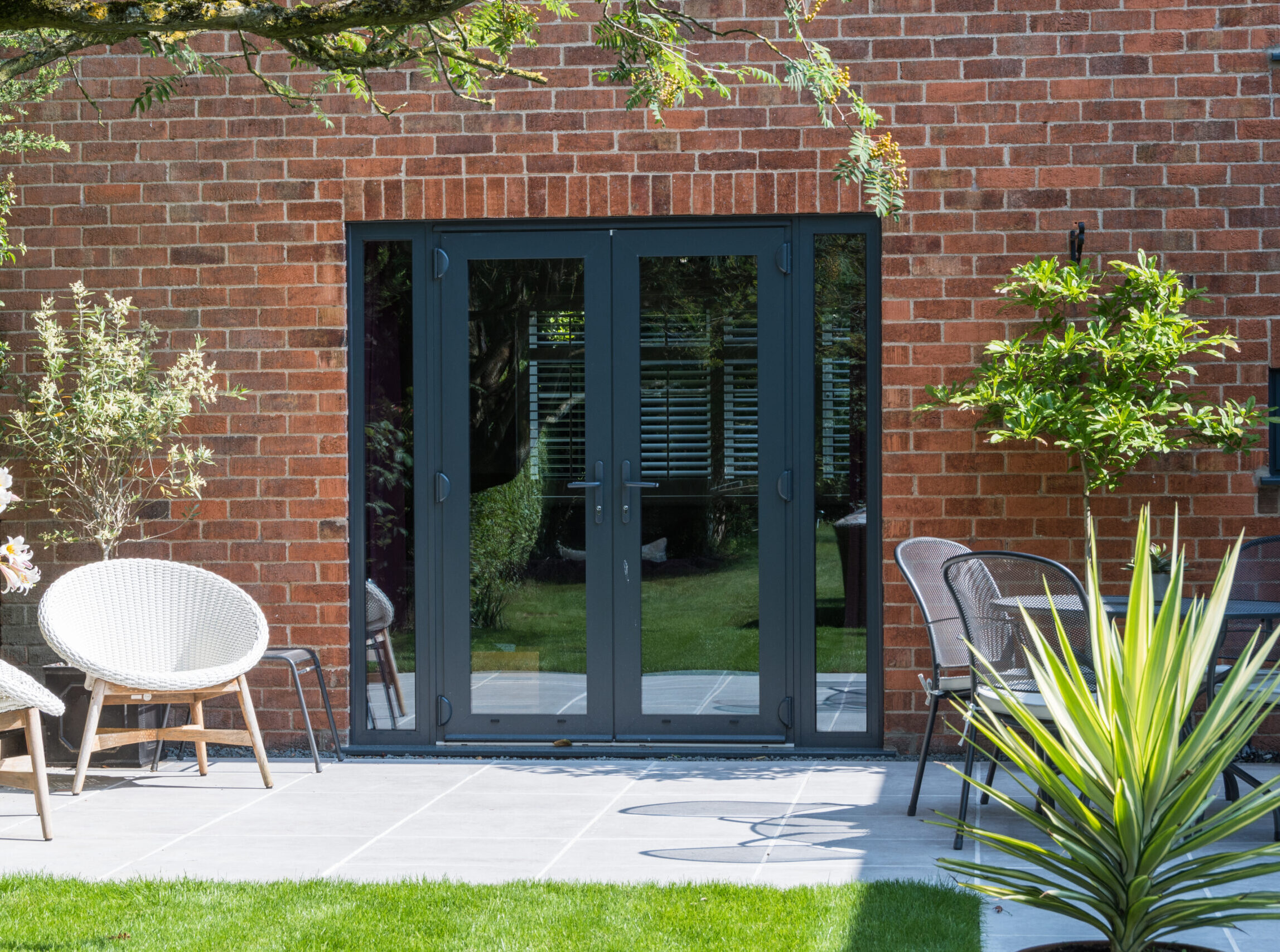
- It’s separated from the main house by external doors such as French, sliding or bifolds.
- The heating system is separate from the one in the main house.
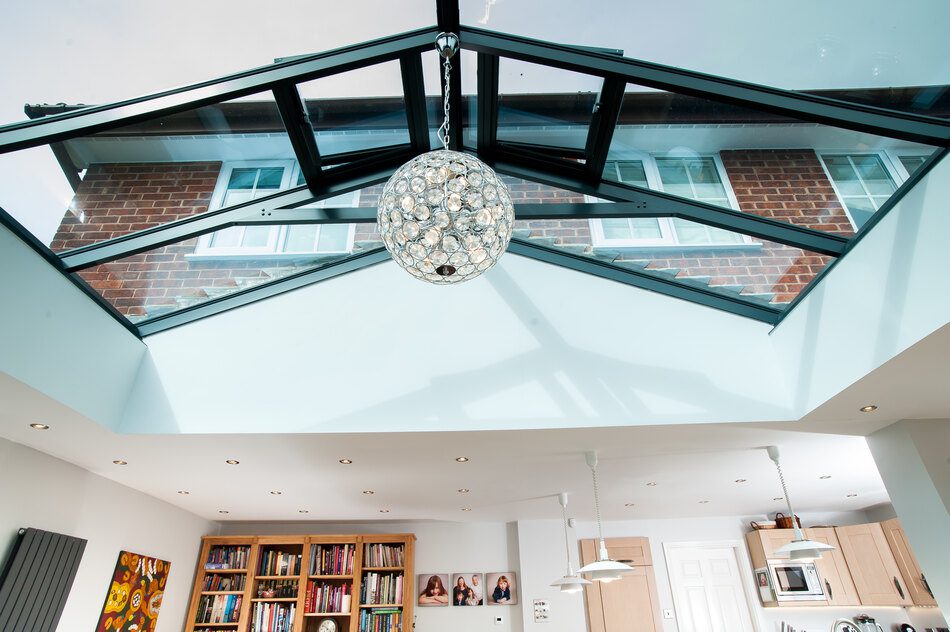
- At least 75% of the roof and 50% of the external walls are glazed or translucent.
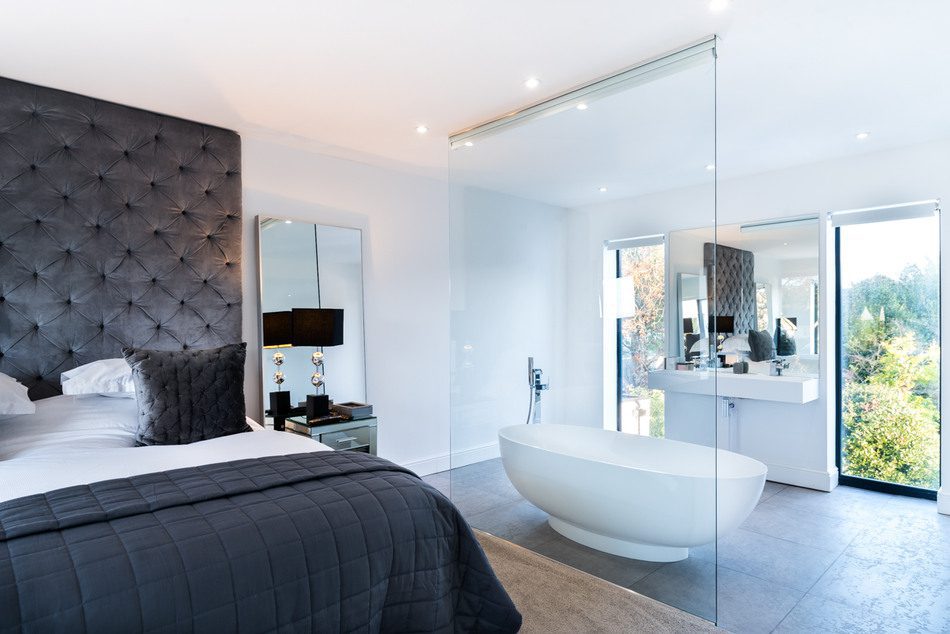
- It’s a living space, not a sleeping space (bedroom).
Bear in mind that while the structure itself may be exempt, the glazing and electrical work will still have to comply with Building Regulations.
When Do You Need Building Regulations Approval for a Conservatory?
Your conservatory will likely need to meet Building Regulations if:
- It’s two-storey, built on upper floors, or has a more complex structure.
- It covers a larger surface area than 30m².
- There is no thermal separation (an open-plan extension with no external walls/doors).
- It’s heated by the main house’s central heating system.
- Yours is a listed building, located in a conservation area, or otherwise restricted site.
- The design is a fully integrated extension like an orangery, rather than a bolt-on.
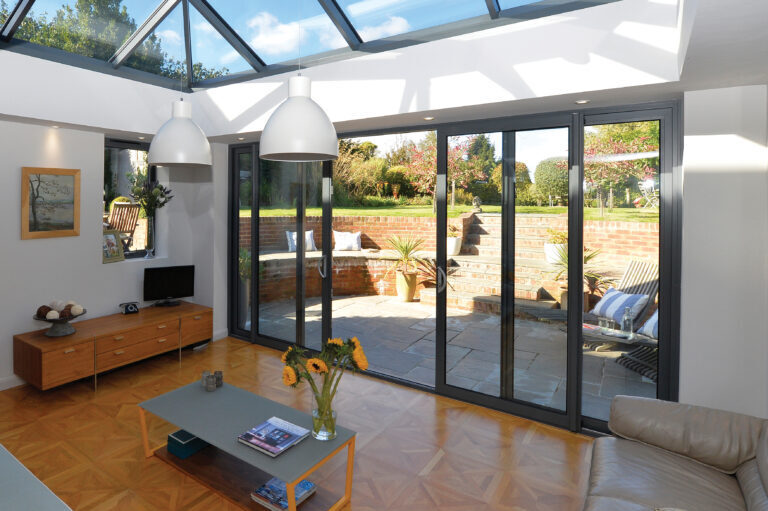
Modern conservatories or glass rooms essentially serve as extensions. That means they must comply with Building Regulations. A thermally broken aluminium conservatory will meet these requirements, providing a beautiful aesthetic that’s durable and energy-efficient.
England vs Wales vs Scotland : Key Differences in Building Regs for Conservatories
The conditions for Building Regs vary slightly across England, Wales and Scotland. You should check for differences in your region during the planning stages of your project.
England
Your conservatory must be ground-level only and less than 30m², with separate heating and a clear divide through external doors. At least 75% of the roof and 50% of the walls must be glazed. If any of these conditions are not met, you’ll still need full Building Regulations approval.
Wales
The rules for Wales are largely the same as England, in terms of size, ground floor location and separate heating. The main difference is that Wales has its own standards for energy, known as ‘Part L’ in the Approved Documents of the regulations.
Scotland
In Scotland, the rules differ from England and Wales because most conservatories require a ‘Building Warrant’. These are the Scottish equivalent of the Building Regulations.
If you’re building a small conservatory under 8m², with its own heating, then you may not need a warrant. It’s best to check with your local planning authority or find out more in Scotland’s 2nd Edition Conservatories Guide.
| England | Wales | Scotland | |
|---|---|---|---|
| Built at ground floor level only | ✅ | ✅ | ❌ |
| Less than 30m² in area | ✅ | ✅ | ❌ |
| Separated from main house with external doors | ✅ | ✅ | ❌ |
| Thermally separated (different heating systems) | ✅ | ✅ | ❌ |
| At least 75% glazed on the roof and 50% on the walls | ✅ | ✅ | ❌ |
| Living space, not a sleeping space | ✅ | ✅ | ❌ |
| Has separate Part L energy standards | ❌ | ✅ | ❌ |
| Needs a Building Warrant | ❌ | ❌ | ✅ |
| Is under 8m² and has its own heating | ❌ | ❌ | ✅ |
What Do Building Regulations Actually Cover for Conservatories?
The Building Regulations ensure safety and stability for conservatories, covering key components of a building’s structure:
Structure and Foundations
The conservatory should be stable and able to bear loads, including wind and snow resistance.
Energy Efficiency (Part L)
Roofs, walls and glazing should meet certain U-values (heat transfer), ensuring appropriate thermal bridging and airtightness.
Safety Glazing (Part K)
For security, glass should be toughened or laminated in key locations.
Ventilation (Part F)
There should be sufficient background and purge ventilation in the conservatory.
Drainage and Access
Where applicable, there should be adequate drainage for the structure.
While this may seem like a daunting list, the good news is that modern conservatories can cover it all. Using thermally broken aluminium and high-spec glazing, you can guarantee energy efficiency and security, as opposed to less durable, older uPVC models.
Modern Conservatories vs Glazed Extensions: Why the Distinction Matters
Traditional glazed extensions are often exempt from Building Regulations. While this sounds convenient, these structures also lack basic elements to make a space comfortable all year round – they’re essentially cold in winter and hot in summer.
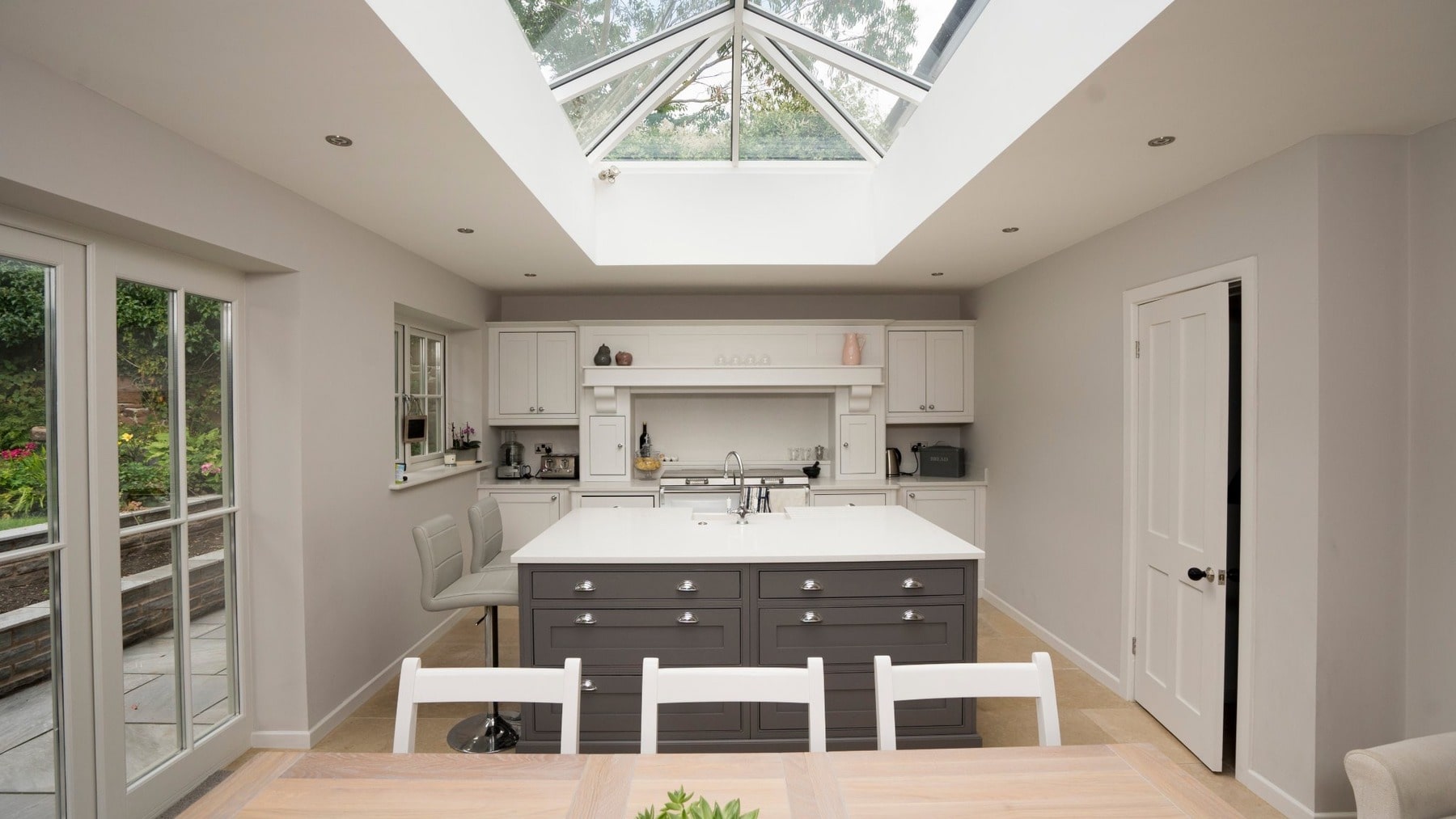
Modern conservatories offer something much better. They allow you to knock through an exterior wall to create an open-plan living space. They feature solid roofs with high-security, energy-efficient glazing, and can use the house’s main heating system.
This does make them subject to Building Regulations, but also provides a long-term, attractive and flexible home extension. Every Atlas Aluminium conservatory or orangery is fully future-proofed. With thermal break technology and high-strength glazing, these meet the Building Regulations as standard.
How Aluminium Conservatories Help You Meet Building Regulations
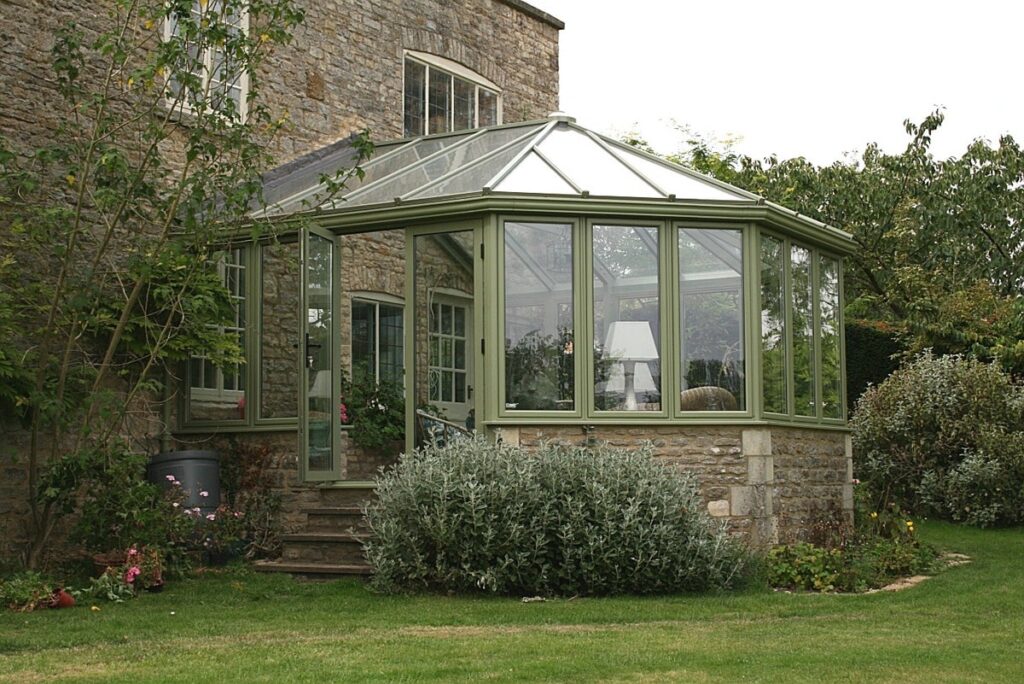
If your conservatory needs to meet Building Regulations, an aluminium structure provides a fully compliant alternative. This comes down to energy efficiency and high-strength design:
Thermal performance
Aluminium frames include thermal break technology, which traps warm air for better insulation. Paired with high-performance glazing, this leads to lower, fully compliant U-values.
Structural strength
Building Regs state that structures must be able to bear significant weight. The strength of aluminium is enough to support large roof lanterns, wide spans, or sliding and bifold doors.
Durability and low maintenance
Powder-coated aluminium is easy to clean, available in a range of colours. It’s also weather-tested for resistance against rain, snow and wind.
Design flexibility
Aluminium integrates seamlessly into existing properties, ideal for windows, doors, roof lanterns and flat rooflights in open-plan glazed spaces.
Practical Steps if You Do Need Building Regs Approval
If you need approval from Building Regulations, there are five simple steps to take:
- Contact your local building control authority, which you can find here.
- Ask your structural engineer for drawings and calculations, if requested.
- Speak to your aluminium system supplier to confirm U-values and energy performance.
- Submit your application to the Building Regulations or Building Warrant in Scotland.
- Arrange final inspections and sign-off.
At Atlas, we’re happy to provide all the technical specs you need to make sure you meet energy requirements. Get in touch to find out more.
Frequently asked questions
Do all conservatories need Building Regulations approval?
Conservatories do not necessarily need Building Regulations approval if they meet certain requirements. These include ground level structures less than 30m² in size, separated from the main house with their own heating system. Glazing and electrical work will still need to meet the requirements.
When is a conservatory exempt from Building Regs?
A conservatory may be exempt if it’s under 30m², has its own heating system, and is separated by external doors on the exterior wall. Many modern conservatories are part of an open-plan kitchen or diner, forming an extension of the home which will be subject to regulations.
If I turn my conservatory into an open-plan kitchen, do I need Building Regs?
You will need Building Regulations if your conservatory is not separated by an exterior door or wall, and uses the same heating system as the rest of your home. This can provide an energy-efficient alternative to traditional conservatories, which are often ‘cold in winter, hot in summer’.
Does changing a polycarbonate roof to a solid roof need Building Regs?
Generally speaking, changing a polycarbonate roof to a solid roof will need Building Regs. Exempt conservatories must have at least 75% glazing or polycarbonate on the roof.
Do electrics in a conservatory need to comply with Building Regulations?
The electrics in a conservatory will need to comply with Building Regulations, even if the structure is exempt. This covers wire safety and fire protection, noted in Document P of the regulations.
Are aluminium conservatories better for meeting energy regulations?
Aluminium conservatories are the perfect alternative to uPVC when considering energy efficiency. Thanks to their thermal break technology and high-strength glazing, they can insulate heat better. They also have a longer lifespan, up to 30 years.
Why choose Atlas for a Building Regulations-compliant conservatory?
So, do you need Building Regulations for a conservatory? The answer is yes if you’re looking for a modern alternative that integrates with your home. If yours is a smaller, separated conservatory then you may be exempt – unless you need a Building Warrant in Scotland.
Building Regulations don’t have to be a burden. Aluminium frames comply with modern standards, combining slim sightlines for maximum light with high-strength glass. If you’re planning a contemporary conservatory or glazed extension, get in touch. We’ll be happy to discuss your project and connect you with an expert installer.