Looking for a home extension that balances added daylight with practicality? Browsing modern orangery ideas is a great place to start. That’s because they provide the added light, structure and everyday comfort that homeowners want from a new living space.
If you’re thinking “what is an orangery?”, it might be a good idea to familiarise yourself with the details of the structure first. Then once you’re looking for layout inspiration, roof designs and ways to use the space in real life, this guide will have plenty of ideas.
Further on, you’ll find practical and creative orangery ideas for modern living – all inspired by real life Atlas Aluminium projects. You’ll find inventive and modern ideas for layouts, roof styles and room uses, with a focus on how aluminium systems can give you cleaner designs and long-term enjoyment.
Why Orangeries Are So Popular in Modern Homes
When looking at extension design ideas, you might choose an orangery over other styles for a few reasons, including:
- An orangery feels like part of your home rather than an add-on, with its solid roof sections, plastered ceilings and defined outline.
- You can comfortably use orangeries all year round thanks to their solid roof perimeter, which helps regulate temperature and reduce glare.
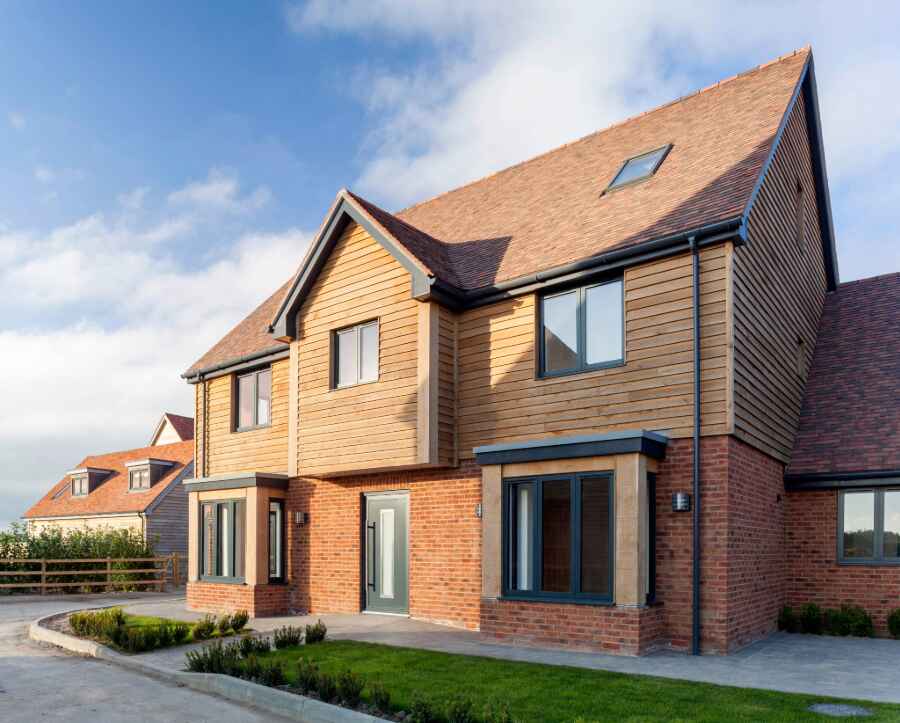
- Modern orangeries include brickwork, glazing and rooflines, so can match your home’s external design styles.
Plus, if you choose an orangery with aluminium roof structures and quality glazing, you’ll get maximum daylight without any bulky frames.
Modern Orangery Ideas
First, we’ll look at how using slim aluminium frames can help you achieve modern designs.
Contemporary Orangery with Clean Lines
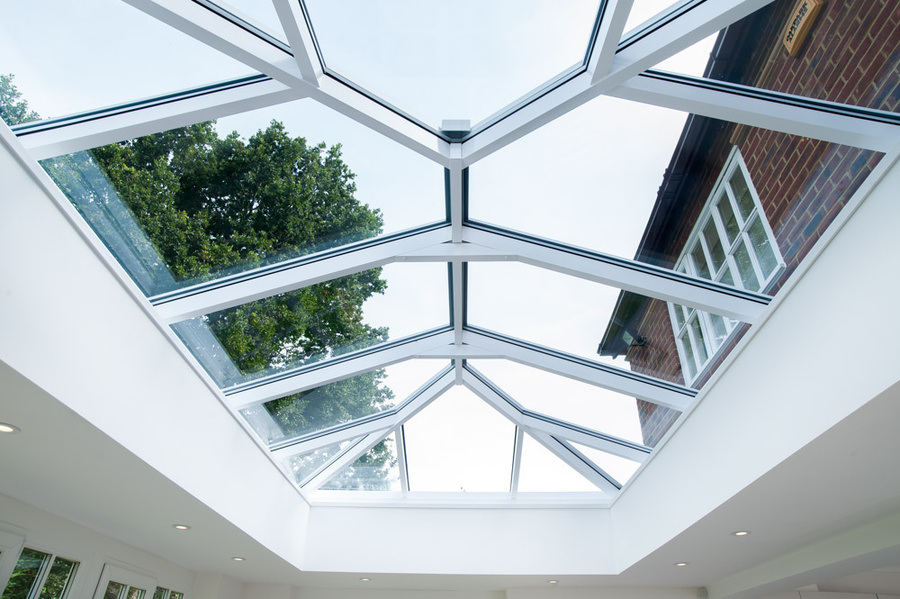
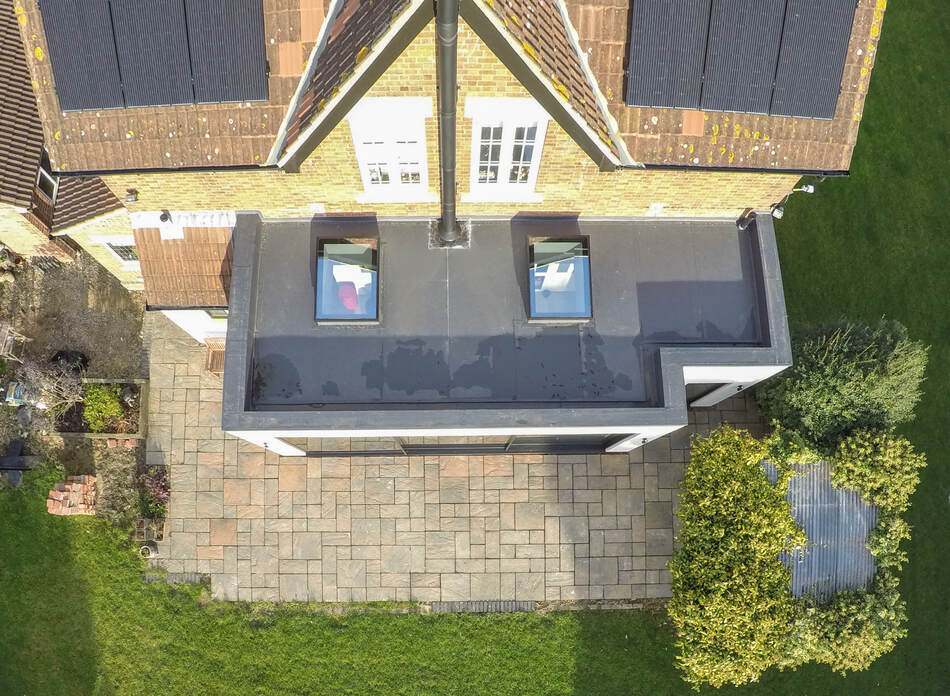
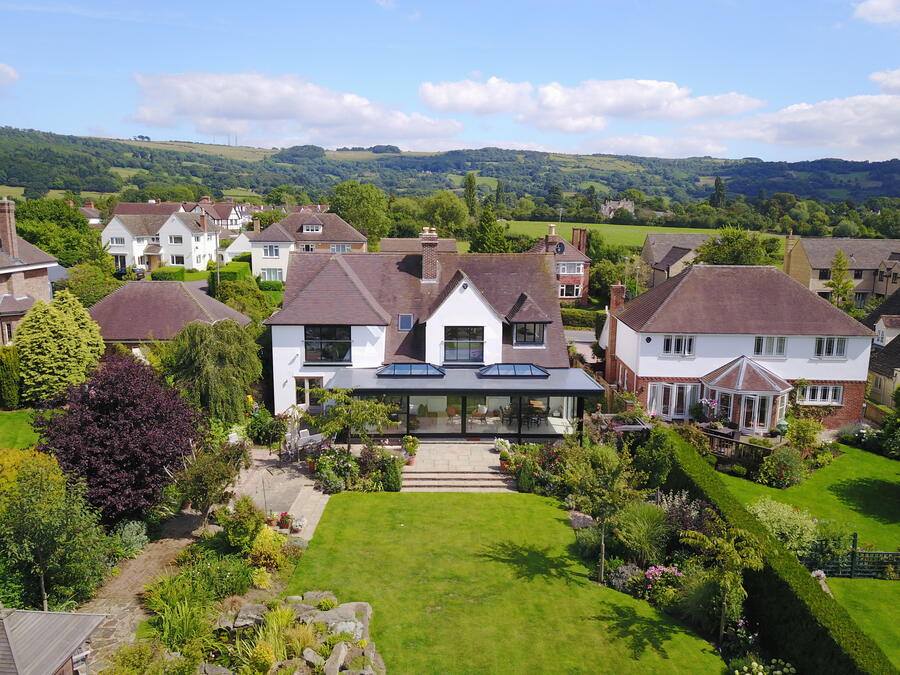
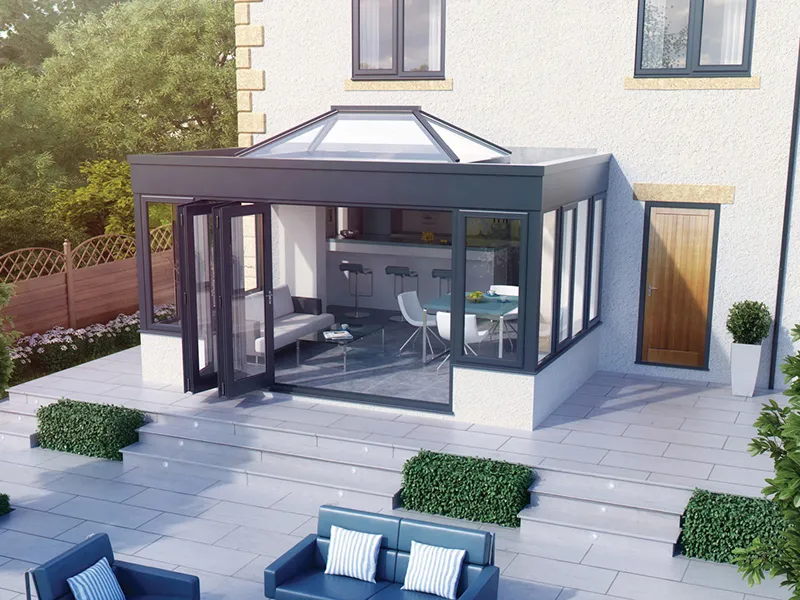
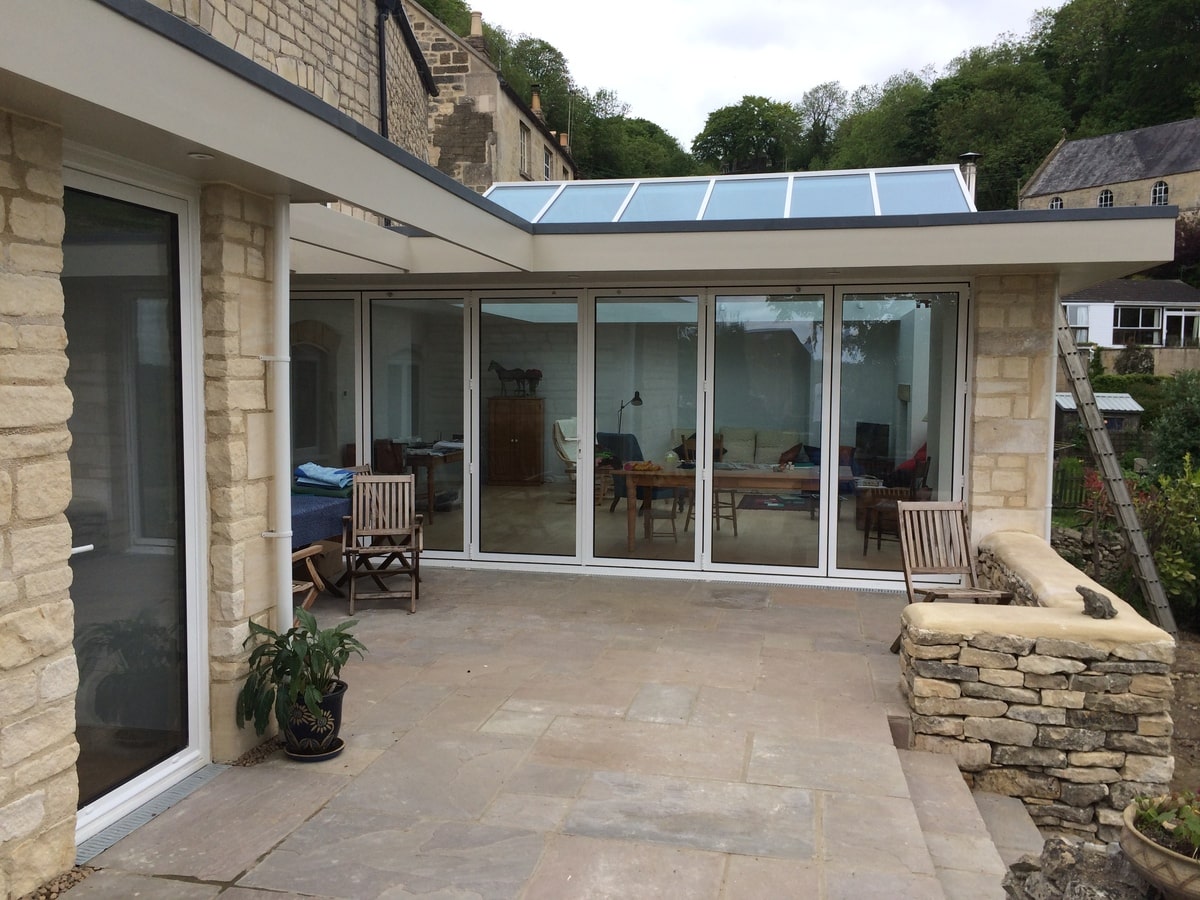
A contemporary orangery should focus on one key aspect: simplicity. At Atlas Aluminium, we often use flat roof designs along with minimal detailing and large glazed sections to create a clean, modern look.
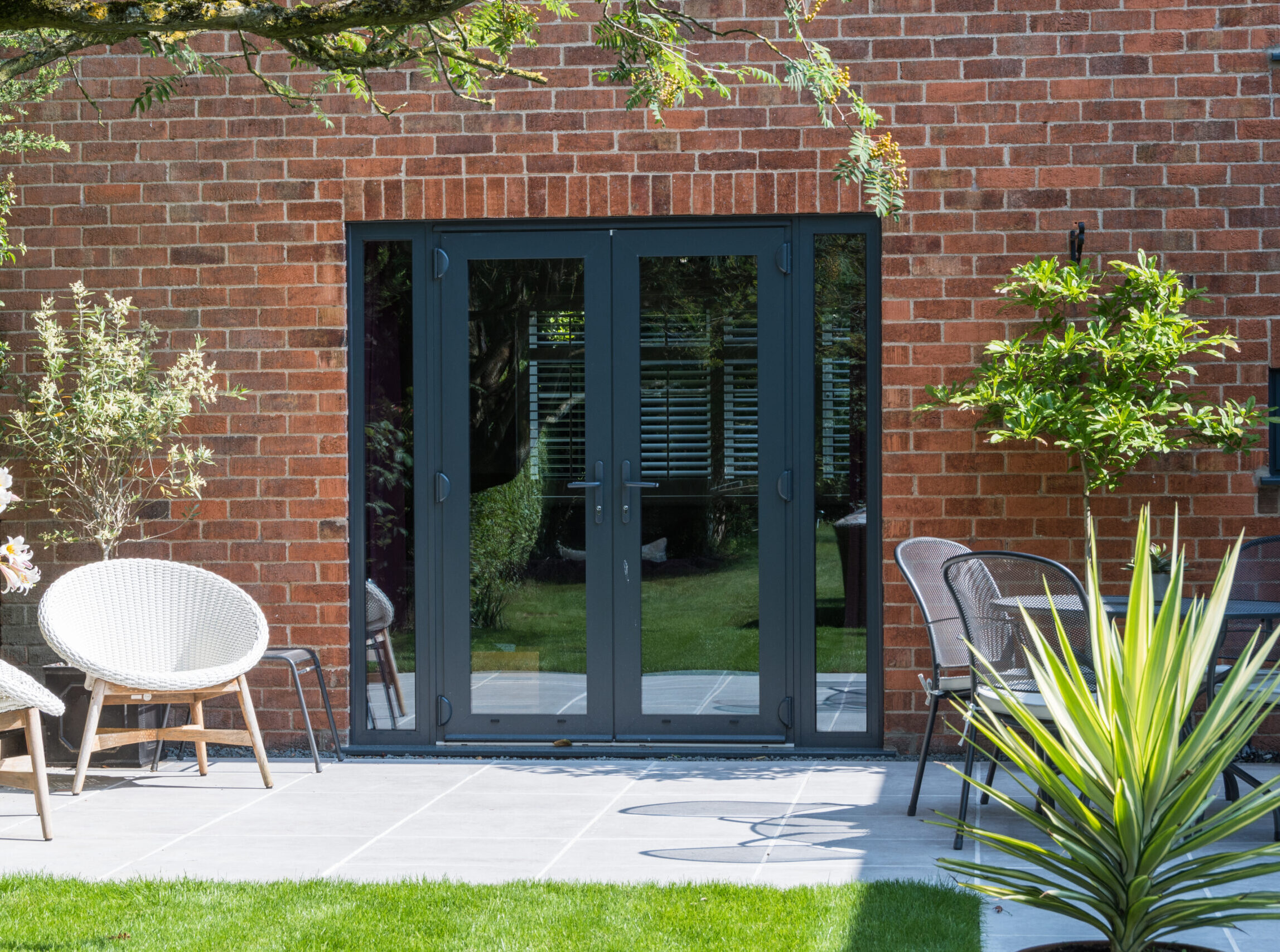
Sticking to dark or neutral aluminium frames works well with designs like this. They create a great contrast against brickwork or render which keeps the focus on proportion and light.
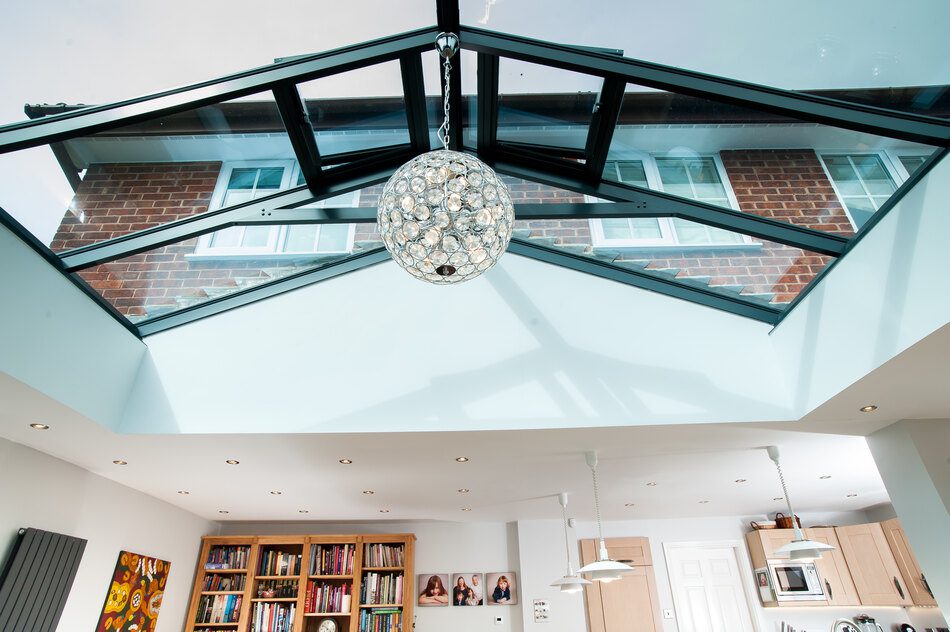
Using large glass roof systems is a great way to achieve this style. They draw daylight into your home, opening the space while helping the ceiling to feel higher. This suits modern homes and new builds particularly well.
Traditional Orangery with a Modern Twist
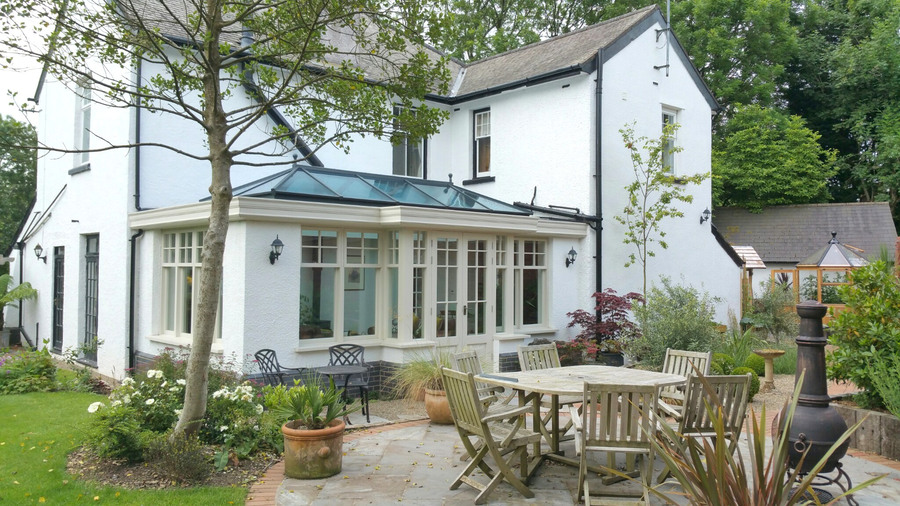
But what if you live in a traditional home? Perhaps you want to maintain that style with modern energy and security performance. A traditional-style orangery with updated materials is a good option.
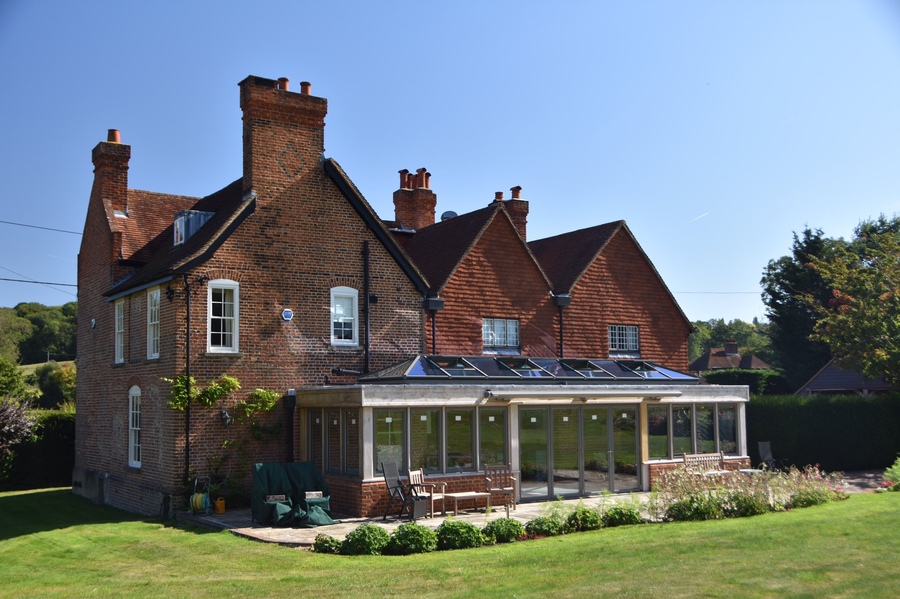
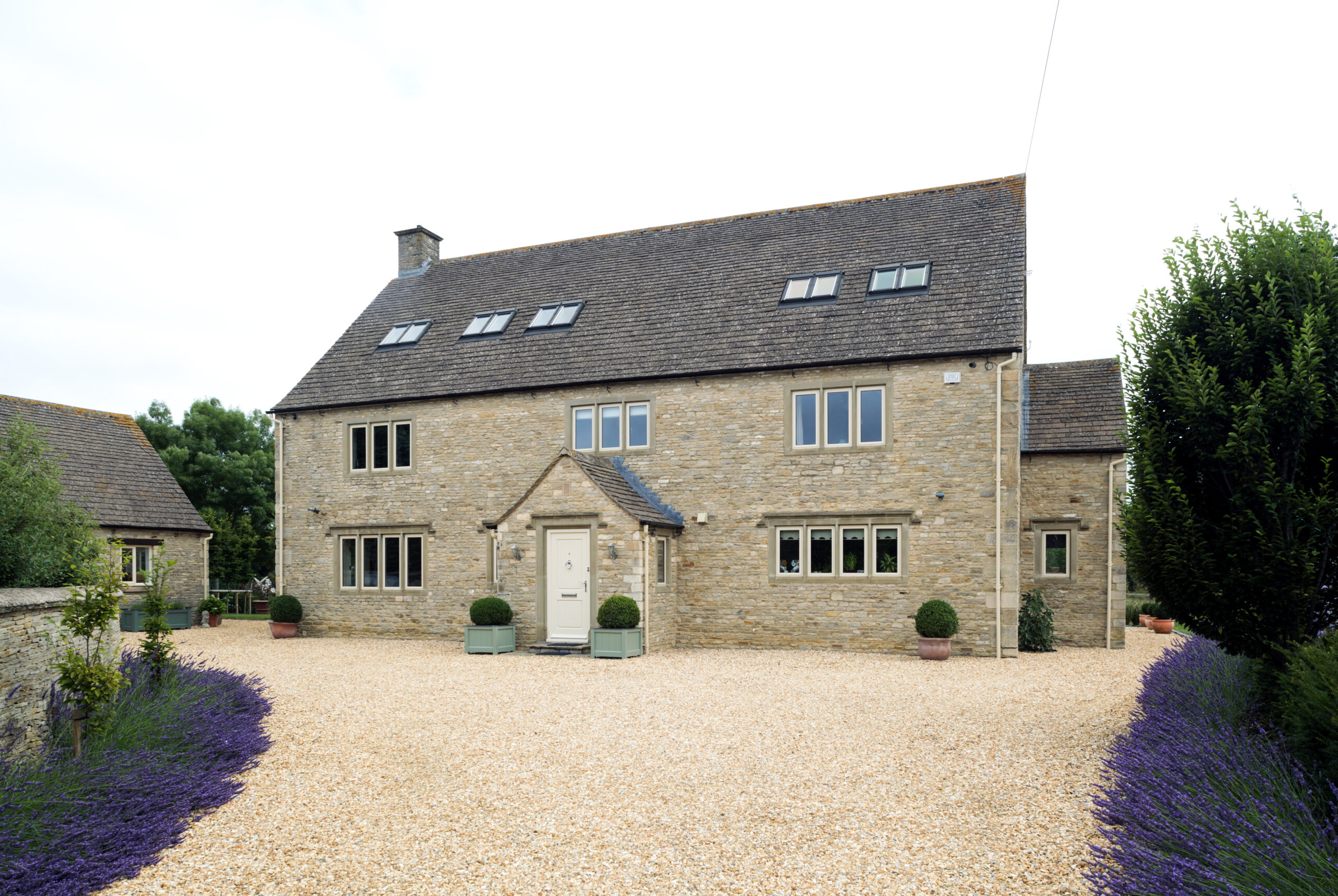
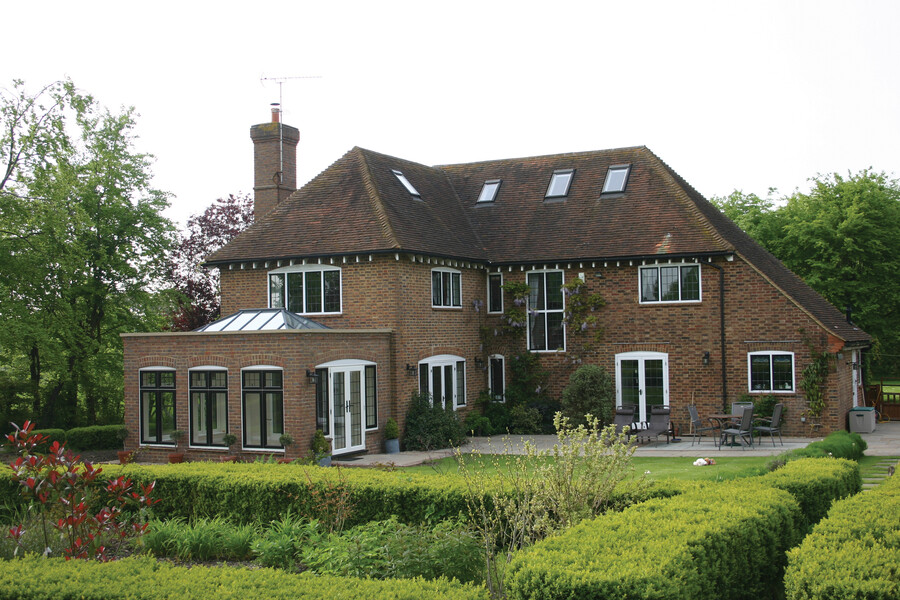
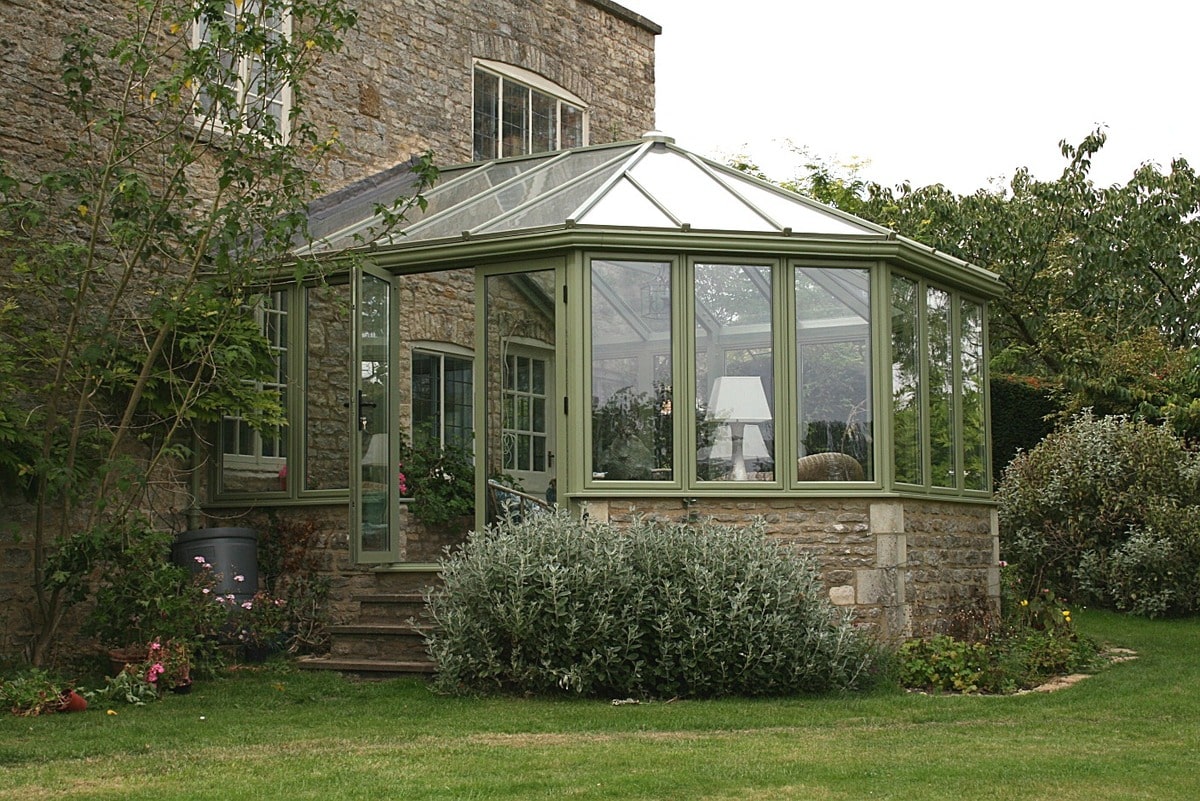
Brick pillars, a solid roof perimeter and a central glazed section are all signs of classic orangery design. And when they’re built with modern aluminium roof systems, these traditional-looking systems can also support slimmer structures and better insulation.
This would work especially well for period homes, semi-detached properties, larger cottages and homes in conservation areas. Basically, you can keep the traditional look while benefiting from modern technology.
Orangery Extension Ideas
What will you do with your new space?
Kitchen Orangery Ideas
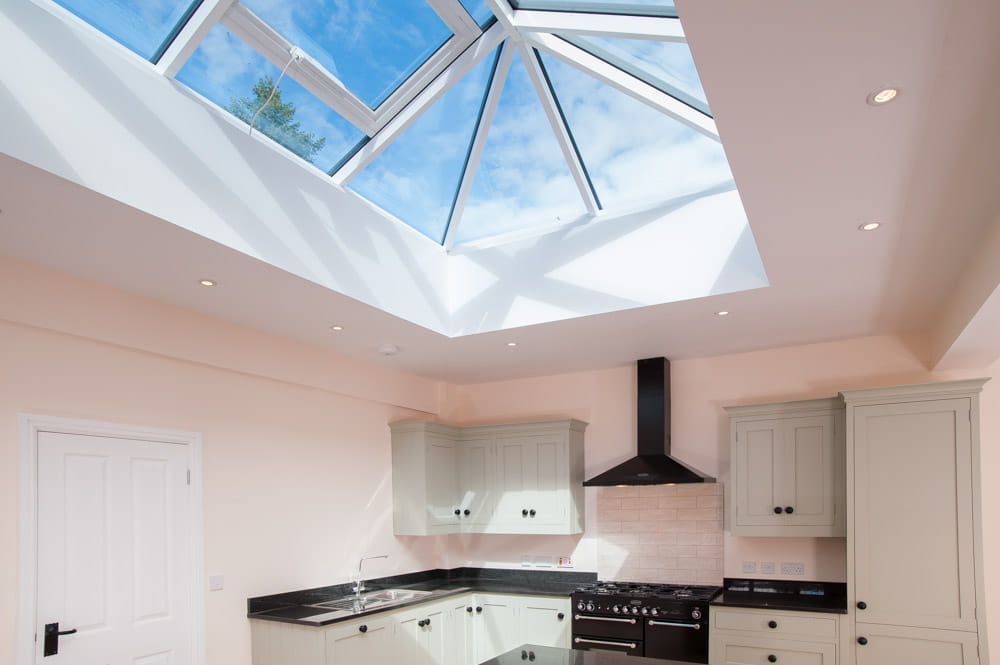
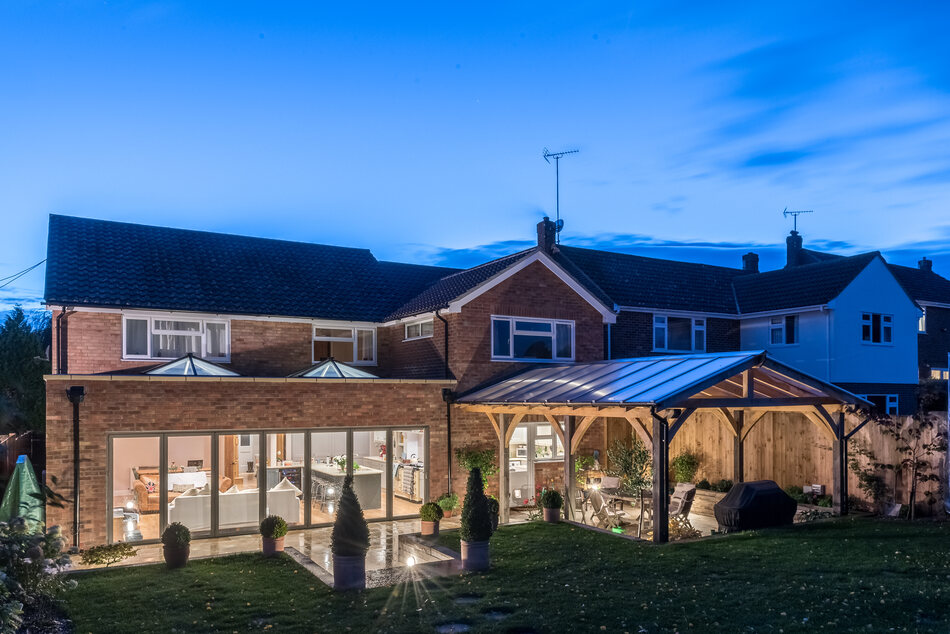
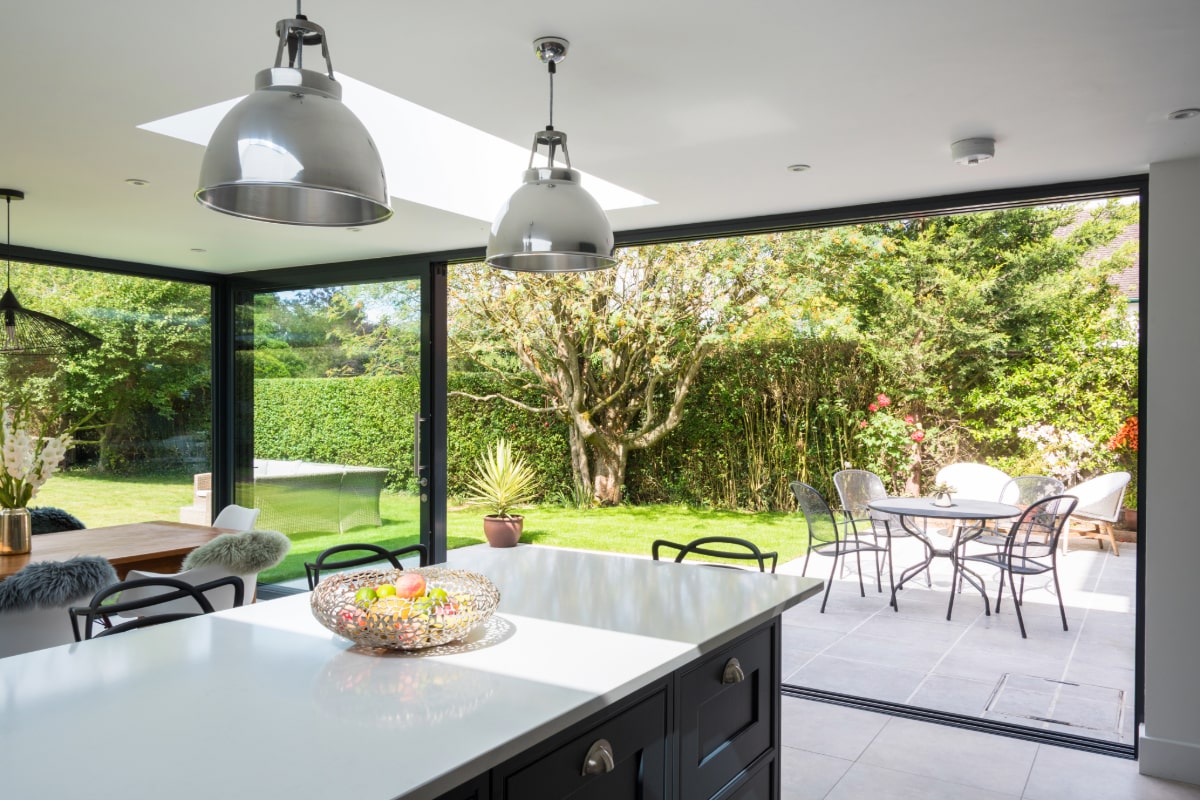
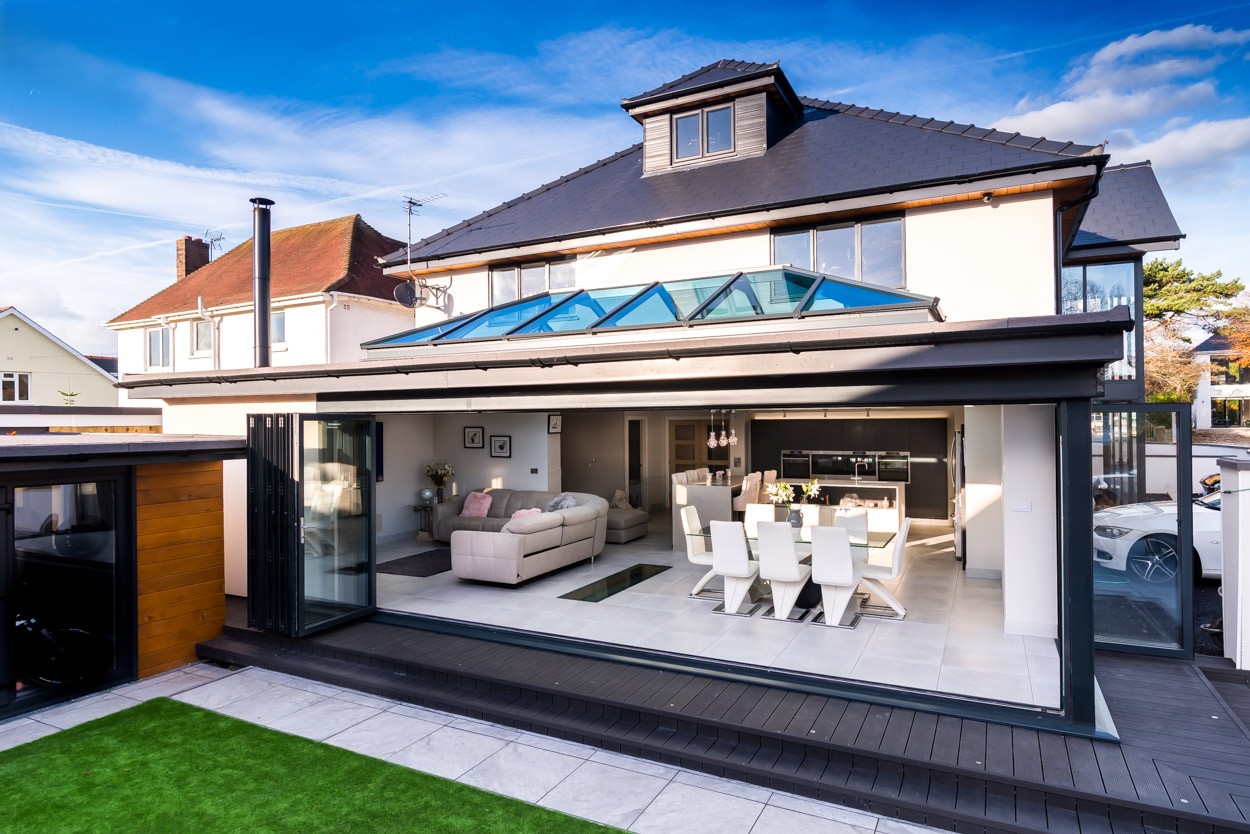
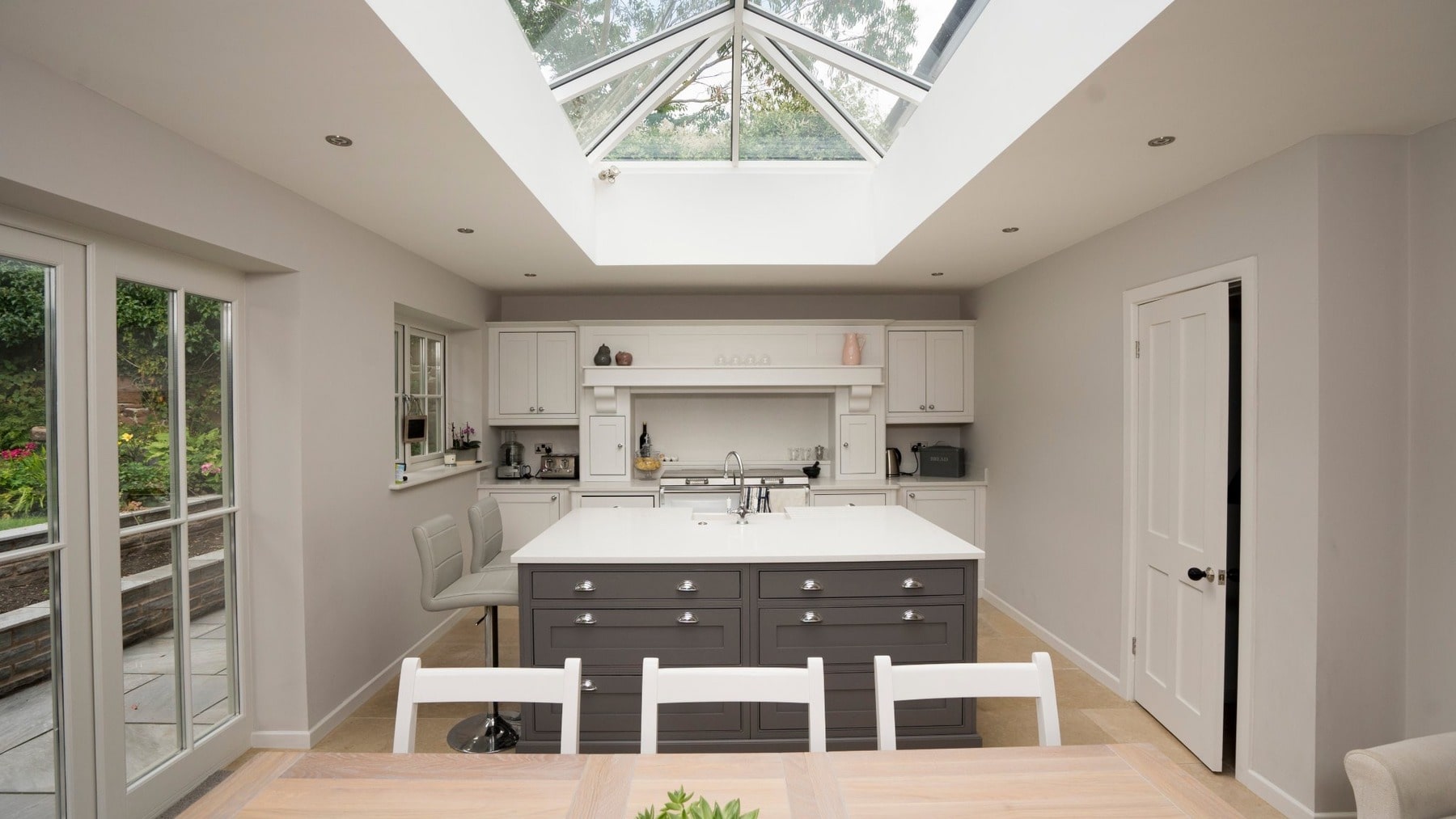
First, one of the most common uses for an orangery is as a kitchen extension. The layout often places the main kitchen area within the original house. Then, the orangery acts as a dining or seating zone – or even just a social space.
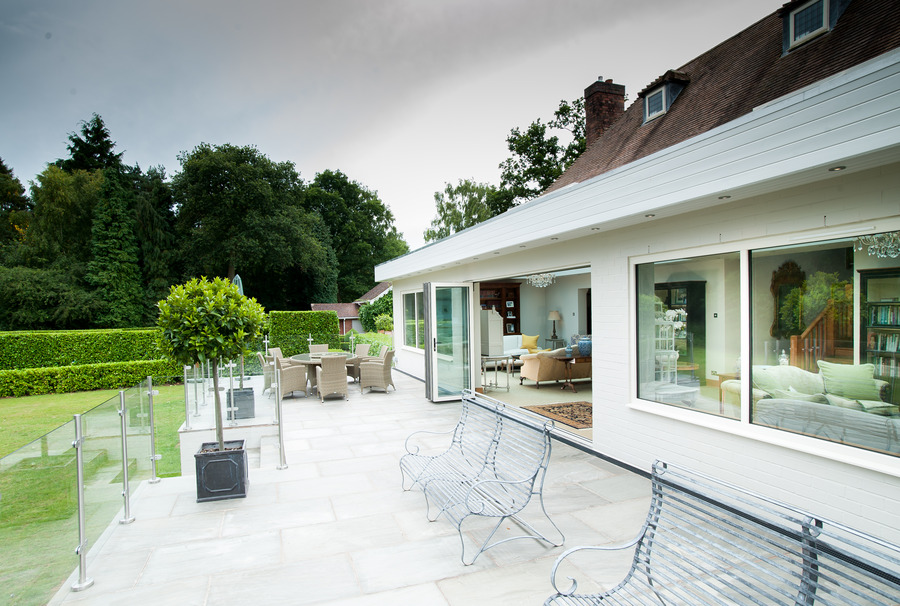
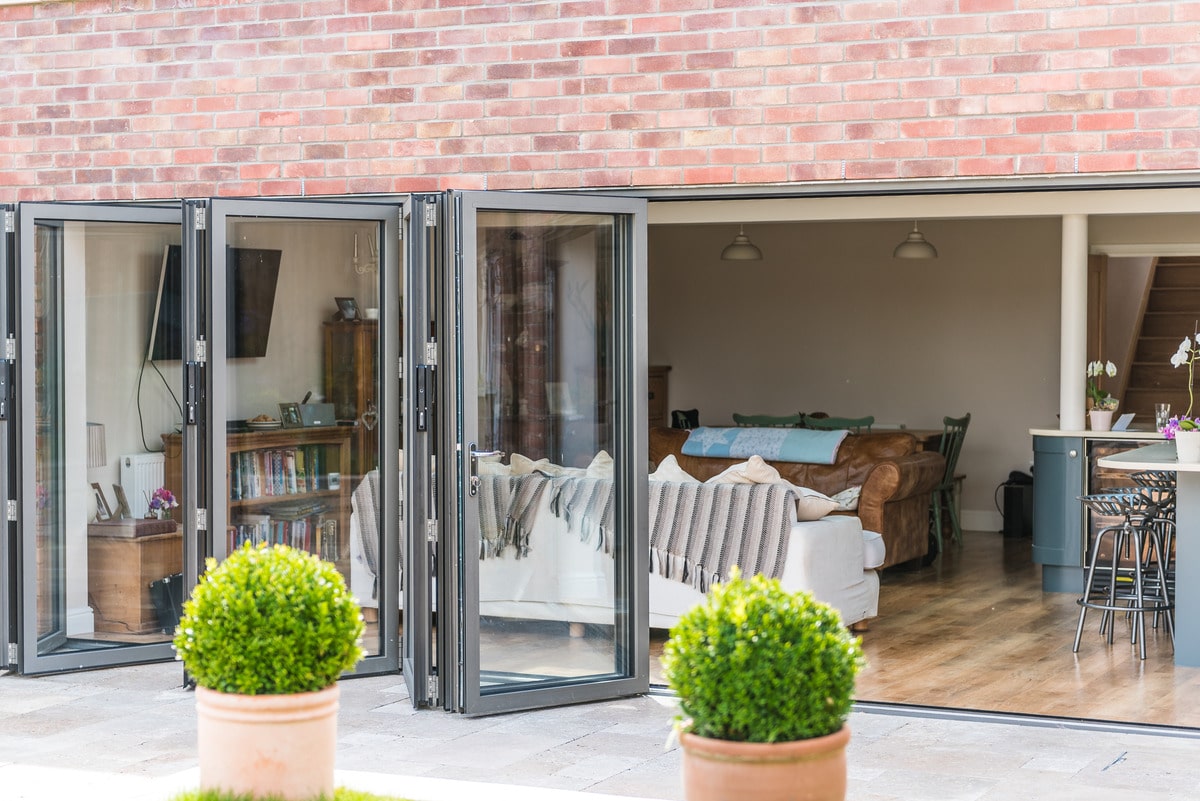
With this setup, roof lanterns above dining tables bring in overhead light without glare. Pairing these with slimline aluminium doors can also help your indoor space flow into the garden without obstructed views.
This layout creates a bright and sociable area that works well for family life, entertaining and everyday use.
Living Room Orangery Ideas
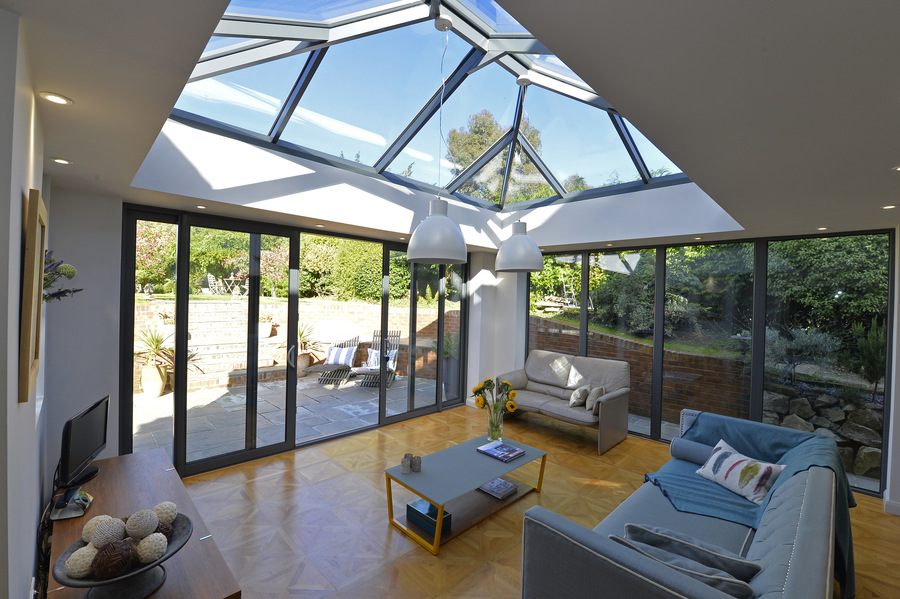
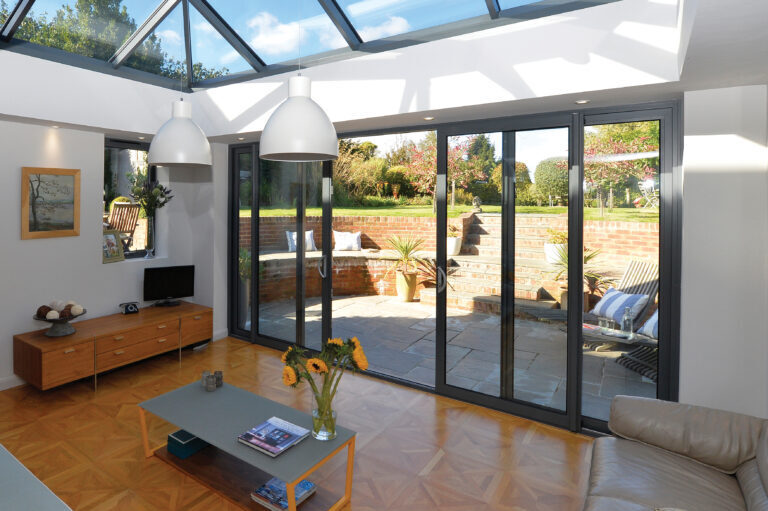
Your orangery could also work just as well as a living room space. The solid roof perimeter helps control light levels – useful for relaxing or watching television.
When you plan your orangery, you can position it to frame garden views rather than surround the entire space. Doing this helps create a calm, inviting environment that still feels open and connected to the outdoors.
Your furniture can also contribute. Soft pieces – such as rugs and layered lighting – all help make it feel like a permanent, cosy living room.
Orangery Dining Room Ideas
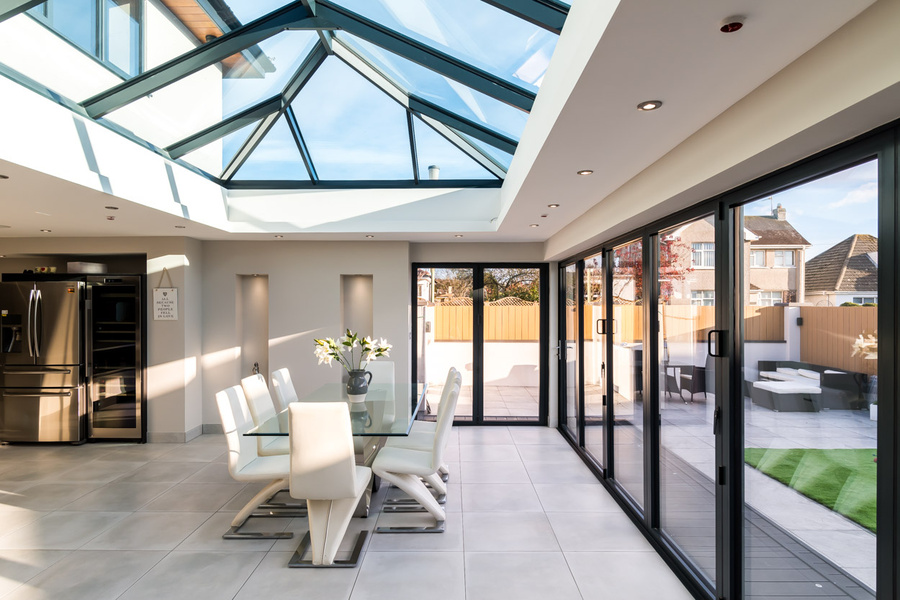
Looking to entertain in your orangery? Then why not use the whole space for a large, inviting dining area. The overhead natural light makes the space feel special during the day, while integrated lighting can help you create atmosphere in the evening.
If you place your roof lantern directly above the dining table, you’ll frame and define the dining area. Then, you can use windows tactically to focus views on specific outdoor areas.
This doesn’t have to be for formal dining. It works just as well for everyday family meals, especially if your orangery will sit just off the main kitchen.
Orangery Room Ideas: How To Use The Space
You can also build an orangery for specific functions.
Home Office Or Study
For example, an orangery can make for a fantastic home office space. You’ll get a good amount of privacy away from the main house, with daylight improving focus and the solid roof sections reducing screen glare.
If you’re looking to manage light levels, you might position all glazing just on one side. This can make the space more comfortable for long working hours.
Playroom
An orangery can also become a family playroom. The separation from the main living areas helps contain noise – however, the glazed sections will let you keep an eye on what’s going on.
For added practicality, you can design your orangery with durable flooring and easy access to the garden. Meanwhile, the overhead light will keep the playroom bright even on darker days.
Garden Room
Is relaxation your priority? Then a garden room orangery might suit your home. This can be a place to read, relax, chat or enjoy views of the garden throughout the year.
Decoration will also help make things cosy. Things like comfortable seating and soft lighting will help the space feel peaceful rather than exposed.
Multi-Use Family Space
With the right space, you might not have to choose one dedicated function. We create many orangeries that are used in more than one way. For instance, a family space may also serve as a dining area, seating zone and informal workspace at different times of the day.
If you’re going to have multiple uses, it’s a good idea to build around lighting and access. This will help the room adapt to different uses without feeling overwhelming.
Orangery Roof Ideas
The design and style of your orangery roof is the next key decision.
Roof Lantern Orangery Designs
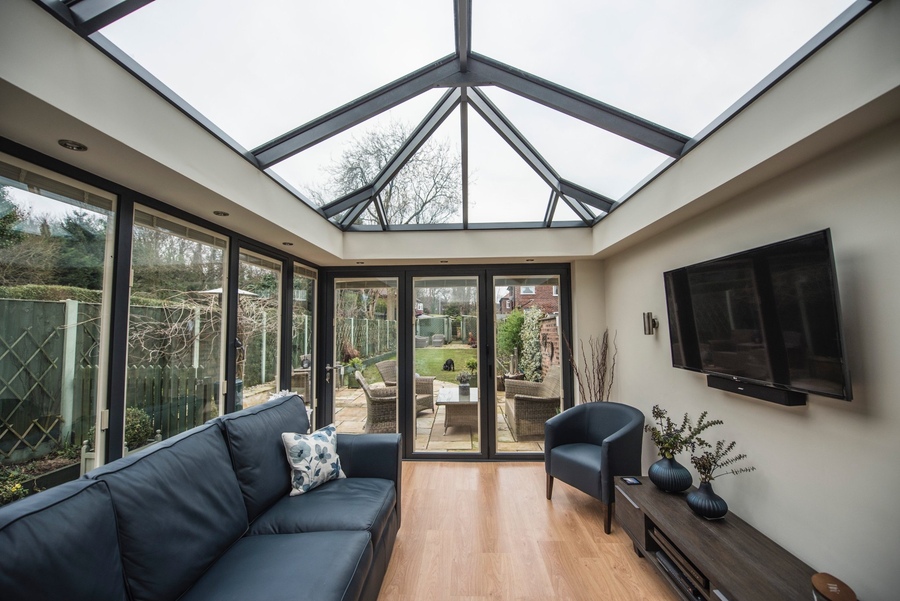
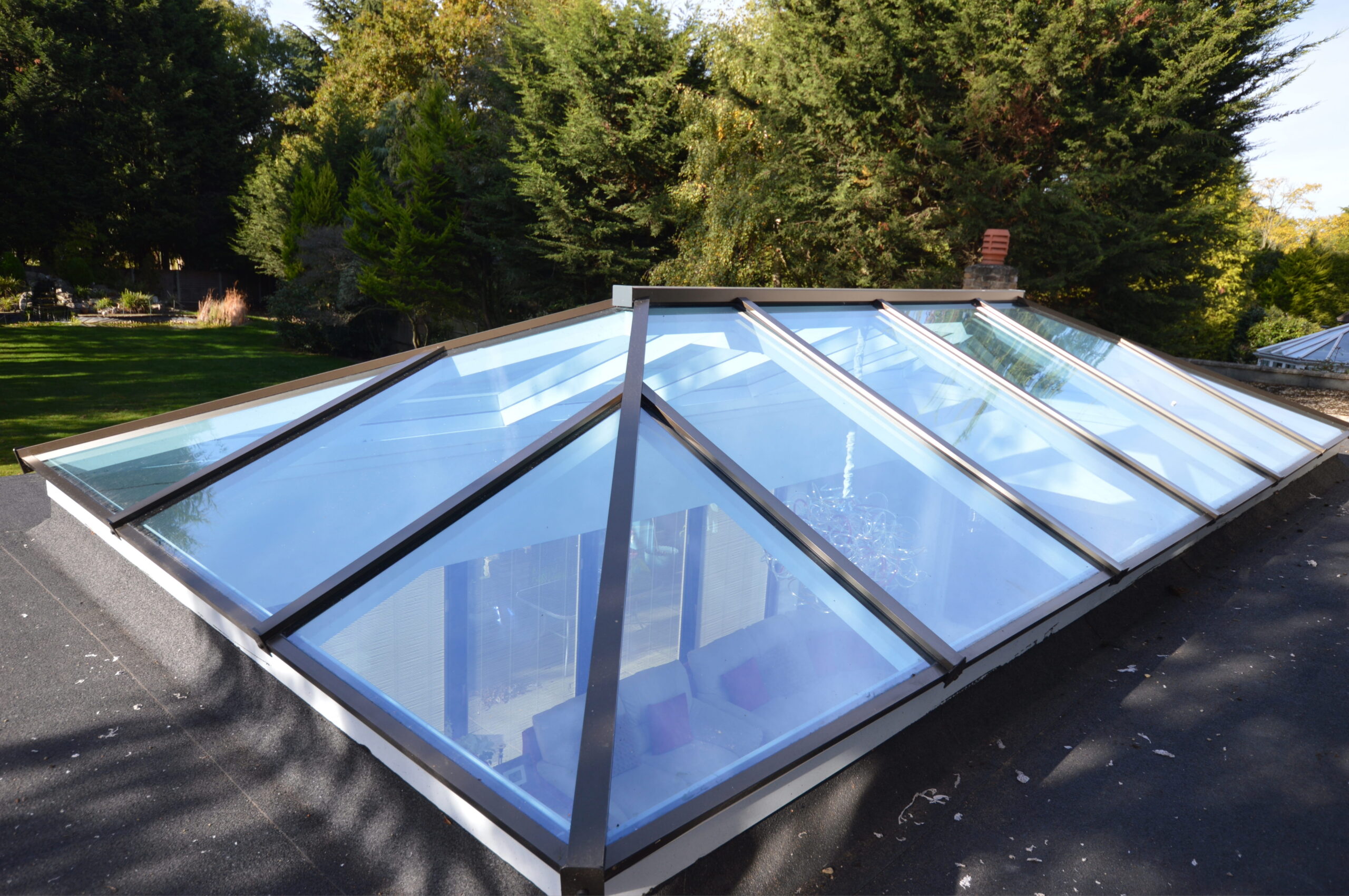
Our first example, roof lanterns, are one of the most popular orangery roof features. Placed centrally, they bring light from above while creating a sense of height inside the room.
Modern lantern designs use slim aluminium frames to minimise the amount of visible structure. This keeps the focus on light and views rather than framework.
Roof lanterns suit both traditional and contemporary orangeries, with the surrounding roof finish determining the overall style. This gives you a large amount of creative freedom.
Flat Roof Orangery with Glazed Panels
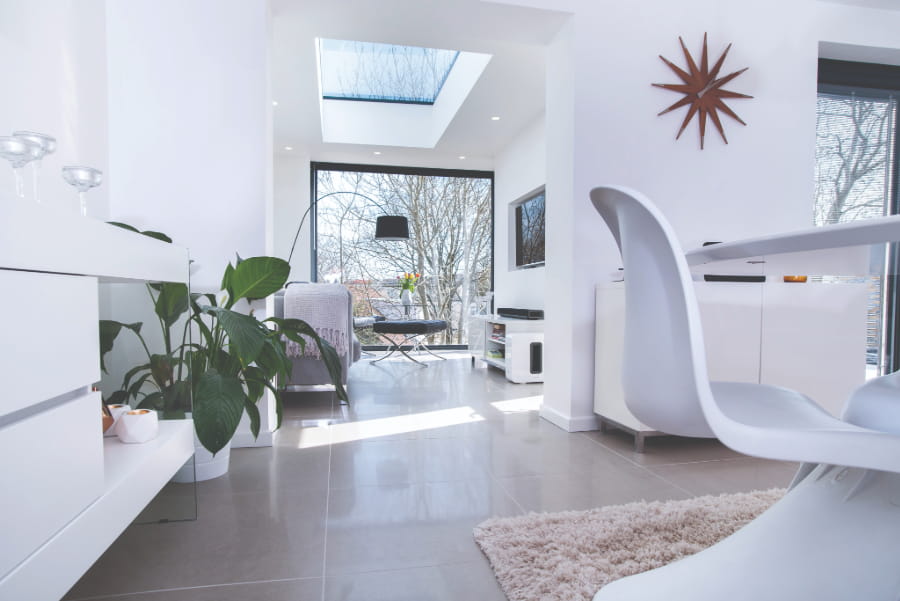
In a smaller space or for a less dramatic look, some orangeries use flat glass rooflights rather than a raised lantern. This will give you more of an understated look than raised roof lanterns.
This approach suits modern extensions. Clean lines are the priority, allowing for spotlights and concealed lighting around the glazed sections to create warmth.
More Sky, Less Roof
No matter which design you choose, your choice of frames will affect the glazing area you can achieve. For example, modern aluminium systems use slimmer ridges and supports. This means more glass and less visible roof structure – letting the most possible daylight into your home.
This balance is one of the main reasons aluminium has become so popular in orangery design. It’s a great way to maximise your space while still achieving excellent energy efficiency and security.
Orangery Conservatory Ideas
There are two very good reasons why more and more UK homeowners are choosing orangeries:
- They want extra space with increased daylight
- However, they still want the new space to feel like a fully integrated part of the home.
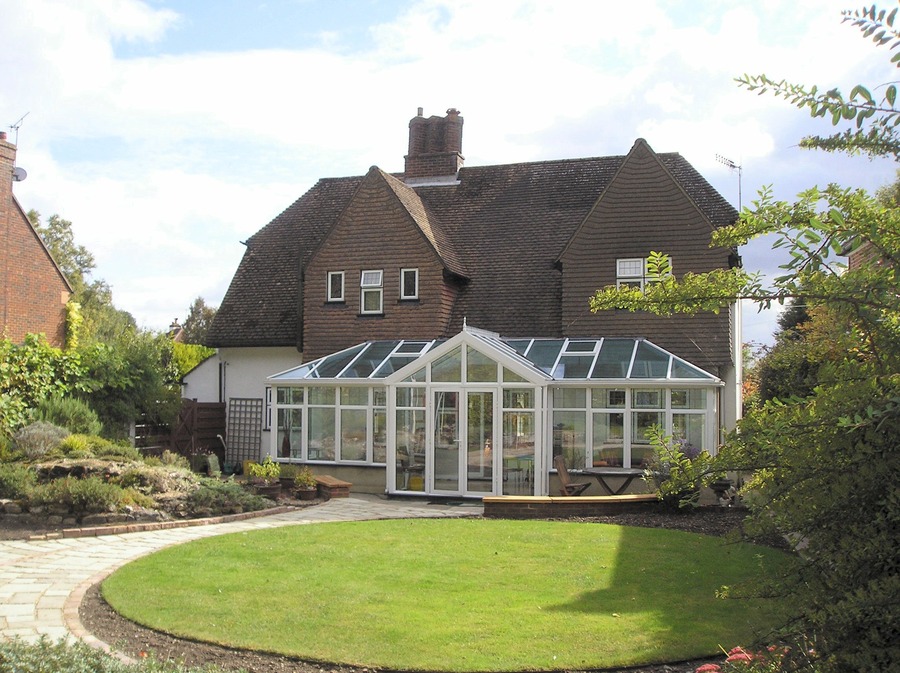
In these ways, orangeries are like a middle ground between a full bricks-and-mortar extension and a fully glazed conservatory. Both are fantastic options in the right scenario – but orangeries are a great blend when you want the best of both worlds.
Combining solid roof sections with glazing, your orangery gives you conservatory-style brightness. But at the same time, it also has a more permanent feel without losing the connection to the garden.
Top Tips and Design Details to Make Your Orangery Stand Out
Ready to start designing? Here are some top tips to make your orangery stand out from the crowd:
- You can use internal pelmets with spotlights to define the ceiling, create a welcoming atmosphere and provide practical lighting
- With modern aluminium frames, you can use concealed structural elements to keep the space visually clean
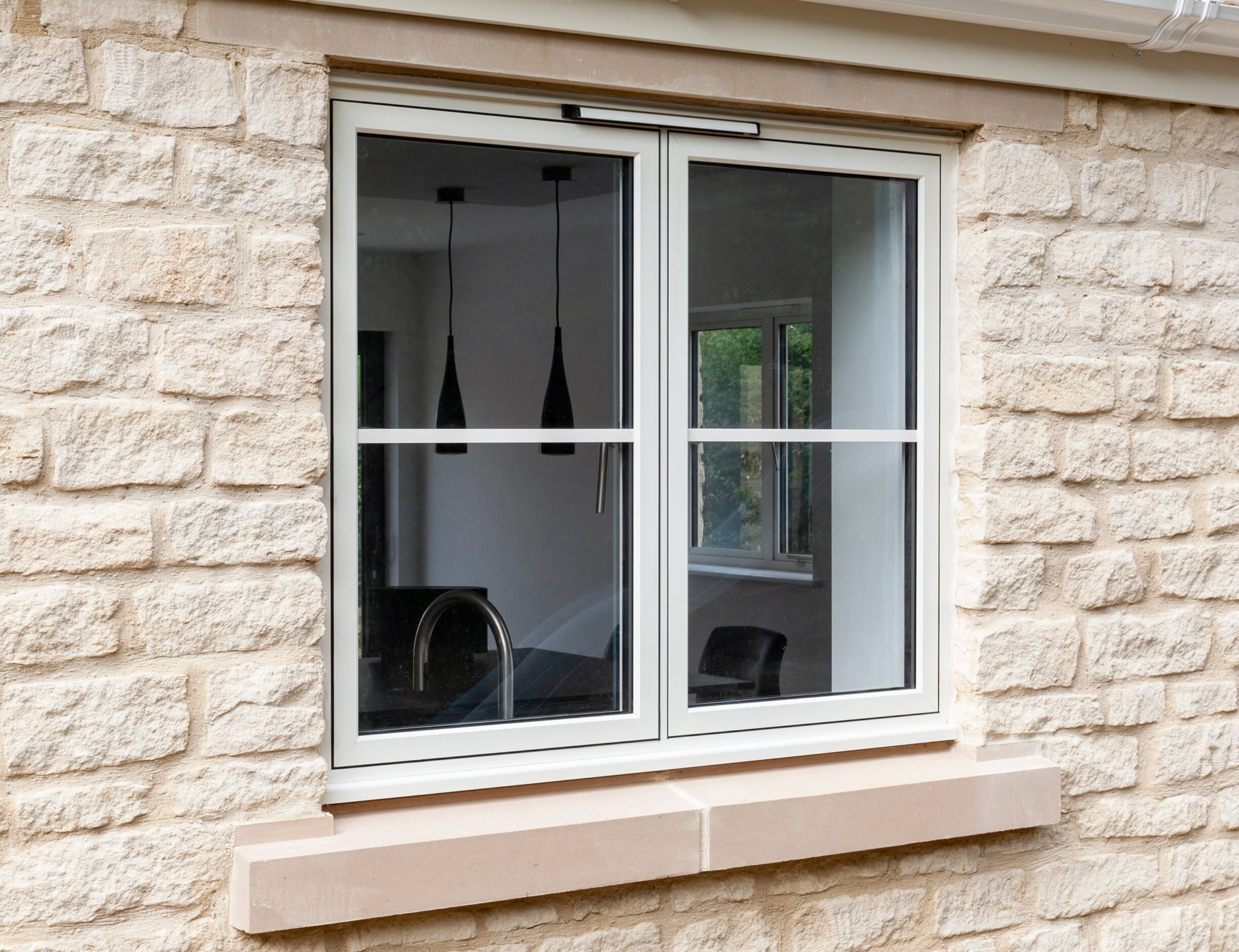
- Colour-matched aluminium frames help windows, doors and roof elements feel purposely designed
- Using dual-colour finishes, you can match brickwork designs outdoors and decoration themes indoors
- Choosing high-quality glazing and potential upgrades can keep your space even more comfortable.
Glass Choices For Modern Orangeries
Simple upgrades during the design process can make your orangery ultra-comfortable and low maintenance. For example, solar control glass helps manage heat and glare, allowing daylight in while reflecting excess solar energy.
Likewise, self-cleaning glass is useful for large or difficult-to-access roof areas, helping break down dirt and wash it away. You can also choose triple glazing on many orangery designs to maximise energy efficiency.
Planning And Practical Considerations
Before starting your orangery design, it’s worth thinking about a few practical points. In particular:
- The orientation of your orangery affects how light enters the space and how warm it becomes
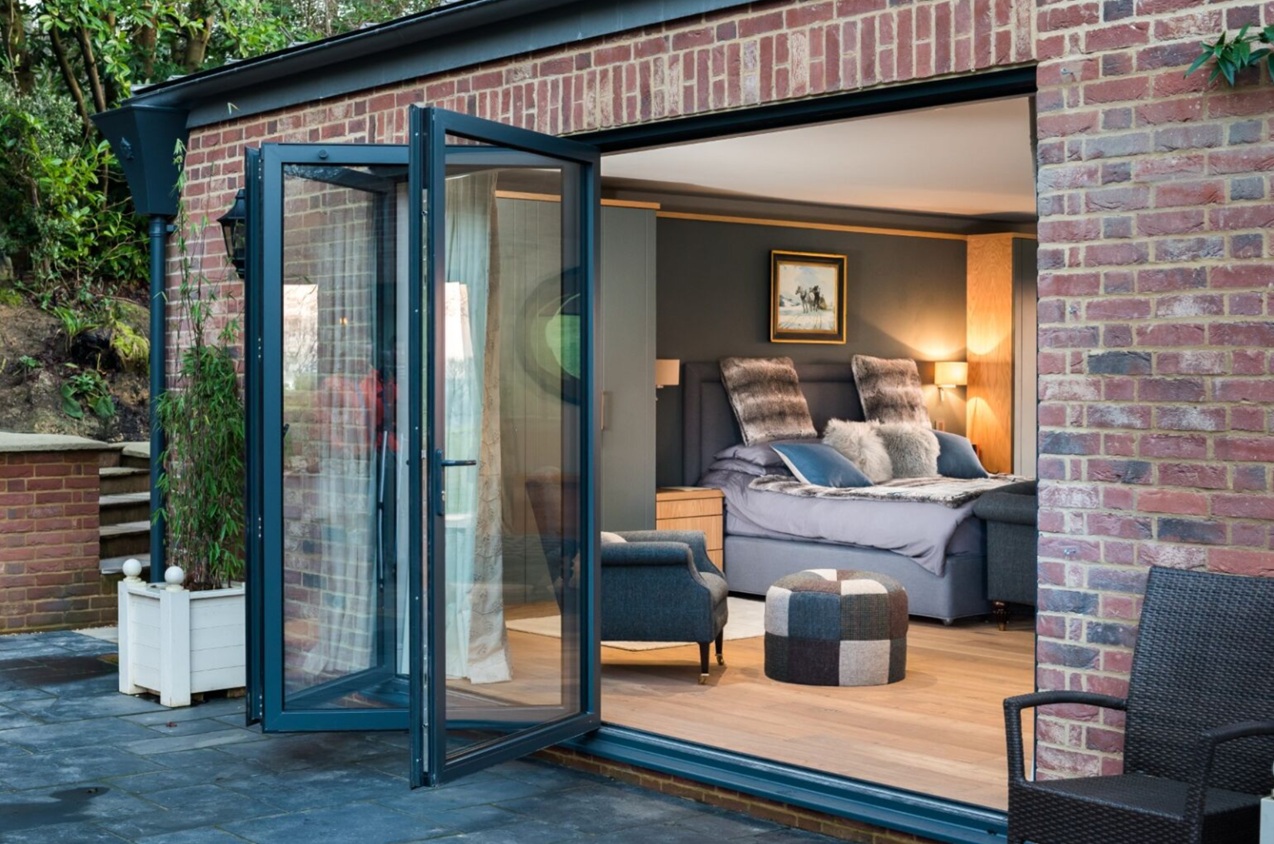
- Garden access and door placement influence how the room is used day to day, especially if you install bi-fold doors
- Furniture layout should be planned early, especially around glazed areas.
Once you have these planned, you can begin to make final design decisions. Bear in mind that many orangeries fall under permitted development, but rules vary. It’s best to check if your orangery needs planning permissions before committing.
Why Aluminium Is Ideal for Orangery Design
You can also make design, installation and maintenance go smoothly by choosing the right materials. Aluminium, for example, gives you increased design freedom with its strength and slim profiles.
The material is strong enough for wide openings and roof lanterns. And at the same time, ongoing maintenance is low, suiting long-term use. You can also choose from a range of designs and colours to match your creative themes.
Atlas Aluminium Orangery Solutions – Designed for Modern Living
Orangeries are a flexible and attractive way to extend your home. They combine light, comfort and architectural character while connecting your indoor and outdoor spaces, bringing many potential everyday uses.
Designed to work with large, glazed sections, aluminium orangeries help create spaces that feel comfortable, open and well-integrated with the rest of the home. Explore the range of Atlas Aluminium orangeries to start your home extension project.