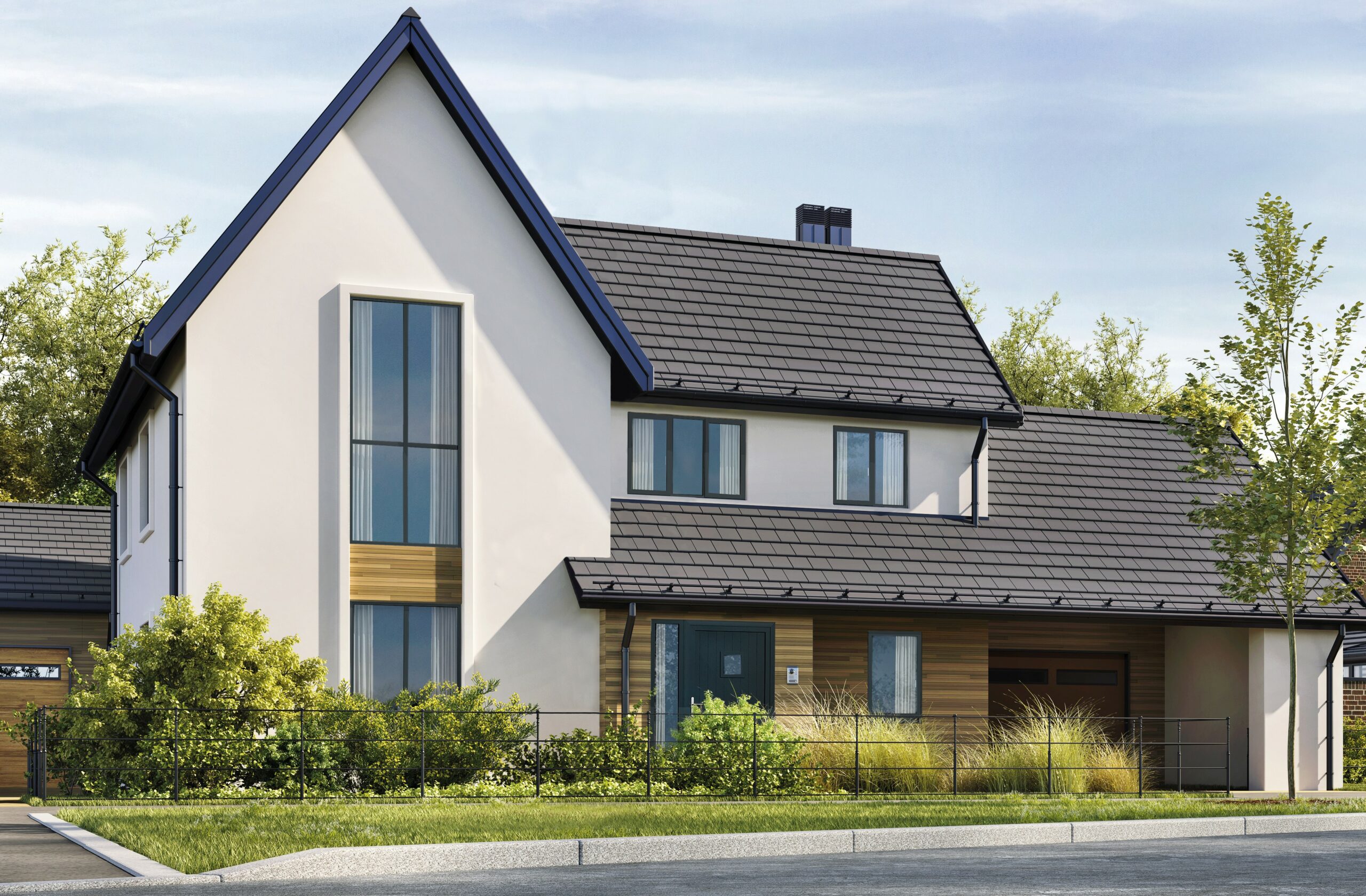
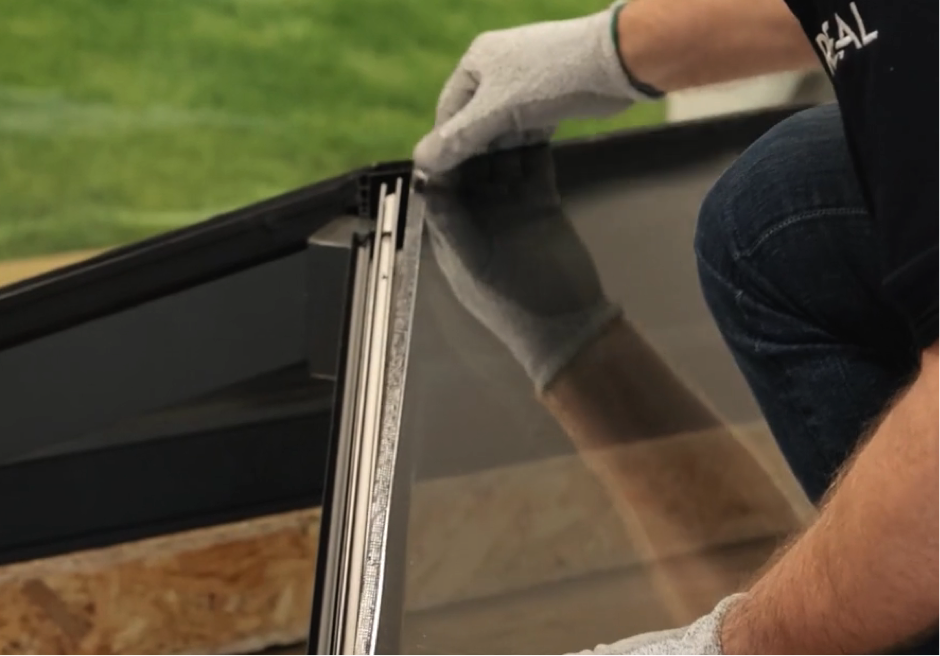
Are you planning a renovation, extension or window replacement? If so, one of the key questions you might ask is whether to go with uPVC vs aluminium windows.
Both materials are popular, and for good reason. They both have their strengths in terms of design, energy efficiency, lifespan and cost, bringing unique advantages and considerations. There are also some design-specific scenarios where you might choose either aluminium windows or uPVC.
If you need a hand deciding, read on. In this guide, we’ll lay out clear comparisons and important information, helping you decide whether uPVC or aluminium windows will best suit your tastes and lifestyle.
What’s the Difference Between uPVC and Aluminium Windows?
uPVC and aluminium windows are made from different materials which bring different benefits and potential trade-offs:
- uPVC, short for unplasticised polyvinyl chloride, is a durable and cost-effective type of plastic popular for its low maintenance, insulating qualities and choice of finishes
- Aluminium windows are made from strong, lightweight metal with slim customisable frames, a modern look, easy upkeep and decades of durability.
As such, there are many potential reasons to choose one over the other.
When to Choose Aluminium Windows
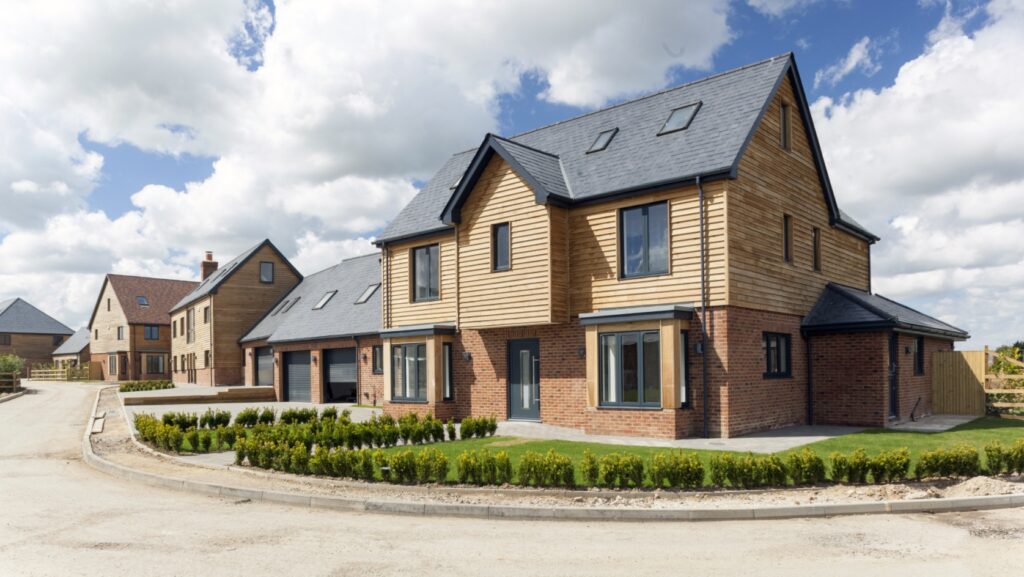
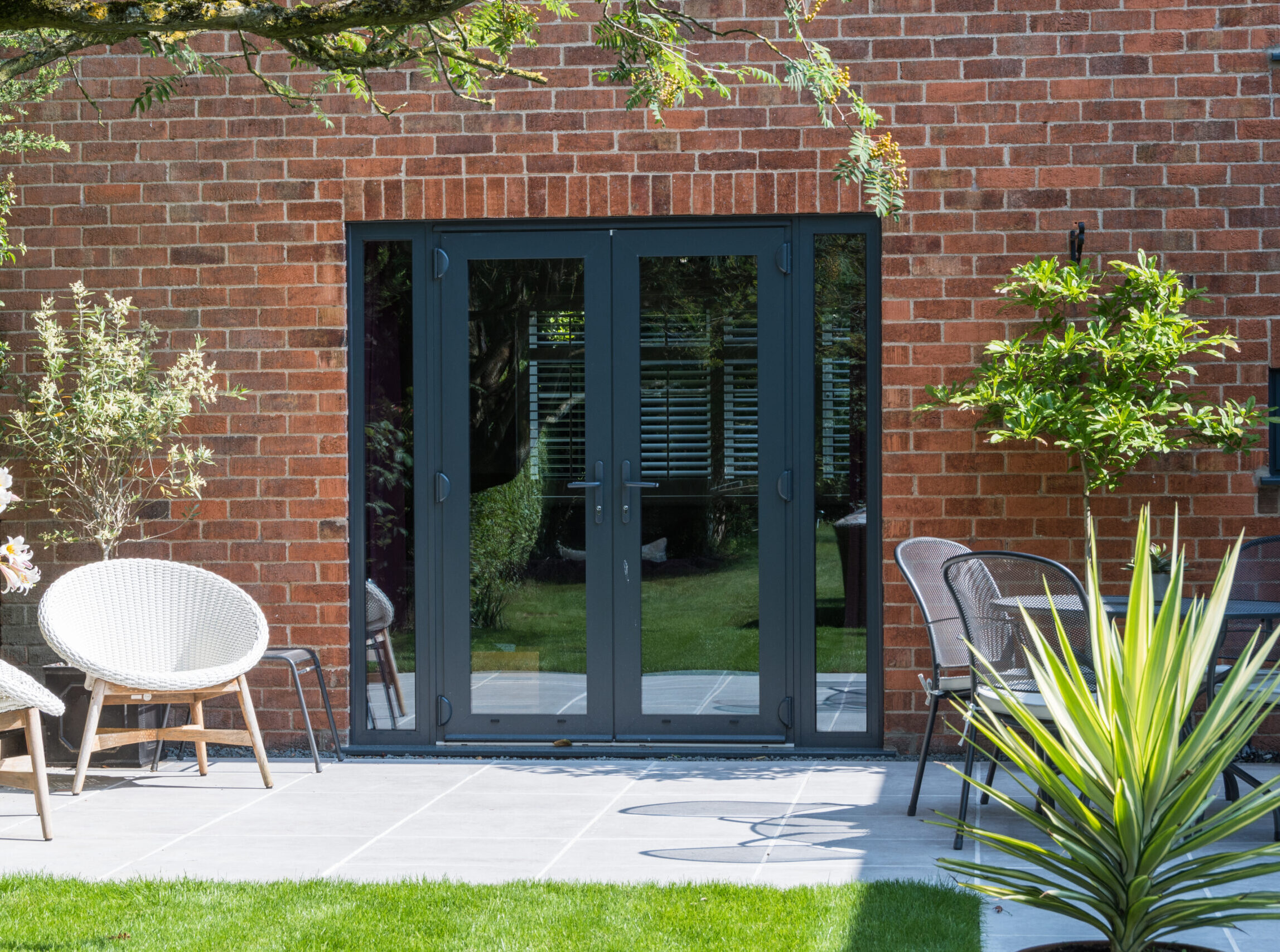
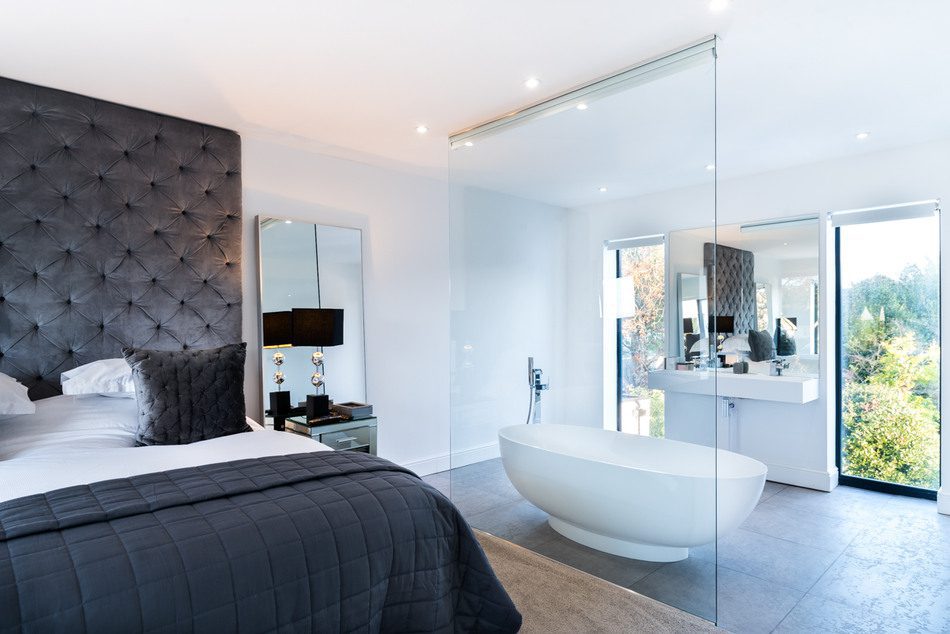
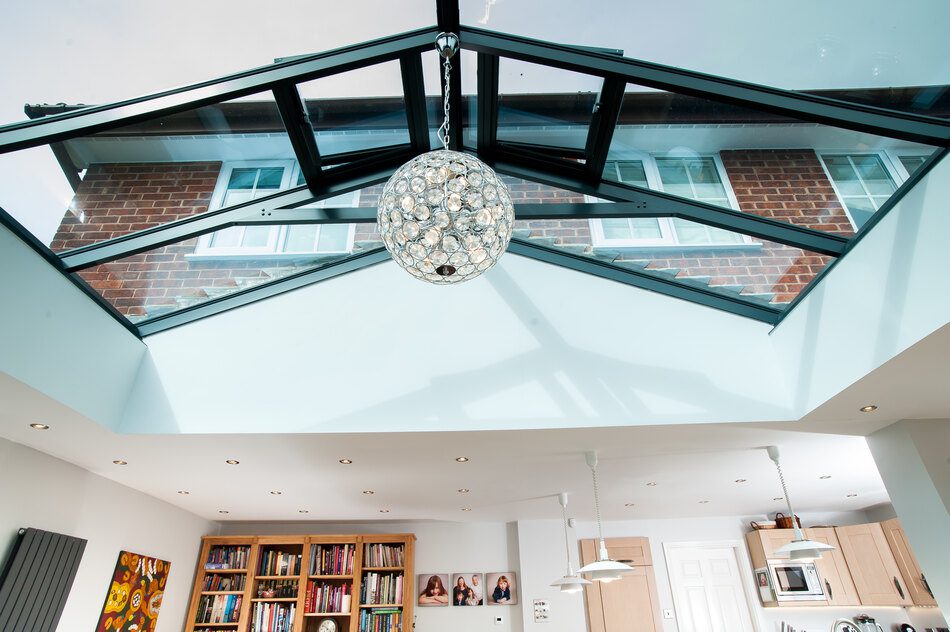
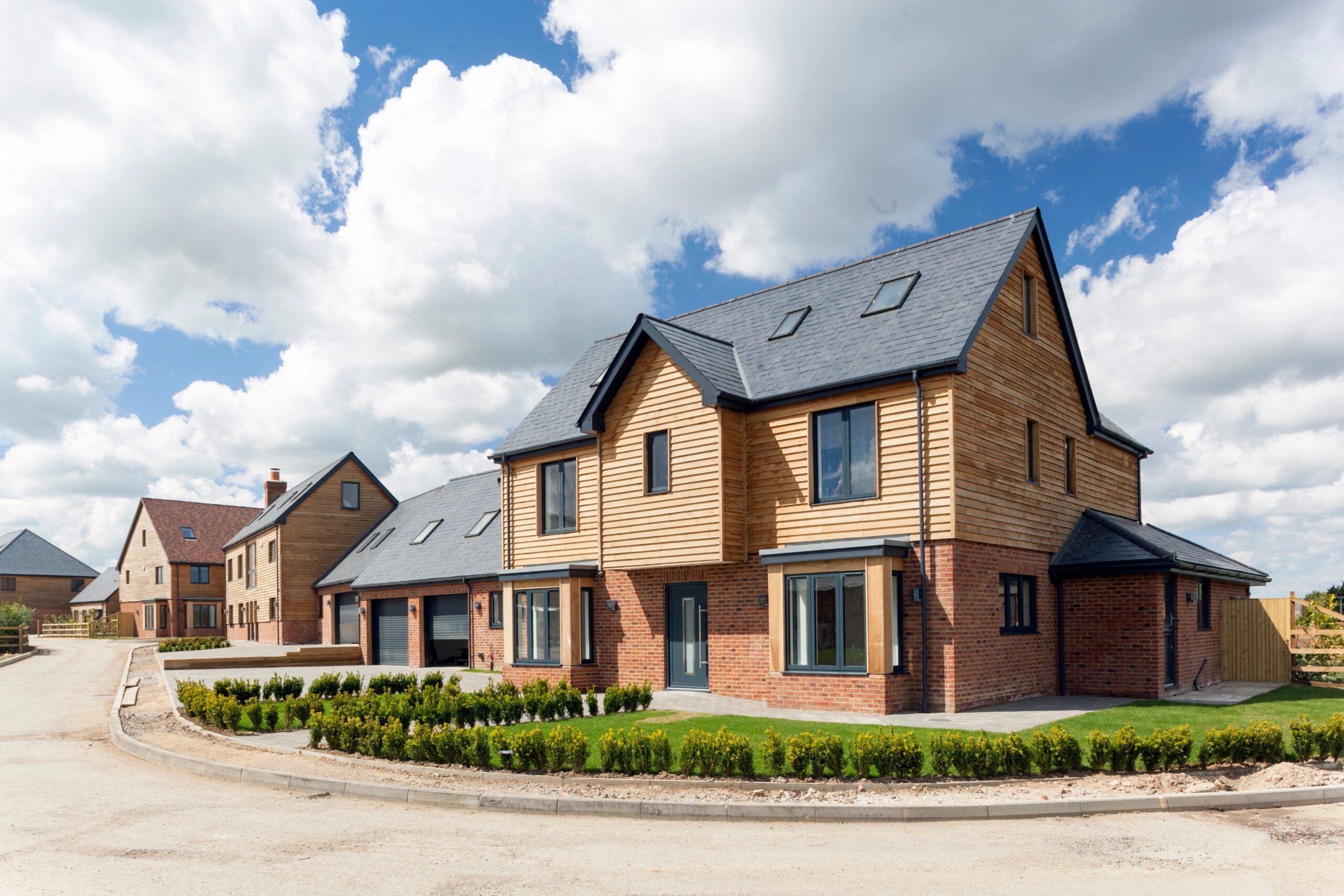
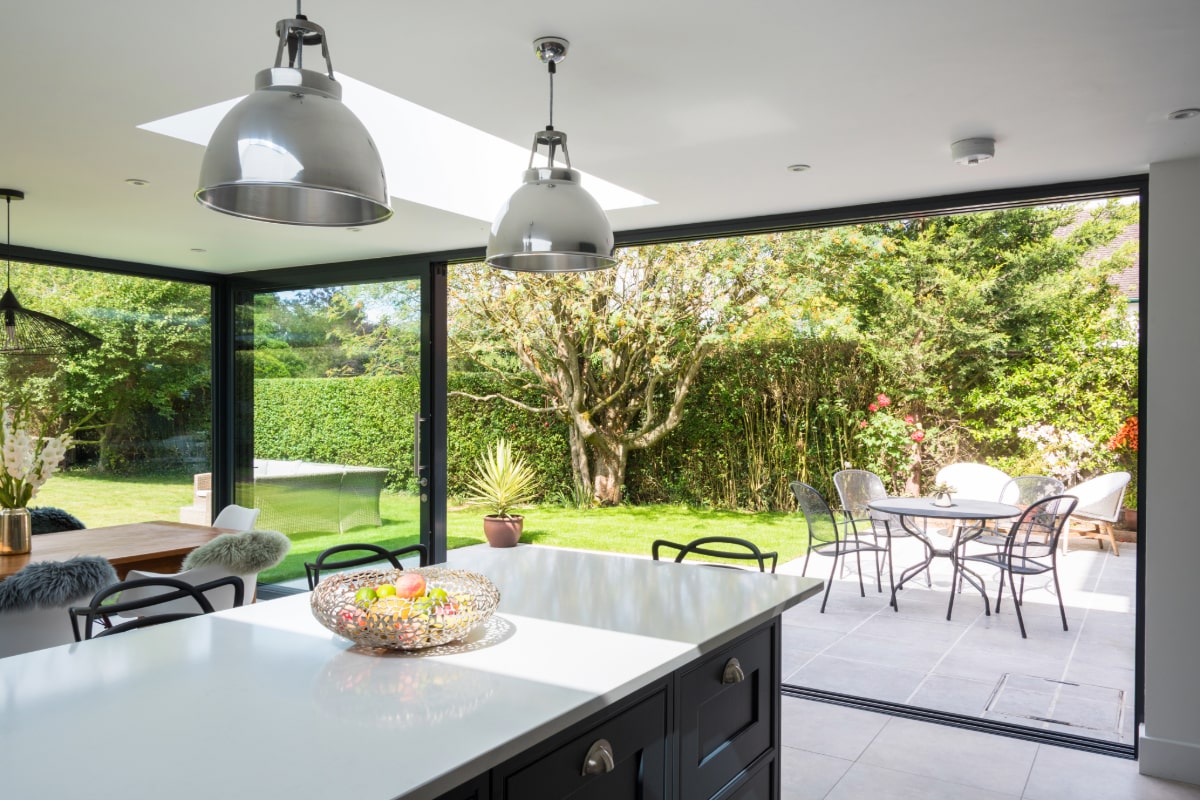
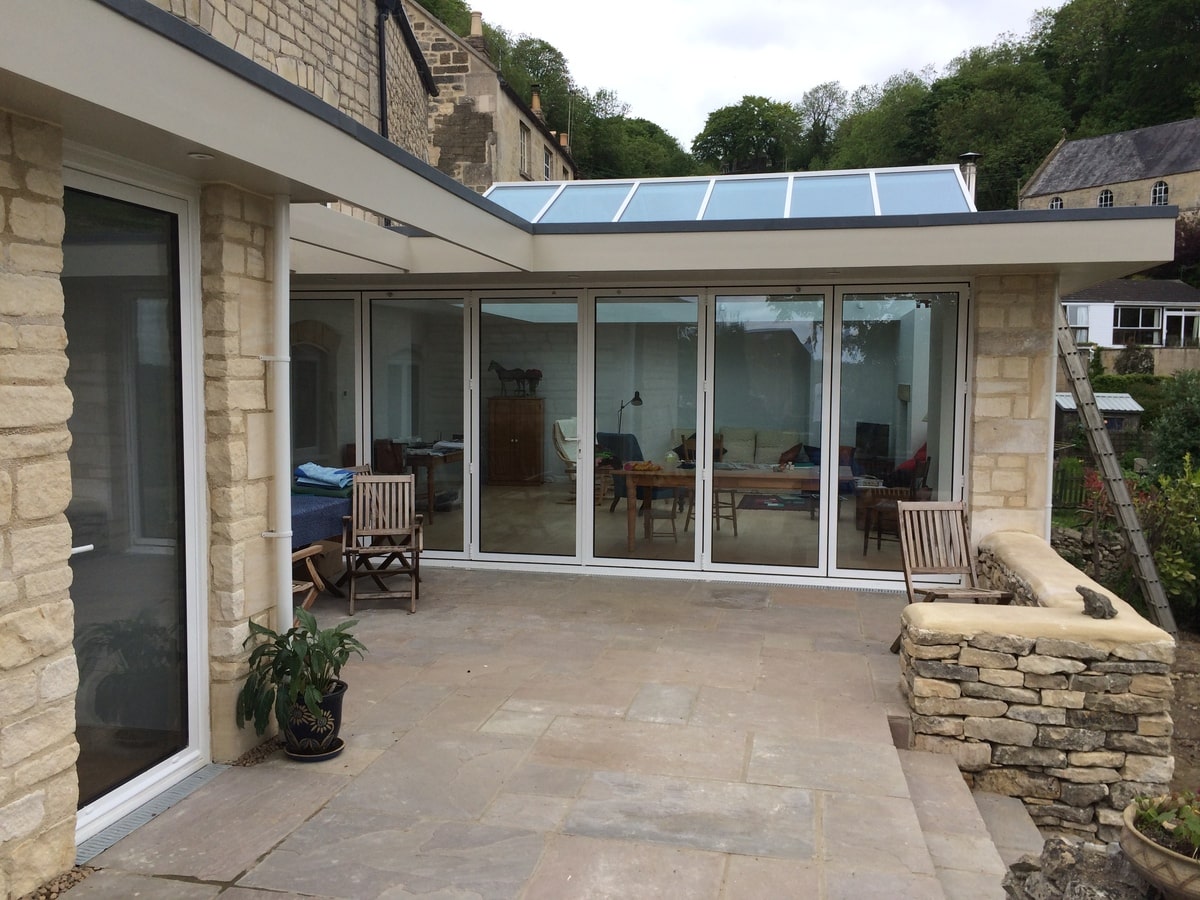
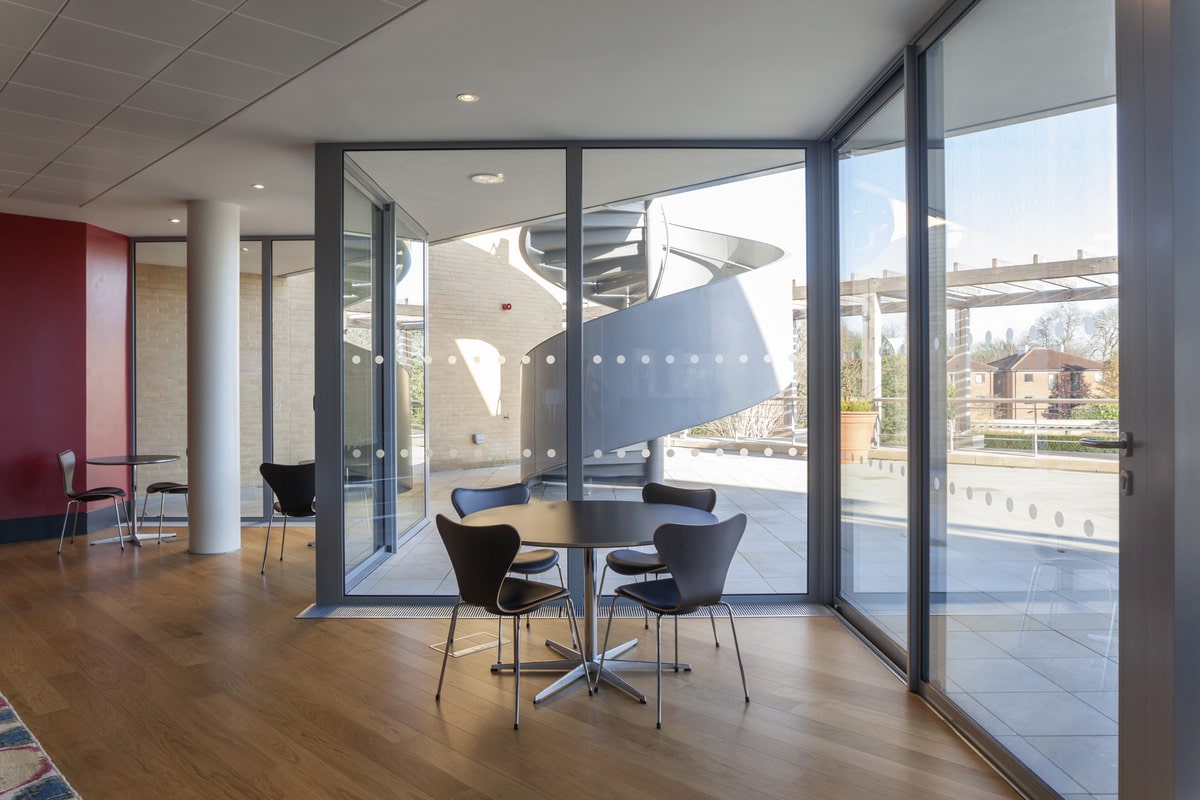
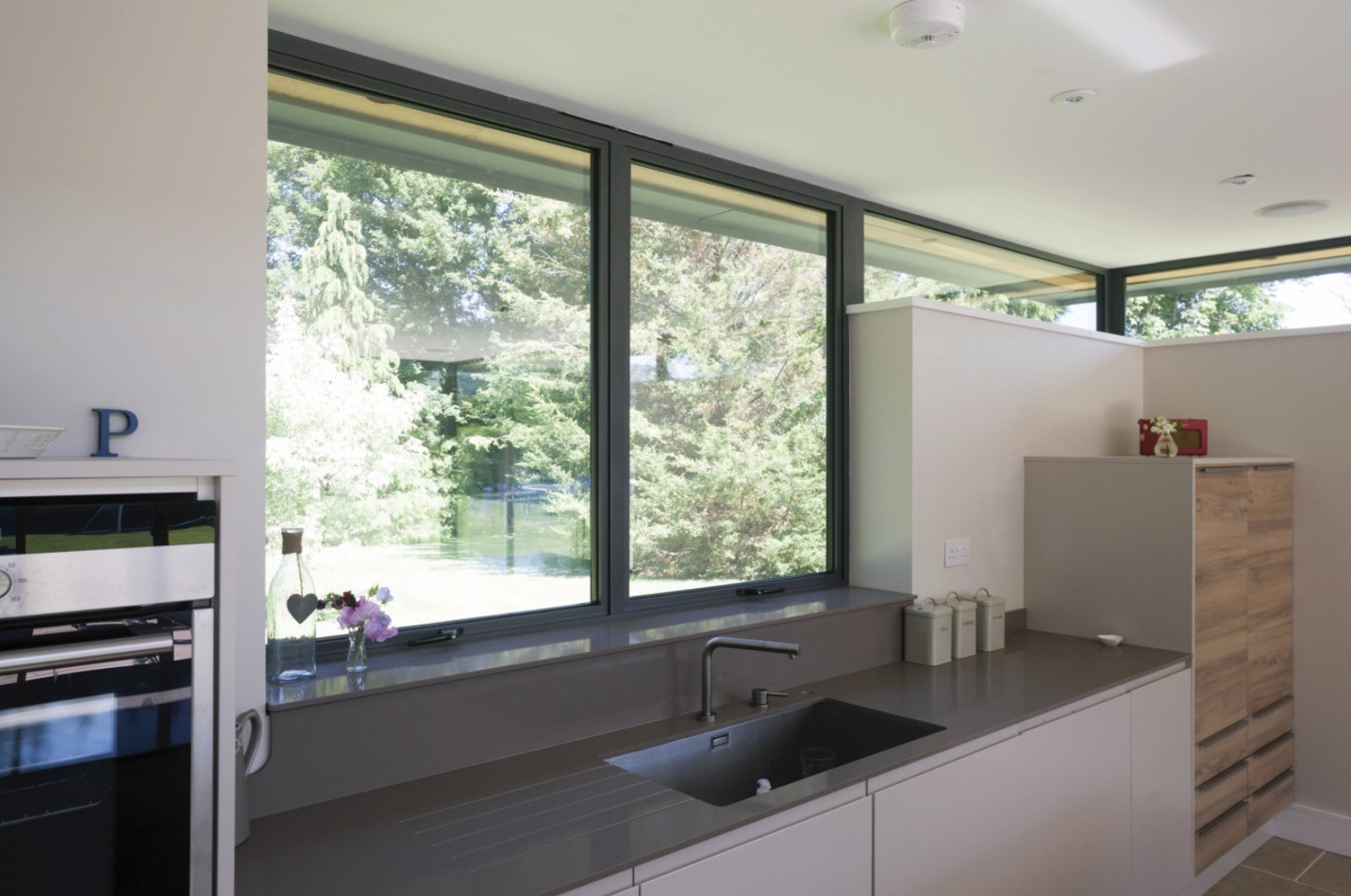
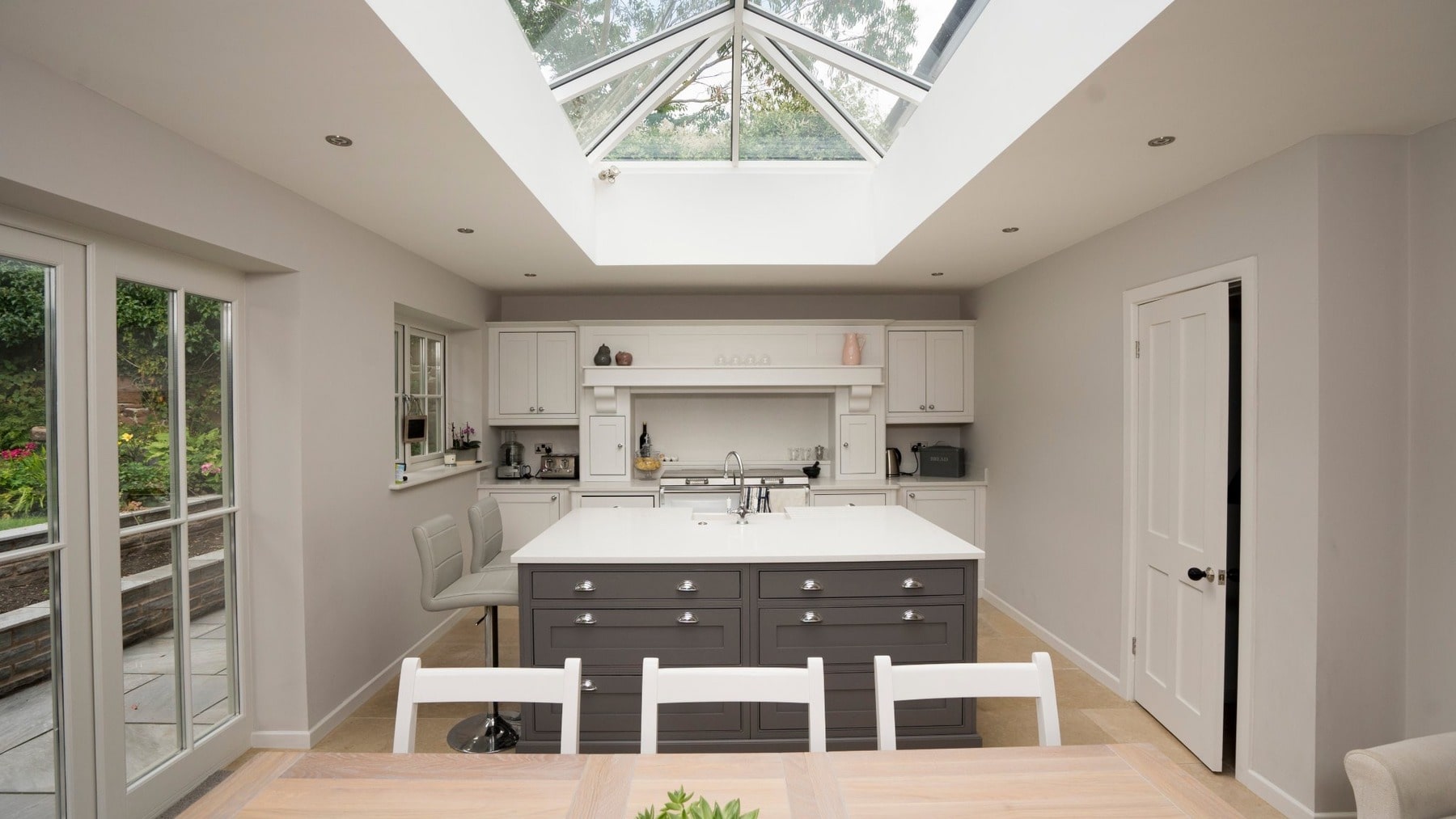
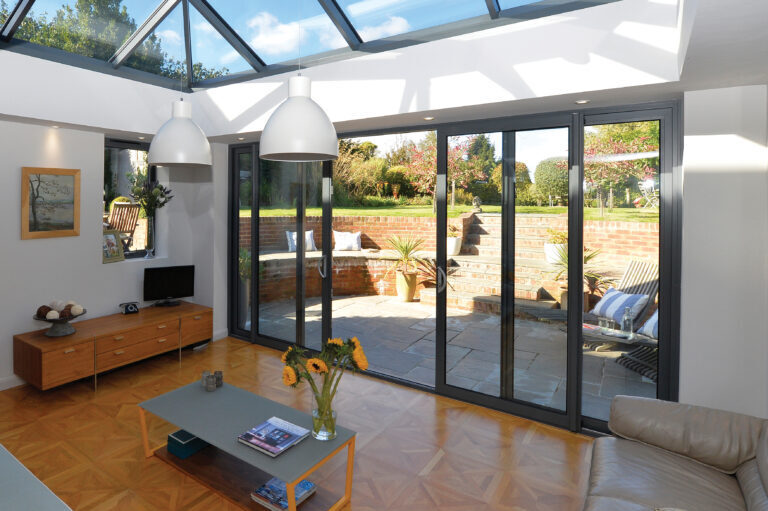
Aluminium windows bring minimal, clean designs that suit modern, contemporary homes. Their slim sightlines let in more light and create larger areas of glass, bringing a sense of openness to any space. This especially complements properties like new builds and luxury extensions that thrive on natural light.
Apart from style, aluminium windows are also built for durability. With the proper care, high-quality aluminium frames can last 40–45 years or more. They’re fantastic for resisting corrosion, fading and warping, so make an excellent choice in more challenging weather conditions such as in coastal areas.
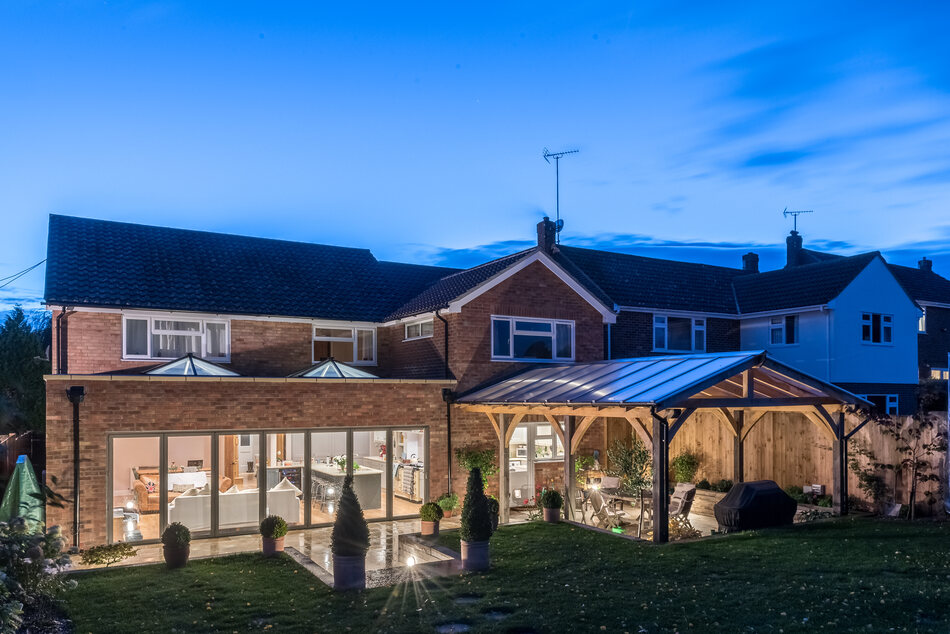
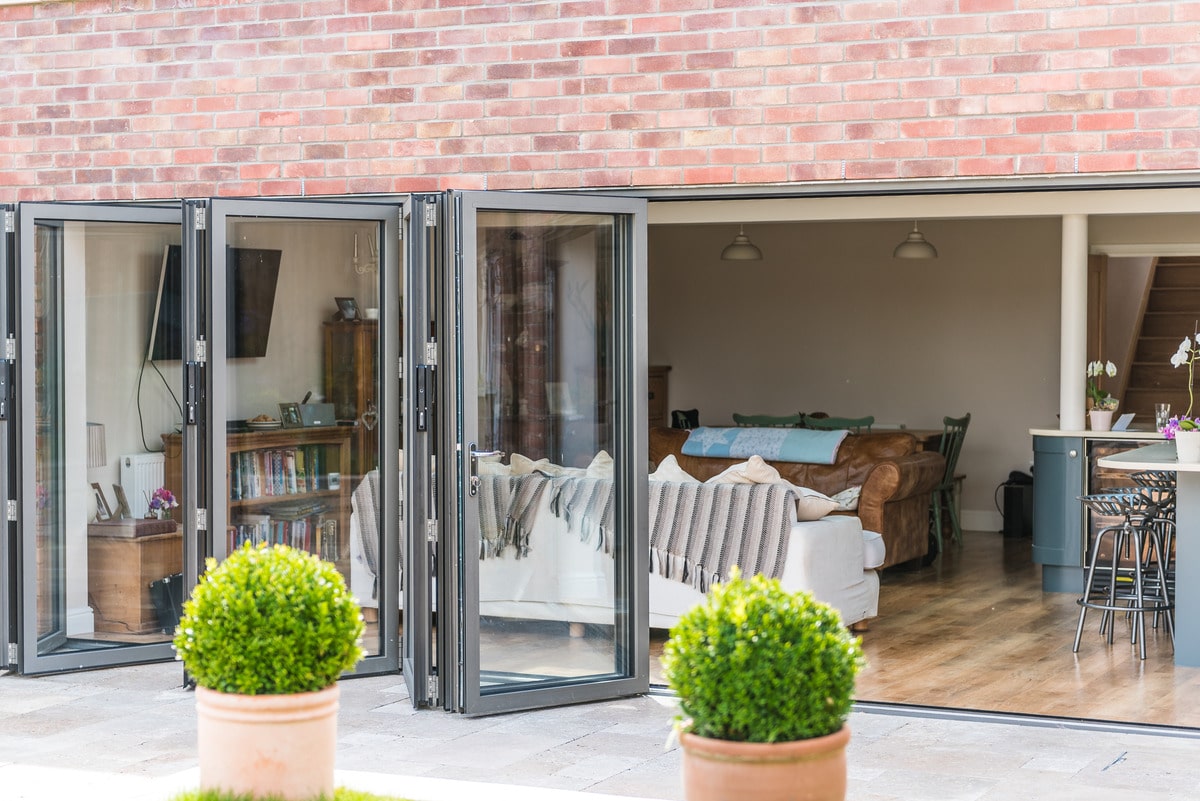
Another key advantage of aluminium window frames is their strength. The metal’s rigidity holds large panes of glass, allowing for precise designs without compromising on key concerns like stability or security. They’re ideal for statement pieces, including larger spans and floor-to-ceiling designs.
You can also put your unique stamp on aluminium window finishes. New windows can be powder-coated in hundreds of RAL colours, including dual finishes for your bespoke homeowner design. It’s also one of the most sustainable types of window, fully recyclable without loss of quality.
When to Choose uPVC Windows

Meanwhile, uPVC is a solid choice for other reasons. For one, it’s usually cheaper than aluminium – up to 20-30% less. For this reason alone, it’s attractive for DIY projects or those with tighter budgets.
uPVC window frames also bring quality thermal performance. The material’s insulation and profiles typically achieve A+ or even A++ energy ratings. This thermal efficiency helps keep heating bills down while maintaining a comfortable temperature indoors.
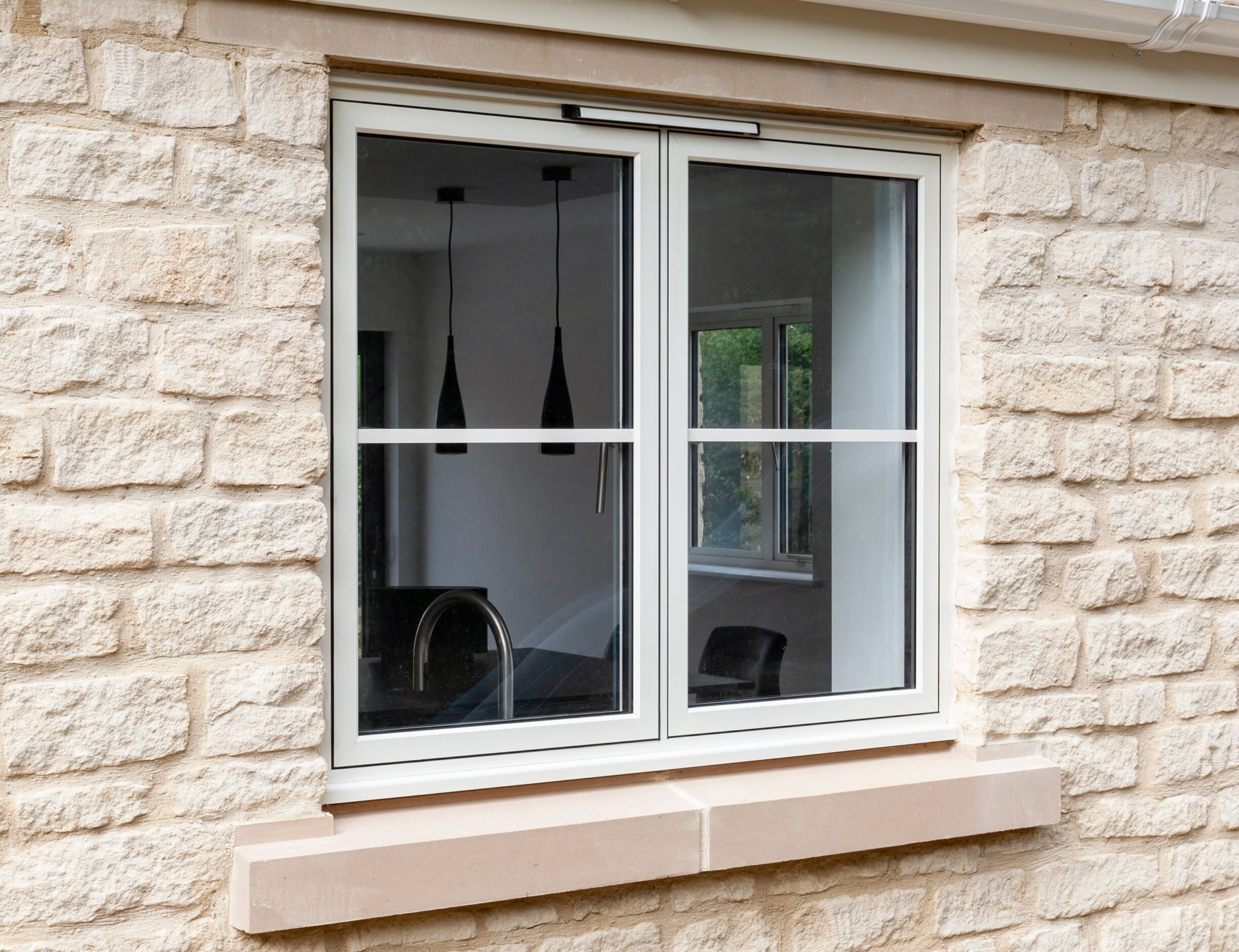
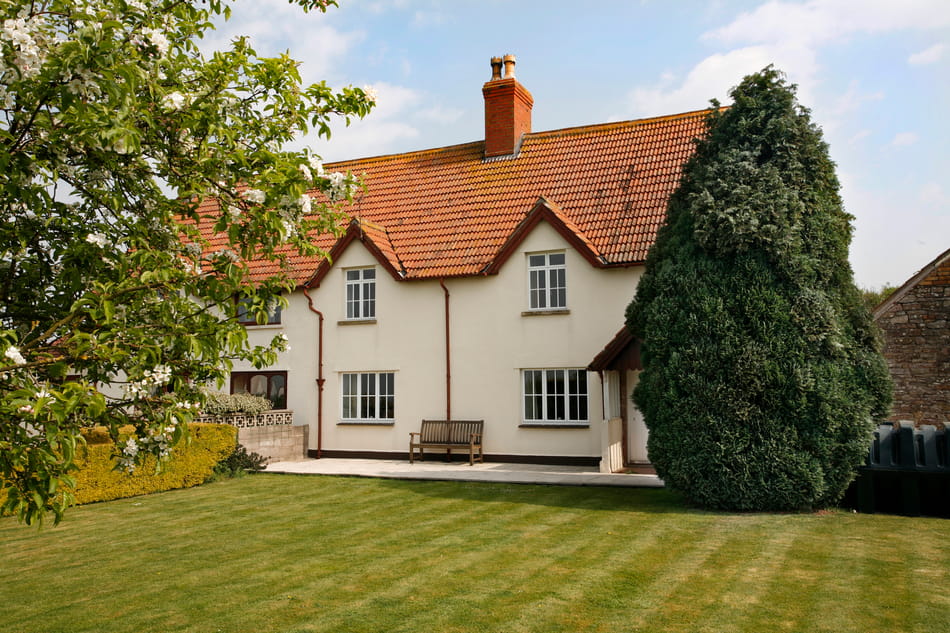
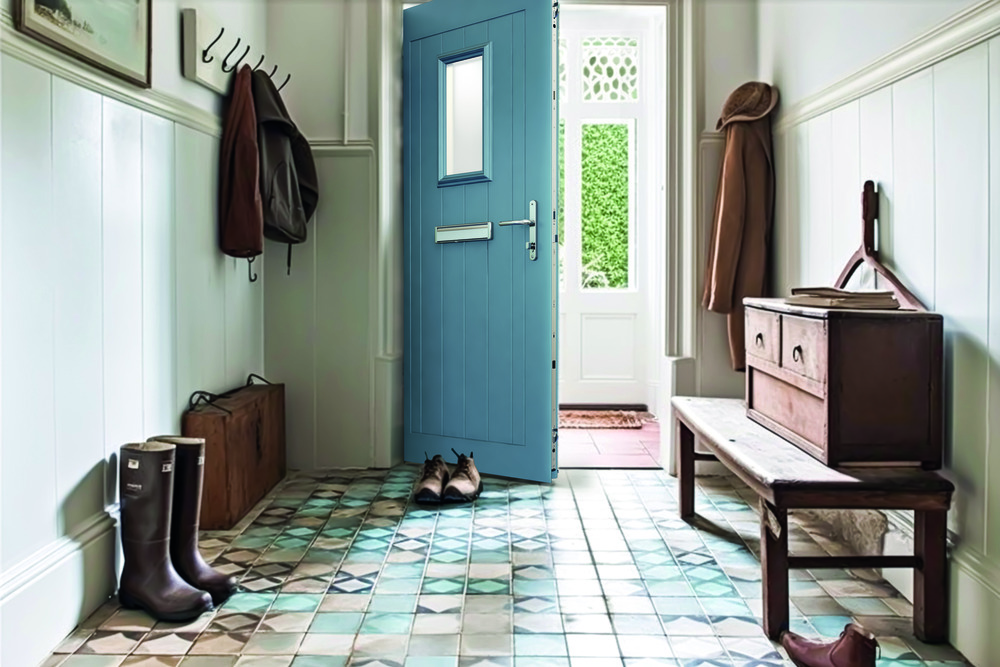
Similar to aluminium, uPVC windows come in a wide range of colours and finishes. This can include woodgrain effects that suit period or heritage window styles. Designs such as flush sash and traditional casements can also work well in period properties.
Finally, while not as long-lasting as aluminium windows, uPVC frames are still made from durable materials that are weather resistant. If you invest in the right windows, uPVC can last 20-30 years.
Cost Comparison: uPVC vs Aluminium Windows
The first concern for many homeowners is the cost difference between uPVC vs aluminium windows. As an indicative average price:
- uPVC windows cost between £250 and £400 each
- Aluminium windows cost between £350 and £600 each.
As this tells us, aluminium windows can be around 20–40% more expensive in upfront costs.
However, aluminium’s long lifespan makes it a popular choice as a long-term investment. This is because uPVC typically has a lifespan of 20–30 years, while aluminium often exceeds 40–45 years, with reduced replacements and maintenance making up for the higher initial price.
Lifespan & Durability
Both uPVC and aluminium windows are known for their ease of maintenance and durability. But in the long run, they’re not built the same. In general:
- Aluminium windows last 40–45 years or longer
- uPVC windows generally last 20–30 years, with some reaching 35.
There are also quality concerns to consider. Over time, uPVC frames can discolour, warp or become brittle. This is particularly true with any prolonged sunlight or extreme temperature changes.
On the other hand, aluminium windows resist corrosion, fading and structural wear. Powder-coated finishes can retain their colour for decades. Combined with their longer lifespan, this makes aluminium windows the best option for long lasting home improvements.
Energy Efficiency
Energy efficiency is also another part of the investment puzzle. Over time, uPVC has traditionally been seen as the better insulator. Its structure effectively traps air, keeping heat inside and reducing drafts. This is why many uPVC systems can reach fantastic A+ or A++ energy ratings.
While traditional designs did not offer the same levels of energy efficiency, modern aluminium technology can offer similarly high thermal performance. With cutting edge thermal breaks, advanced seals and materials such as Aerogel, aluminium windows can deliver U-values as low as 1.4 W/m²K – competitive against even the best uPVC window styles.
The result is that both uPVC and aluminium windows offer strong thermal performance. And in practice, factors like double or triple glazing, glass pane and installation quality make as much difference as the frames. So, if you want an eco-friendly choice that helps keep energy bills down, both aluminium and uPVC are great options.
Design & Style Options
While cost, longevity and efficiency are important, your windows also need to look good. And both uPVC and aluminium windows come in a selection of styles that suit certain home designs.
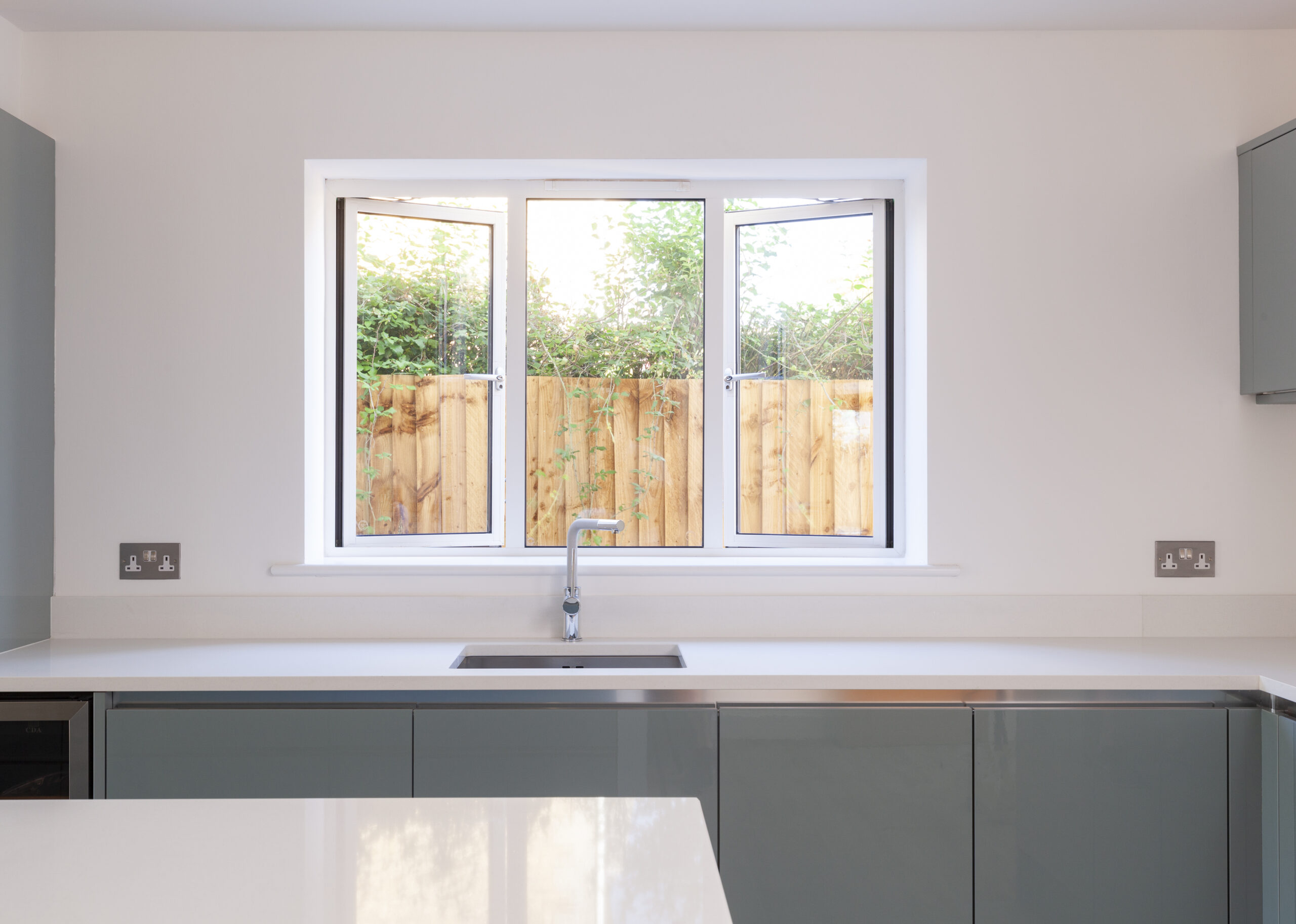
For example, uPVC windows are available in a wide range of colours. You can choose from woodgrain finishes that suit period homes, traditional builds and projects with more limited budgets. As for styles, uPVC frames tend to be chunkier than aluminium, bringing a more classical appearance.
Meanwhile, aluminium frames have a sleek, minimal profile. The slim lines expand your glass area to help bring maximum daylight into your home. You can also choose from over 200 RAL colours, as well as dual colour options, letting you create bold contrasts or subtle combinations that match your exact interior and exterior styles.
Security & Maintenance
Finally, you also need your windows to be as secure and hassle-free as possible. Both aluminium and uPVC windows support advanced locking mechanisms and multi-point locking systems that bring strong security to your home.
As standard, uPVC is low maintenance. It’s secure when installed with quality fittings, while frames need only simple cleaning with soapy water and occasional checks of seals and hinges.
Aluminium is similarly straightforward to maintain – but also offers greater strength. The rigidity of the material resists impact and makes it difficult to deform under force, ideal for home security and longevity. Based on this, aluminium edges uPVC in the long term.
Which Is Better Aluminium or uPVC Windows? – Choosing the Right Option
Overall, there is no simple answer to the aluminium vs uPVC windows debate. However, there are a few key factors that may make your decision easier. It all depends on your priorities.
You might choose aluminium windows if you:
- Want a modern, premium appearance
- Value the best possible longevity, strength and sustainability
- Prefer slim sightlines and large glazed areas that allow more natural daylight inside.
On the other hand, you might choose uPVC windows if you:
- Are working within a set budget
- Have a simple setup without the need for customisation
- Prefer a classic look with minimal upkeep.
The Best Windows for Your Home
Both uPVC and aluminium windows are reliable, durable, efficient options. But the best choice for you is the one that fits your home’s design and long-term plans.
In general, uPVC suits projects in heritage homes or with tighter budgets. Meanwhile, aluminium windows may cost more upfront – but more than make up for that in longevity, modern design and performance, providing a high-quality option with enduring value.
Explore the Atlas Aluminium windows range to see how our designs can bring your ambitions to life. Contact us today to begin your home design project.
UPVC vs Aluminium Windows FAQs
Are aluminium windows better than uPVC?
Although aluminium windows generally cost more than uPVC, they bring several important advantages. Made from a stronger material, aluminium frames can last around 20 years longer than uPVC. They also provide slimmer frames which let more daylight inside your home. As such, the aluminium windows vs uPVC decision generally comes down to budget, longevity and design.
Which is more energy-efficient?
Both aluminium and uPVC windows can achieve excellent efficiency. uPVC has natural insulation, while modern aluminium systems include advanced thermal breaks. Your exact energy rating will also depend on factors like triple or double glazing and fitter quality.
Can you get different coloured uPVC and aluminium windows?
Both uPVC and aluminium windows come in a wide range of colours. Aluminium can be powder-coated in over 200 shades, and uPVC is available in a variety of colours and woodgrain finishes.
Are aluminium windows worth the extra cost?
Despite the generally higher upfront cost, the lifespan, strength and design benefits of aluminium windows make them a worthwhile long-term investment compared to uPVC. This value mindset is usually the key to deciding whether to buy uPVC windows vs aluminium.