Thinking about upgrading your home with a modern conservatory? Before you even consider the style, size, shape or how it’s used, there are also legal considerations. So, when does a conservatory need planning permission? Our complete UK guide will show you what you need and how the rules vary throughout different regions.
Why Planning Permission?
Homeowners may need to check whether or not they need planning permission. This comes from your local planning authority, based on your project outlines. As a general rule, it doesn’t affect interior upgrades, exterior painting, planting trees or repairing your home.
What it can affect is large external changes, such as:
- Extensions, including dormer windows and gardens
- Outbuildings such as summer houses or sheds
- Boundary fences or walls
- Building a garage
- Installing wind turbines.
In most cases, conservatories don’t need planning permission. They will need ‘Permitted Development’, which has its own set of rules. These vary across England, Wales and Scotland.
This guide will cover everything you need to know about planning permission for a conservatory, including size limits, boundary rules and extensions. We’ll also show you our range of aluminium-led solutions, giving you a full scope of glazing and roof material options.
What Counts as a Conservatory?
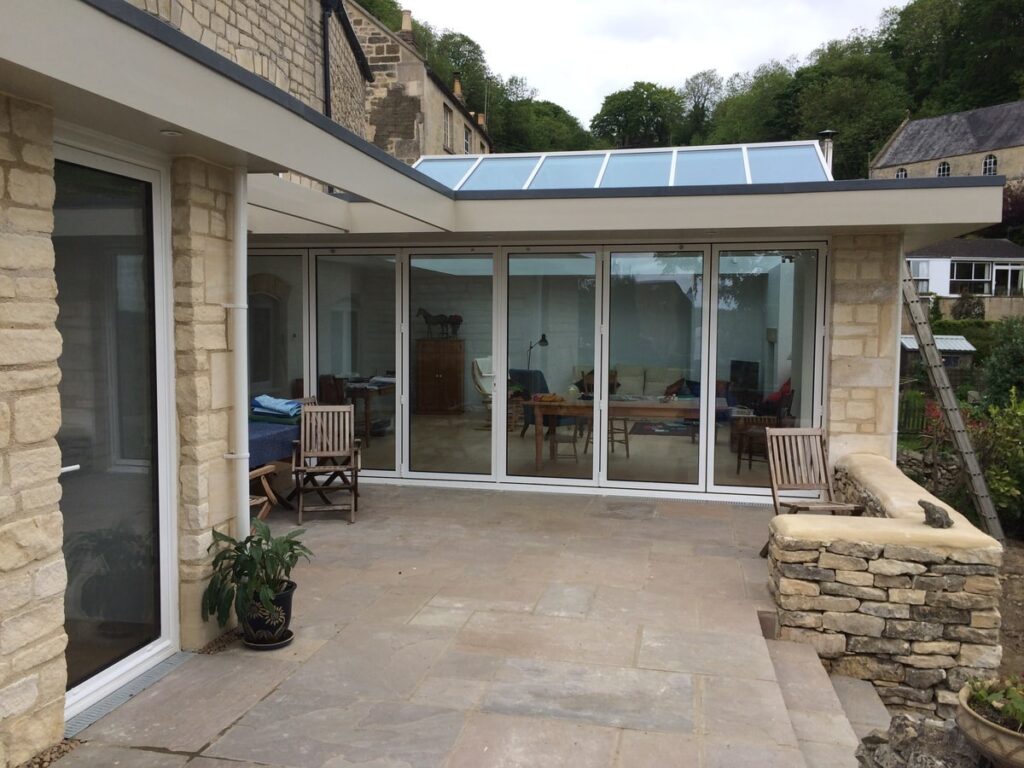
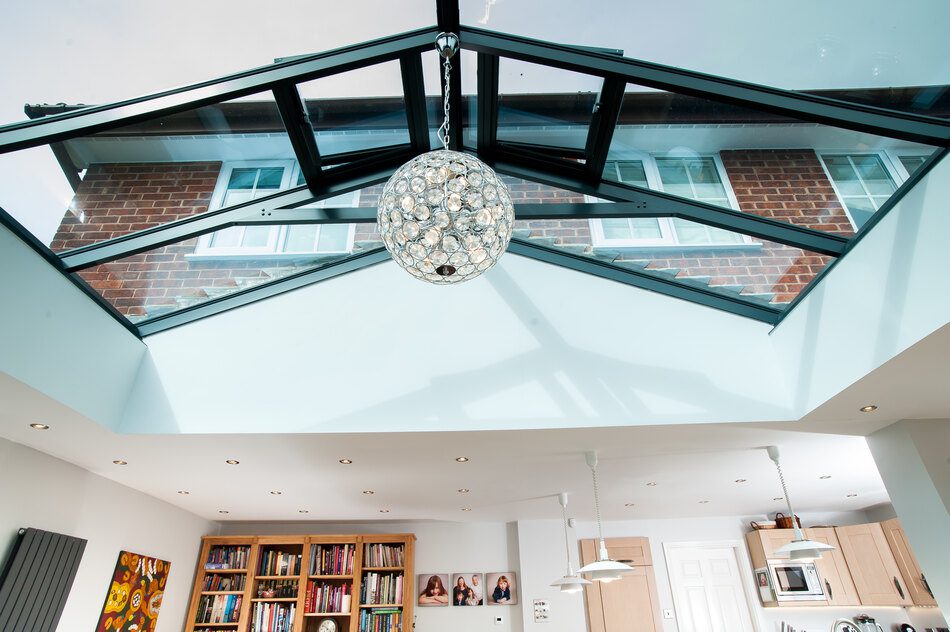
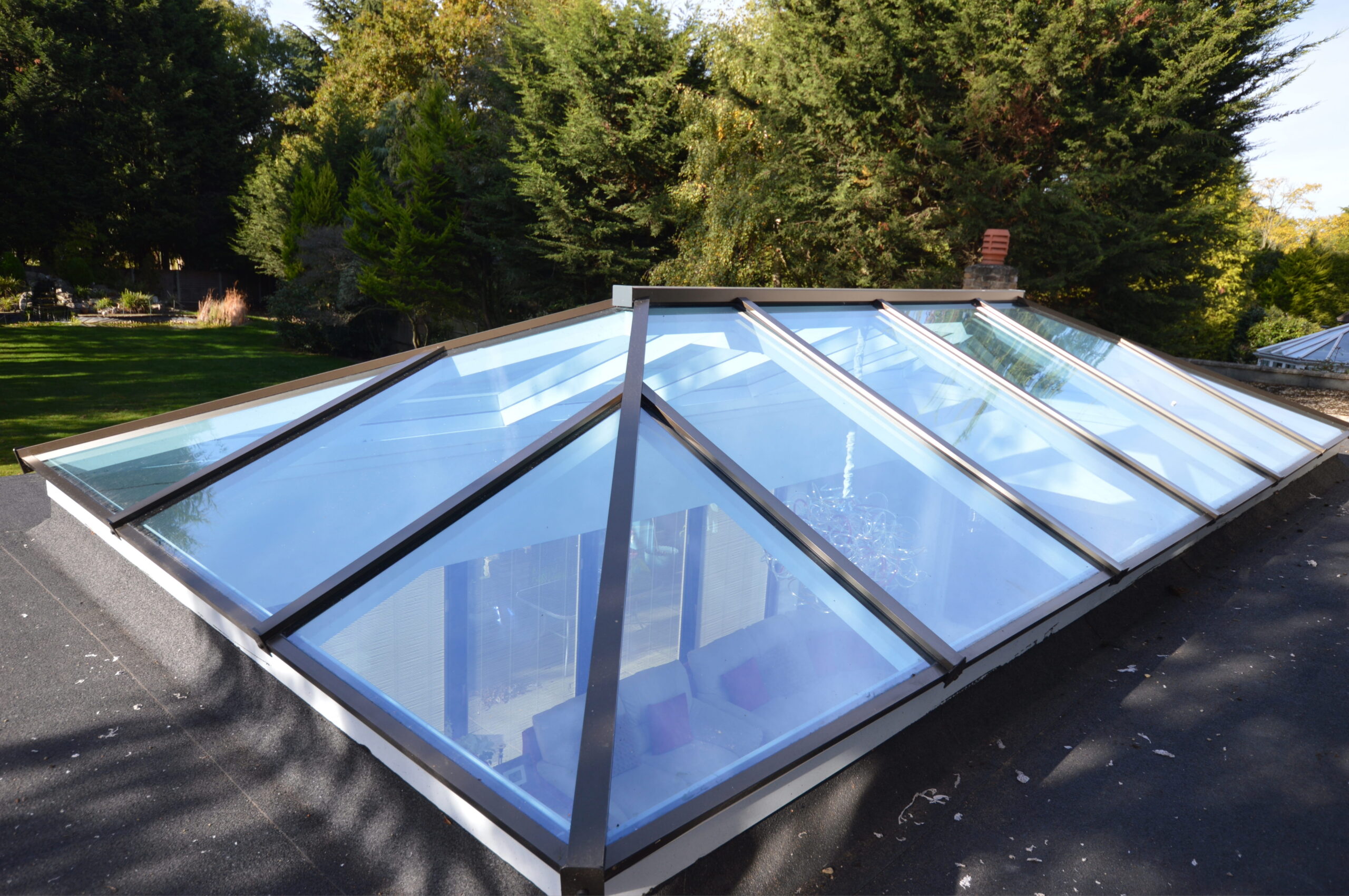
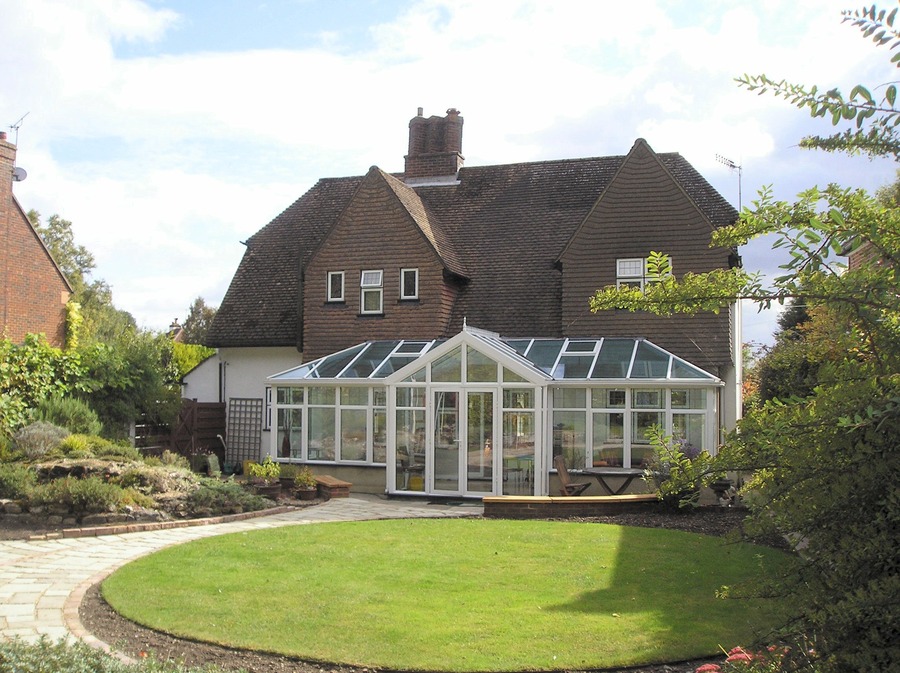
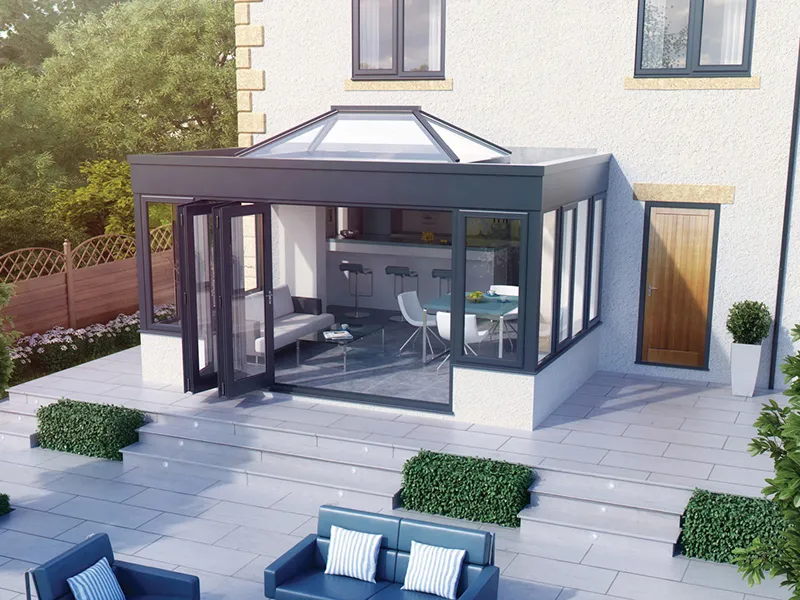
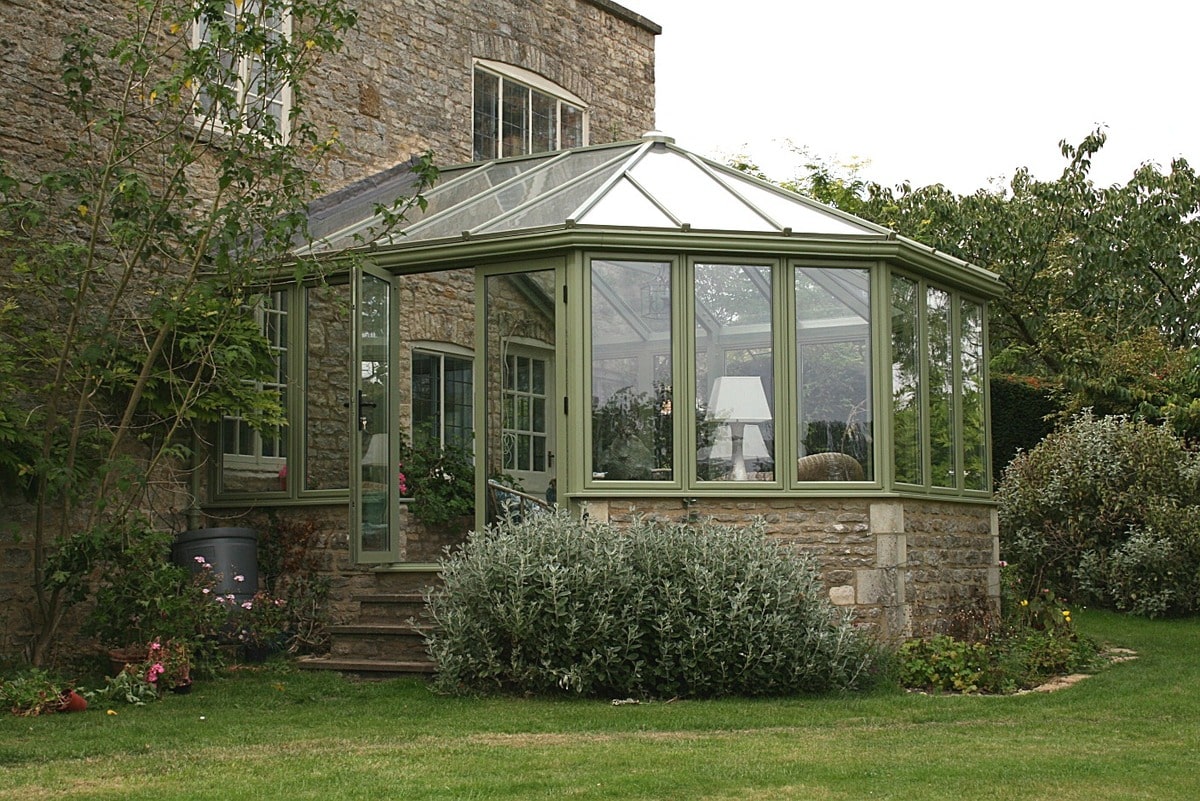
From a planning perspective, there are two key components of a conservatory. At least 50% of the walls must be glazed, while at least 75% must be translucent. This includes roof lanterns, or roofs made from glass or polycarbonate.
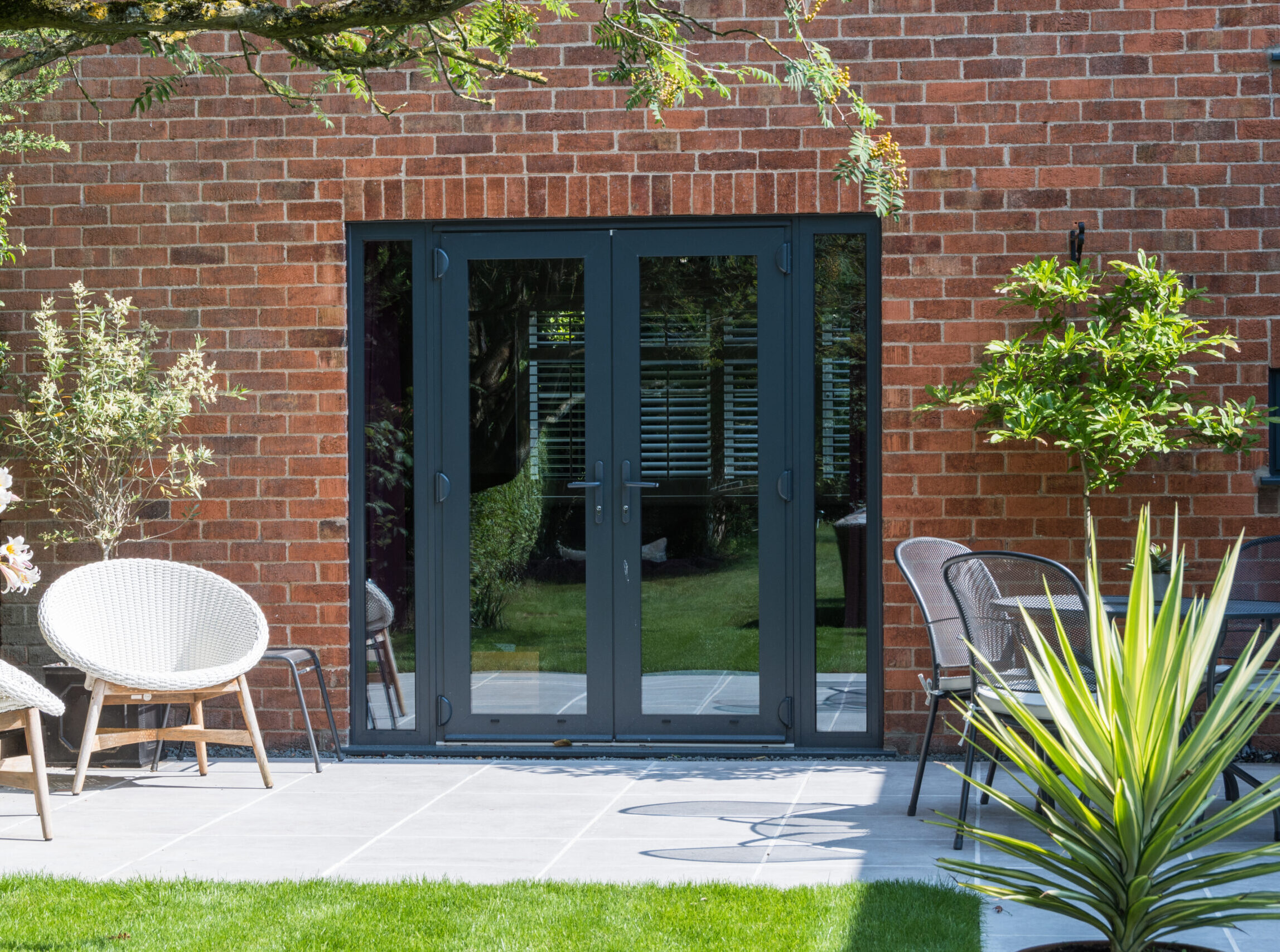
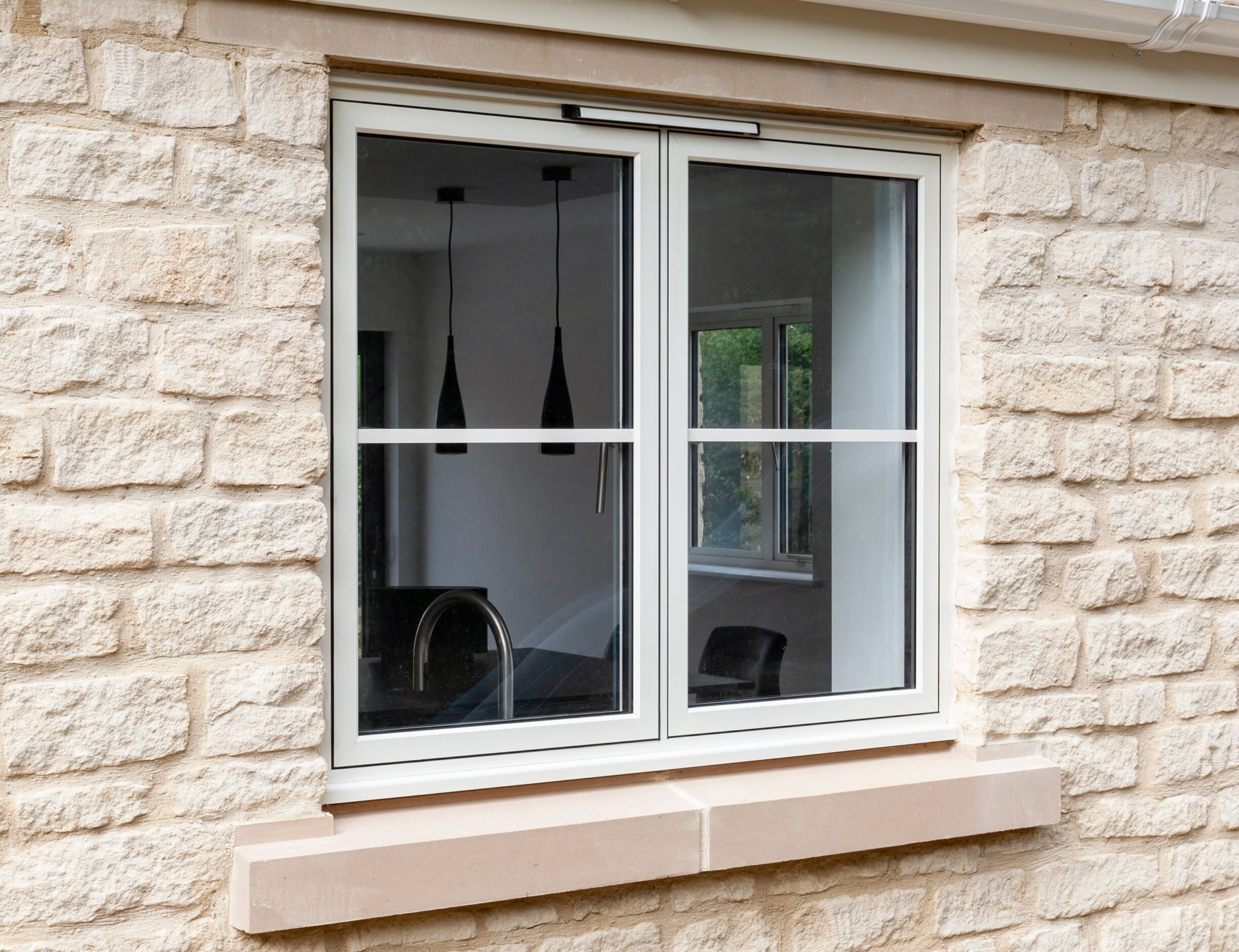
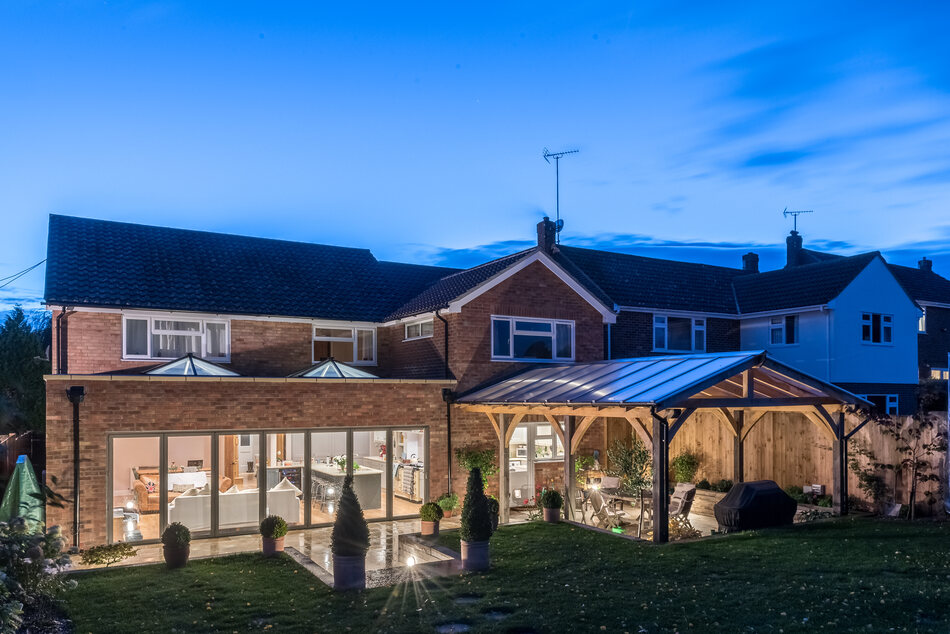
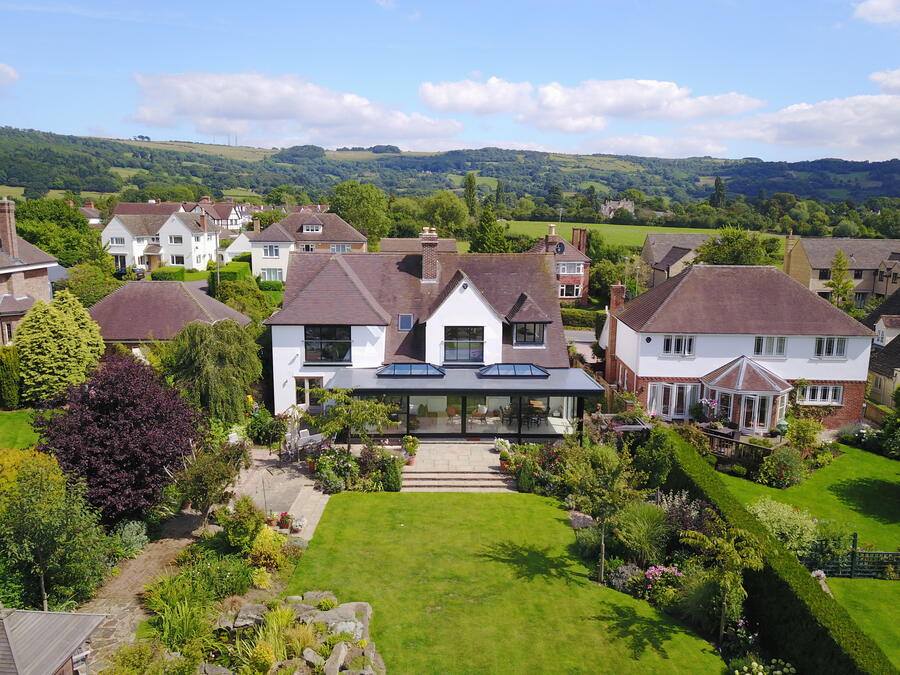
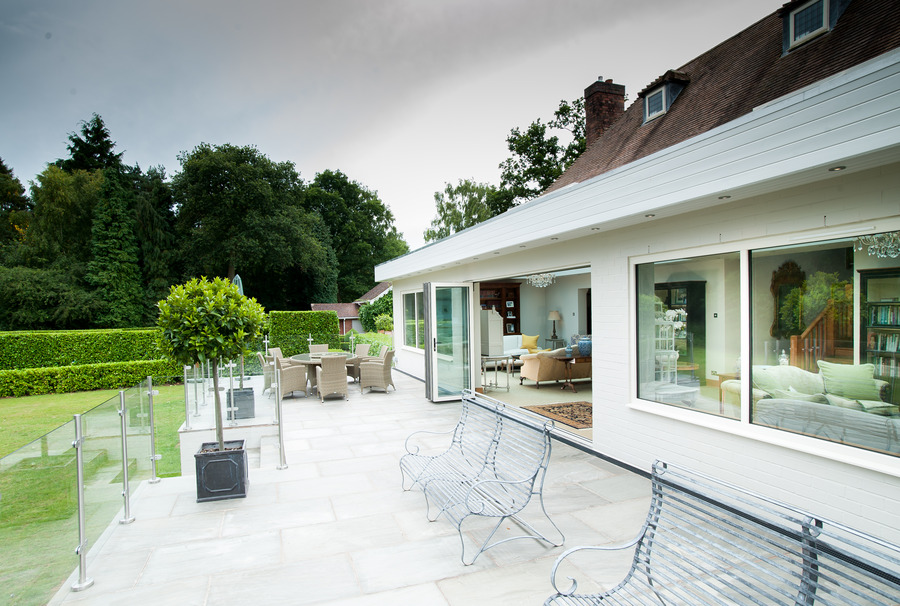
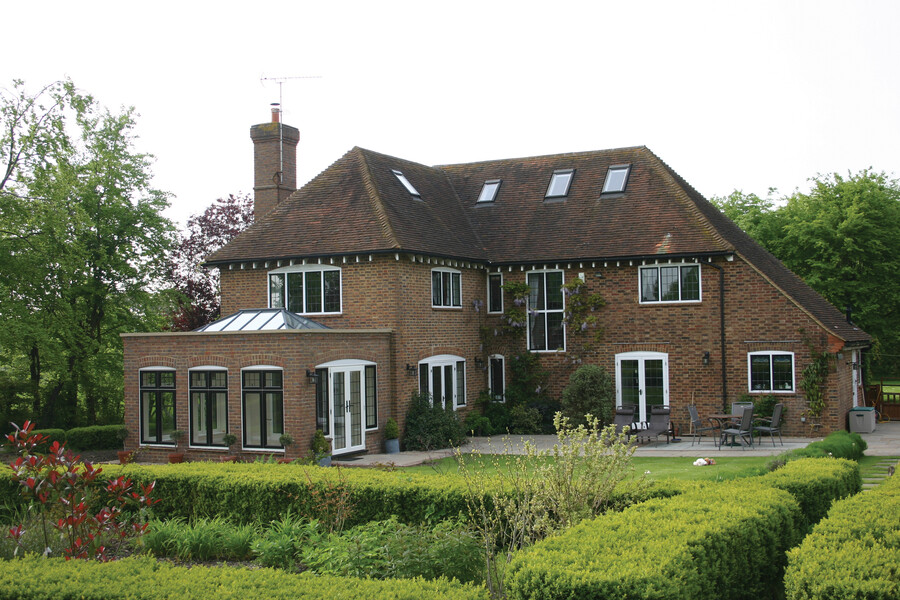
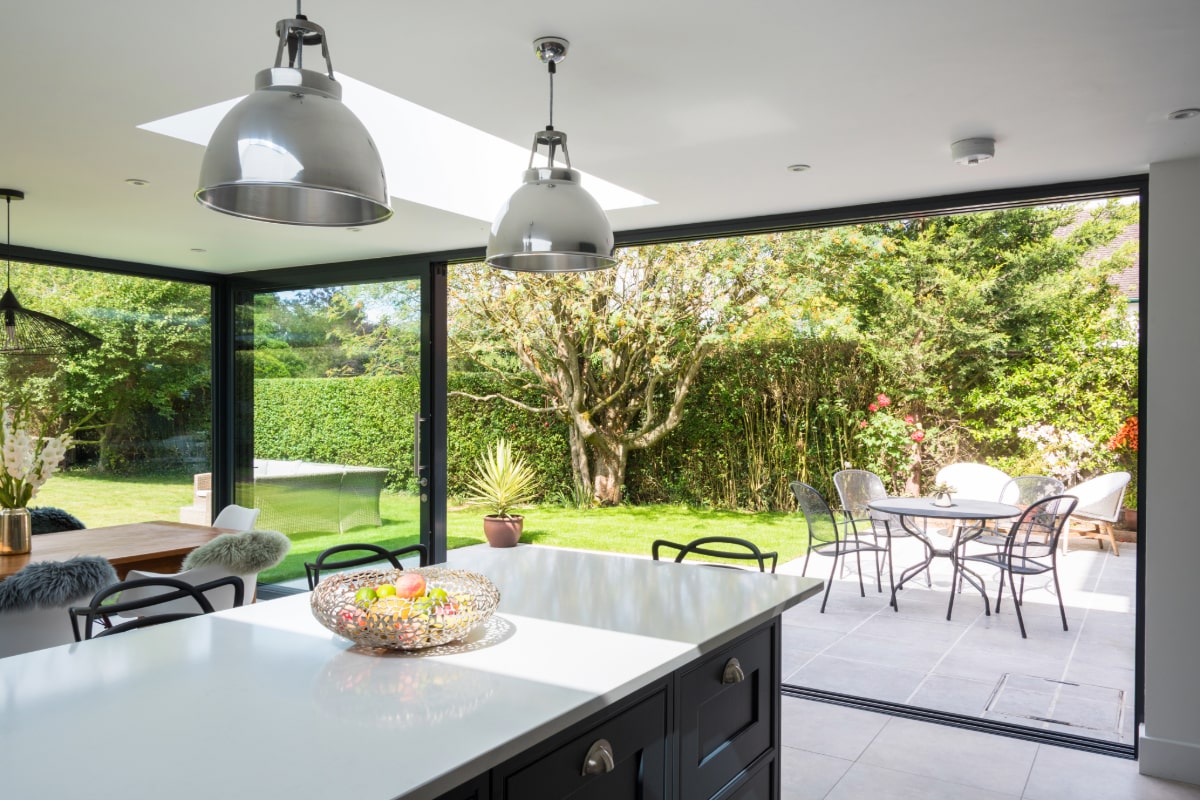
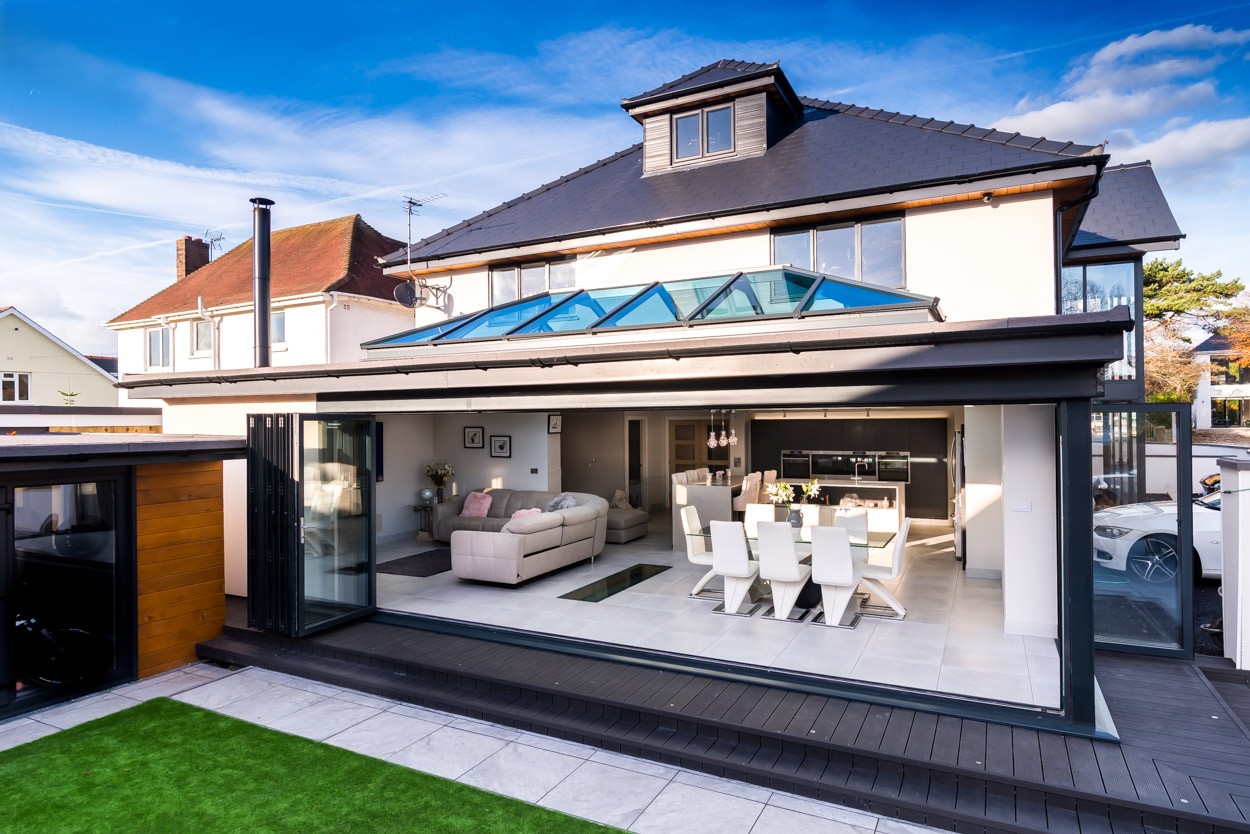
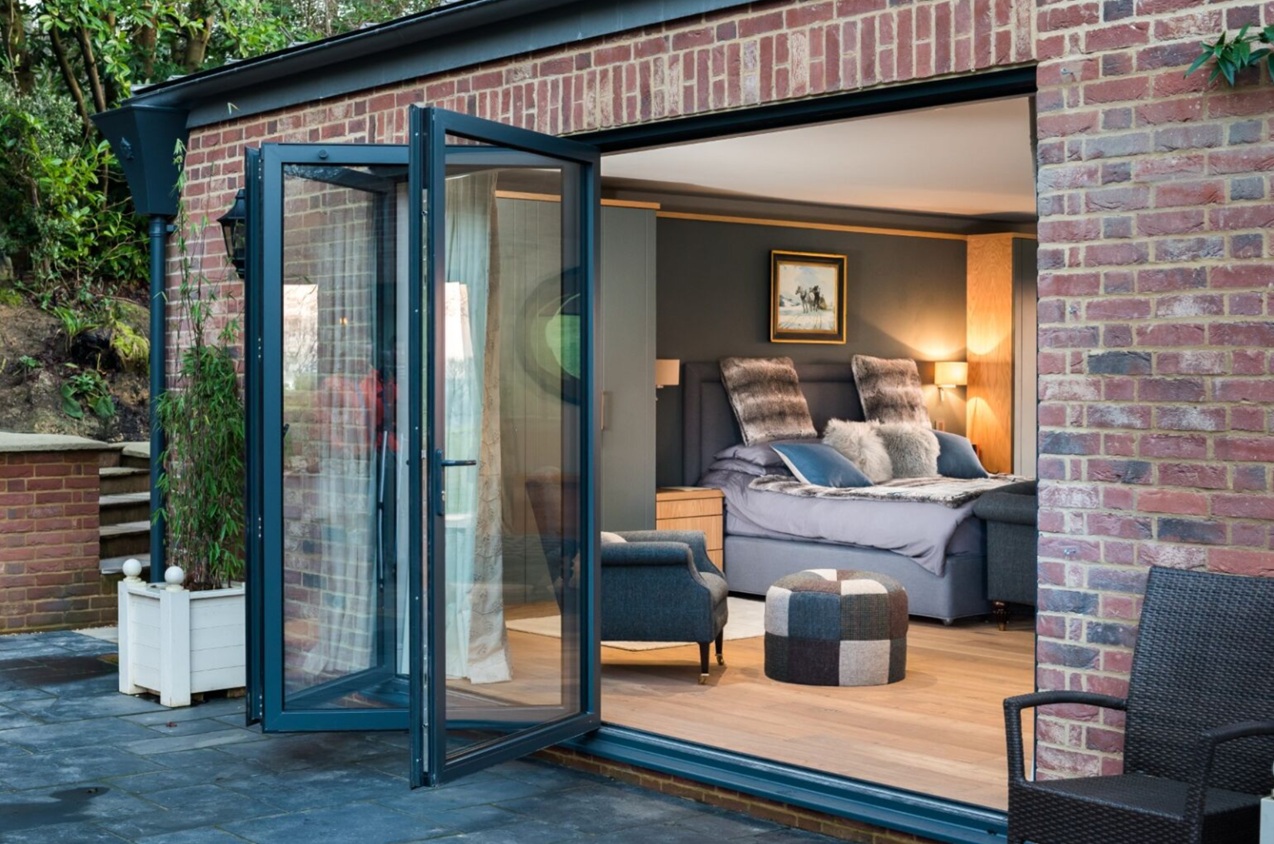
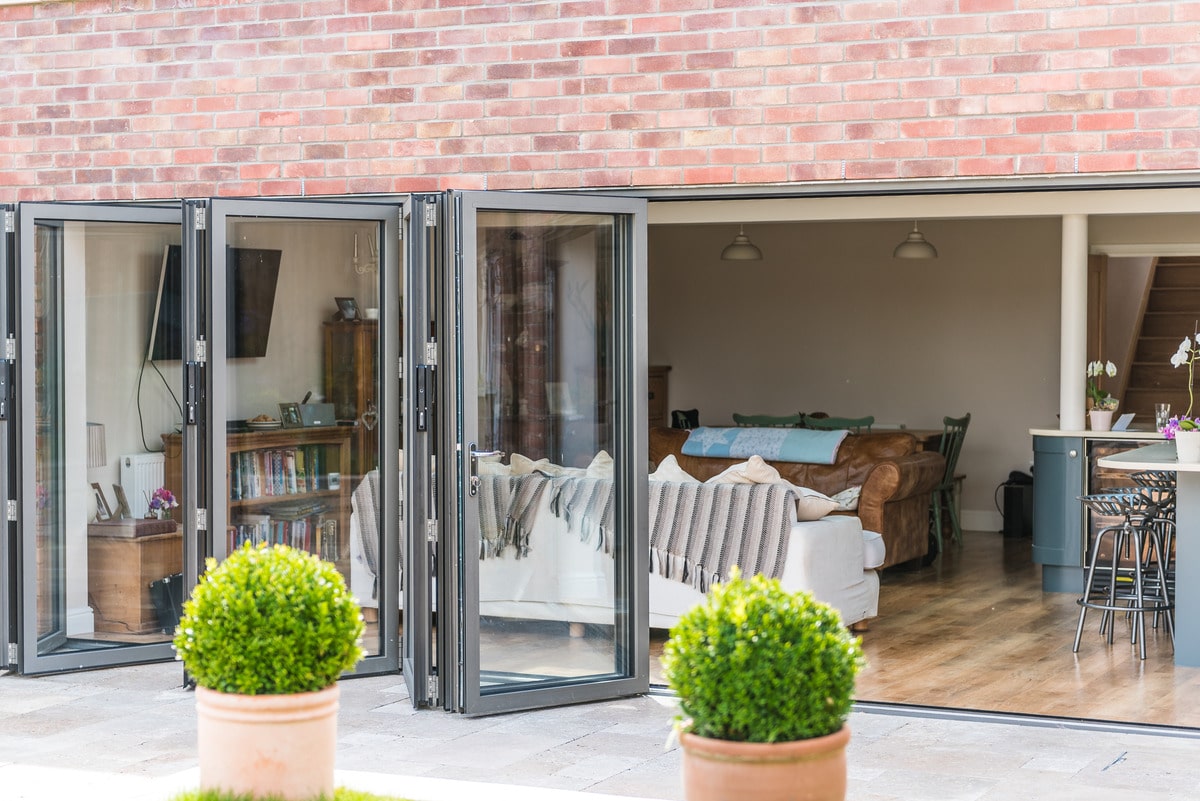
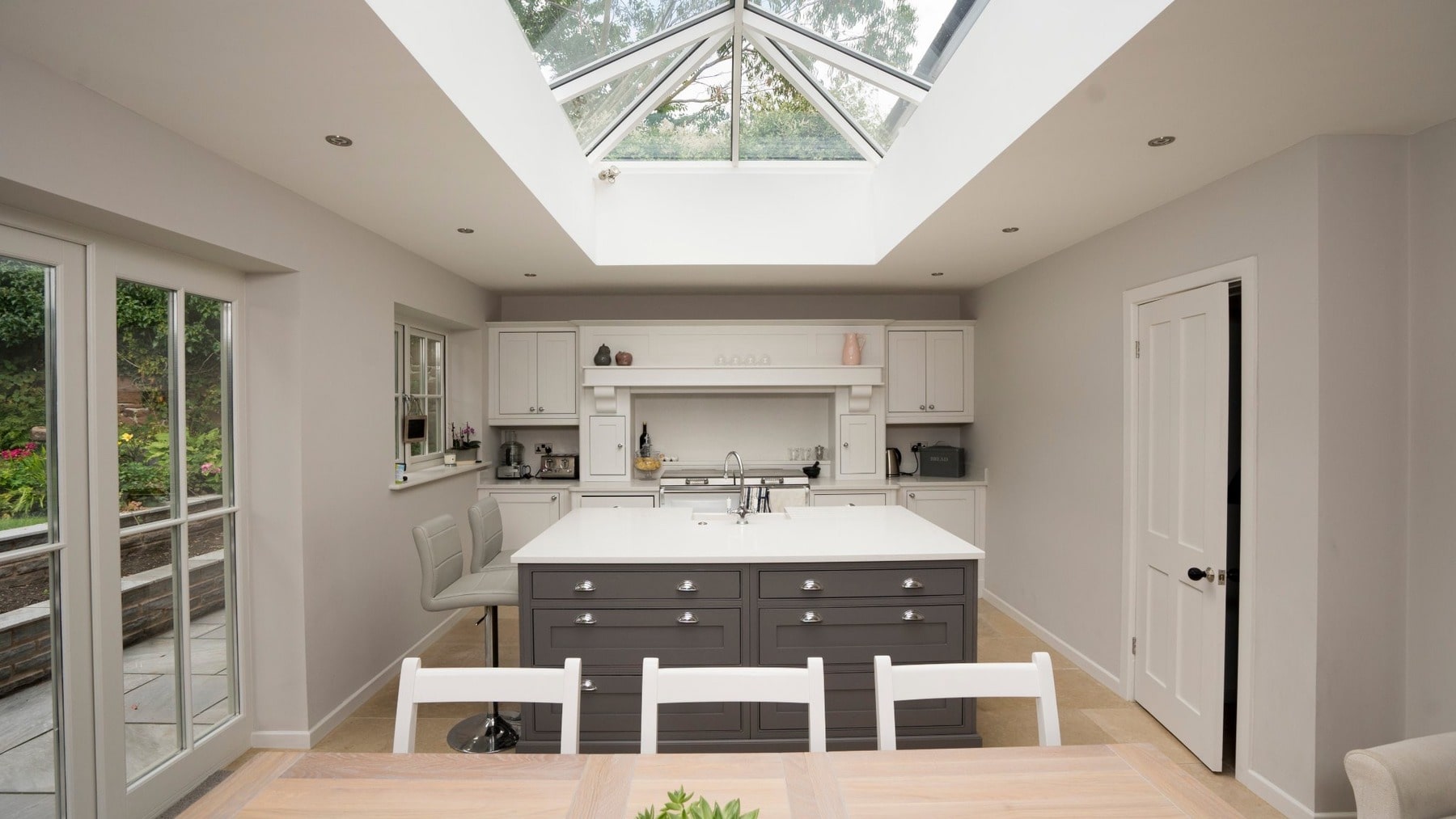
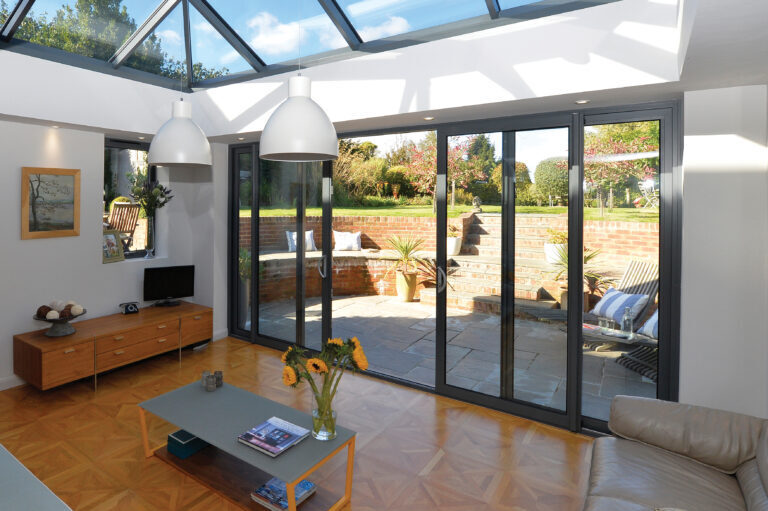
With Atlas, you can choose from a vast selection of modern conservatory or orangery designs. These include lantern roofs, bifold doors and slimline windows – adding a contemporary touch to your home.
Do I Need Planning Permission for a Conservatory?
Generally, you won’t need planning permission in the UK if you’re building a conservatory. What you will need to do is meet the Permitted Development criteria.
These criteria mainly affect properties in England and Wales, while the rules vary slightly for Scotland. They apply to the conservatory’s size, height, position and percentage of garden covered.
Permitted Development Rules: England
You won’t need planning permission for a conservatory in England if you meet the following conditions:
Location and Size Limits
- Maximum height: 4m
- Maximum garden/land coverage: 50%
- Must not extend beyond existing roof height
- Must not extend beyond the rear wall by more than 3m (or 4m for detached houses).
Boundary Rules
- Extensions to the side of the house should be single-storey only
- They must be no more than half the width of the house
- The conservatory cannot be within 2m of the boundary if the roof overhang exceeds 3m.
Materials and Appearance
- The materials used must be ‘similar in appearance’ to the main house
- Aluminium conservatories work well here, providing a high-quality aesthetic that blends with many designs.
Roof Rules
- Roof lanterns or flat glass rooflights are permitted as long as they meet the height restrictions above
- Any roof lanterns must not extend more than 150mm above existing roof panes.
Permitted Development Rules: Wales
The Permitted Development Rules in Wales are largely similar to England. Extensions must be no more than 4m high, and cannot exceed half the garden/land space. The same applies to boundaries and roof overhangs.
One key difference is that conservatories must not extend beyond the rear wall by more than 3m, regardless of property type. If your project is unusual or complex, it’s best to check with your local planning authority.
Permitted Development Rules: Scotland
In Scotland, the Permitted Development rules have significant differences. You won’t need planning permission for a conservatory in Scotland if it:
- Has a maximum height of 4m
- Is at the rear of the house
- Does not extend more than 4m beyond the rear wall
- Is not within 1m of the boundary (if over 3m high)
- Has less than 30m² floor space.
If you’re extending a listed building or planning in a conservation area, there will be additional restrictions. Always speak to your local planning authority if you’re not sure.
How Big Can a Conservatory Be Without Planning Permission?
If you’re looking to build a conservatory without planning permission, the maximum size will depend on where and what type the property is:
- England: 3m projection in a semi/terraced or 4m for a detached
- Scotland: up to 4m projection but no larger than a 30m² area
- Wales: 3m projection
In England and Wales, the conservatory can take up no more than 50% of garden space.
Did you know that many aluminium conservatories and orangeries feel bigger than they are? This is thanks to slimmer frames, which maximise the glass space.
Do I Need Planning Permission for a Conservatory If I Already Have an Extension?
If you already have an extension, then any measurements you make must start from the original house – not the extended area. After this, the same Permitted Development rules apply across all extensions.
Be mindful that a conservatory on an extension may go beyond the Permitted Development limits. You can still build a conservatory, but it may be subject to planning permission.
How Close Can a Conservatory Be to a Boundary?
The rules for how close your conservatory can be to a boundary depend on where you live. In England and Wales, it cannot be within 2m of the boundary if the roof overhang (eaves) exceeds 3m. In Scotland, conservatories must not be within 1m of the boundary if they are over 3m in height.
Party Wall
If you share a boundary, you might need to think about the ‘party wall’. This applies if you and your neighbour share part of a building or a garden wall (not a wooden fence). There may be ‘party structures’ if you have a floor or structure that separates two properties.
While this is not the same as planning permission or Building Regulations, you should tell your neighbour if you’re going to cut into a wall or change the foundations. Find out more about the Party Wall etc Act 1996 here.
Do Conservatories Need Building Regulations Approval?
While planning permission relates to the land, Building Regulations relate to the safe, energy-efficient structure of a conservatory. Building Regulations will apply if the conservatory is part of the house, for example, if external walls or doors have been removed.
Your conservatory will be exempt from Building Regulations if:
- It is completely detached or separated from the main house using exterior-quality doors
- Its heating is independent from the main house system
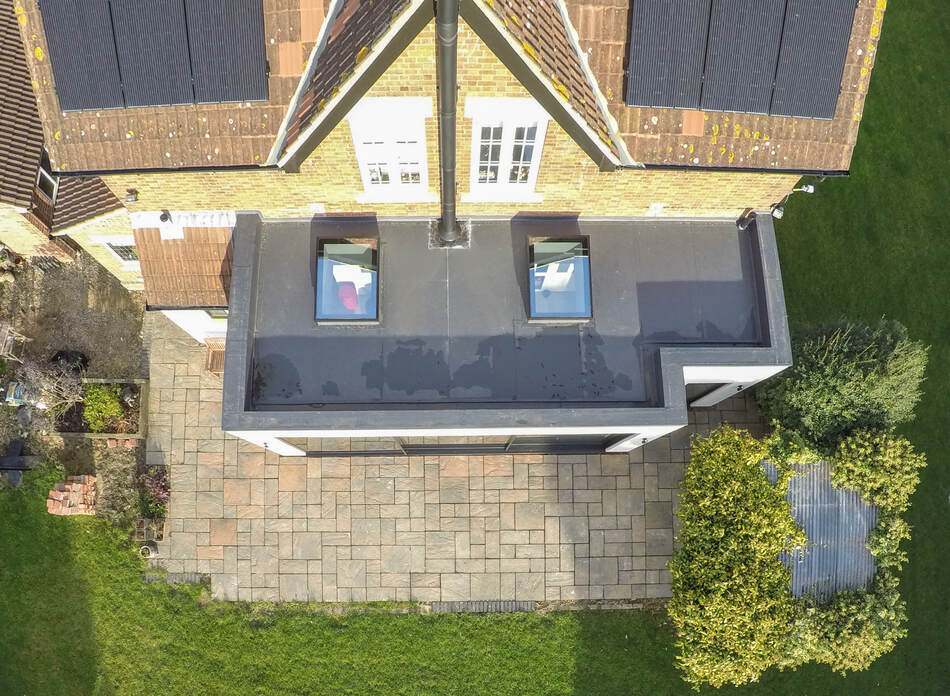
- Its roof is translucent, such as a traditional or modern glass roof lantern
- It has a total floor area of less than 30m².
Contemporary designs for conservatories and orangeries are often attached, integrating with open-plan kitchens and diners. This means you will need to comply with Building Regulations, but there’s no need to panic. All Atlas Aluminium systems are fully compliant with the latest energy efficiency and safety standards.
Why Aluminium Is Ideal for Modern Conservatories
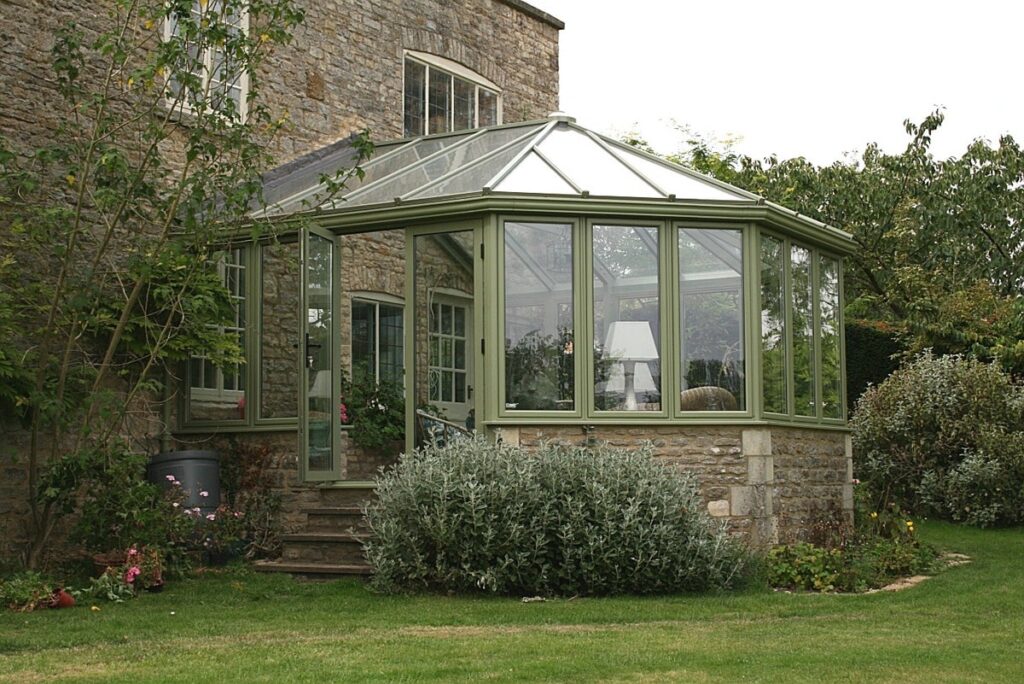
For a compliant, energy-efficient and attractive conservatory, aluminium designs are the way forward.
Slim Sightlines
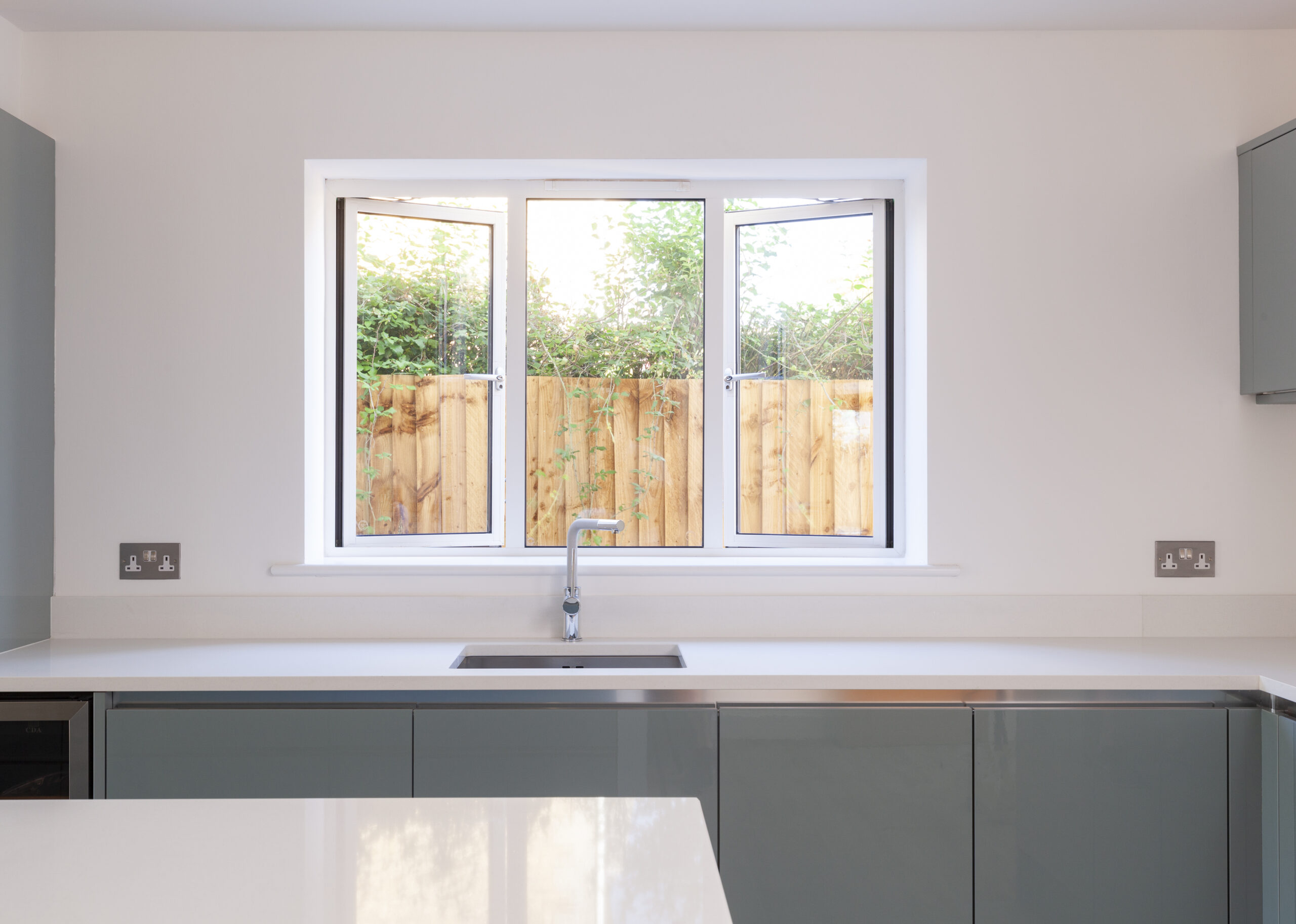
A more compact design allows for maximum glass space, bringing in as much natural light as possible.
Durability
Aluminium is low maintenance and can last for 25 to 30 years. It’s also strong enough to support large roof lanterns, bifold doors or picture windows.
Versatility
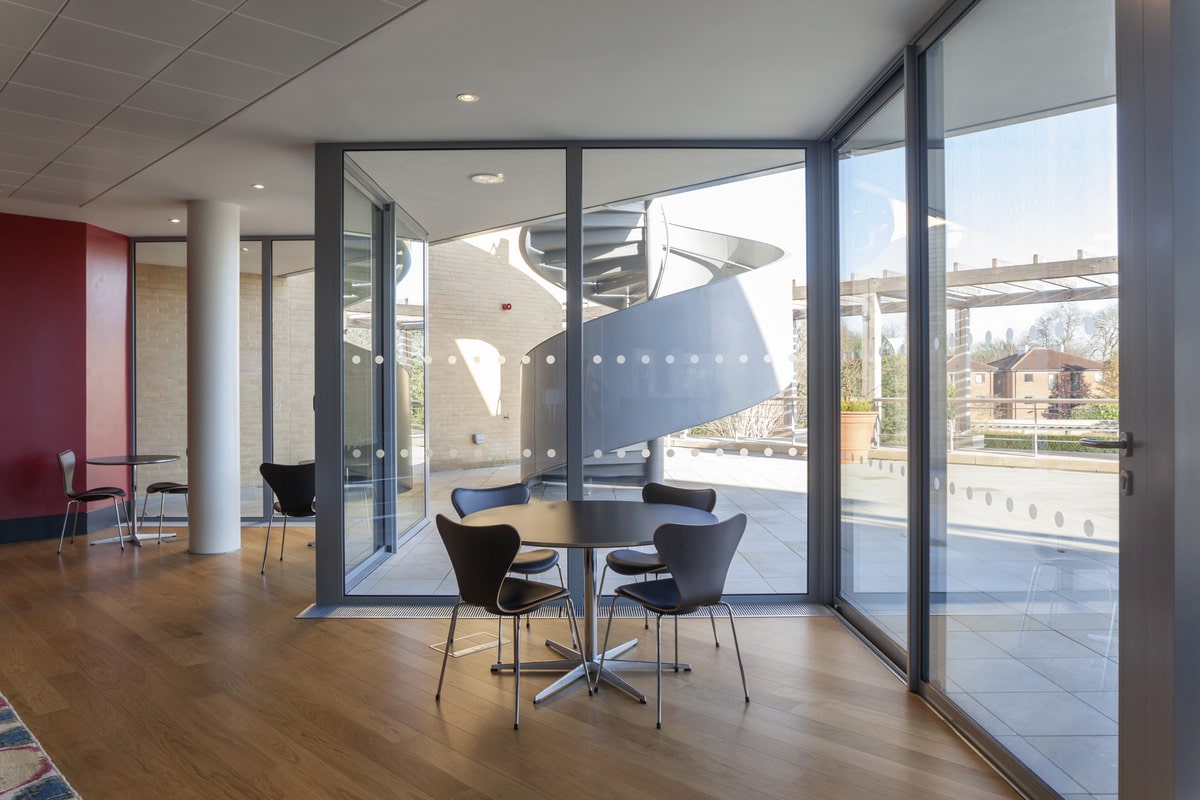
Whether it’s a glazed extension, conservatory or orangery, aluminium provides a beautiful aesthetic.
At Atlas, we’ve got a huge range of trade-supplied aluminium windows, doors, roof lanterns and flat rooflights. Get in touch with us to customise your design, including colours, glazing and more.
FAQs
Do all conservatories need planning permission?
You won’t need planning permission as long as your conservatory meets the requirements of ‘Permitted Development’. This is a set of restrictions on height, size and boundary measures, as well as the conservatory’s overall appearance. The rules vary slightly depending on if you’re in England, Wales or Scotland.
How big can you build a conservatory without planning permission in the UK?
The maximum size for a conservatory without planning permission depends on the property type, and where it’s located. In England, the conservatory must not extend more than 3m beyond the rear wall for semi and terraced homes, or 4m for detached homes.
In Scotland, the limit is 4m for all extensions, but it must not be larger than 30m² in area. In Wales, it is 3m for all property types.
Do I need planning permission for a conservatory on a new-build?
You will not need planning permission for a conservatory on a new-build, providing it meets the Permitted Development rules. However, under the new Building Regulations, conservatories will be subject to stricter rules around energy efficiency and ventilation. Our conservatories are compliant with the latest Building Regulations.
What is the difference between a conservatory and an orangery in planning terms?
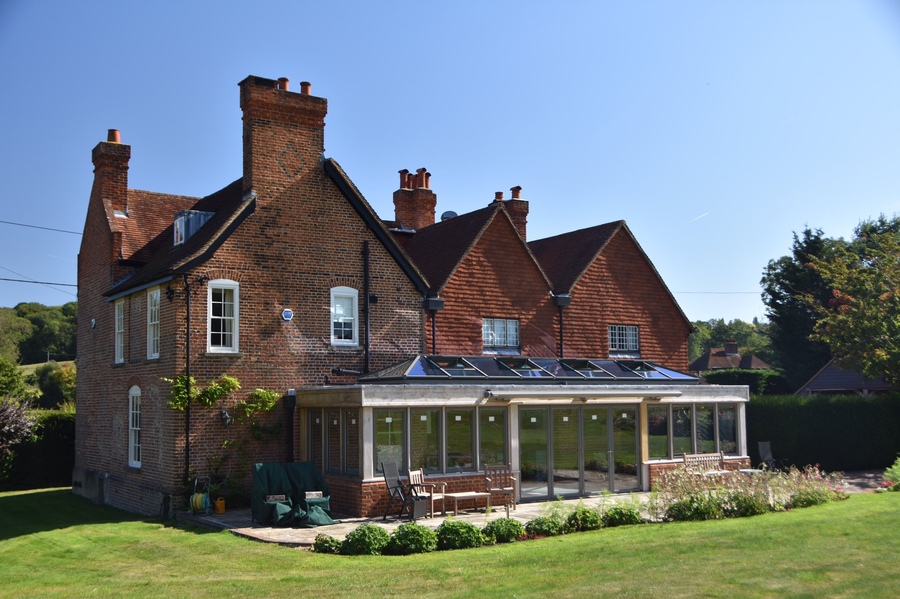
While the definition of a conservatory is to have at least 50% glazing, orangeries comprise more brickwork. An orangery will still be subject to the same rules as conservatories, so you will still need to meet the Permitted Development criteria. This includes using similar materials, so in this case, this could refer to the brickwork.
Can you build a conservatory up to the boundary?
If your conservatory is no more than 3m high, then you can build up to the boundary. You cannot build within 2m of the boundary if the eaves extend beyond 3m.
Does a conservatory add value to your home?
A conservatory can add between 5 to 7% value to your home, but only if it is built well. It should be durable and energy-efficient, particularly if it is to comply with Building Regulations on new-build properties. Our thermal break technology ensures maximum insulation to meet these requirements.
Are aluminium conservatories allowed under Permitted Development?
Aluminium conservatories are allowed under Permitted Development, providing they meet the criteria. This covers location, size limits, boundaries, materials and roof types.
How do roof lanterns affect planning permission?
You can install roof lanterns or flat glass rooflights as long as they comply with the height restrictions set out in the Permitted Development rules. Roof lanterns should not extend more than 150mm above your existing roof panes.
Contact Atlas today to start planning your conservatory
So, do you need planning permission for a conservatory? Generally speaking, you can build a conservatory without planning permission if you meet the requirements of Permitted Development. These can vary depending on whether you’re in England, Wales or Scotland, and these variations mainly affect boundary and sizing rules.
If you’re planning a conservatory, orangery or aluminium-framed extension, we can help. Our contemporary aluminium designs meet the latest energy efficiency requirements and comply with Permitted Development rules. We’ll help you choose the right system and connect you with a trusted installer.