Flush casement windows are an increasingly popular choice for renovation projects, new builds and heritage-style properties. It’s easy to see why. Their design gives homes a refined, classy look without losing any modern performance.
In this guide, we’ll explain exactly what a flush casement window is. We’ll also look at how it compares to other designs and where it works best, helping you decide if it’s the right fit for your property.
What Is a Flush Casement Window?
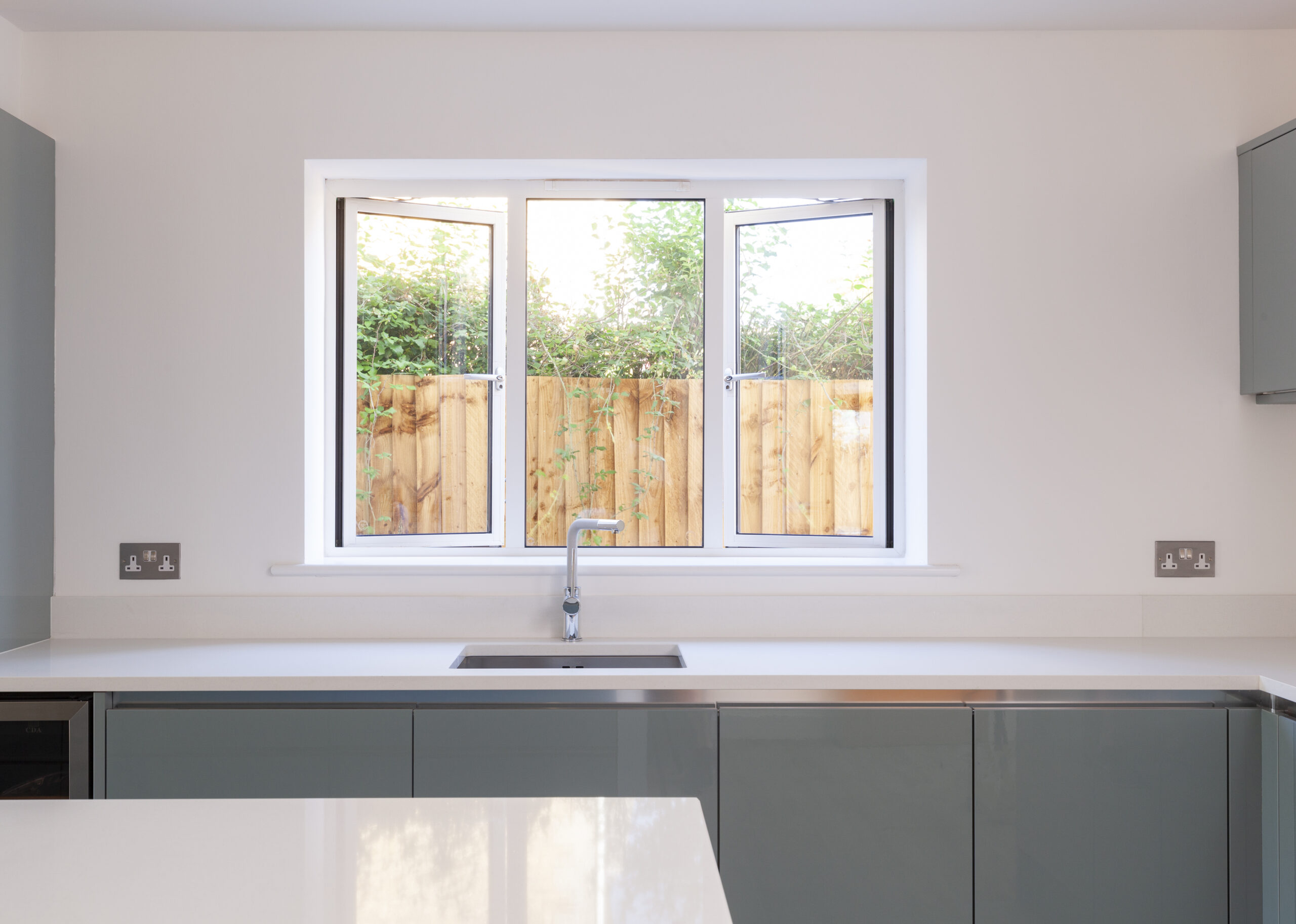
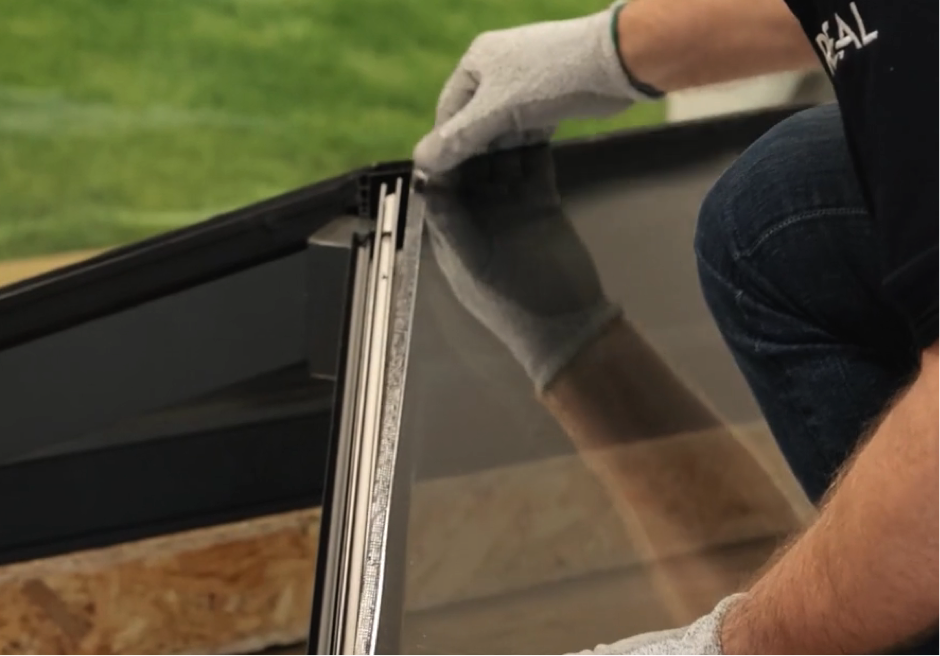
A flush casement window is a window design where the opening sash sits level within the outer frame. Unlike other window designs, this gives the front of the window a smooth appearance. Importantly, there are no overlapping sections.
What Does a Flush Casement Window Look Like?
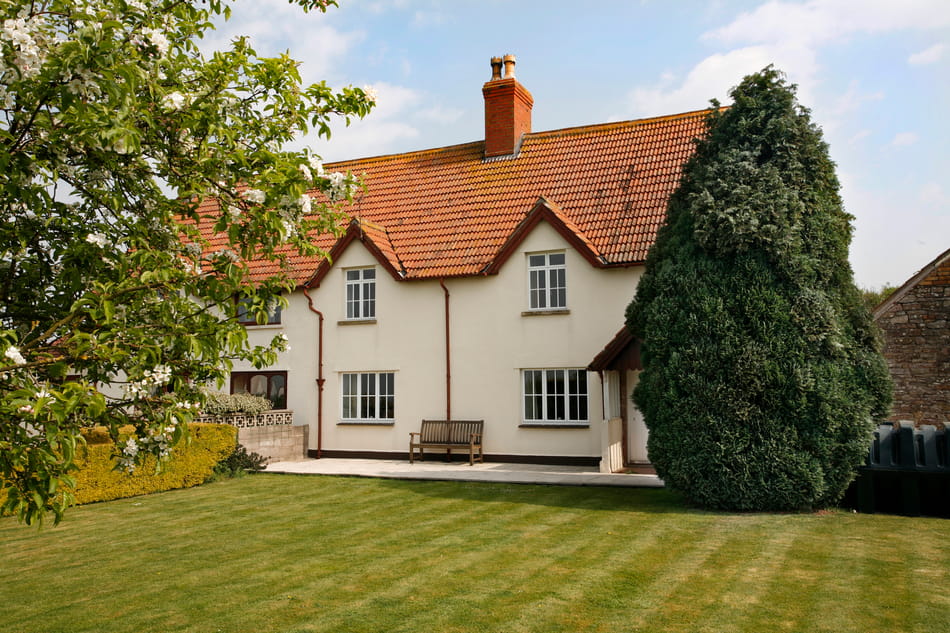
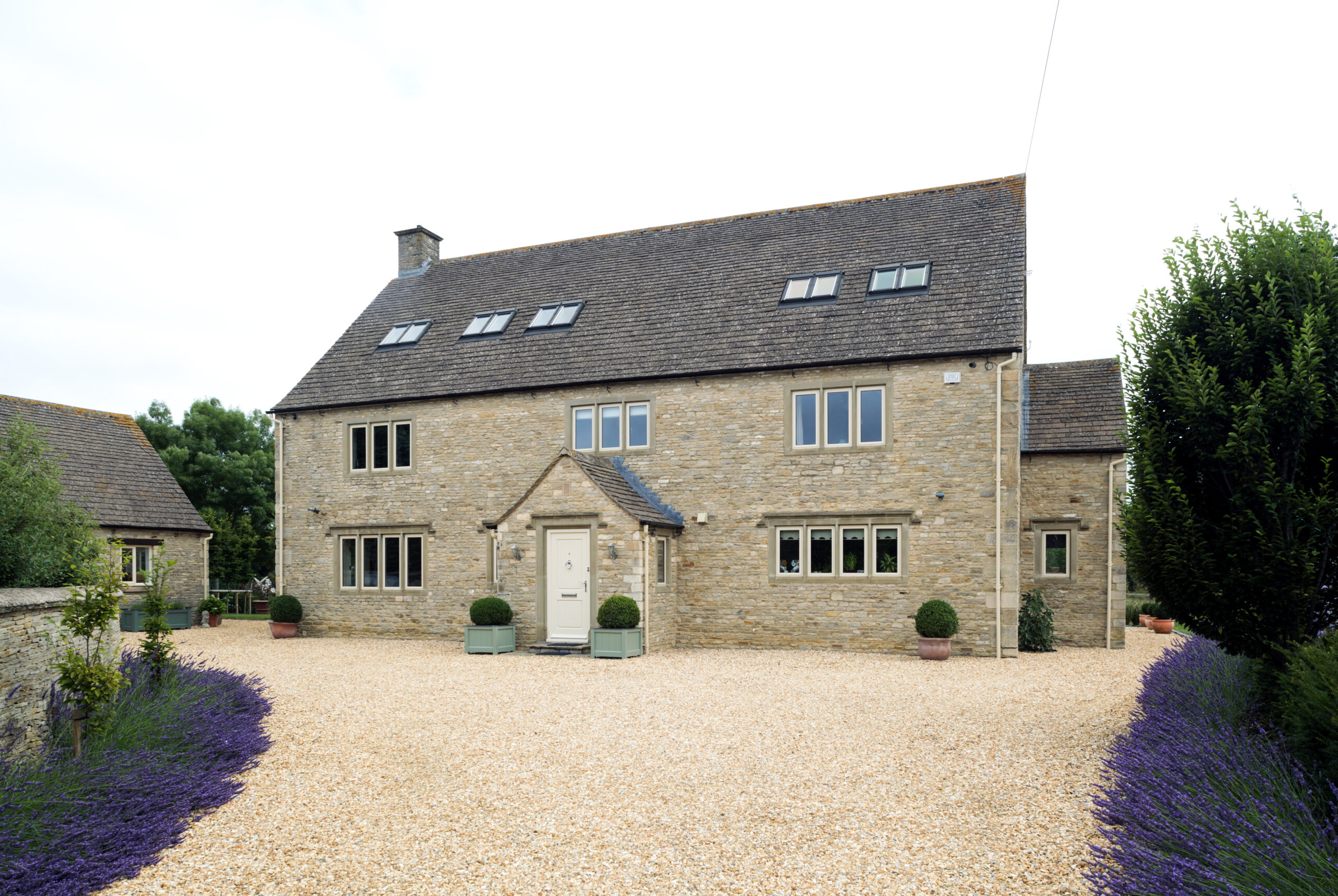
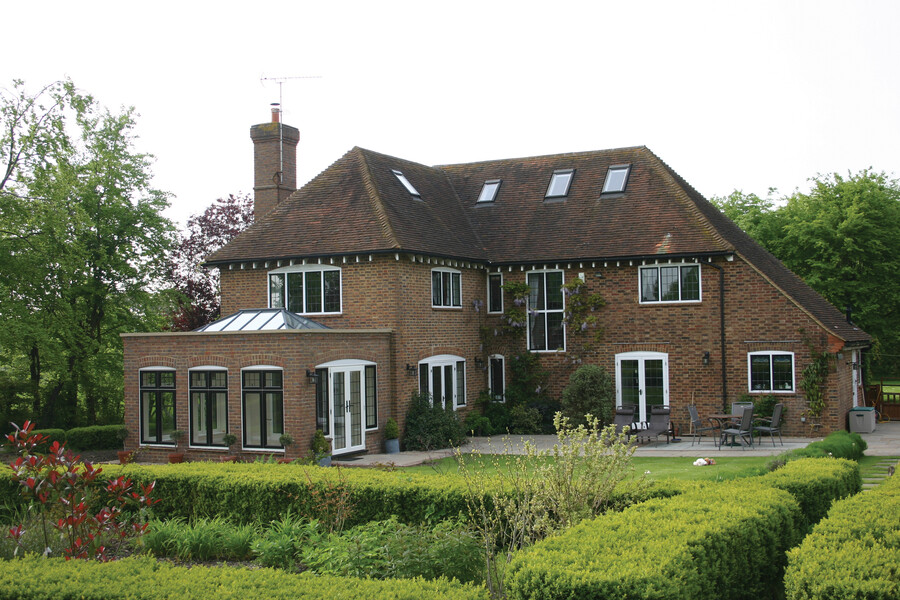
Flush casement windows give your home a clean, uniform look. They typically share the following characteristics:
- They have a flat finish across the outside of the frame
- There are no overlapping edges or stepped lines
- The overall look is neat and balanced
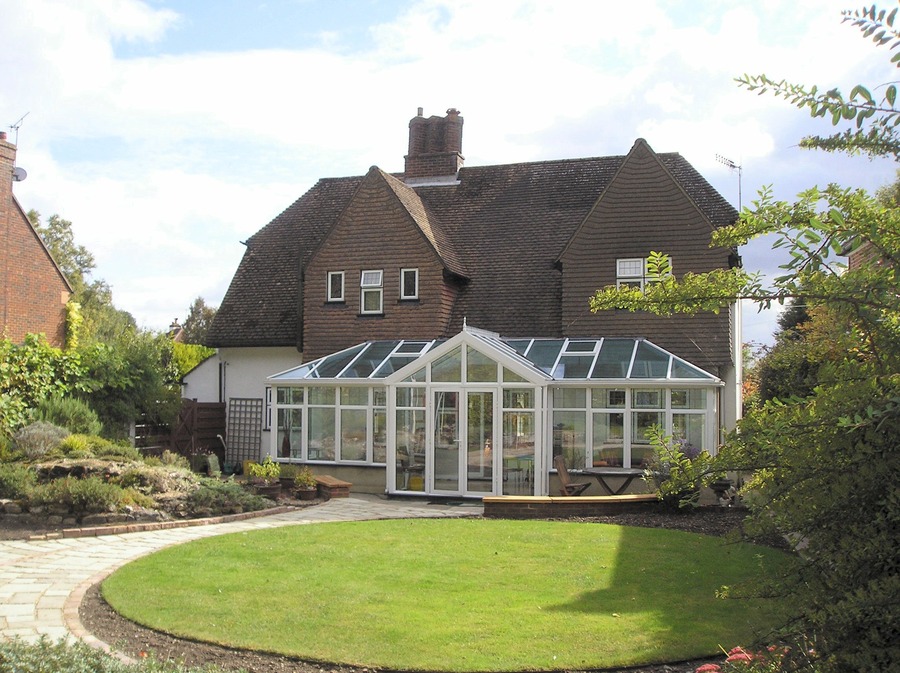
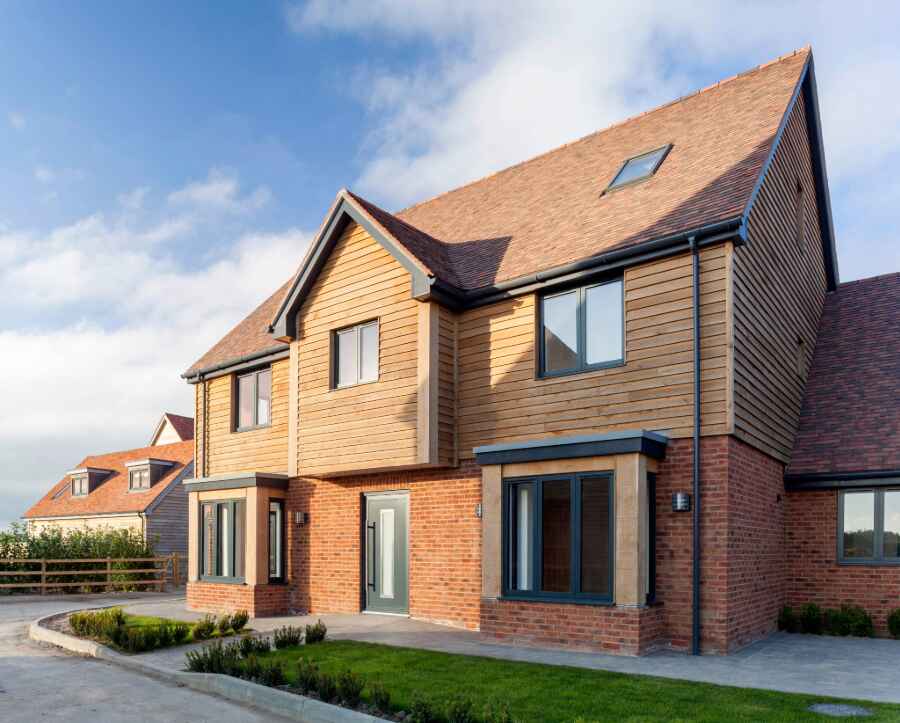
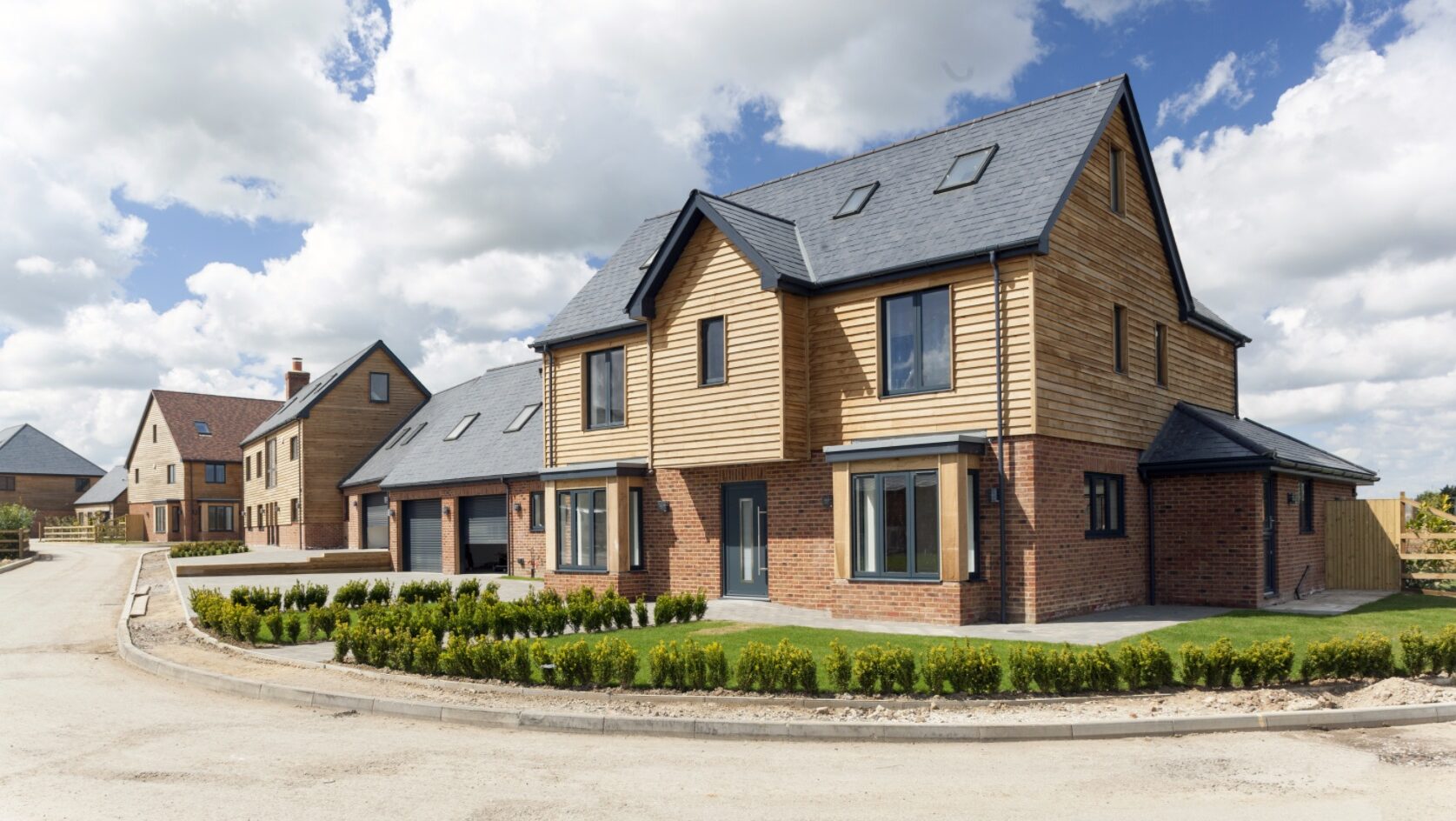
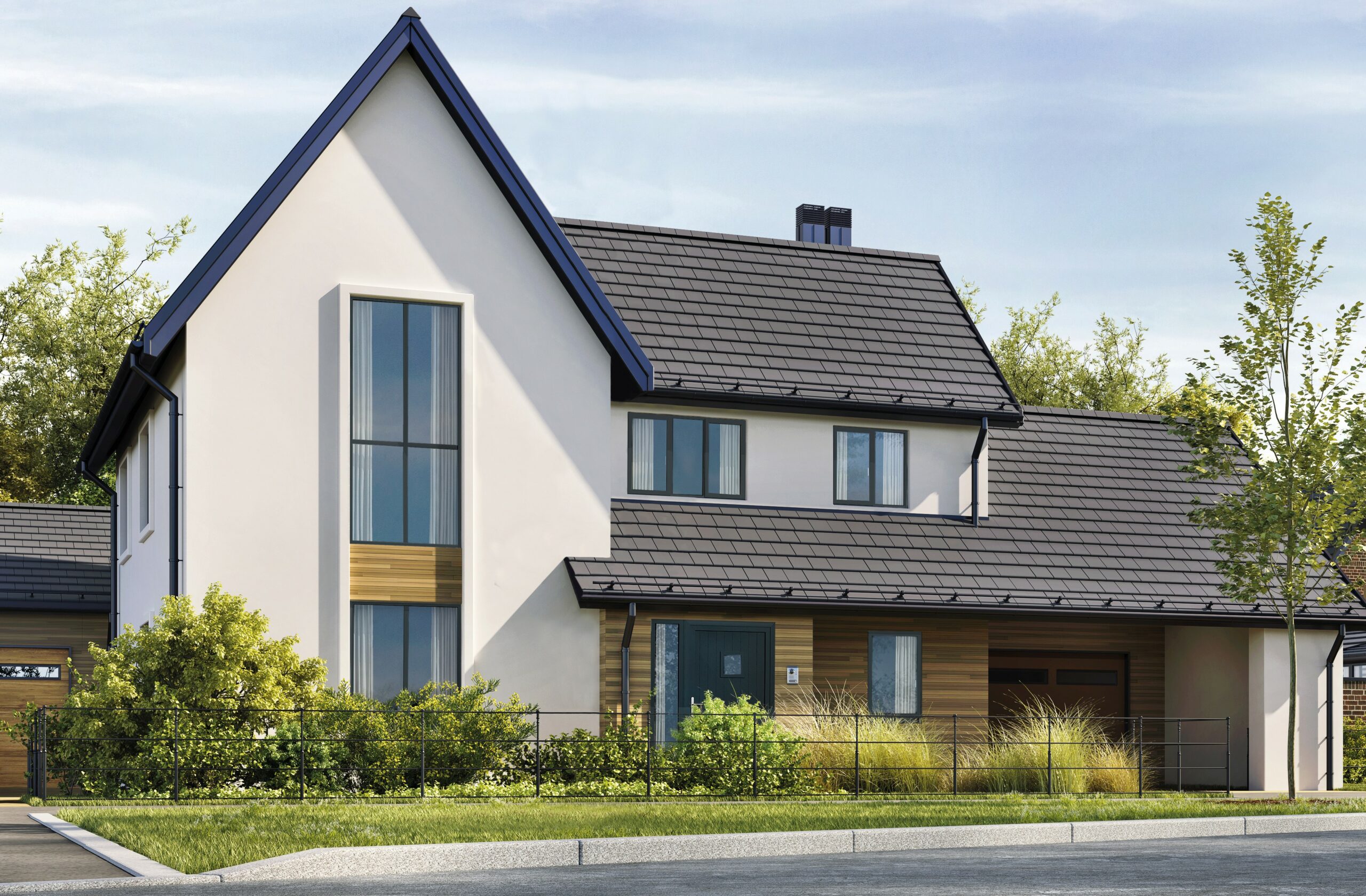
- They suit both traditional and modern homes.
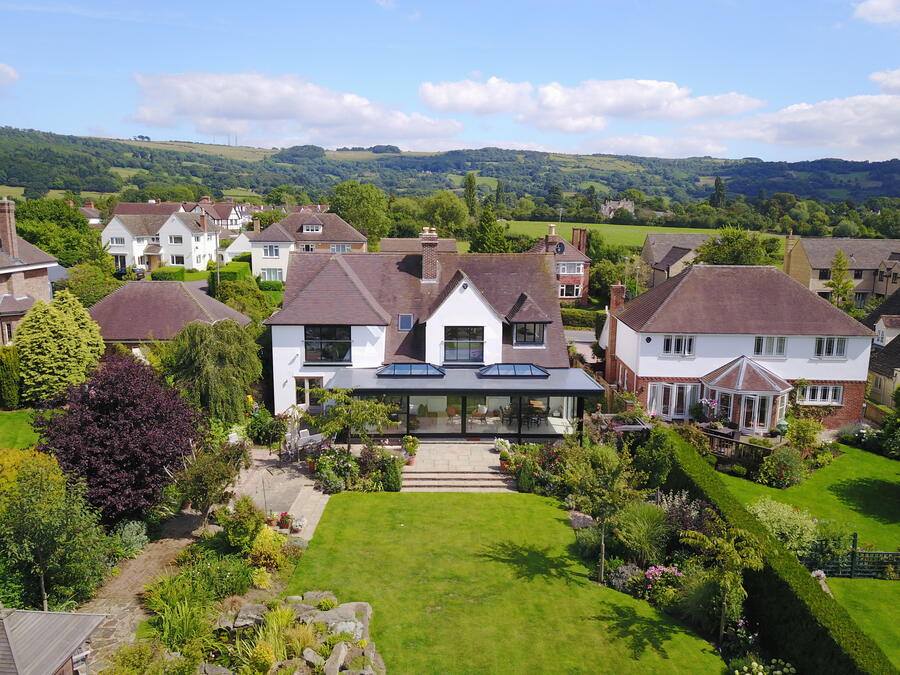
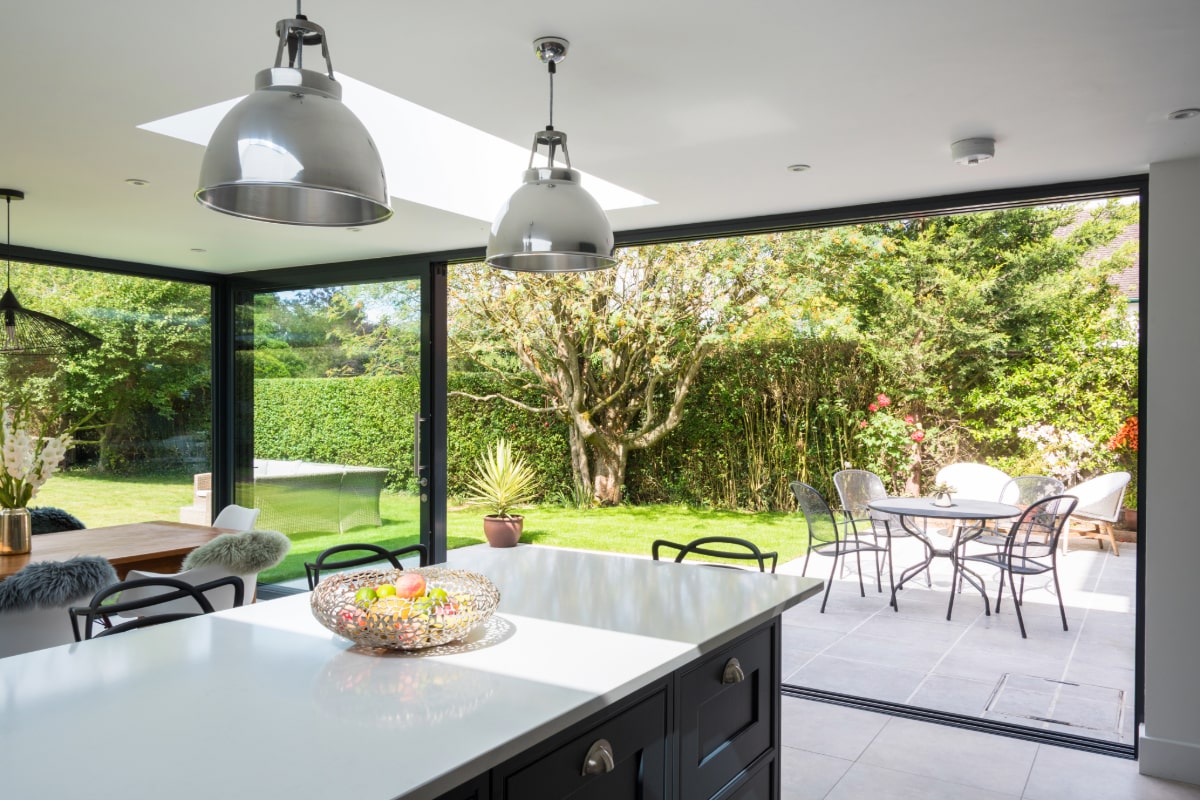
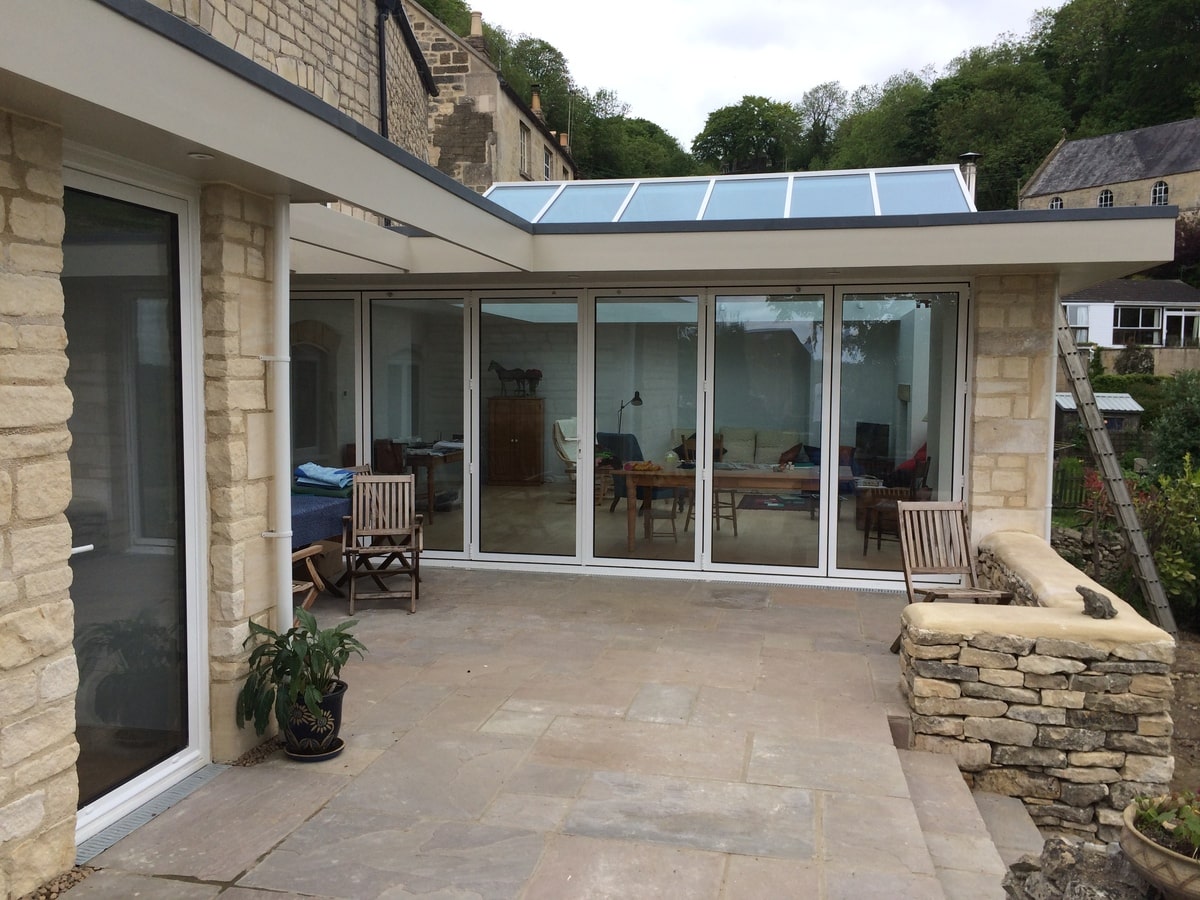
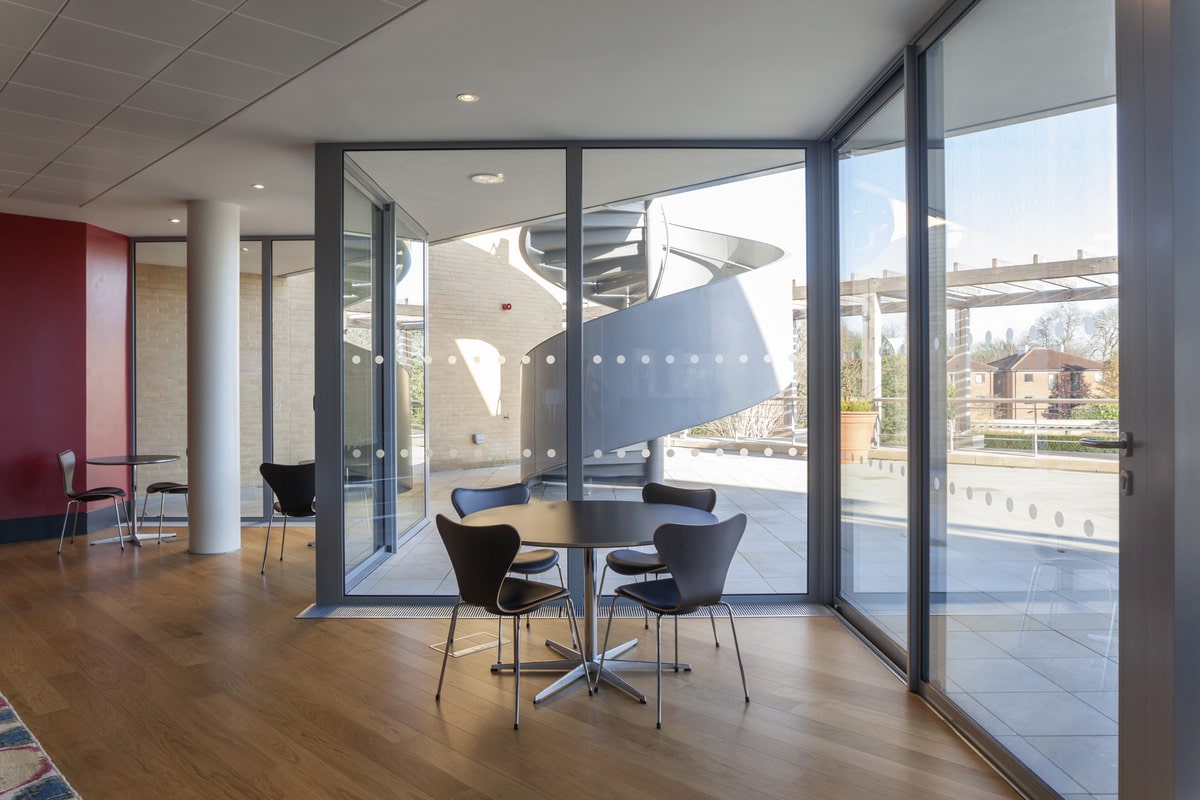
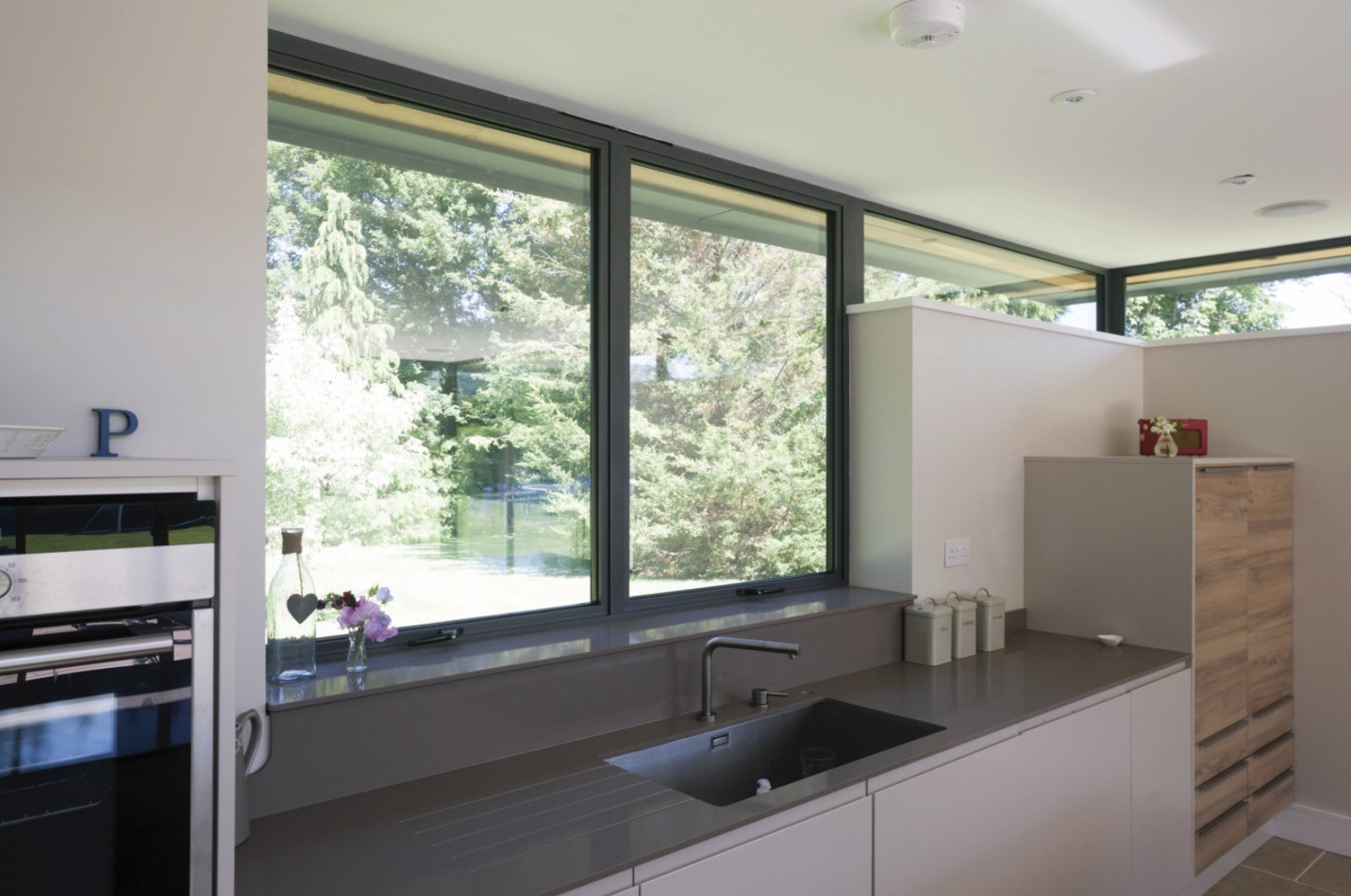
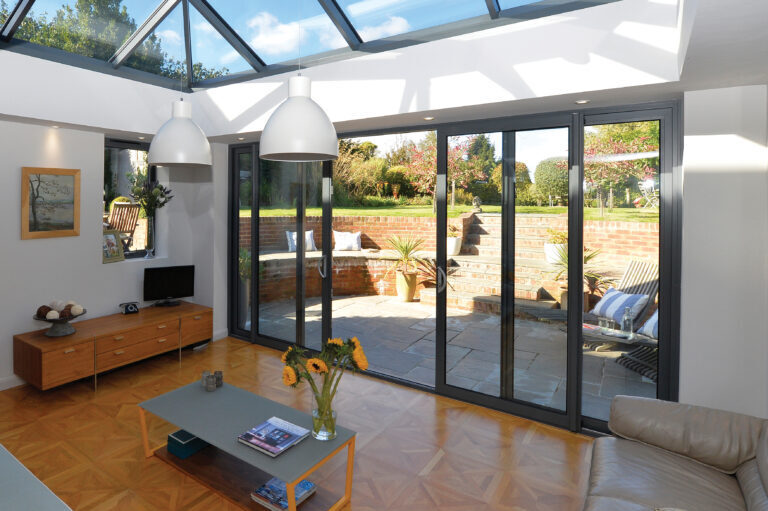
Aluminium flush casement windows have slimline frames which allow for larger glass areas, uninterrupted views, sharper lines and maximum natural daylight.

What Is the Difference Between Flush and Standard Casement Windows?
The difference between flush and standard casement windows comes down to the design:
- Flush casement windows sit level with the frame for a flatter finish
- Standard casement windows protrude slightly.
Homeowners often choose flush over standard to recreate a classic look while benefitting from modern materials and glazing.
Flush Casement vs Standard Casement Windows
Here’s a quick list of the major differences between flush and standard casement windows:
- Flush casement windows sit level with the frame while standard casement windows overlap the frame
- Flush designs create a flat, streamlined look while standard designs have a slightly raised profile
- Flush aluminium windows can achieve slimmer sightlines while standard designs are often slightly bulkier
- Flush casements are often used in design-led or period-style projects while standard casements are common across all property types.
The bottom line is that both styles look good and work well. The right choice just depends on the design you want to achieve.
What Are the Benefits of Flush Casement Windows?
Choosing flush casement windows for your home can bring several benefits:
- They have a refined appearance that works across different property styles
- They can allow more natural light into your home, especially if you choose slim aluminium frames
- Modern thermally broken frames have excellent energy efficiency
- They can add to the overall value and appeal of your property.
This combination of style and performance makes them a popular option among UK homeowners.
Types Of Flush Casement Windows
There are various flush casement window design styles to choose from.
Side-Hung Flush Casement
Side-hung is the most common option. In this style, the window is hinged on one side and opens outward like a door. It provides good ventilation and works well in most types of rooms.
Top-Hung Flush Casement
The opposite to side-hung, top-hung windows are hinged at the top and open outward from the bottom. This lets in airflow while offering some protection from rain – so they’re particularly useful in kitchens or bathrooms.
Fixed Flush Windows
Fixed flush windows don’t open and are used purely to bring in light and create symmetry alongside your opening windows.
French Flush Casement Windows
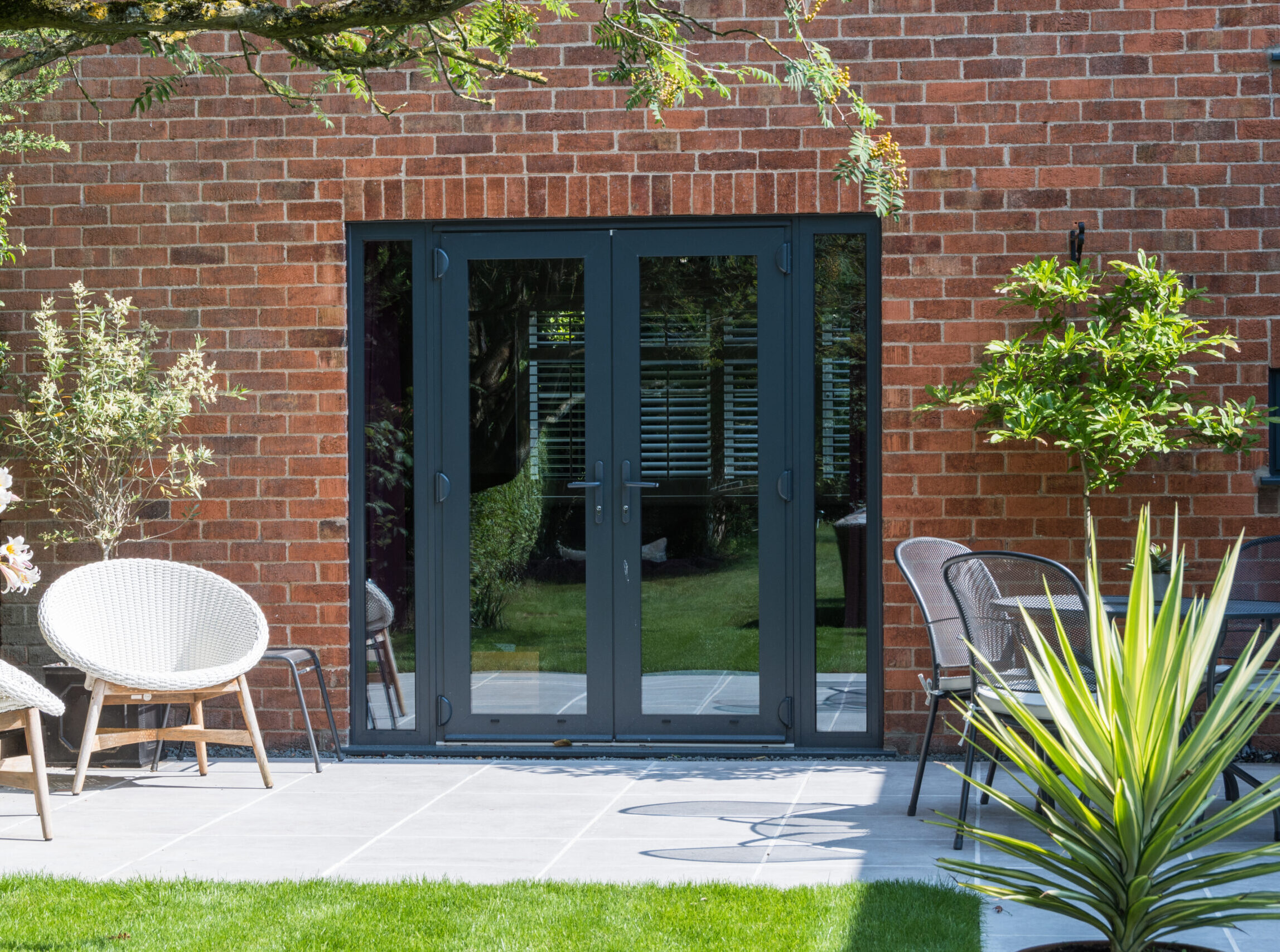
French flush casement windows open from the centre. However, they have no vertical bar, which creates a wide, uninterrupted opening and a clear view.
Flush Casement Window Styles In The UK
As well as designs, you can also choose from a range of flush casement window styles to match your home’s theme:
- Heritage windows replicate the look of traditional timber frames with glazing bars and more classic detailing
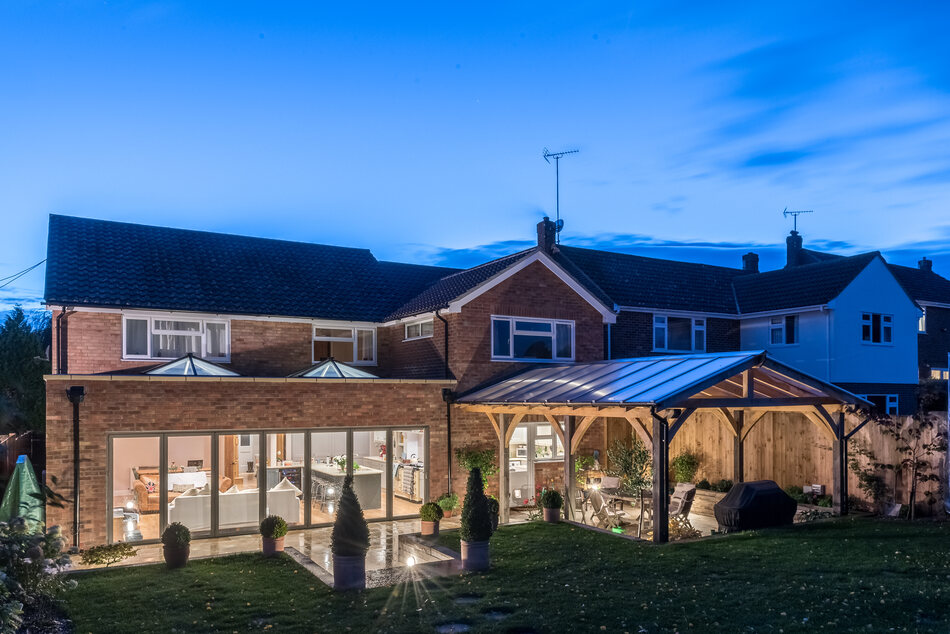
- Contemporary flush designs use slimmer frames and larger glass panels, which works well in modern homes and extensions
- A range of finishes and dual-colour options lets you match the inside and outside of your home
- Optional extras, such as triple glazing and accessory choices, means you can design your windows down to the finest details.
Why Aluminium Flush Casement Windows Are Growing In Popularity
One of the design choices you’ll make is which frame material to use. While traditional choices like uPVC and timber have been used for decades, aluminium frames are now a very popular choice.
One reason why is that aluminium frames are slimmer than other materials. For you, this means more glass and less visible frame. They’re also very strong, allowing for larger window sizes without losing stability.
Another advantage is that aluminium frame maintenance is minimal. The material naturally resists warping, rust and fading over time, so you won’t need to repaint or seal, especially with high-quality powder-coated finishes. Choosing modern thermally broken systems and triple glazing can also help improve your home’s energy efficiency.
Are Flush Casement Windows Right for Your Home?
Flush casement windows are especially popular in the following scenarios:
- If you have a period home or cottage where maintaining character is important
- If you have a heritage-style renovation and want a timber look but with less maintenance
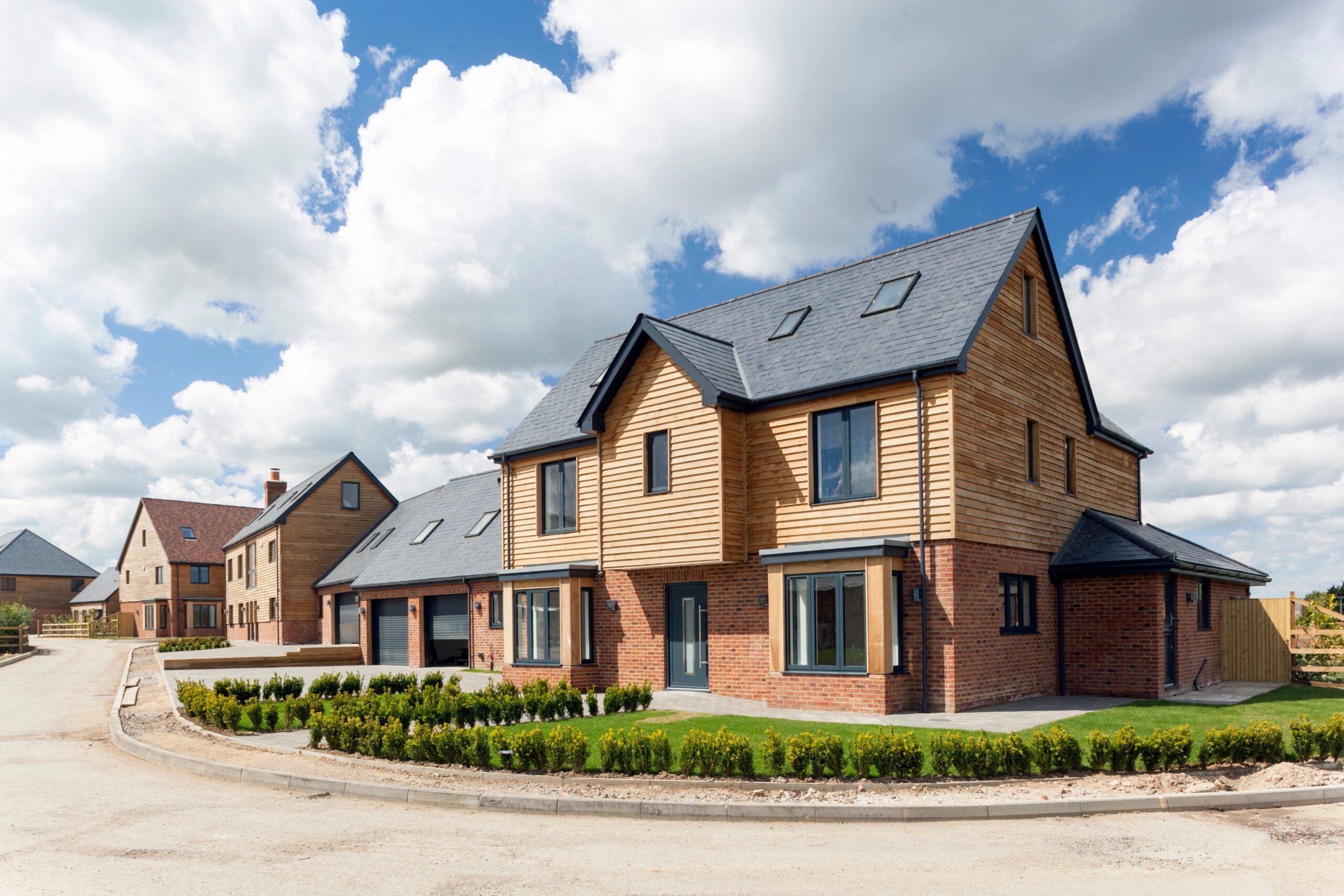
- If you have a modern home and are looking for clean lines and simple detailing
- If you’re building a residential or commercial building where appearance matters as much as performance.
In short, flush casement windows are a good choice if you want a refined and balanced appearance with modern performance. If you choose aluminium frames, you’ll also benefit from slim frames and maximum daylight.
Are you considering flush casement windows for your home? Browse the Atlas Aluminium range of flush casement windows to start your design process.