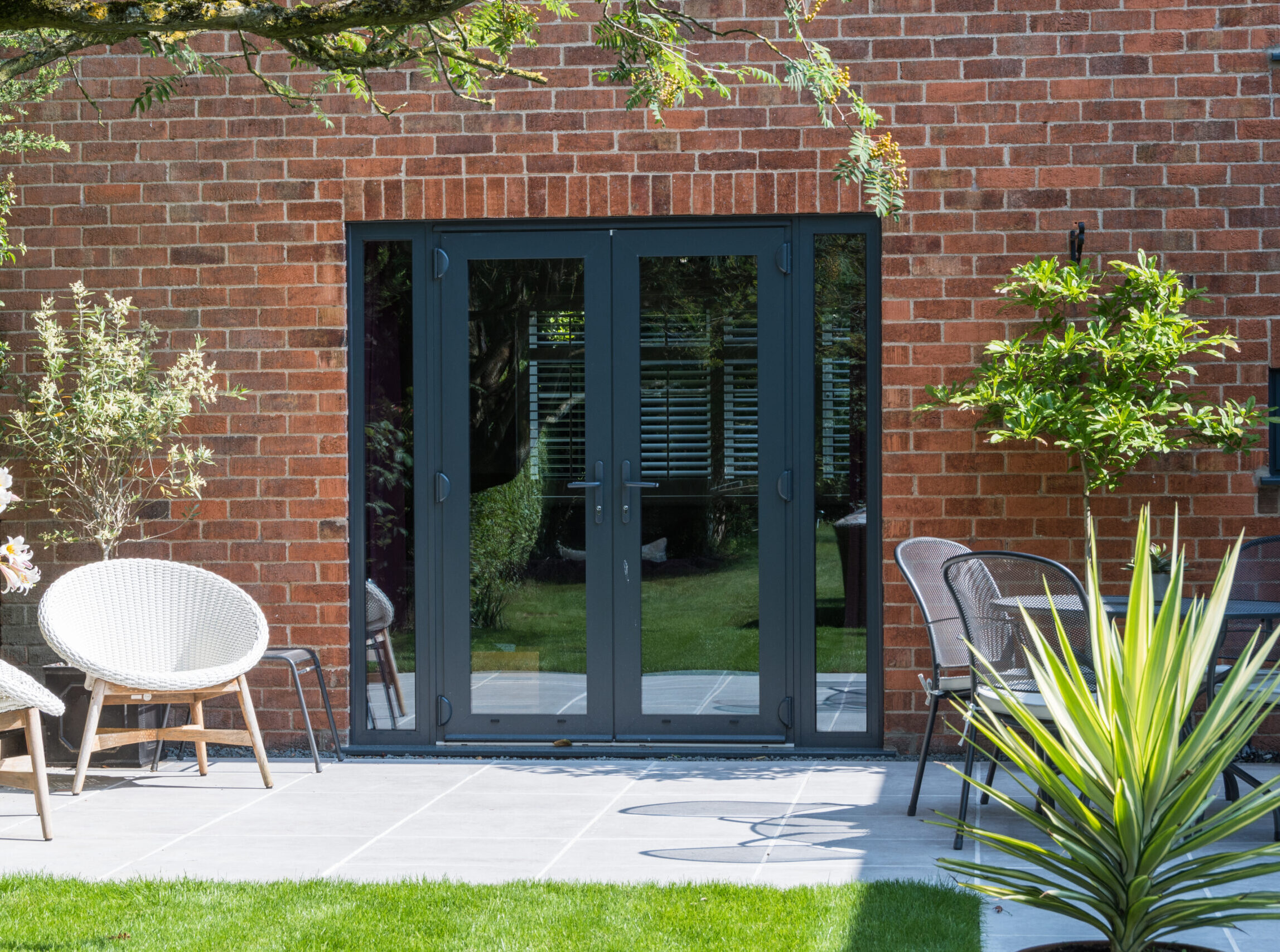
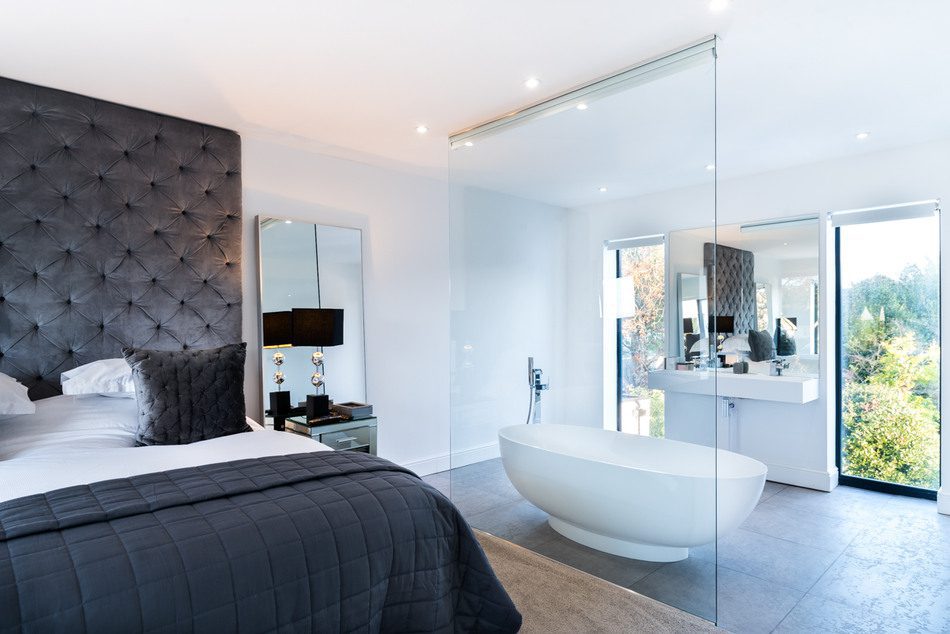
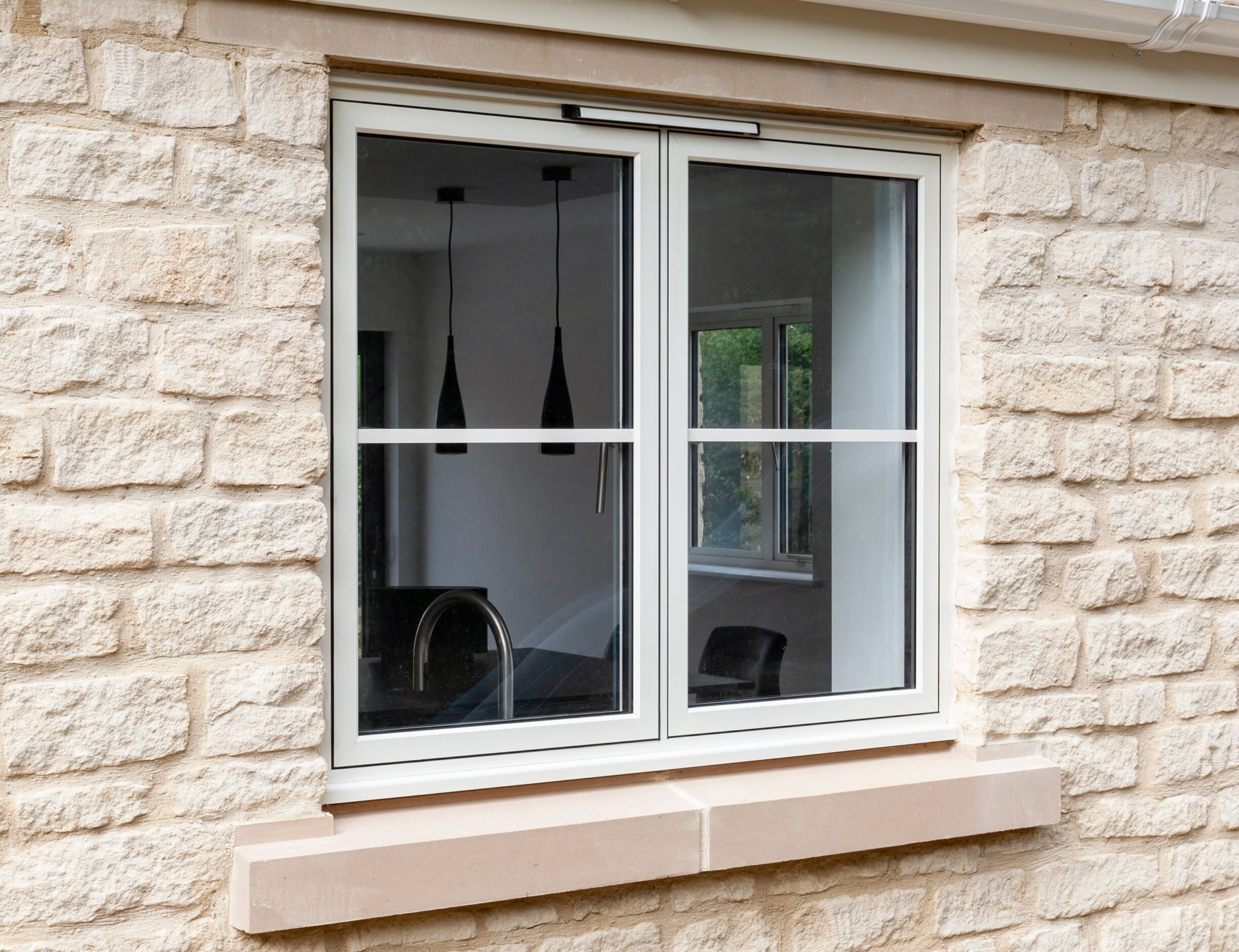
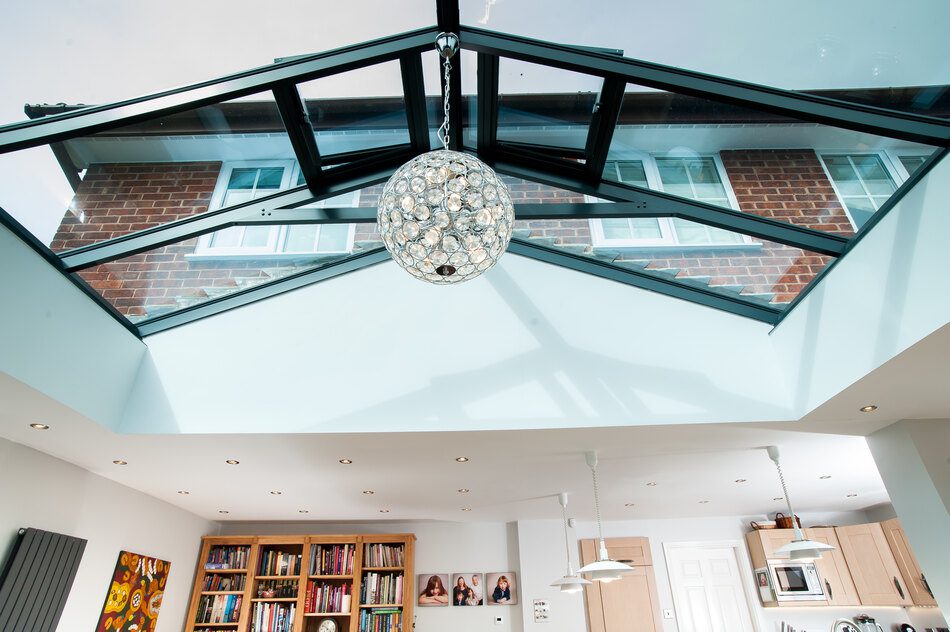
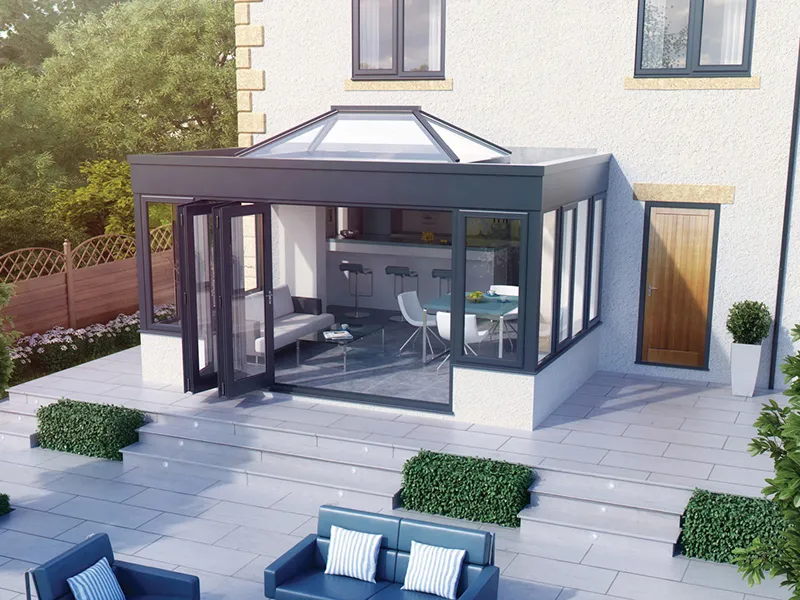
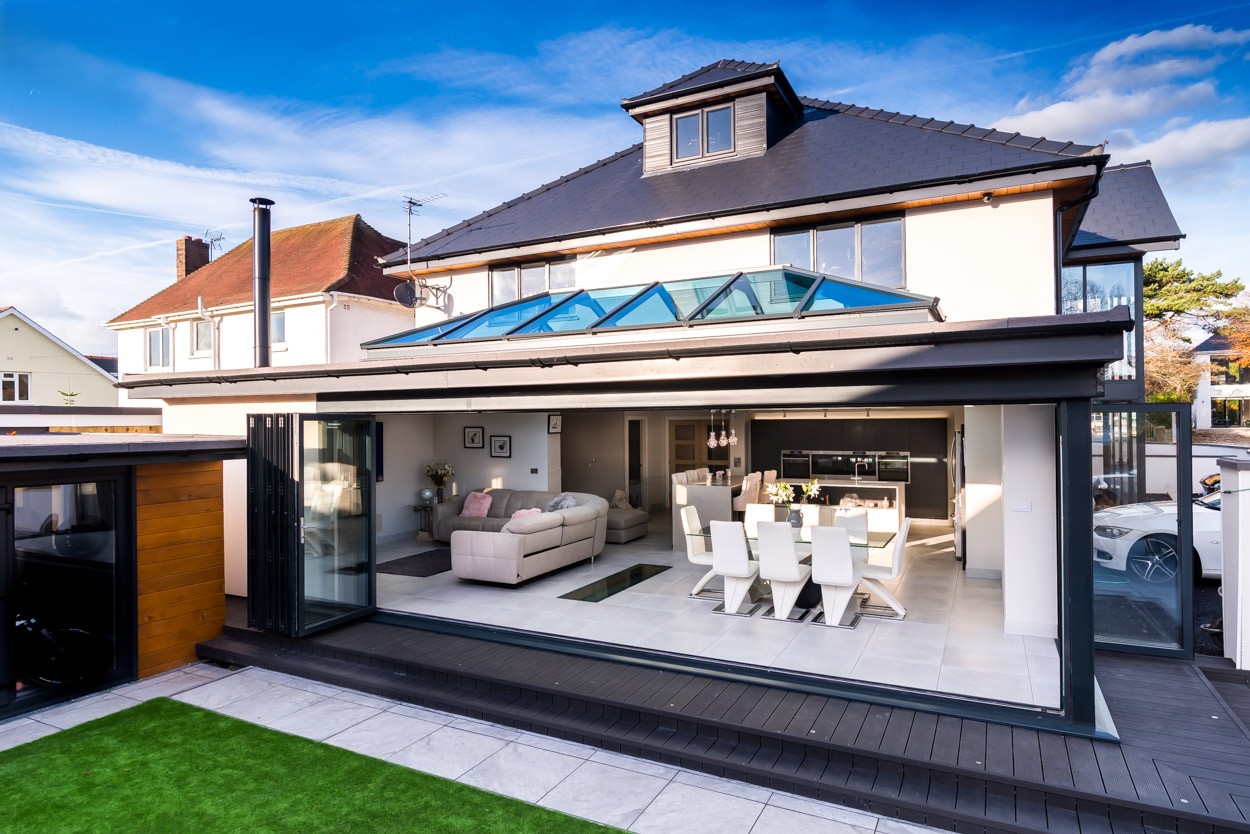
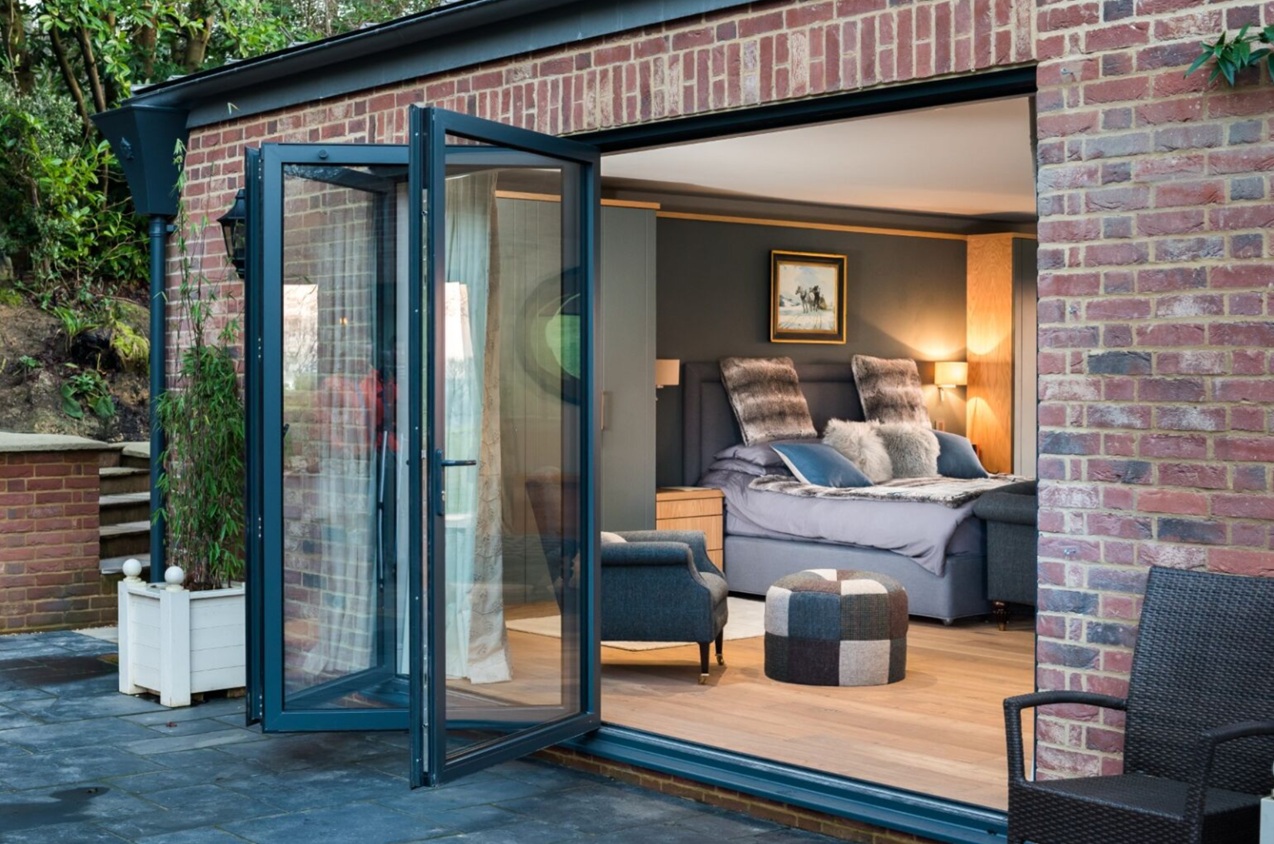
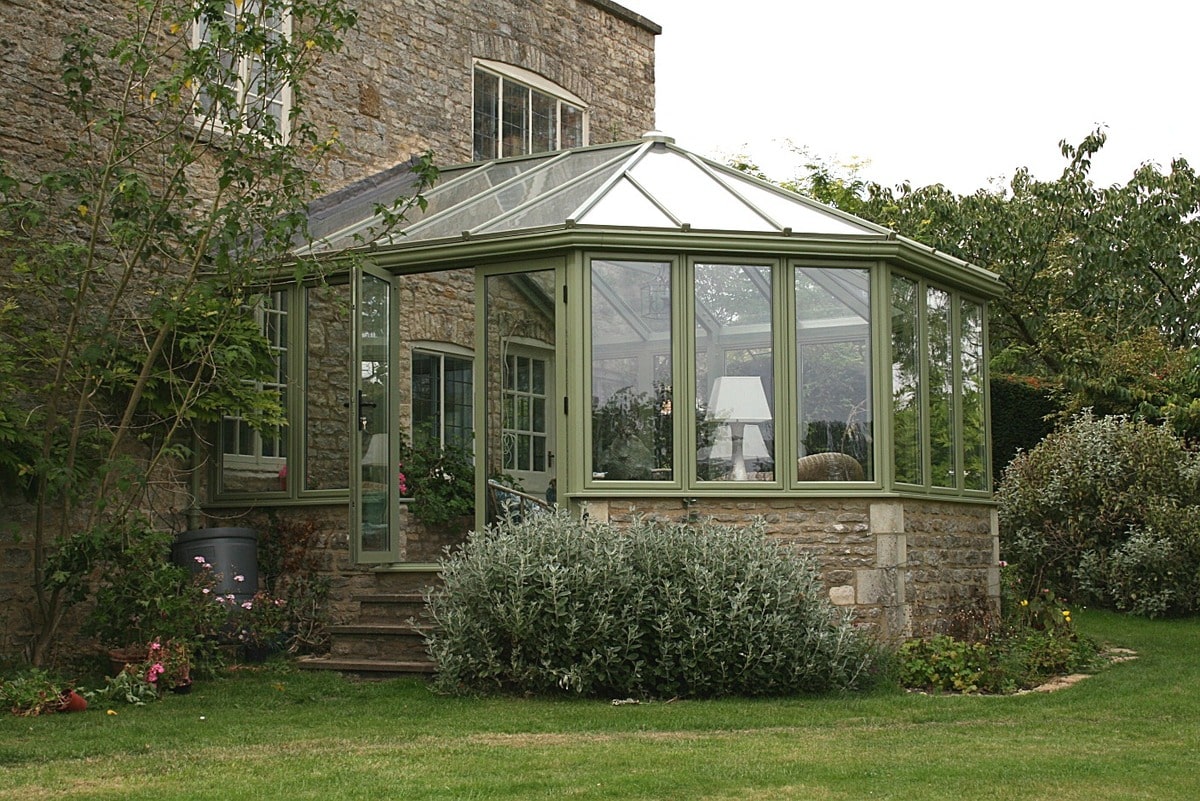
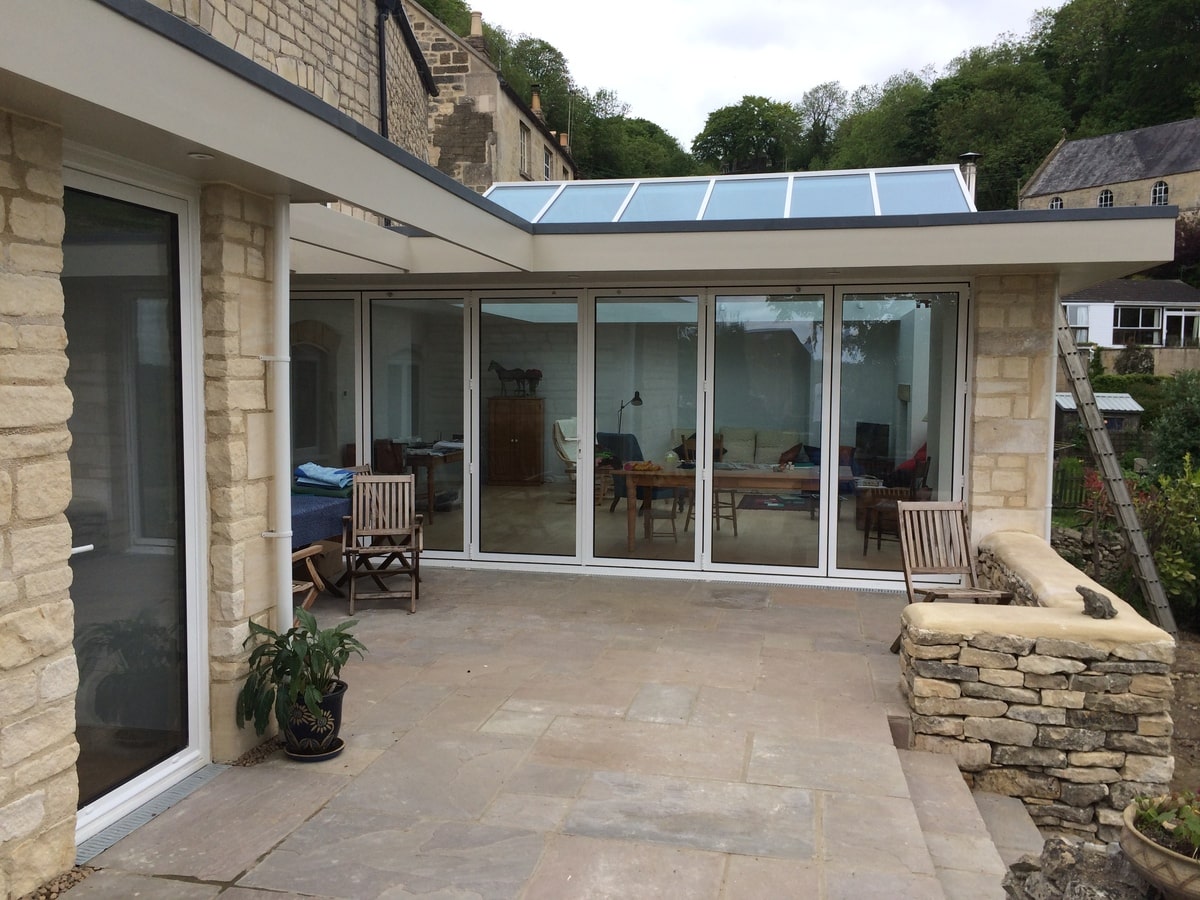
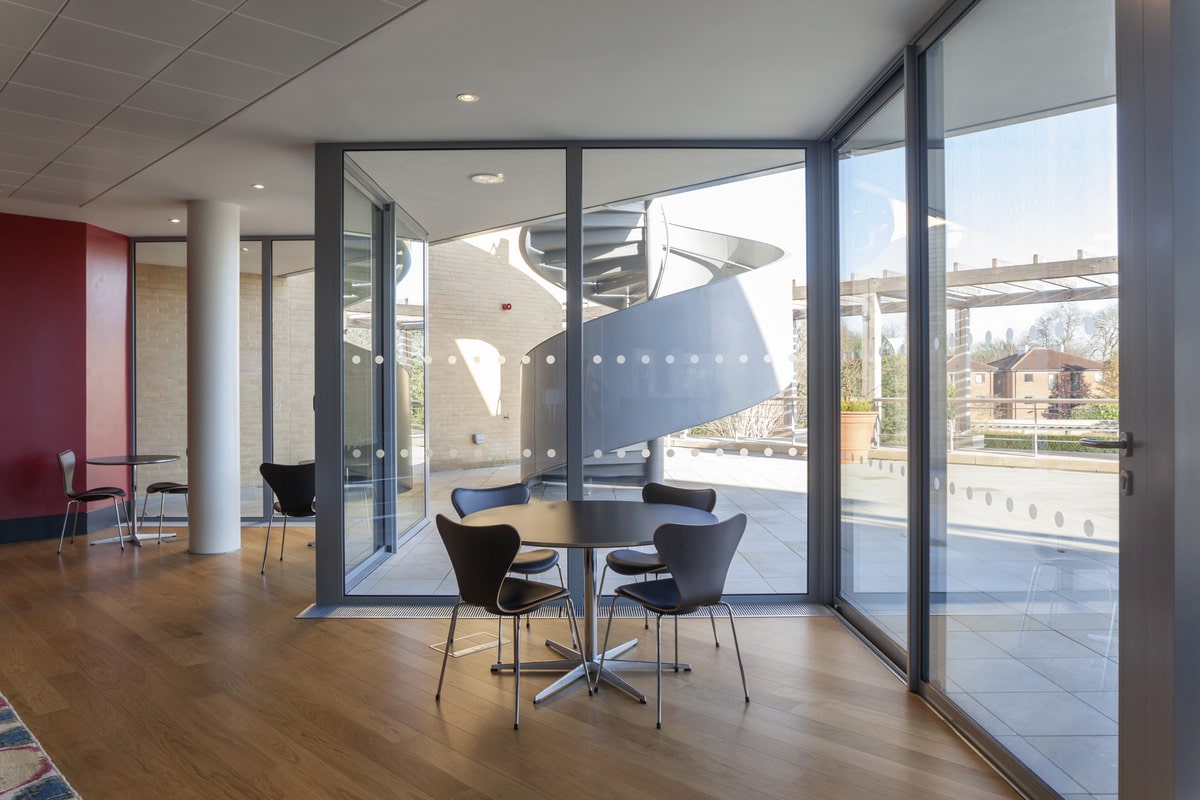
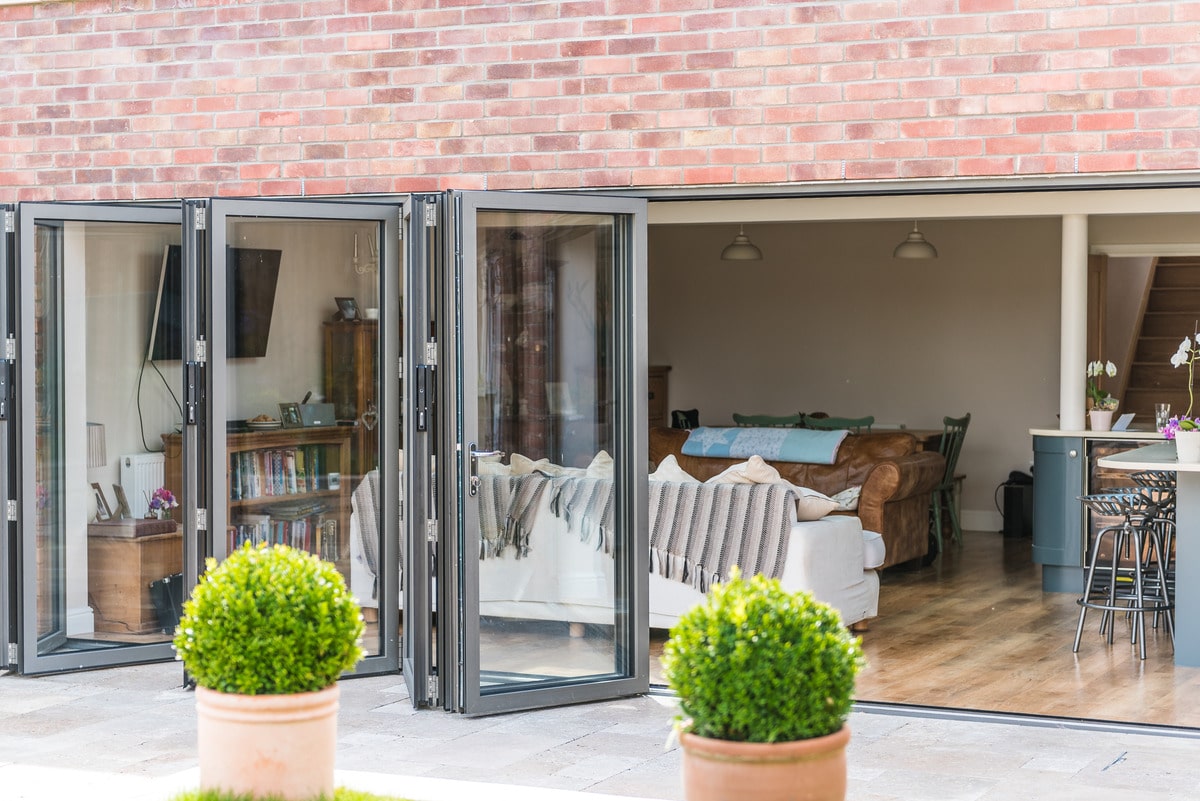
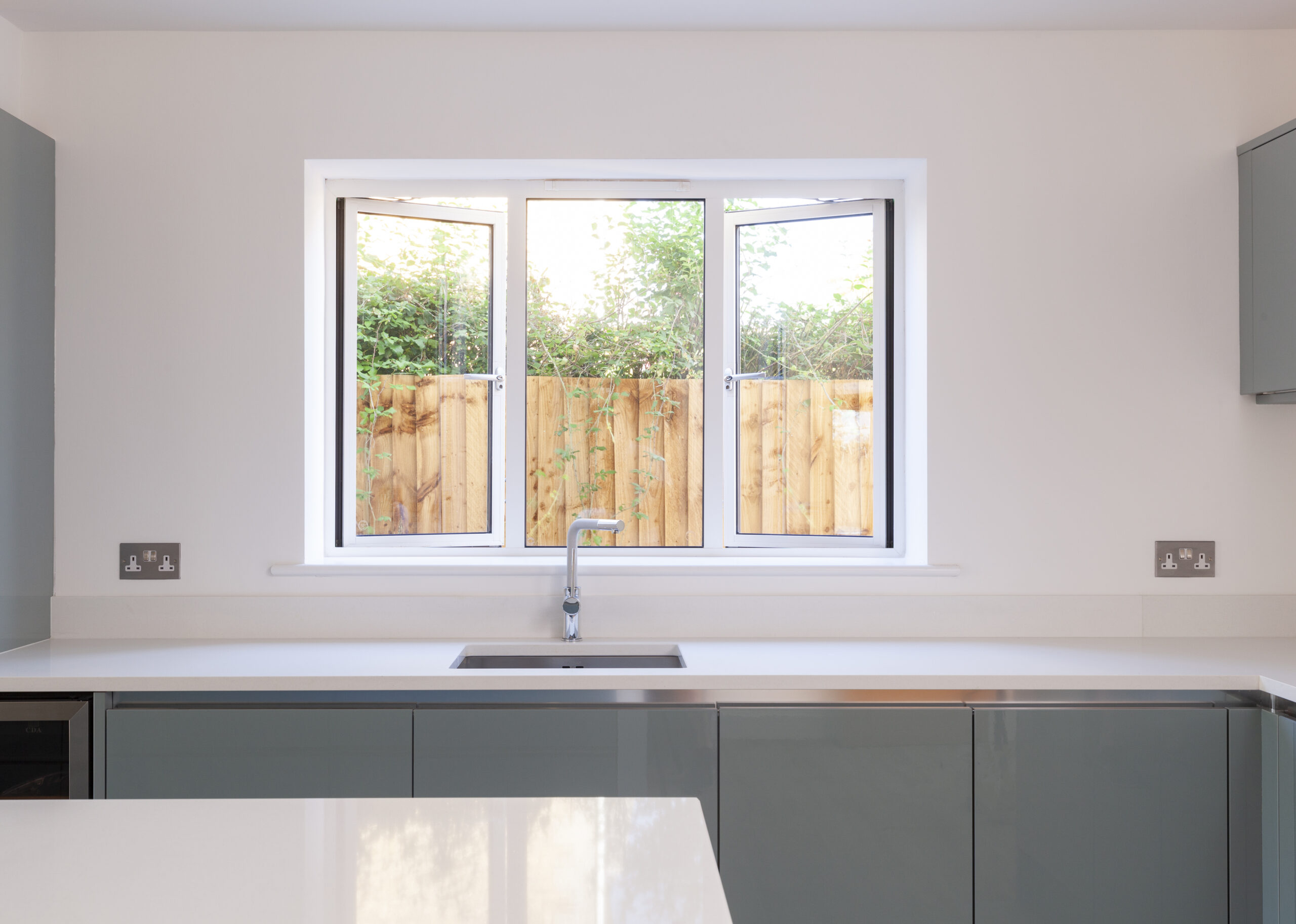
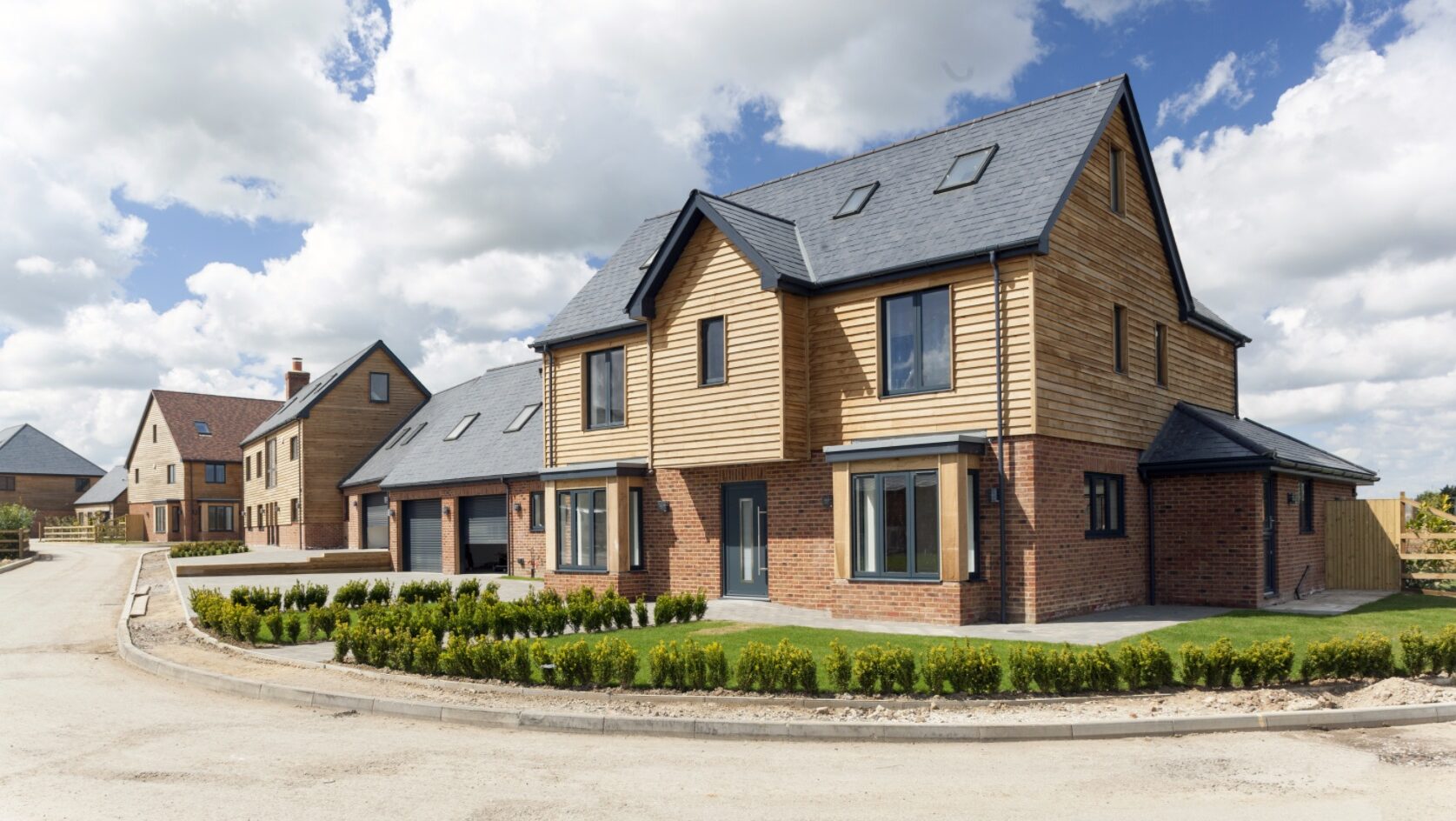
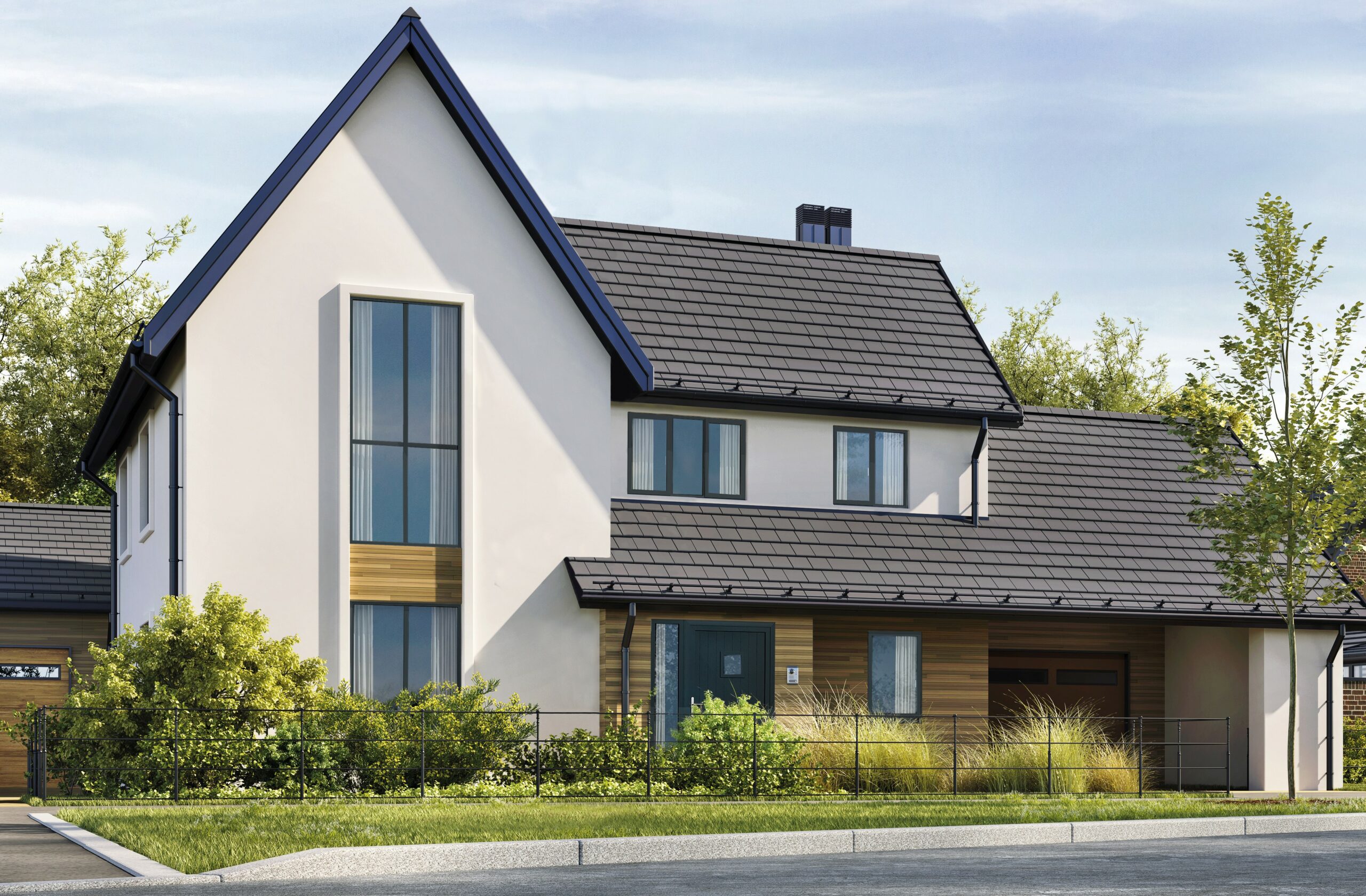
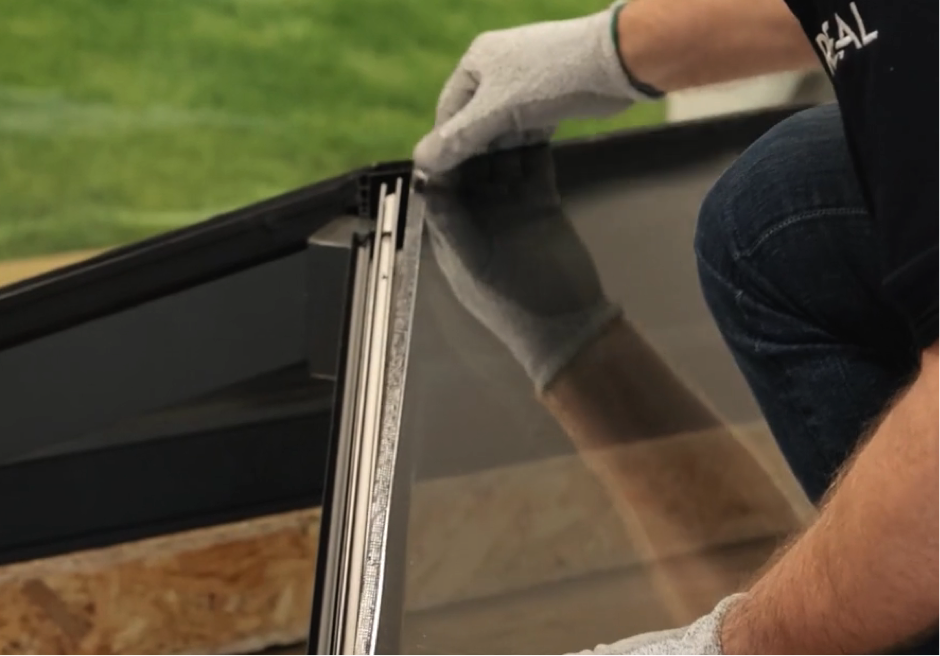
Aluminium windows are now a familiar sight across modern homes, extensions and commercial buildings – anywhere where light, clean lines and durability matter. They let in huge amounts of daylight, look elegant and last for decades.
But are they the right choice for your property? Like any material, there are pros and cons of aluminium windows. The metal’s lightweight strength brings clear advantages in design, lifespan and performance. But it may not suit every project or budget.
Overall, the right choice will depend on what you value most from your windows. In this guide, we’ll take an impartial look at aluminium windows’ pros and cons to help you decide whether they’re the right fit for your property.
What Are Aluminium Windows?
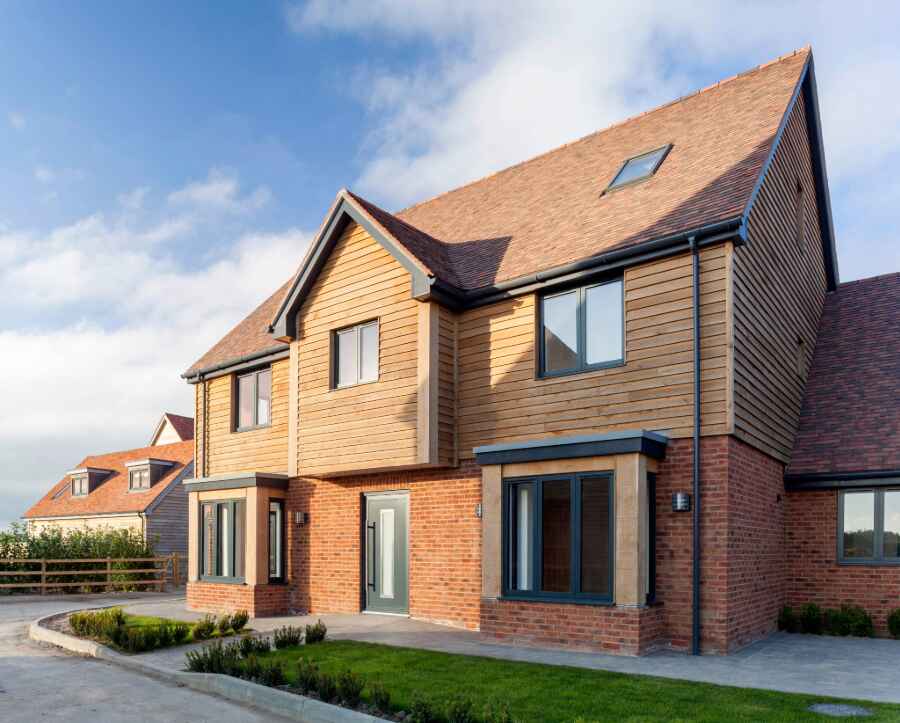
Aluminium windows pair glazed areas with frames made from aluminium. These profiles are engineered to support large glass areas, giving you excellent views and functionality while staying durable over time.
Modern aluminium windows are also thermally broken. They come with a non-conductive barrier between the inner and outer sections of the frame that reduces thermal transfer. For you, this means reduced heat loss and excellent energy efficiency that meets the energy and security standards expected in modern UK homes.
The Atlas Aluminium range of aluminium windows covers different properties, functionalities and planning needs, letting you bring your design vision to life.
The Pros of Aluminium Windows
Exceptional Strength and Durability
Aluminium is naturally extremely strong. But unlike other strong materials, it’s also lightweight. This combination allows frames to remain slim while supporting large, heavy glazing areas.
Aluminium is also durable. Unlike some materials, it doesn’t rot, swell or warp. It’s also resistant to rust and corrosion, making it a reliable choice for exposed locations and coastal environments.
In fact, with the right specification and installation, you can expect aluminium windows to last 40 years or more. That long lifespan makes them appealing if you see your choice of windows as a long-term investment.
Slim Sightlines and Modern Aesthetics
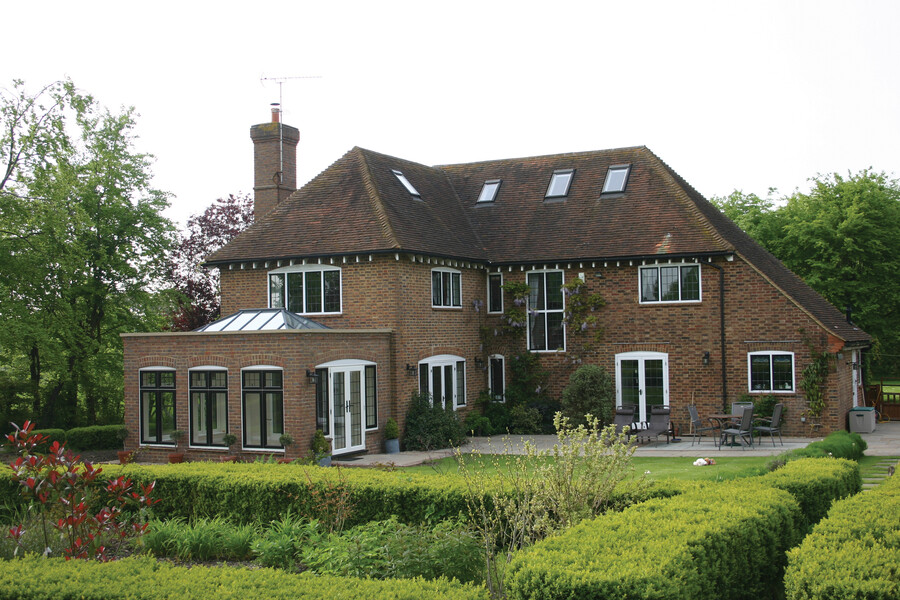
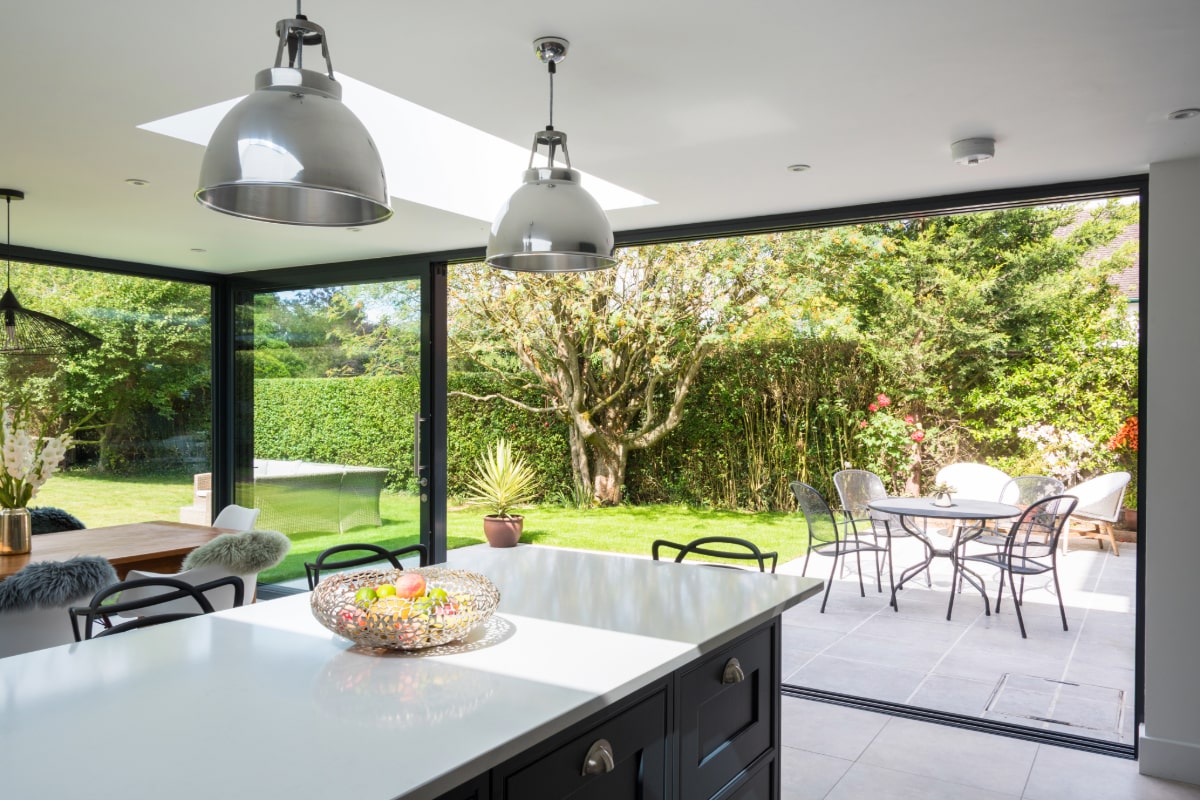
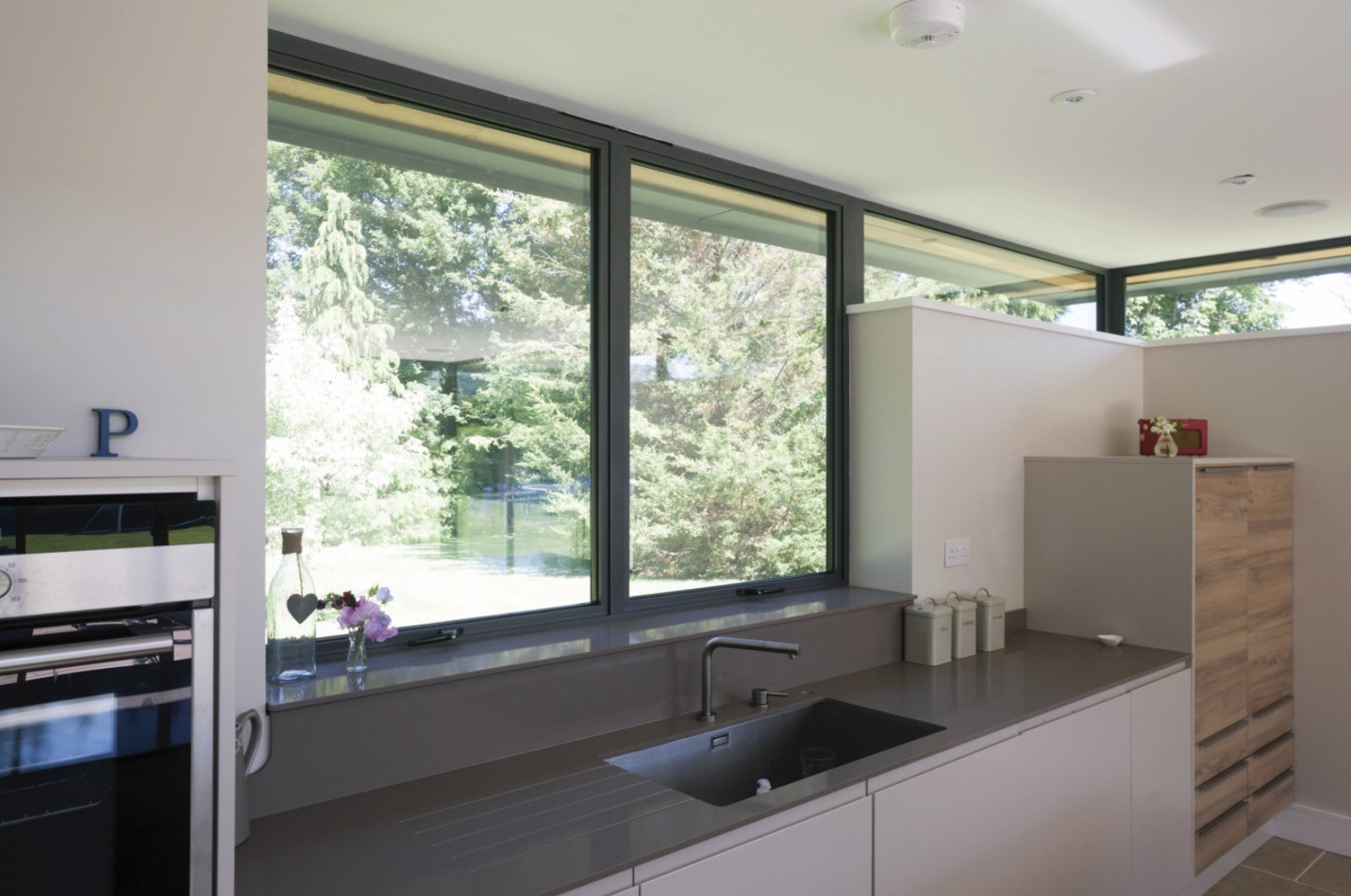
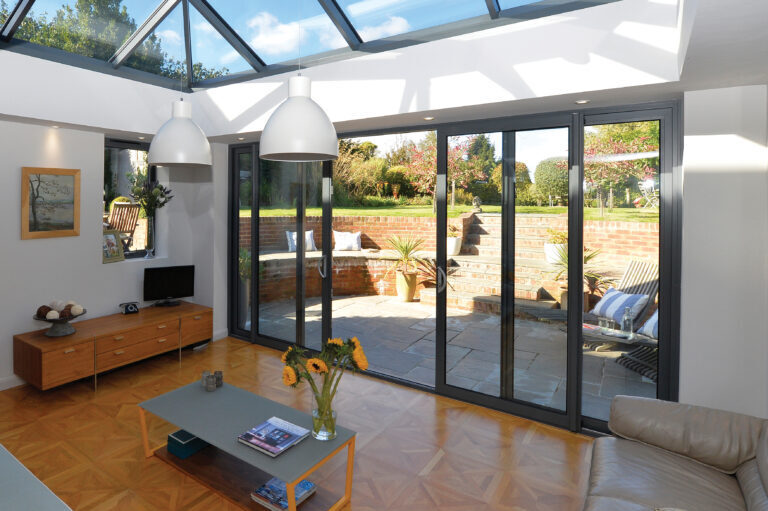
Along with durability, one of the main reasons people choose aluminium windows is their appearance. The slim frames and large glass areas mean more daylight enters your home. So if you’re building a modern extension or open-plan space, this can make your views feel more open and uninterrupted.
The frames themselves look clean and contemporary. Plus, if you’re looking to stay on theme, it’s also easy to match your window frames with your existing aluminium doors or glass roof systems.
Low Maintenance
Are you looking for hands-off maintenance? Then the good news is that aluminium windows require very little ongoing care. The frames are finished with polyester powder coating, which protects against fading and corrosion, and doesn’t need repainting or sealing.
In the vast majority of homes, occasional cleaning with mild soapy water is usually enough to keep aluminium frames looking their best. Compared to other materials, this can save you time and money in the long run.
Strong Thermal Performance with Modern Systems
Back in the day, aluminium windows had a reputation for poor insulation. They were considered a cold material compared to others, like uPVC. But modern thermally broken aluminium systems are very different.
Combined with high-performance glazing, aluminium windows now achieve excellent U-values. The Atlas Aluminium range of aluminium windows can reach as low as 1.0 W/m²K with triple glazing, with Window Energy Ratings ranging from B to A+. This means no compromising between slim frames and energy efficiency.
High Levels of Security
Aluminium is an extremely strong material. This makes for solid frames, supporting advanced locking systems and secure glazing options that meet PAS 24 standards. You can also add multi-point locking and other robust hardware for maximum protection.
If you’re working with ground-floor windows, large openings or other settings that require high security, this strength makes aluminium a good choice.
Excellent Weather Performance
Resistance to wind, rain, coastal environments and air infiltration is another bonus of choosing aluminium windows. This works because the rigidity of aluminium helps frames maintain their shape over time.
Design Flexibility and Customisation
Aluminium windows also come in a wide range of design choices. You can choose from styles such as:
…and others, depending on your property and personal tastes.
You can also choose single or dual colours for your frames. This gives you the freedom to match interior finishes while choosing a different external colour, if you’d like.
Hardware options are also available in different styles and finishes. A huge selection of opening styles and designs makes aluminium suitable for all kinds of home designs.
Suitable for Residential and Commercial Projects
Finally, aluminium’s strength and slim profiles suit many building types:
- Aluminium windows work well in home extensions, renovations and new builds. They’re also a good choice in apartments where light and views are important.
- In commercial buildings, aluminium windows support larger spans, frequent use and high security – all while maintaining a professional appearance.
The Cons of Aluminium Windows
Higher Upfront Cost Compared to uPVC
We’ve seen the benefits of aluminium windows, now for the potential downsides. One of the most obvious drawbacks is cost – aluminium windows typically cost more upfront than alternatives like uPVC.
This higher cost is down to the premium materials, precision manufacturing and durable finishes involved. For some, this initial investment may feel high. Some simpler or smaller projects may simply not need it. However, in larger openings or premium designs, the lifespan, sightlines and durability prove a good investment over time.
Perception of Being “Cold”
There is still a trend to associate aluminium windows with poor insulation. This may have been true of older, non-thermally broken systems. But thankfully, modern aluminium windows no longer suffer from this issue.
That said, choosing a high-quality system is essential. Look for thermal breaks and advanced glazing to provide strong insulation, whereas cheaper aluminium profiles without proper thermal design may still underperform.
Professional Installation Is Essential
Aluminium windows are built with precision – this means the installation must also be precise. Poor installation can affect things like thermal performance and weather resistance.
Our Atlas Aluminium approved installers install your aluminium windows to work at their best.
Aluminium Windows vs Other Materials
Aluminium vs uPVC
The main advantage of uPVC vs aluminium windows is that they usually cost less upfront. They also offer good insulation and suit smaller openings.
Aluminium windows, on the other hand, give you slimmer frames, greater strength and longer lifespan, with peace of mind for larger window sizes. For modern homes and wide openings, you’ll also get more design flexibility.
Aluminium vs Timber
Timber windows bring a cosy, natural appearance that suits period properties. They can also perform well when maintained correctly, though they’re prone to warping and fading over time.
Aluminium windows require far less upkeep. They resist weathering more effectively than timber, maintaining their performance and appearance over decades. If you want low maintenance and durability, aluminium is probably the better choice.
Are Aluminium Windows Right for Your Home?
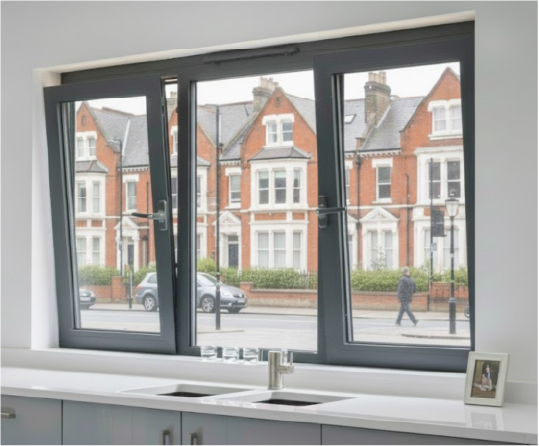
Aluminium windows may be the right choice for your property if you:
- Prioritise long-term performance over the lowest upfront cost
- Want slim frames, modern designs and large glass areas
- Need high standards of energy efficiency and security (especially for larger panes)
- Are looking to flood your house with natural daylight
- Prefer minimal maintenance and long-lasting materials
- Plan to stay in your home long term or increase its kerb appeal.
Atlas Aluminium Window Specifications at a Glance
Atlas Aluminium windows are designed to balance performance and durability. You can select from windows with the following specifications:
- Sightlines ranging from 67mm to 71.5mm
- Frame depths varying between 47mm and 70mm
- Double and triple glazing available
- U-values as low as 1.0 W/m²K
- Frames finished with polyester powder coating for longevity
- Opening options including side-hung, top-hung and tilt & turn
- PAS 24 upgrades available for the highest levels of security.
Pros and Cons of Aluminium Windows: Making the Right Choice
To put it simply, aluminium windows bring clear benefits in strength, design, functionality and durability. They’re not the cheapest option available – but, for the right home, they are a long-term investment in quality.
If you’re planning a project where premium designs and long-term value matter, aluminium windows could be an excellent option. Browse the Atlas Aluminium range of aluminium windows for home design inspiration.
FAQs
Are aluminium windows energy efficient?
Aluminium windows with thermal breaks and quality glazing offer great energy efficiency that meets all modern standards.
Do aluminium windows rust or corrode?
Aluminium does not rust. Likewise, powder-coated finishes will give your frames excellent resistance to corrosion, even if you live in an exposed environment.
Are aluminium windows more secure than uPVC?
Aluminium frames are stronger than uPVC, supporting durable locking systems and larger secure openings.
How long do aluminium windows last?
Aluminium windows can last 40 years or more when they’ve been specified and installed correctly. They also only require minimal homeowner maintenance.
Are aluminium windows suitable for period homes?
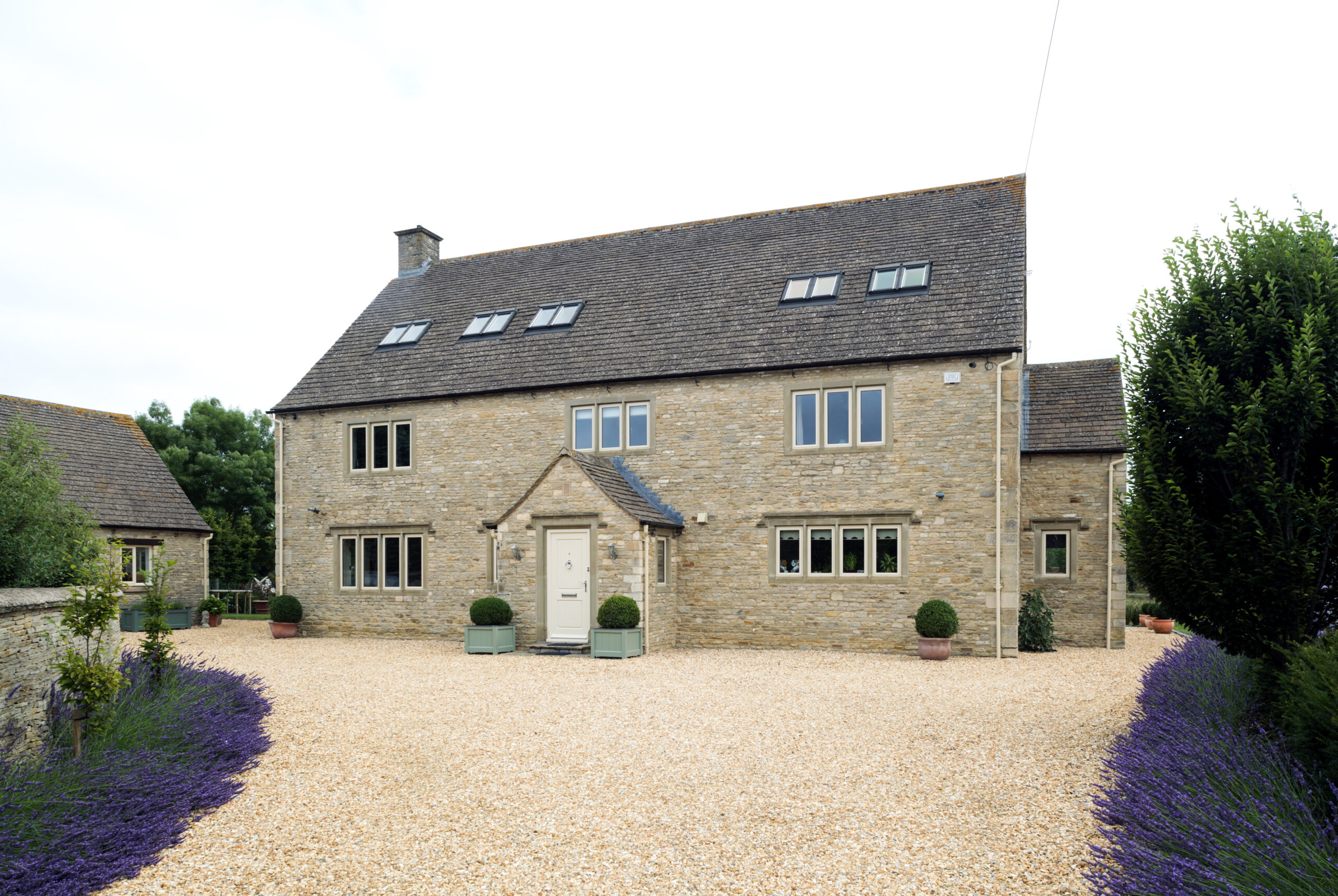
Some aluminium windows are suitable for period homes. For example, heritage aluminium windows are a fantastic option for combining modern performance with traditional style.
Are aluminium windows worth the extra cost?
Aluminium windows cost more upfront. However, their quality, durability, low maintenance and long lifespan can give you excellent value over time.