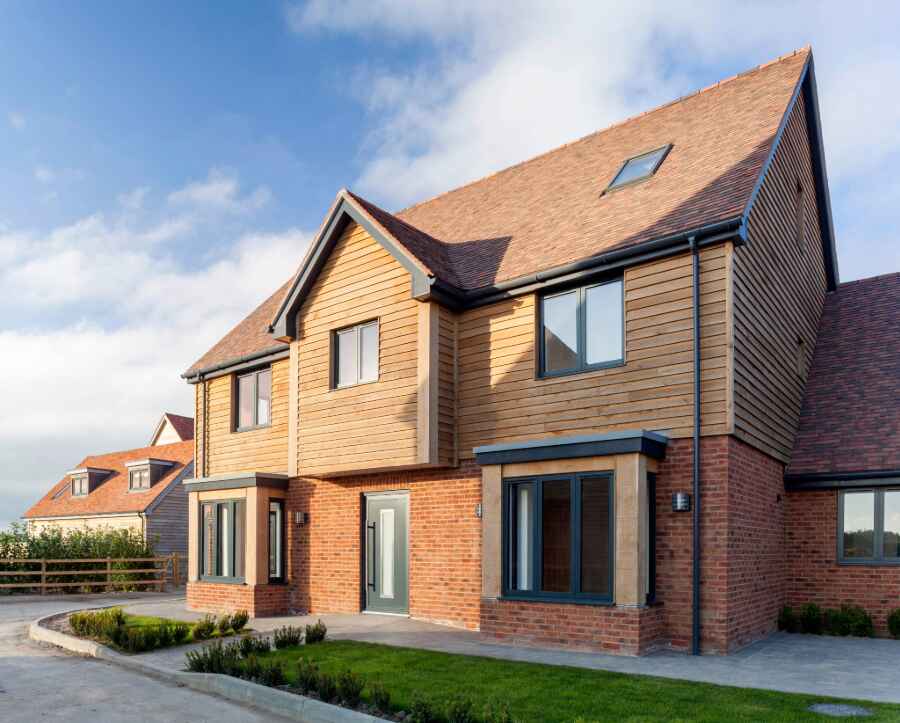
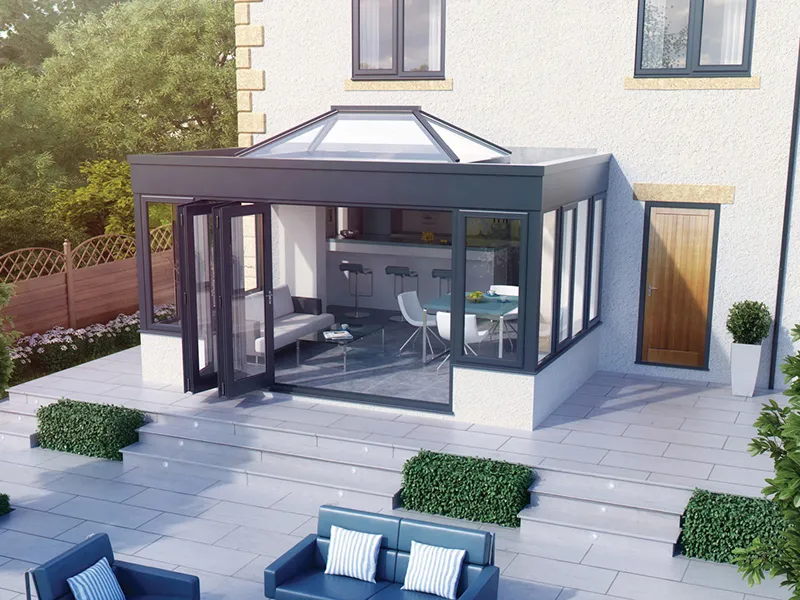
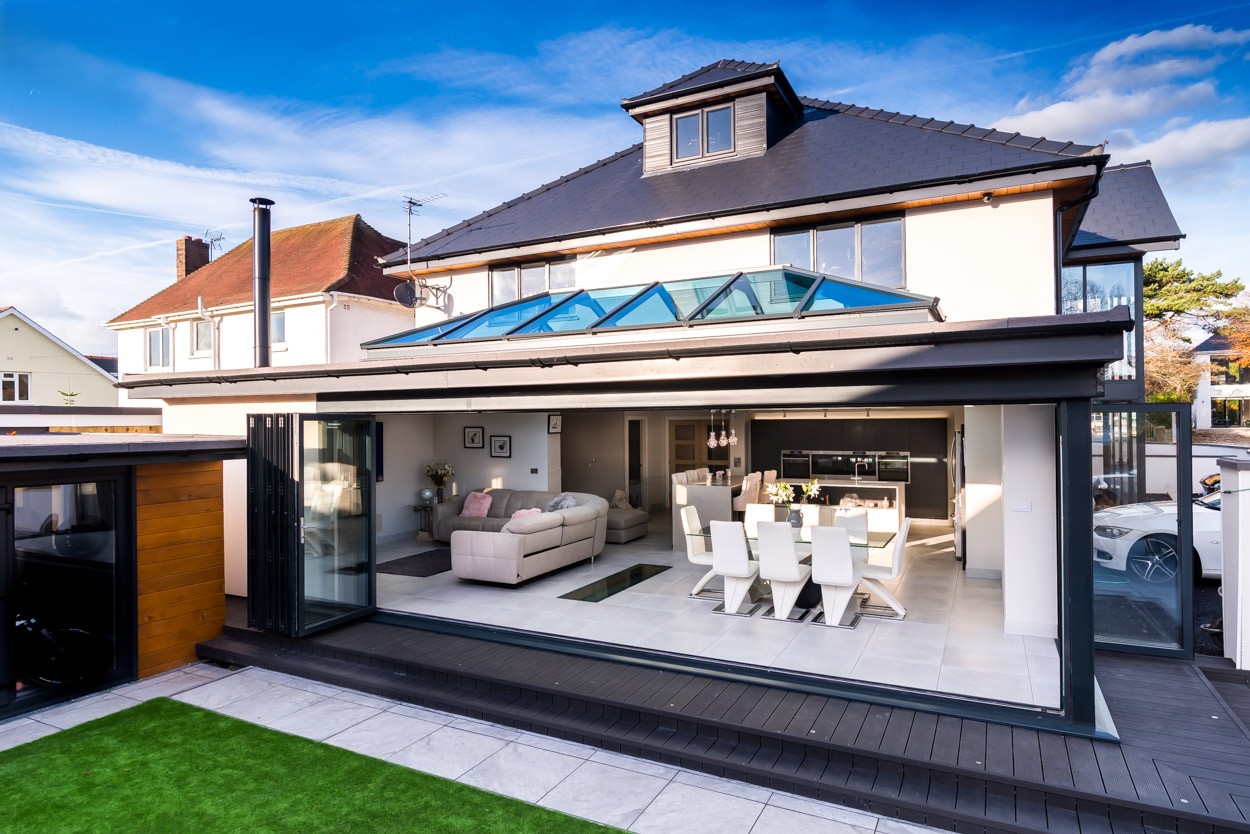
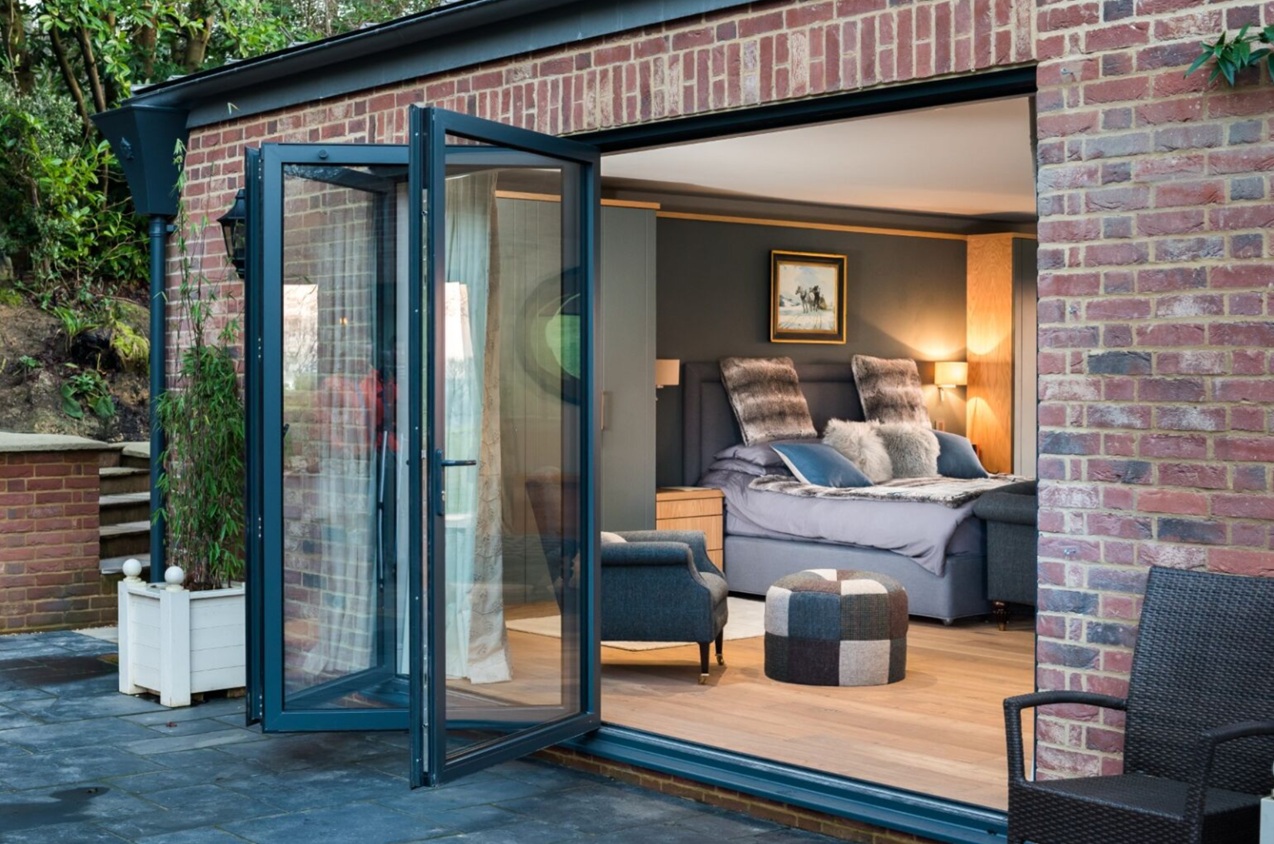
Planning a window replacement or a new building project brings up many design and practical questions. One that often comes up early on is to do with materials, with homeowners deciding between timber vs aluminium windows.
Both are popular choices for UK homes. Each also has its advantages depending on your priorities, while there are also potential downsides to consider. Before you make your choice, it’s important to spend time learning about the materials. After all, your window choice won’t just impact your home design, but also your day-to-day life and long-term goals.
That’s why we’ve made this impartial guide – to help you make a wise, informed choice based on your individual needs. From durability to energy efficiency and everything in between, you’ll be able to decide which material is right for your home.
Key Differences Between Timber and Aluminium Windows
Timber and aluminium windows might seemingly do the same job. But they vary in how they’re made, how they perform and how they look. Here are the main differences.
Material and construction
Timber windows are made from solid hardwood or engineered softwood. The frames are usually painted or varnished for protection and appearance.
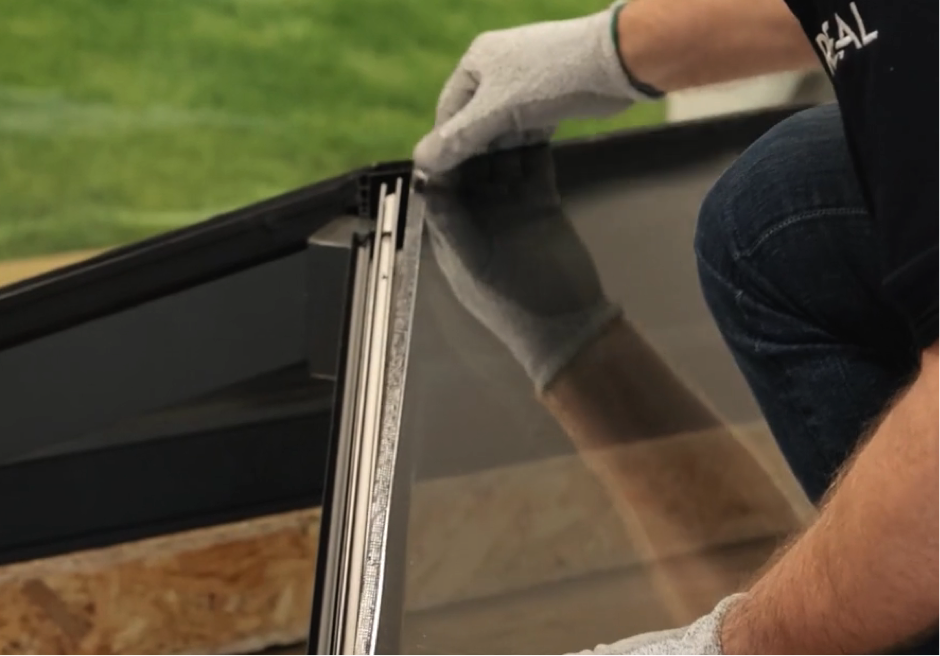
Meanwhile, aluminium windows are formed from strong metal sections. Modern aluminium frames typically include a thermal break system that improves insulation and energy efficiency. High quality frames are usually powder-coated for strong durability and colour stability.
Aesthetics and style
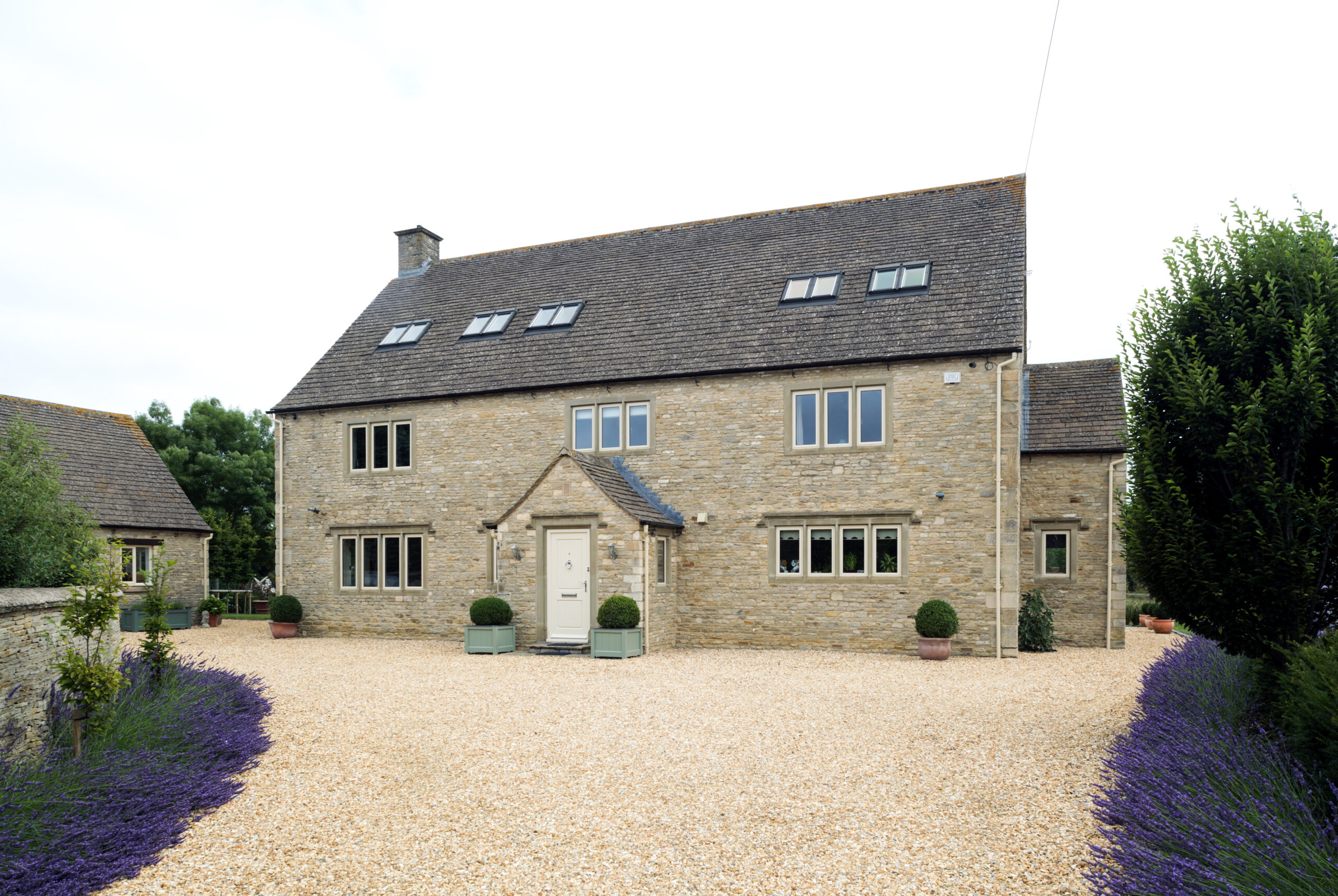
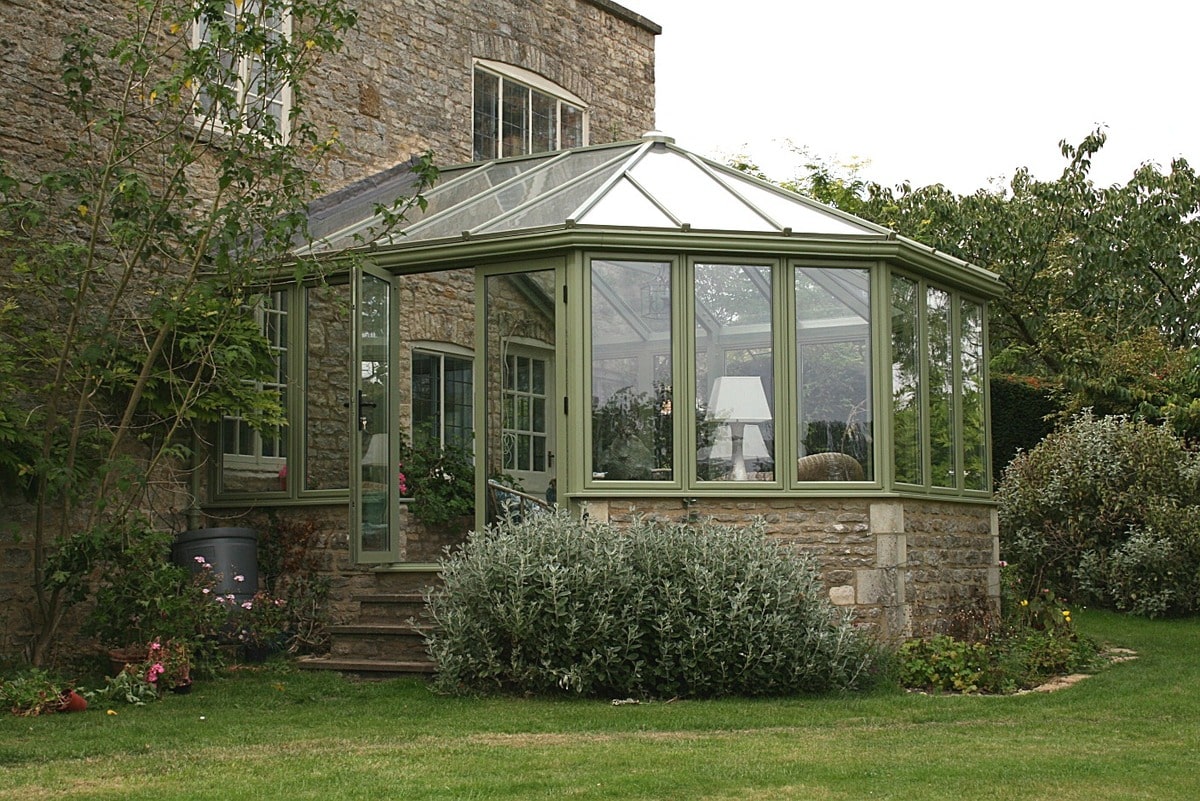
There are also differences in style. Timber has a natural warmth that many homeowners associate with traditional architecture. Grain patterns, painted finishes and classic detailing all work well if you have a period property.
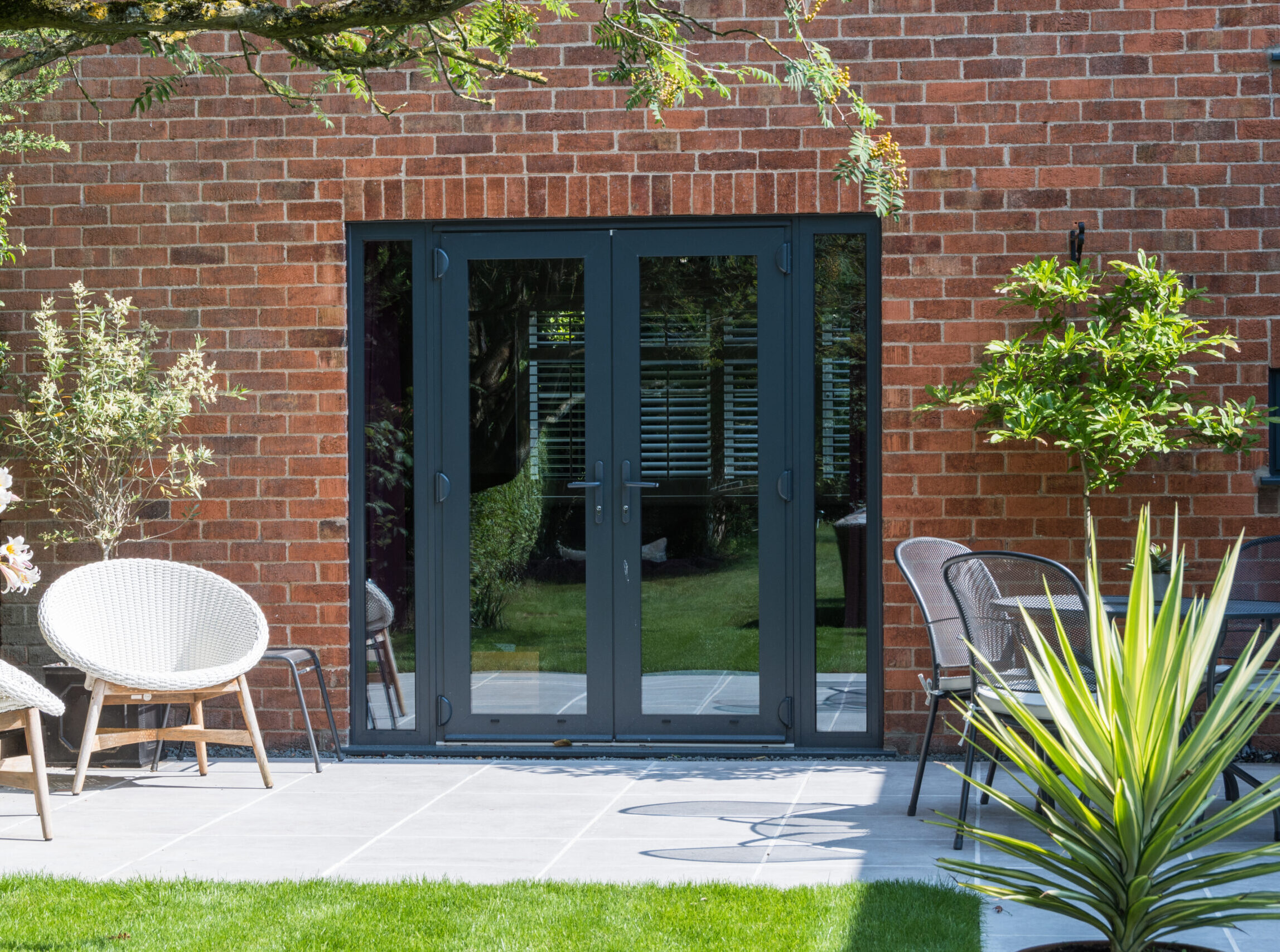
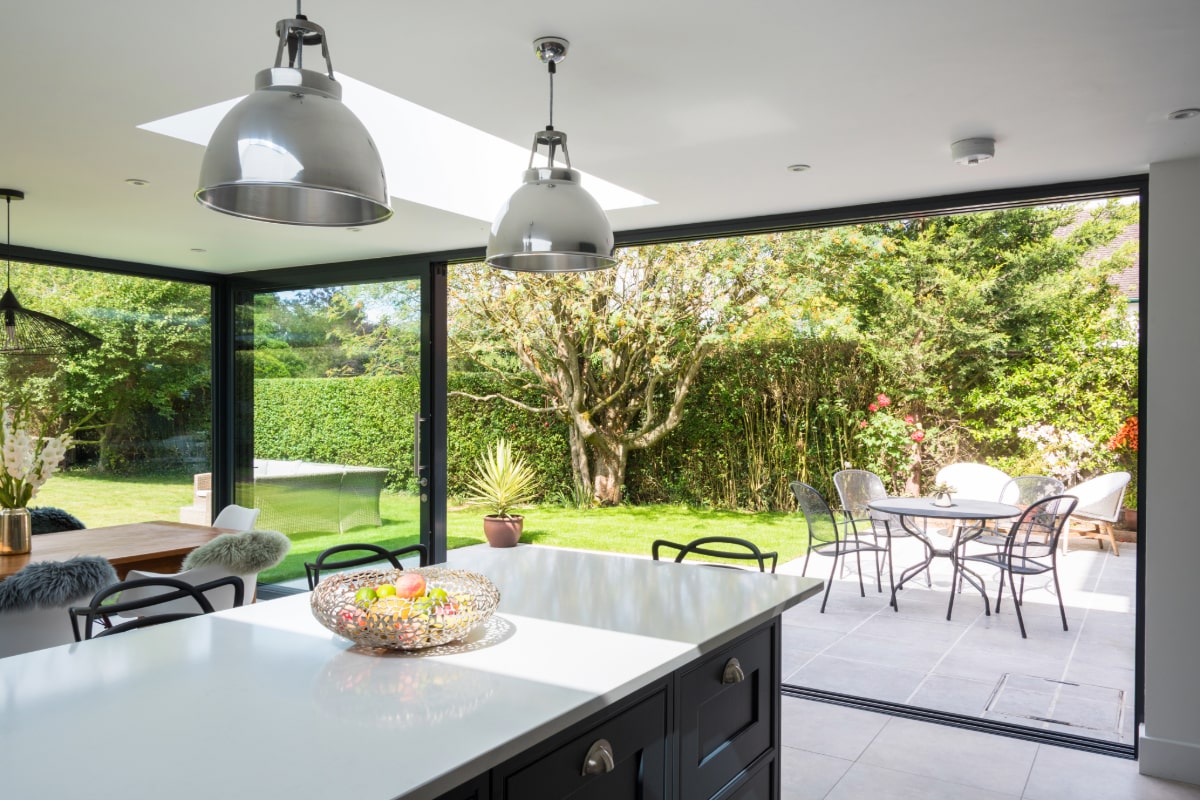
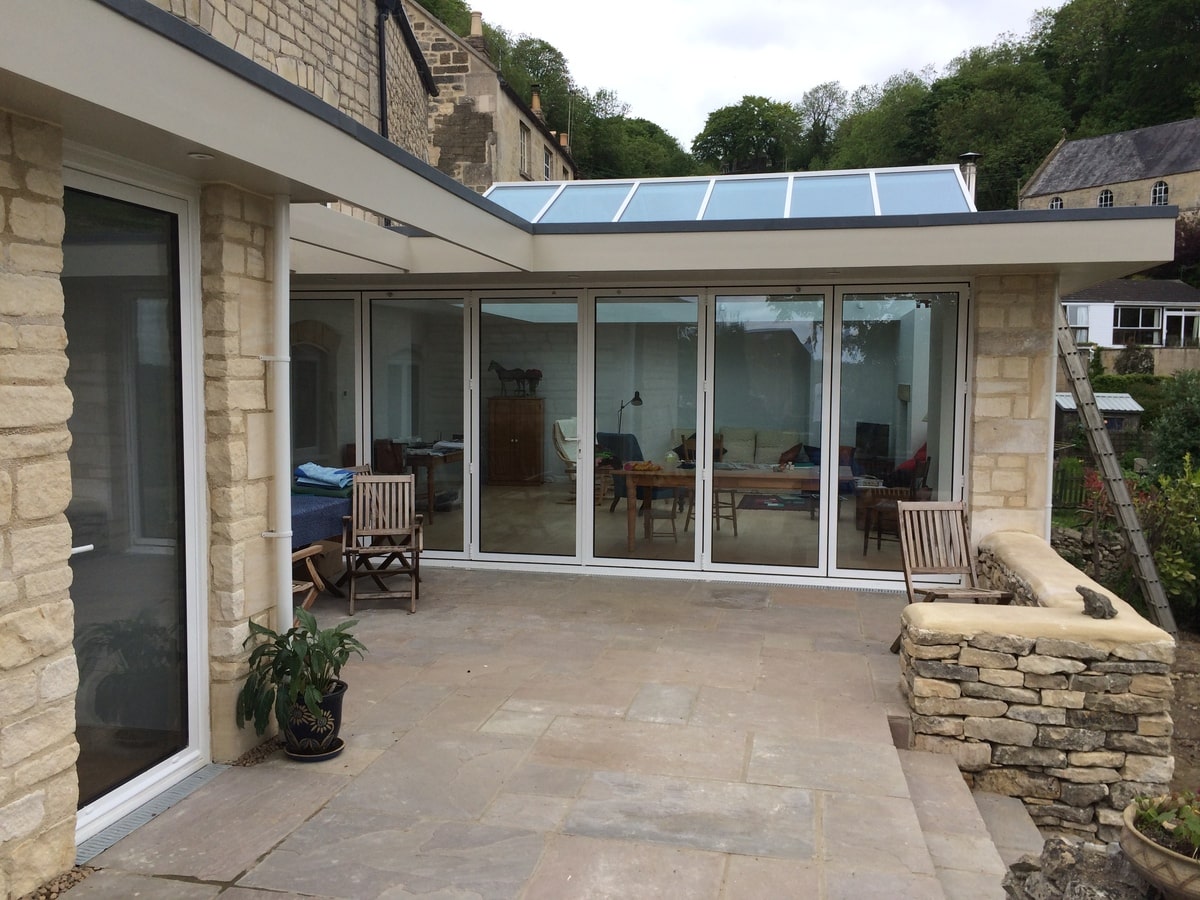
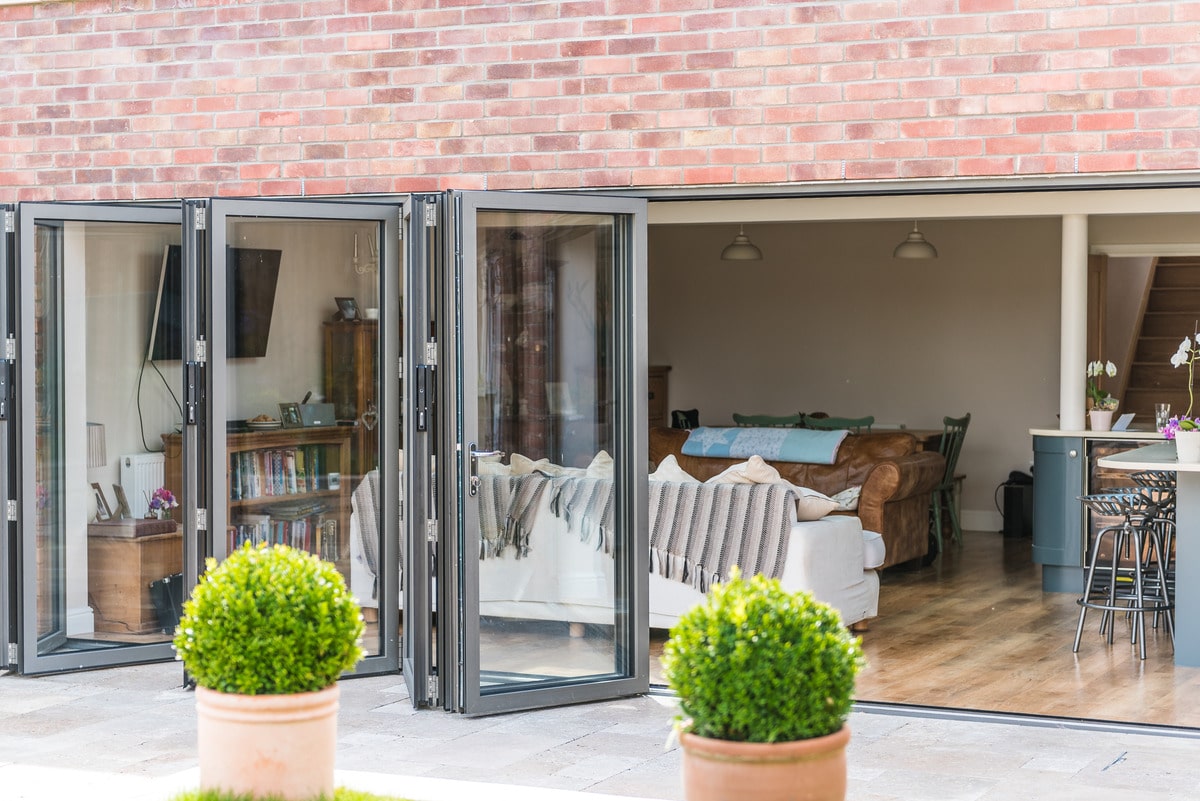
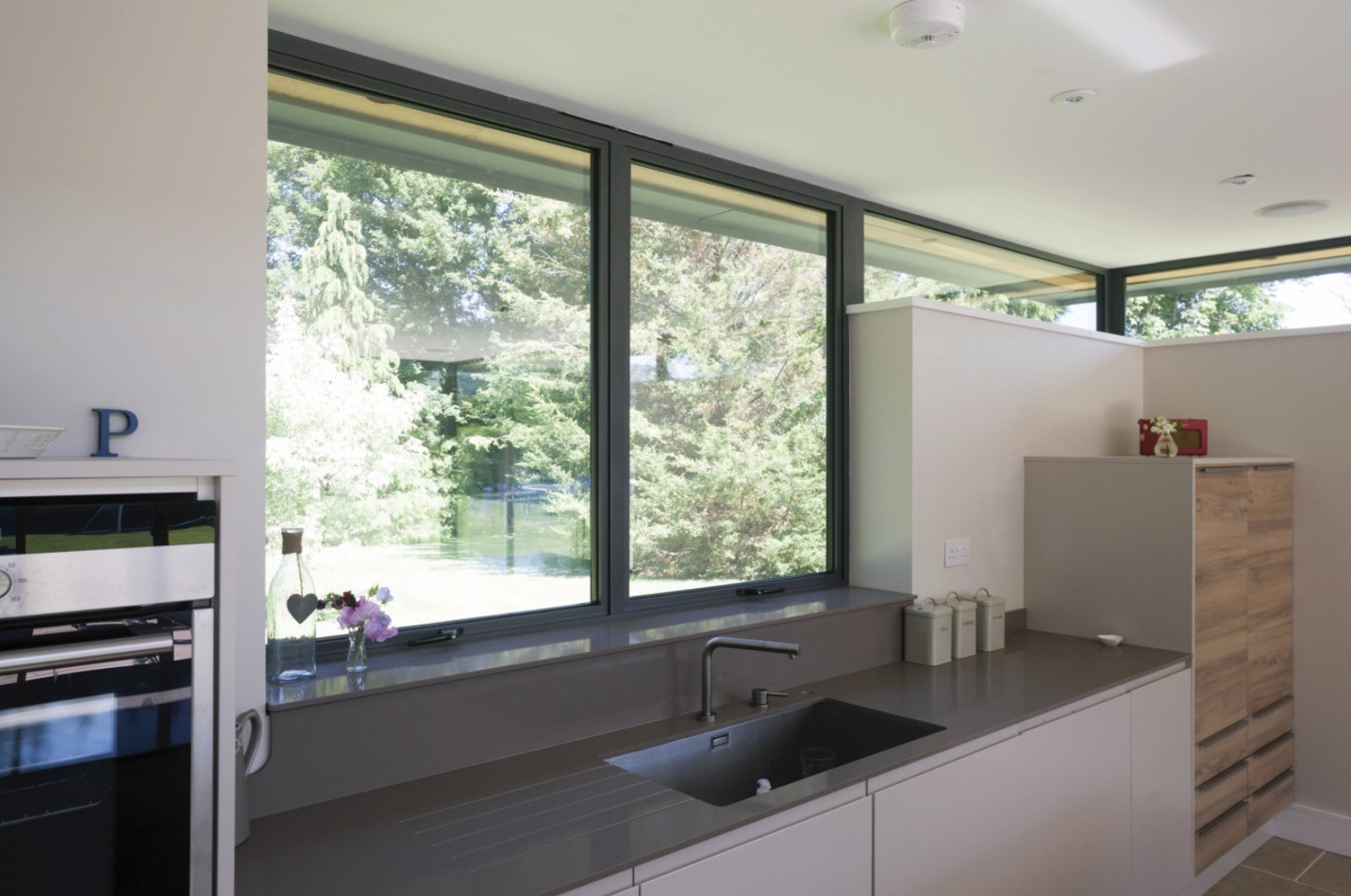
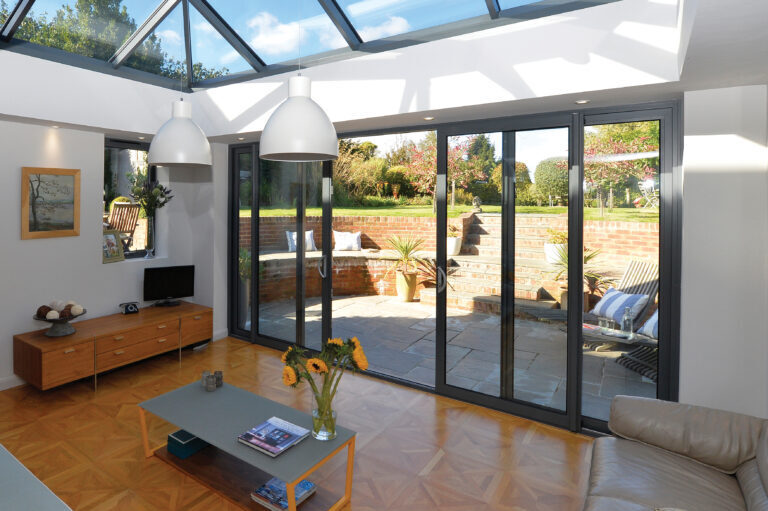
Aluminium’s slim frames and larger glass areas suit modern homes, extensions and open-plan spaces. It’s a popular choice when light, minimalism and strong sightlines are priorities.
Durability and maintenance
Timber can perform well when it’s properly maintained. However, it does require ongoing care. Painted or stained timber frames may need re-coating every few years, and may be prone to swelling, rot and general deterioration.
Aluminium is low maintenance by comparison. It doesn’t warp, rot or swell, while powder-coated finishes resist fading and weathering. Routine cleaning is usually all you will need to do – even over decades of ownership.
Frame size and light
Timber frames are usually bulkier than aluminium, particularly in traditional joinery designs. This slightly reduces the visible glass area – your personal preferences on maximising daylight will tell you if this is an issue or not.
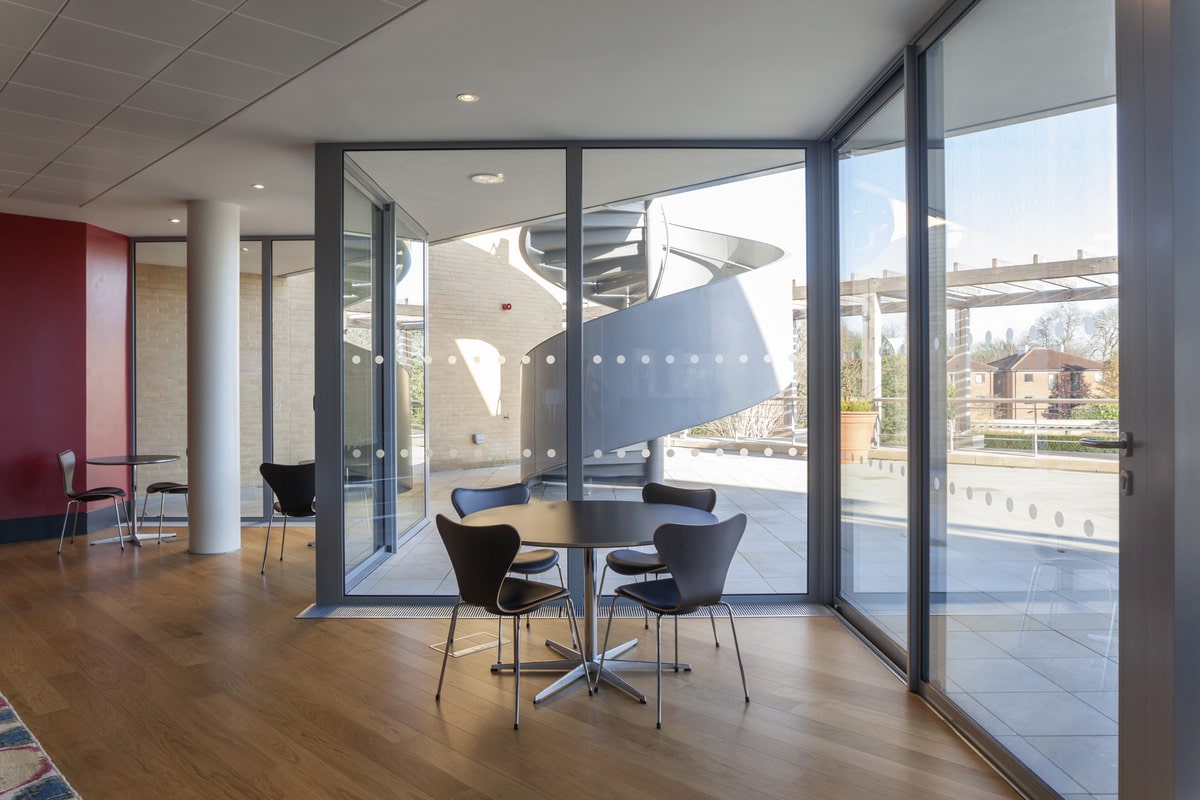
Aluminium’s strength allows for slimmer frames than timber designs. This means larger glass areas and more daylight entering your home. With extensions or contemporary designs, this minimal visual clutter can really make a noticeable difference to the feel of the room.
Environmental and sustainability
Timber is a renewable resource if it’s been sourced responsibly. This can make it appealing to homeowners who value natural materials. However, repeated painting, chemical treatments and more frequent replacement all have an impact on its lifetime environmental footprint.
Aluminium is fully recyclable and can be reused repeatedly without loss of quality. Its long lifespan and minimal maintenance mean fewer replacements over time – reducing resource use in the longer term.
When to Choose Aluminium Windows
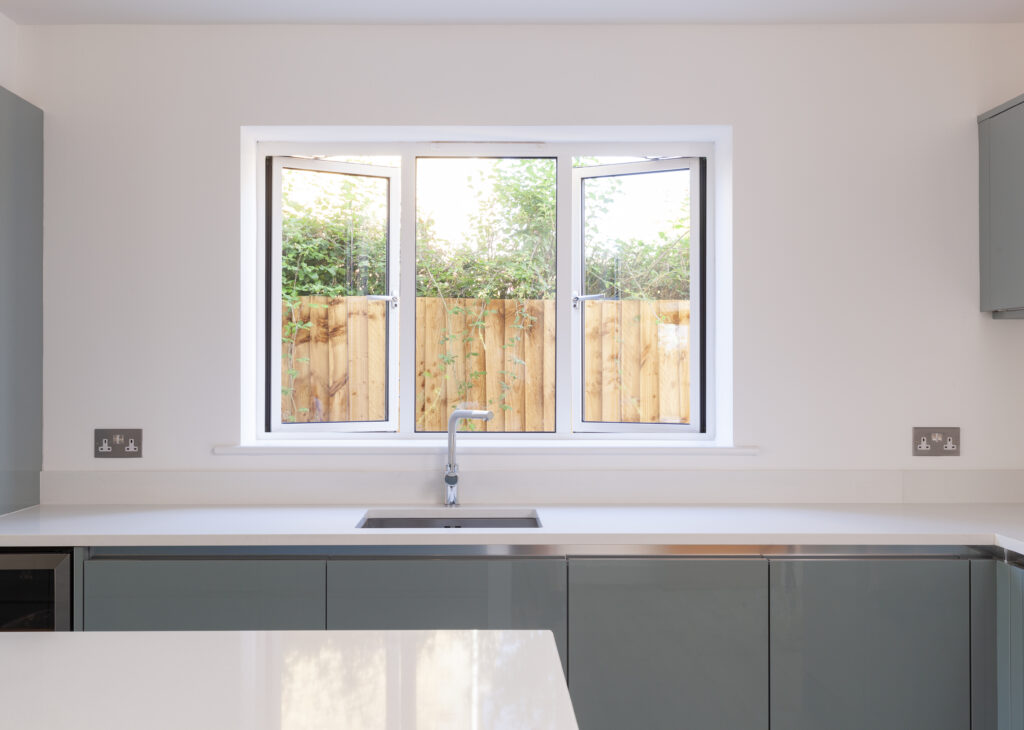
So, when should you choose aluminium windows vs timber? Above all, aluminium windows are a strong choice for homeowners who want clean design, strong performance and minimal maintenance. This makes them a good choice for:
- Modern homes with open-plan layouts
- Contemporary rear and side extensions
- Properties with large glazed areas
- Homes where light and views are priorities.
Your personal preferences also impact the best option. In terms of design and lifestyle needs, aluminium windows are a good option when you:
- Want low maintenance and only rare replacements
- Prefer sleek, modern frames
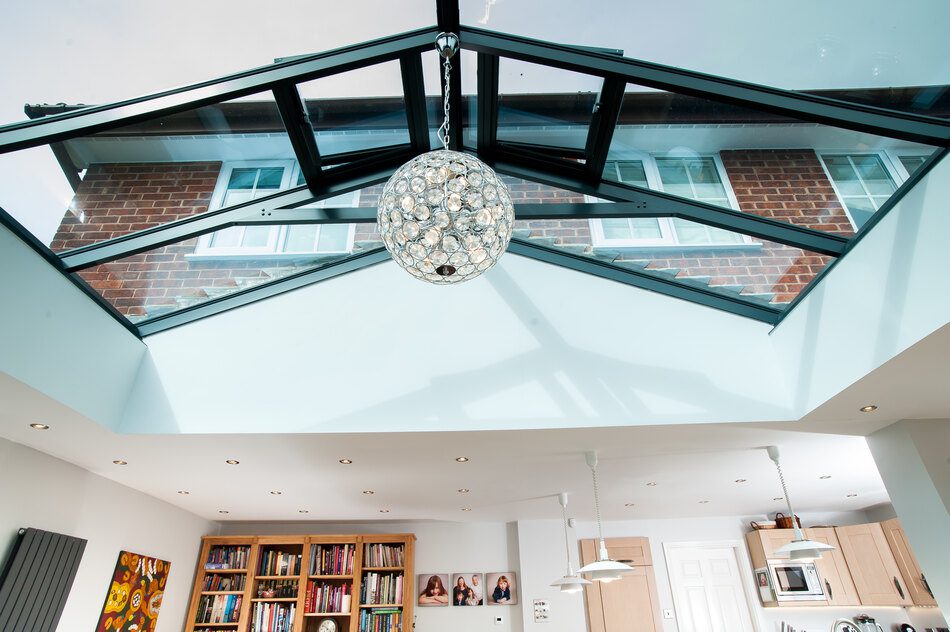
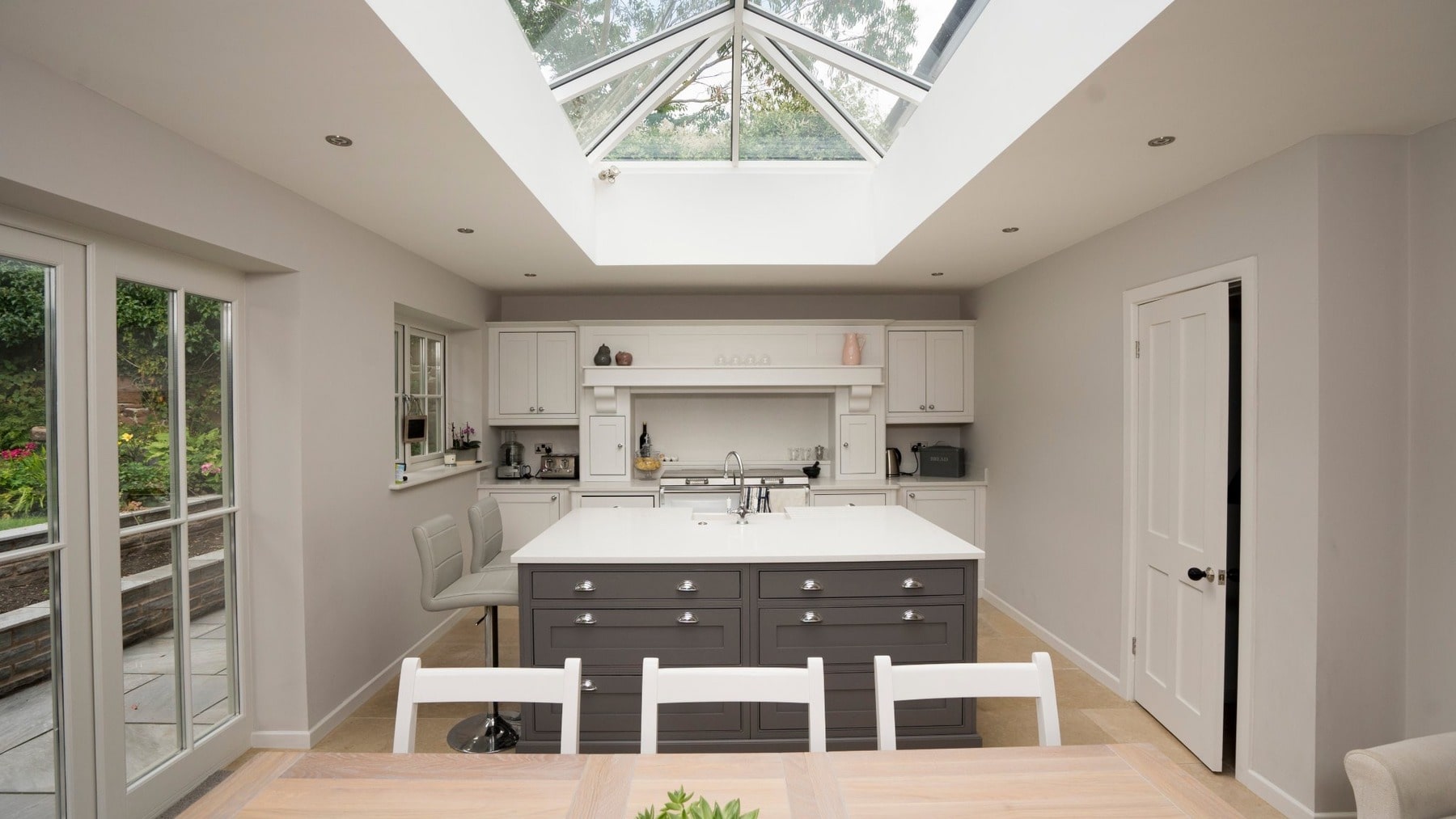
- Already have aluminium doors or roof glazing
- Live in an exposed or coastal location
- Are thinking in terms of long-term value.
This means, from an investment perspective, aluminium often appeals to homeowners looking for minimal fuss and long-term return on investment.
You can explore a wide range of aluminium window styles and finishes with Atlas Aluminium.
When to Choose Timber Windows
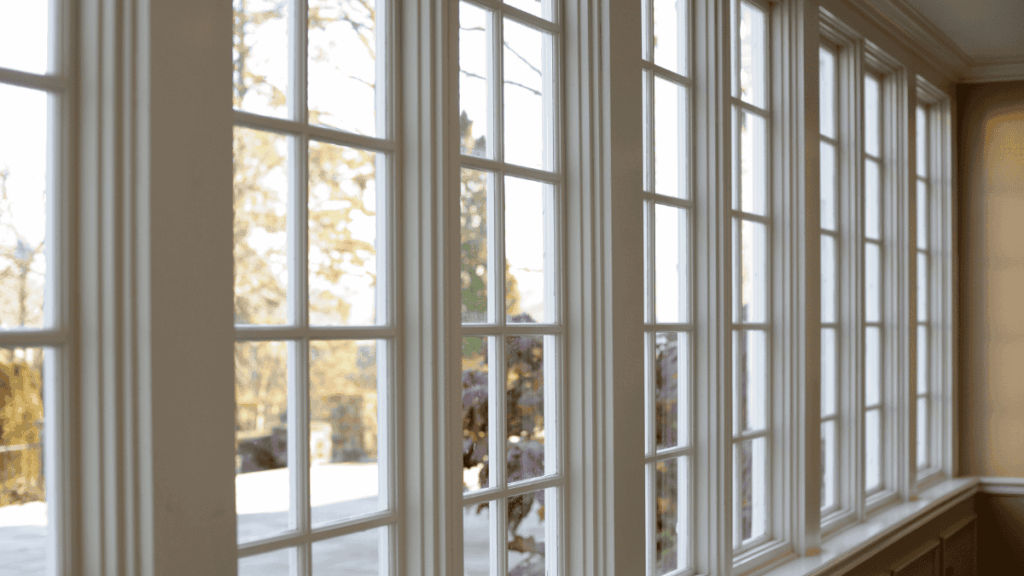
Meanwhile, timber is also a popular choice in many traditional homes. Many homeowners choose it as it has character, creating a cosy, warm feel. As such, you might choose timber windows when you:
- Are renovating a period or heritage property
- Want to retain original architectural detailing
- Prefer the texture and warmth of natural wood
- Have planning or local regulatory requirements regarding using natural materials
- Don’t mind the regular upkeep needed.
Timber windows work well in cottages or properties with smaller openings. Georgian properties, Victorian terraces and conservation areas are also a good fit for timber frames – basically, anywhere where maintaining the original look of the building is important.
Think about your own circumstances: Do you prefer natural materials? Could you keep up with the regular maintenance and potential replacement requirements? If so, timber could be the choice for you.
Lifespan
Now we look at important aspects of aluminium vs timber windows in detail. First, lifespan. In short:
- Timber windows typically last between 20 and 30 years when well maintained
- Aluminium windows commonly last 30 to 50 years or more.
In exposed environments or where maintenance is inconsistent, this can be a major difference. Powder-coated aluminium remains stable over decades and resists most forms of structural wear, even in tough conditions.
The individual lifespans of both materials are influenced by factors like:
- Exposure to the elements
- The quality of the installation
- General maintenance
- The specific design of the window system.
But in general, aluminium has the edge in long-term durability.
Energy Efficiency
Both timber and aluminium can deliver good thermal performance when properly designed and installed:
- Timber is naturally insulating. Its cellular structure helps reduce heat transfer, which is why traditional timber frames often perform well when paired with high-quality glazing.
- Aluminium was historically less thermally efficient. Modern aluminium systems, though, use thermal breaks and multi-chambered profiles to perform similarly well to other materials.
Longevity has an impact here. Over time, poorly maintained timber can develop gaps, distortion or surface damage that reduces efficiency. Aluminium usually performs consistently well over many decades.
For both materials, energy efficiency depends on the full system, including:
- Certified frame U-values (showing its energy efficiency)
- Double or triple glazing specifications (triple glazing will achieve better performance, though modern double glazing can still perform very well)
- Professional installation standards (expert fitting will make sure everything can perform at its best.)
Cost Differences
Upfront price is often the first factor homeowners consider. As a general rule:
- Timber windows usually cost less than aluminium in standard sizes, though bespoke timber joinery can be expensive.
- Aluminium windows often cost more initially, particularly for large formats or architectural designs.
However, upfront cost does not tell the full story.
Timber windows often need ongoing painting or staining costs. They also require more repair work, with earlier replacement in exposed locations.
While aluminium windows generally cost more upfront, there is minimal maintenance. And, when viewed over their 30 to 50 years expected lifespan, aluminium windows often add value in long-term reliability and property valuation.
Timber or Aluminium Windows: Making the Best Choice for You
When you choose between timber vs aluminium windows, the correct choice will depend on a few major factors. Things like how you want your property to look, how much upkeep you are comfortable with and how long you plan to rely on your windows all come into the equation.
But, in short, timber windows may suit you best if you:
- Live in a period property and want traditional character
- Prefer natural materials
- Can handle the regular maintenance
- Have smaller windows.
On the other hand, aluminium windows could suit you best if you:
- Want a modern home or extension
- Prefer large glazed areas and slim frames
- Like low maintenance
- Value strong long-term durability over upfront cost
- Already have aluminium doors or glass roof systems.
For many, aluminium is a quality balance of design flexibility, performance and long-term value. Explore the Atlas Aluminium range of aluminium windows to find your ideal fit.
FAQs
Are aluminium windows harder to maintain than timber windows?
Your choice of aluminium vs wood windows may come down to maintenance. In this case, aluminium windows are usually easier to maintain than timber.
Which is stronger, aluminium or timber?
Aluminium is structurally stronger than timber. This allows for slimmer frames and larger glazed areas.
Can aluminium windows offer the ‘look’ of wood?
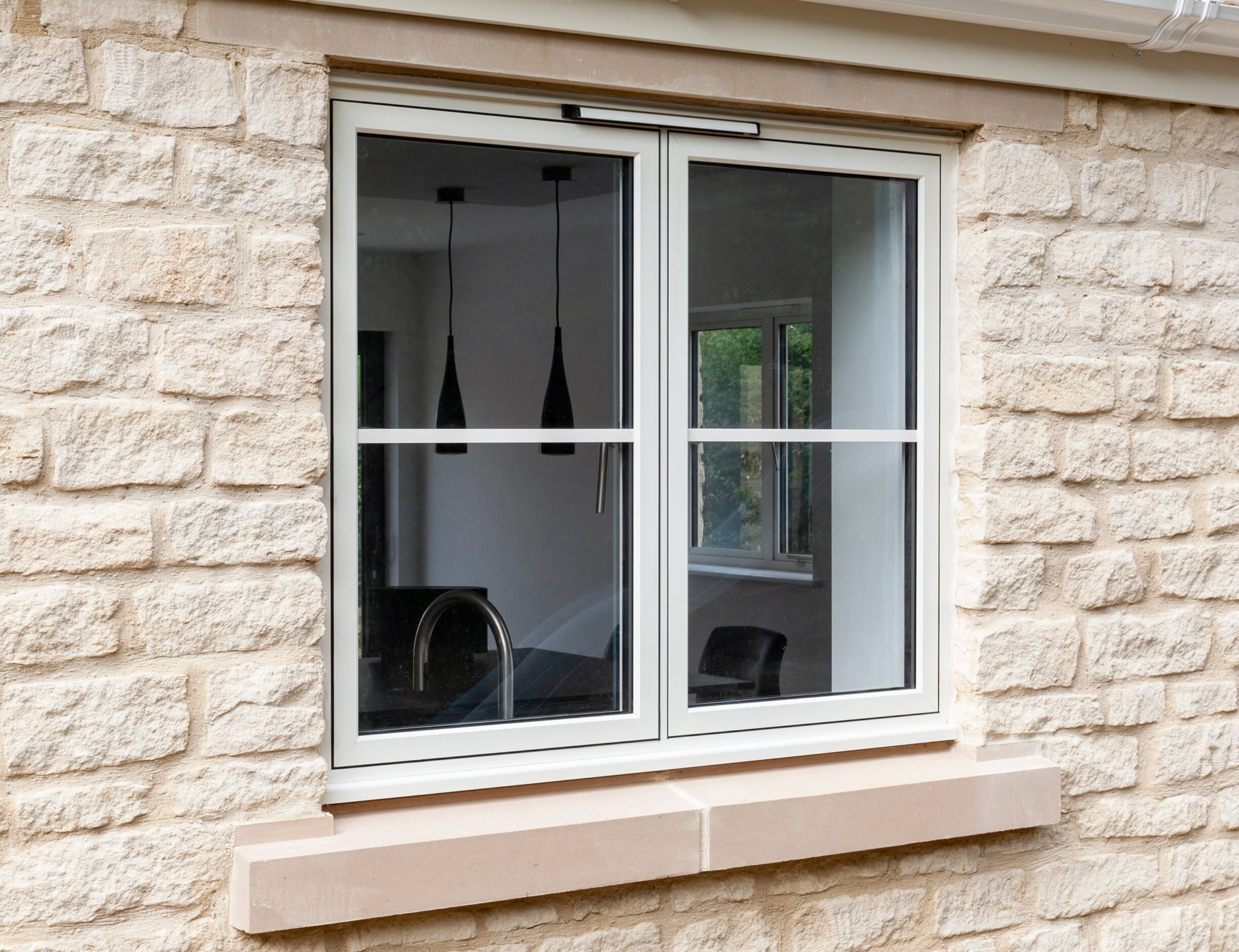
Aluminium windows are available in wood-effect finishes. In particular, aluminium heritage windows can replicate traditional timber proportions.
Which window material is more sustainable, timber or aluminium?
Timber is a renewable and sustainable material when it’s sourced responsibly. Meanwhile, aluminium is fully recyclable and lasts longer, reducing its lifetime environmental impact.
Which material holds its value better in the long-term?
Aluminium generally retains its performance and appearance for longer, which often offers better long-term value than timber. This often makes it a popular choice when choosing between wood vs aluminium windows.