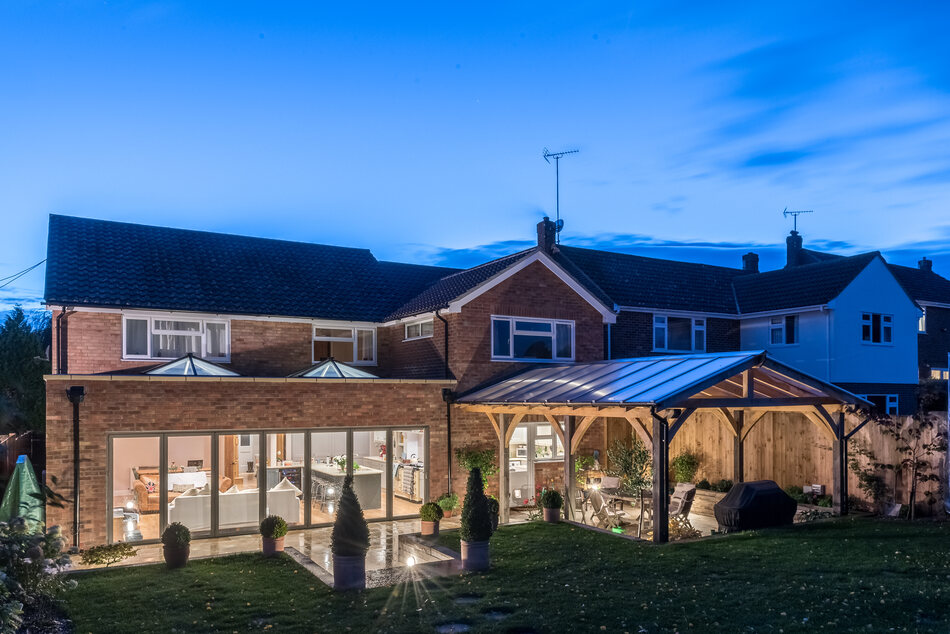
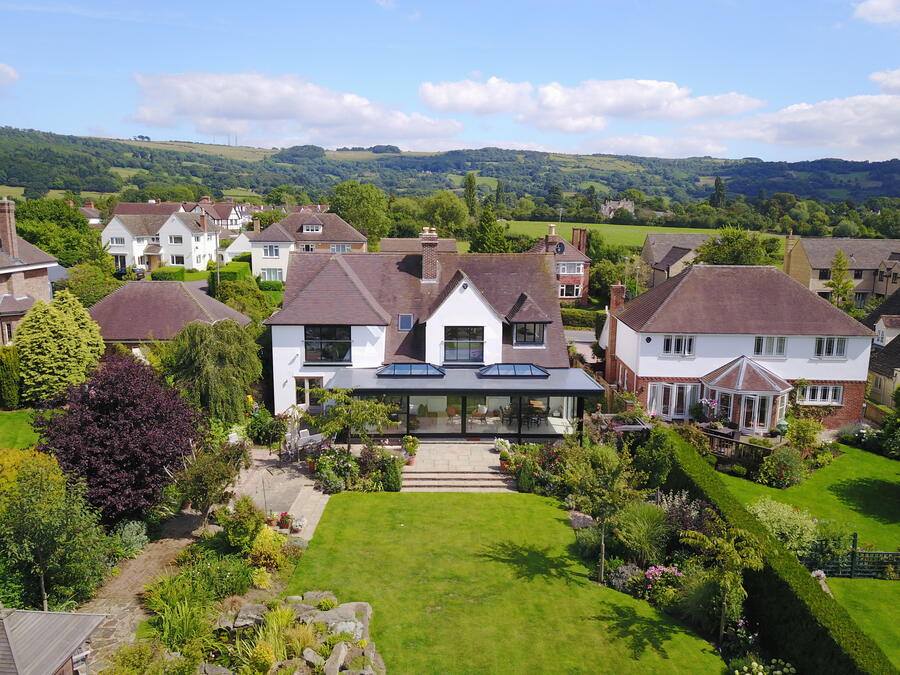
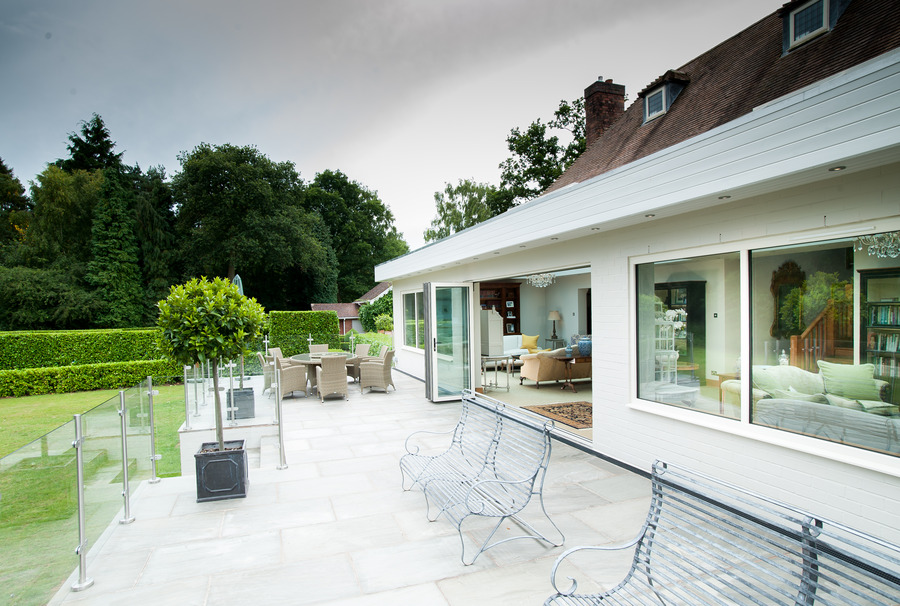
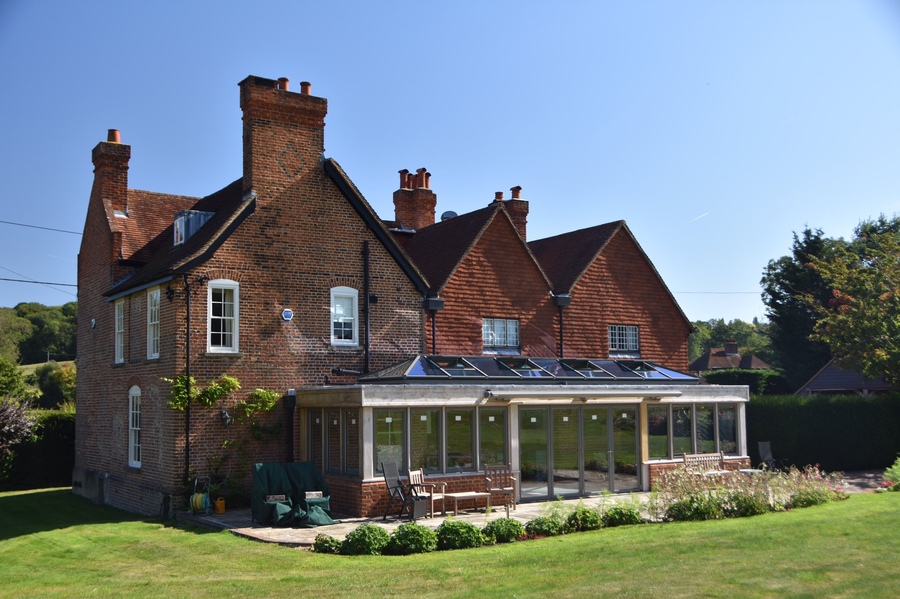
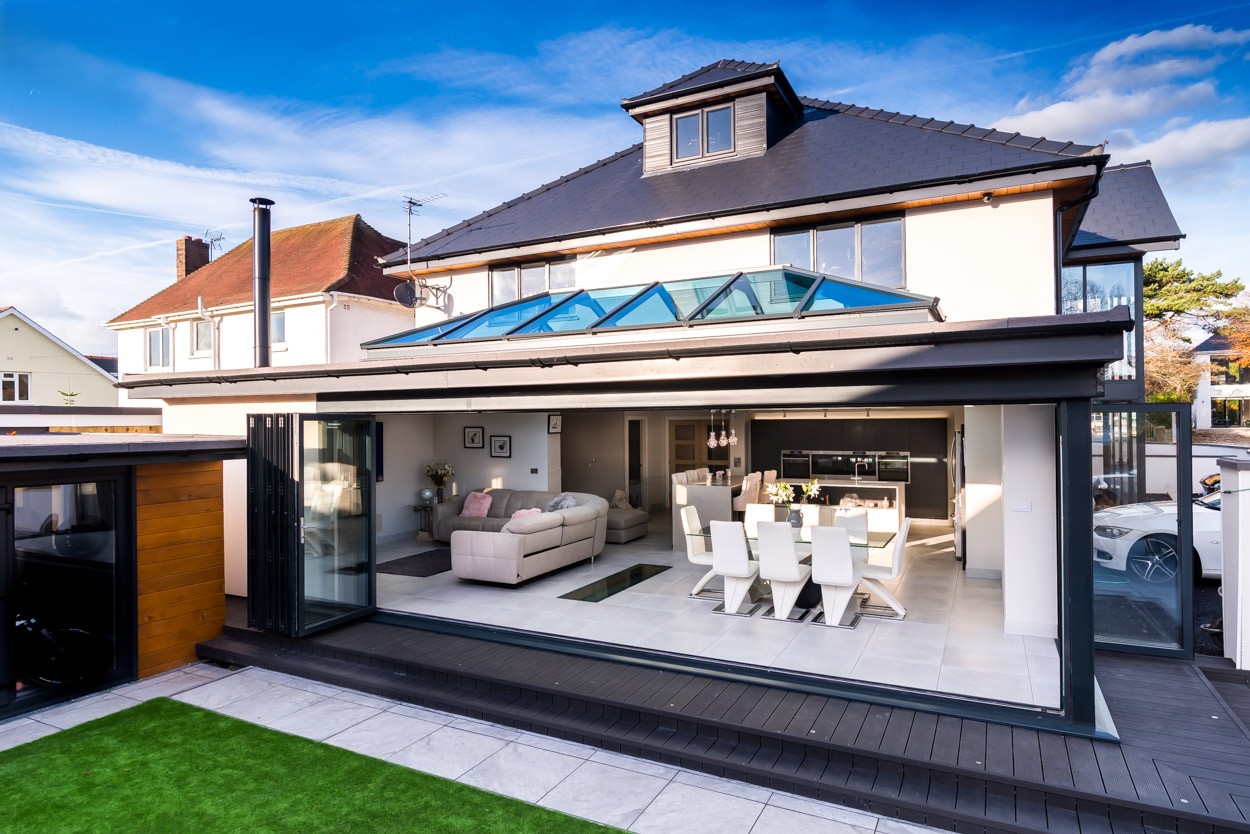
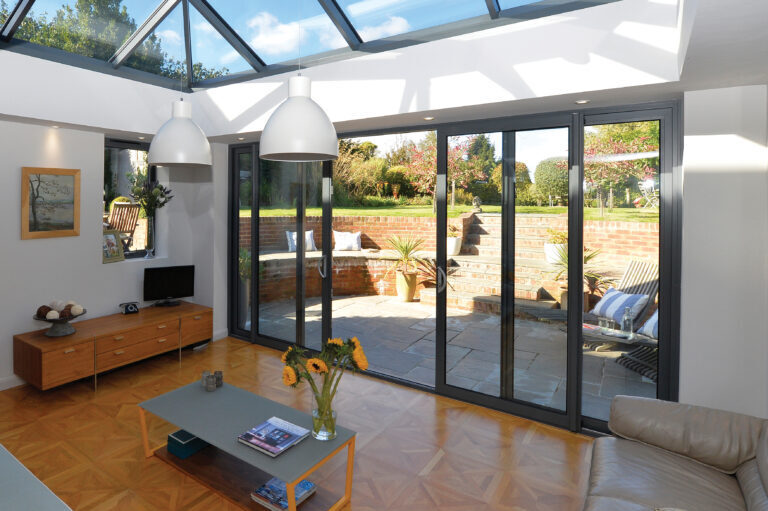
A sleek, modern, airy roof lantern is becoming an increasingly popular feature in modern UK homes. You’ll often see them bathing areas like rear extensions, kitchen diners, orangeries and flat-roof renovations in bright natural daylight.
But while they bring many benefits, roof lanterns also have some considerations. Installing one is not a decision you should rush. Some more common concerns include things like upfront and ongoing costs, heat control, light levels, maintenance and practicality. There also may be different systems that could be a better fit.
To help you decide, we’ll look at the pros and cons of roof lanterns. You’ll learn what roof lanterns are, the benefits they provide, potential drawbacks and which style is the best fit for your home.
Roof Lantern Definition
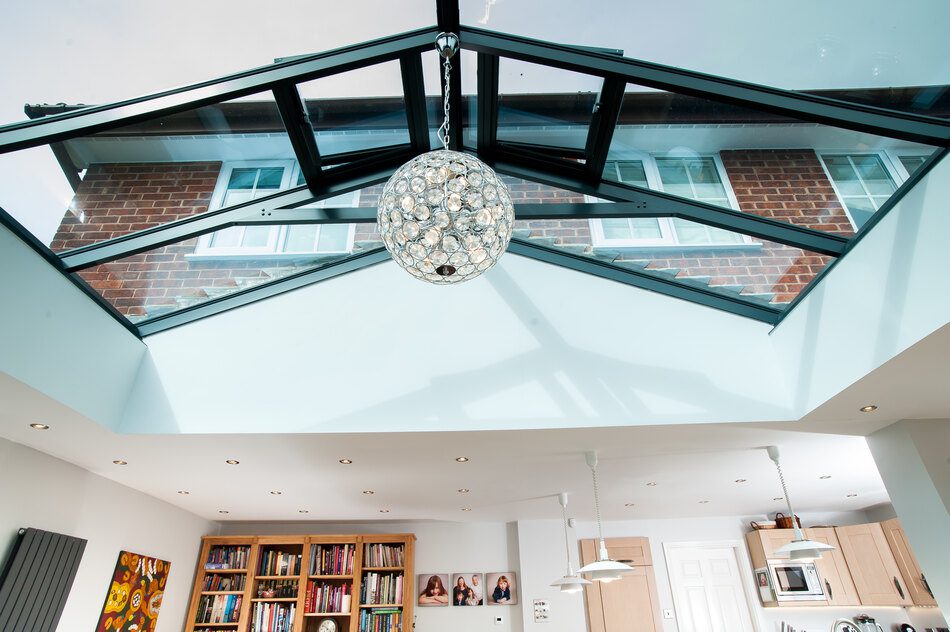
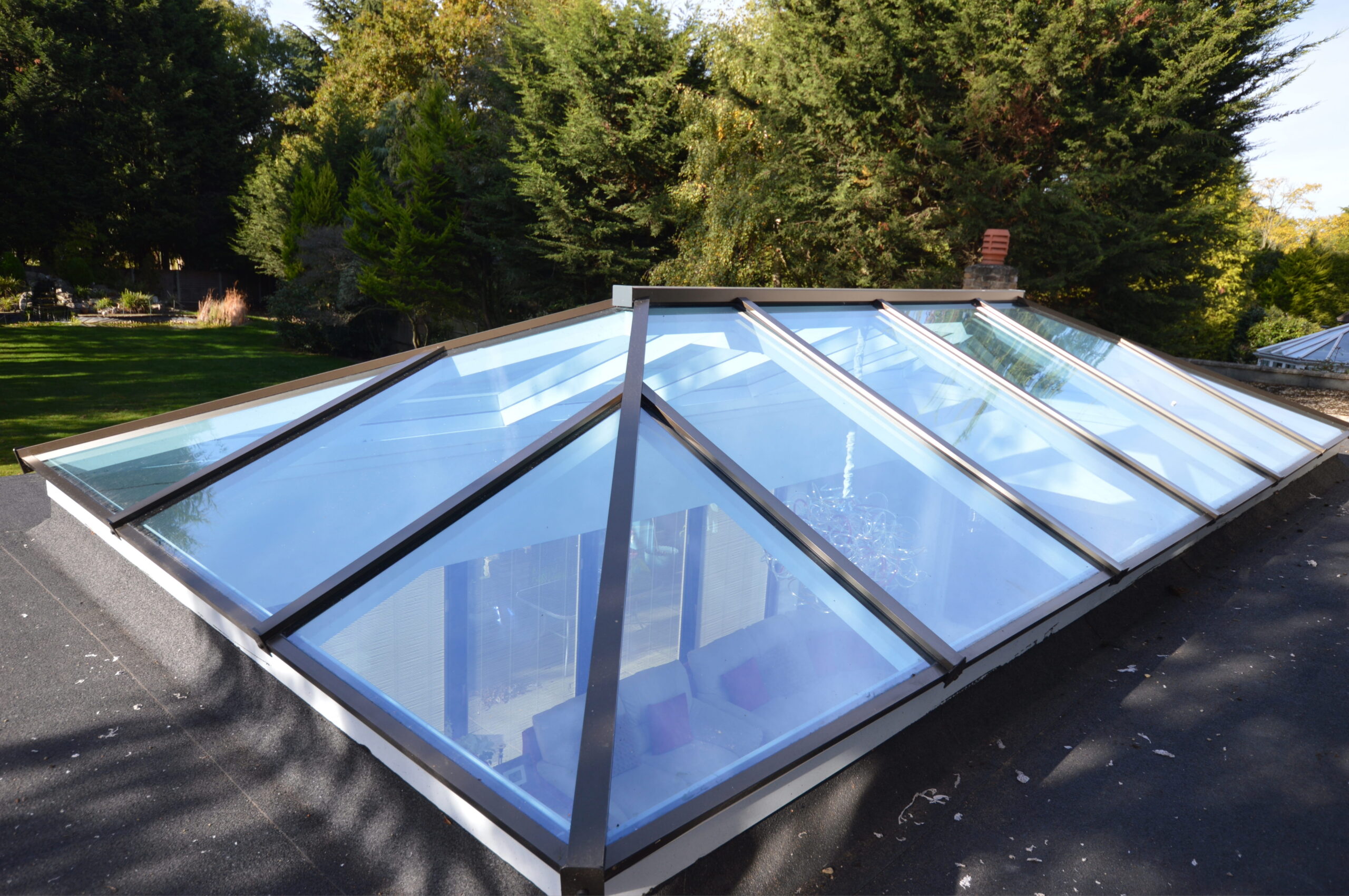
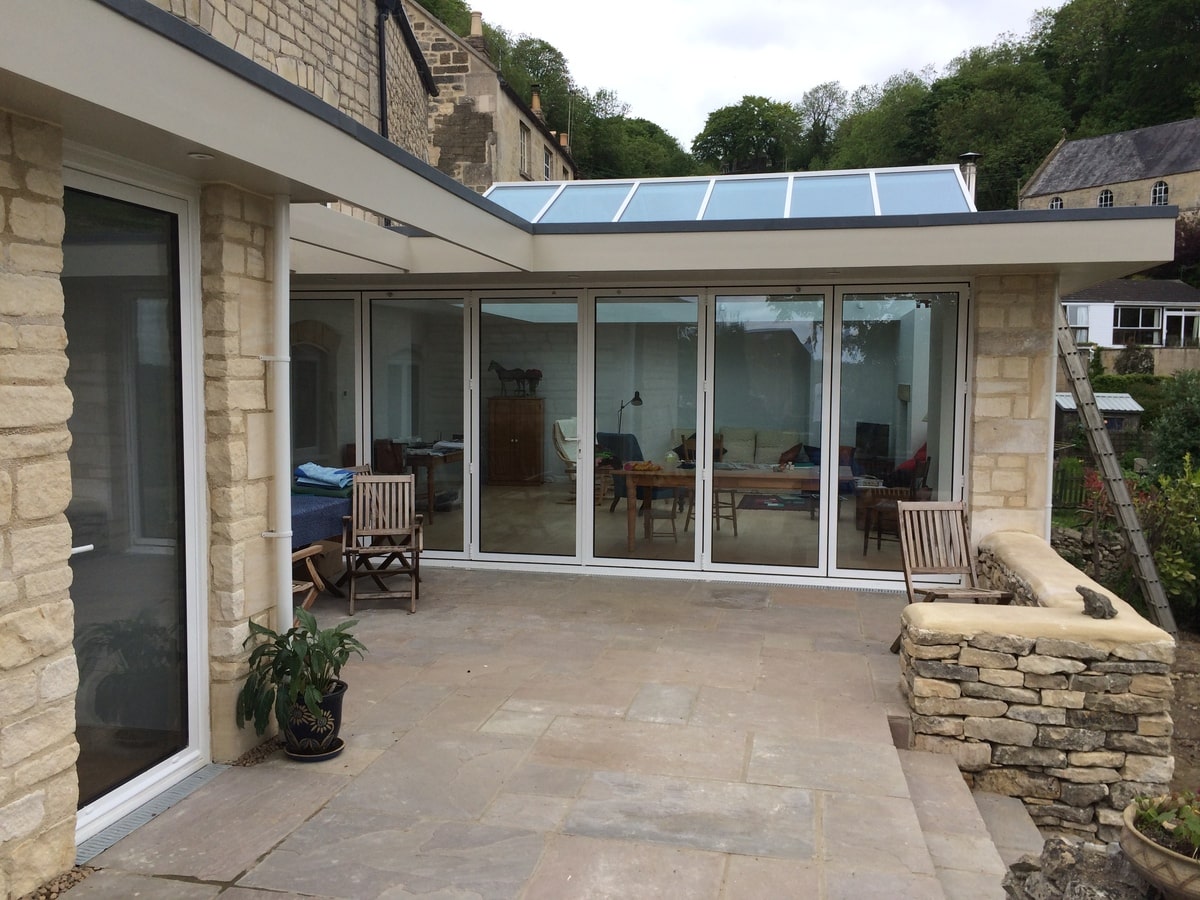
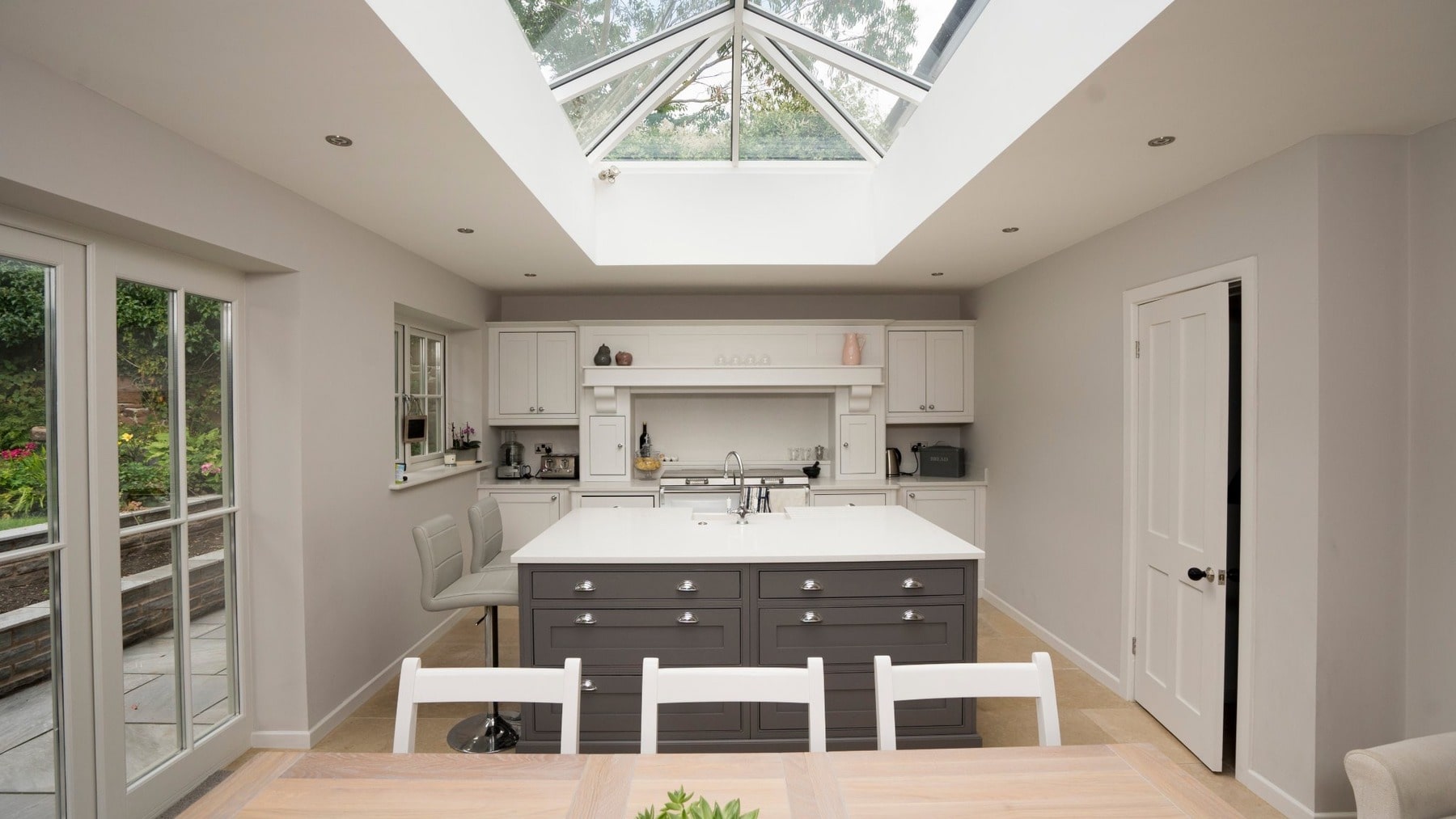
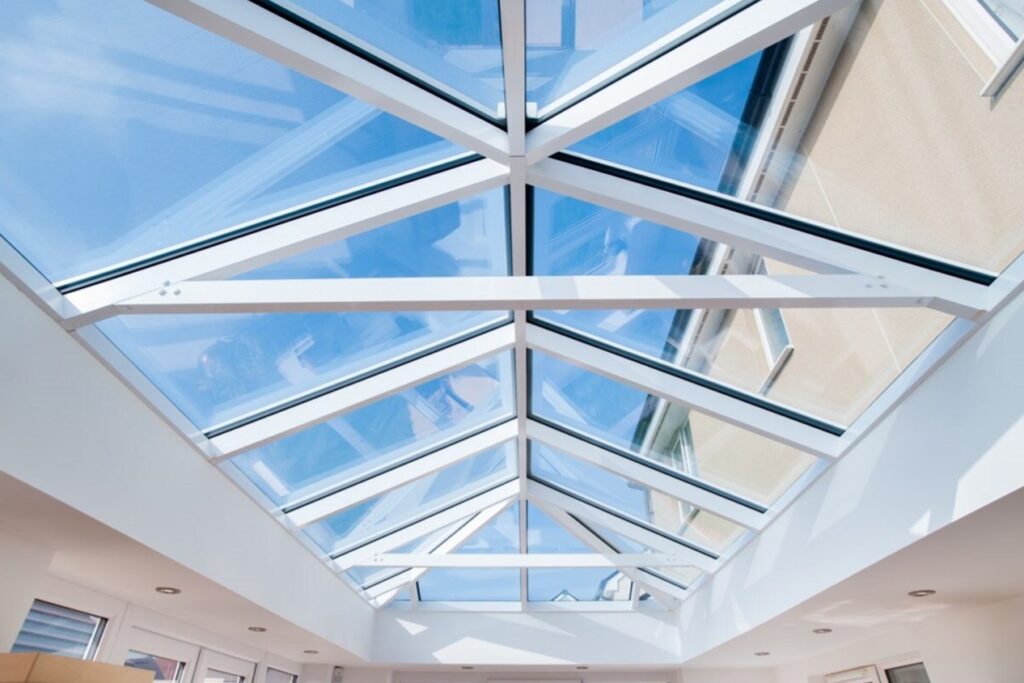
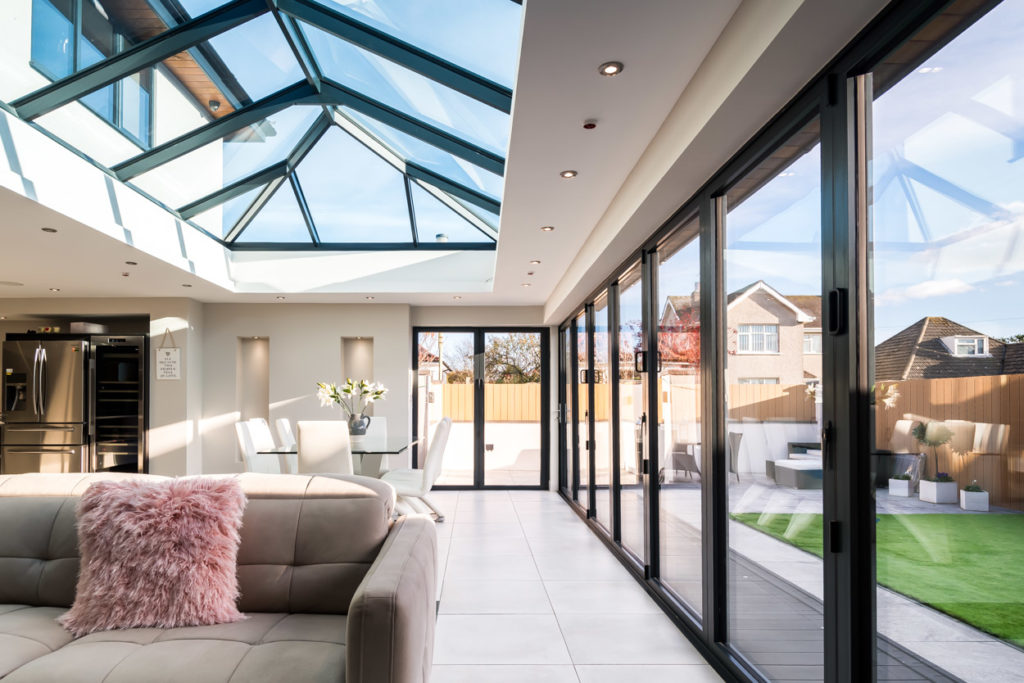
A roof lantern is a raised structure made of frames and glass. It usually sits within a flat or low-pitch roof. While its main purpose is to bring daylight into a space from above, the right roof lantern also brings many style and functionality advantages.
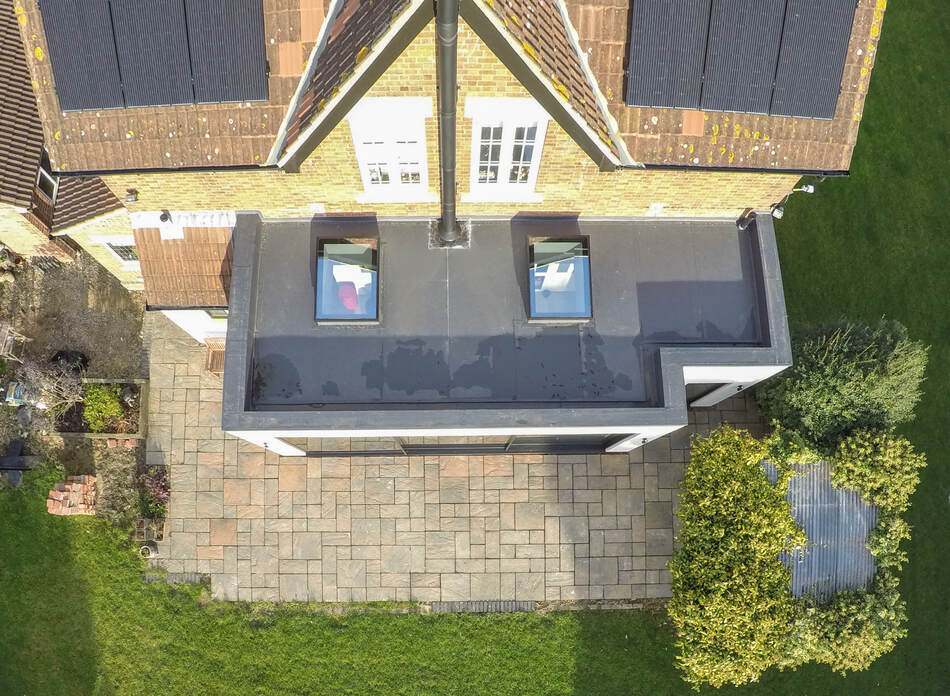
Unlike a flat skylight or rooflight, a roof lantern rises above the main roof surface, adding height and structure to the building. Its glass panels are angled on multiple sides. This allows light to enter from different directions throughout the day.
Roof lanterns work particularly well where wall space is limited or where homeowners want to create a brighter and more open feel. Areas like extensions and open living areas are popular, with roof lanterns removing the need for vertical glazing.
The Pros of Roof Lanterns
There are many benefits of installing a roof lantern.
Floods Your Home with Natural Light
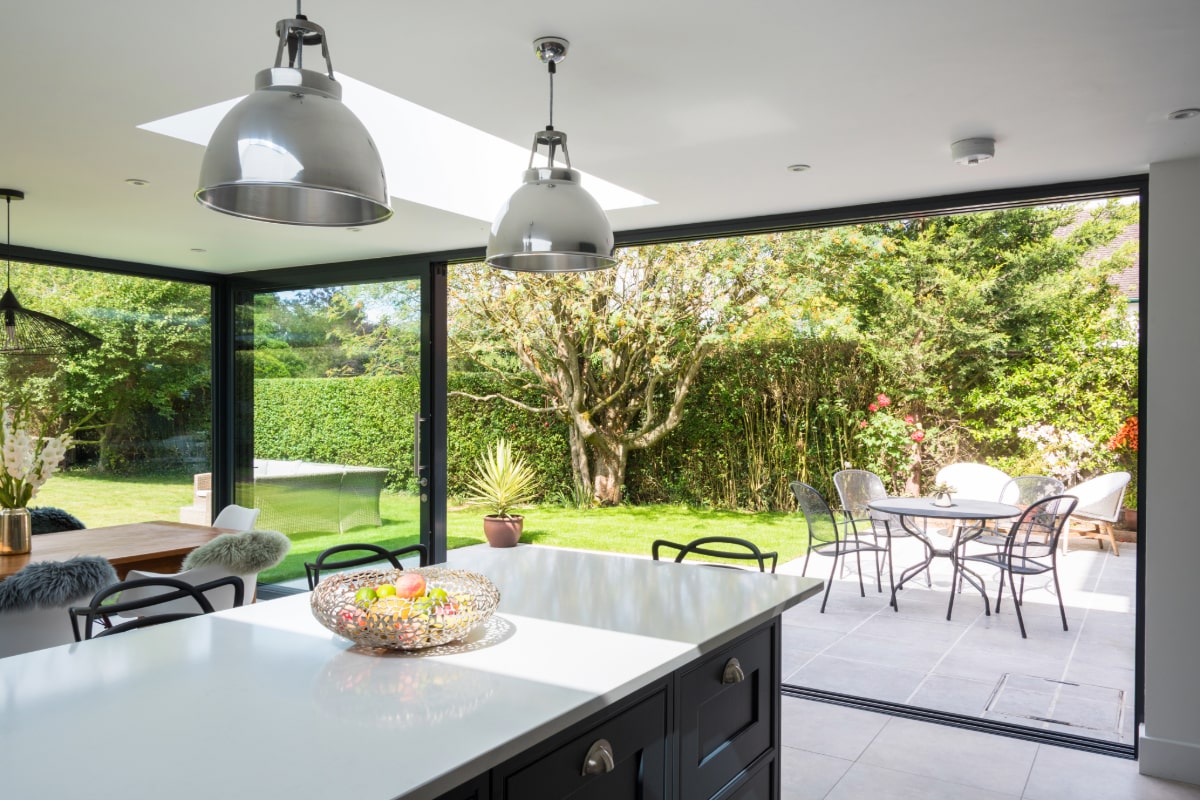
Picture your living areas suddenly flooded with natural daylight. One of the main reasons homeowners choose roof lanterns is this added quality of light. With this type of glass roof system, daylight can enter from above and spread evenly across the room, reaching areas that standard windows can’t.
If your property has north-facing extensions or is shaded by neighbouring buildings, a roof lantern makes everything feel brighter. For maximum effect, aluminium roof lanterns use slim frames that allow more light to enter, while bringing strength and longevity.
Enhances the Sense of Space and Height
As we’ve seen, a roof lantern extends upwards from the main roof. This adds all-important visual height to your room. In areas like flat-roof extensions – where ceiling height might otherwise feel limited – this can be a huge improvement.
But the height benefits aren’t only visual. Rooms with roof lanterns can feel more open and less enclosed. This can improve how the space is used and enjoyed, especially if you’ve got open-plan living areas.
Strong Visual Impact and Architectural Appeal
Roof lanterns, with their eye-catching designs and increased light, often act as a focal point within a room. They draw attention, while helping to define and extend your overall design themes.
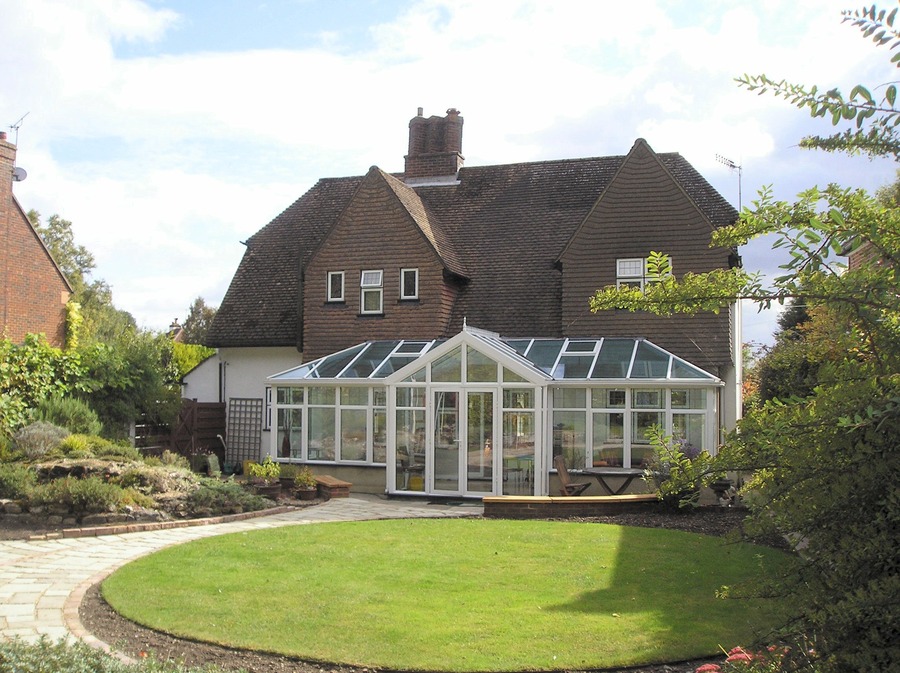
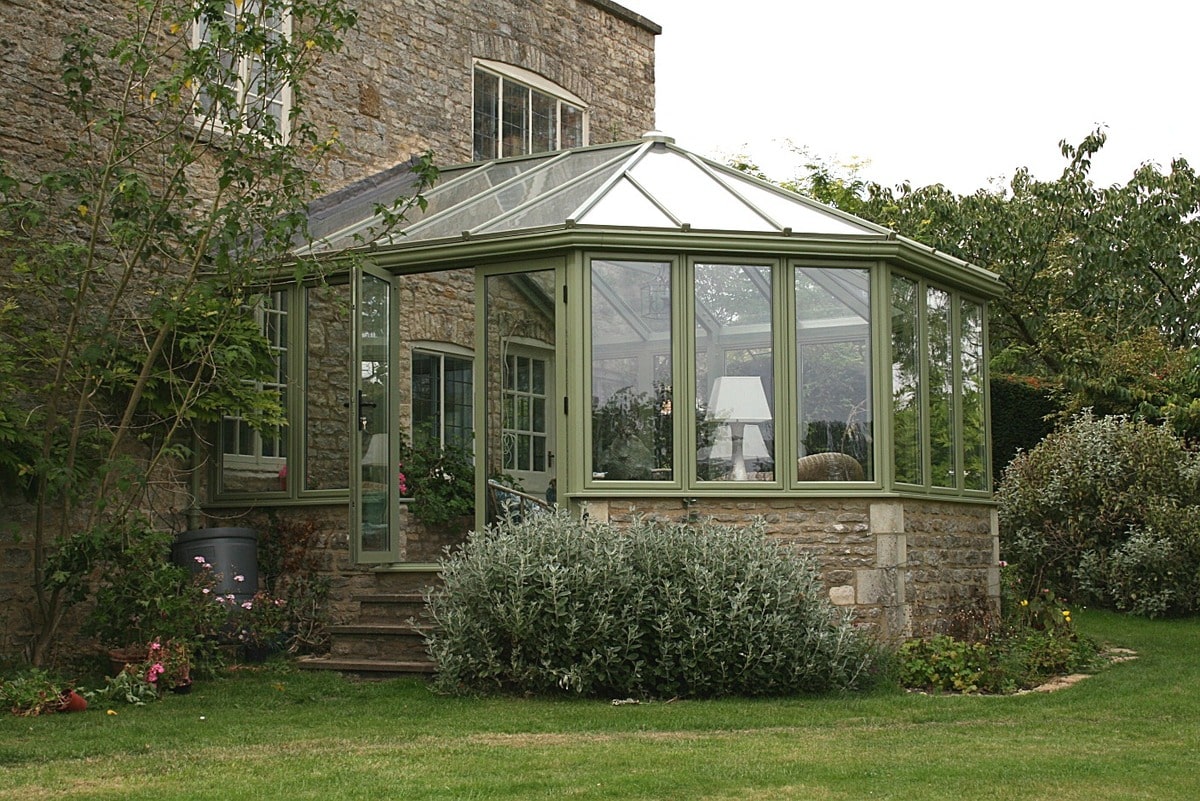
This means they can suit a wide range of property styles. Contemporary lanterns, for example, work well in modern extensions with clean lines and minimal detailing. Otherwise, more traditional designs can complement period homes and orangeries, where decorative glazing bars suit the overall look. It all depends on your individual tastes.
Excellent Thermal Performance with Modern Systems
Many older roof lantern designs had a reputation for being cold and prone to condensation. But modern thermally broken aluminium systems are very different. They reduce the transfer of cold and lower the risk of condensation forming on the internal frame.
When aluminium frames are specified properly and paired with high-performance glazing, coatings and solar-control glass, results are comparable to the most efficient frames on the market. For you, that means reduced heat loss in winter and controlled heat in summer.
Wide Choice of Sizes, Colours, and Styles
Today’s roof lanterns are available in a broad range of standard and bespoke sizes. This makes it easier to match the lantern to the proportions of your extension or renovation. You can also finish them in a wide palette of single and dual colours, coordinating with your existing windows, doors and glazed systems.
Adds Value and Desirability to Your Home
There’s no doubt about it – bright, light-filled spaces make for highly desirable homes. That’s why, while no feature guarantees a return on investment, roof lanterns are often seen as a premium upgrade. Of course, they can improve your day-to-day at home now. But they can also make your property more appealing to future buyers and help set it apart from similar homes.
The Cons of Roof Lanterns
Next, we see the potential limitations of roof lanterns.
Higher Cost Compared to Standard Skylights
The first, and most obvious, drawback is budget. Roof lanterns usually cost more than flat rooflights. This is due to their structure, materials and the complexity of installation, and the price difference can be noticeable – especially for larger systems. This might not be justifiable for all projects.
However, it’s important to remember that roof lanterns deliver much more impact and light distribution than flat skylights. The extra investment may well be worthwhile when the lantern is a defining feature of the space.
Potential for Overheating if Poorly Specified
There are also some areas where cutting corners causes issues down the line. One of those is overheating. Large areas of glass can lead to solar gain if the wrong glazing is used – especially south-facing rooms or with limited ventilation.
Instead, choosing the right glazing specification, such as solar-control glass, helps reduce heat build-up. Orientation and shading should also be considered during the design stage, with ventilation options for extra help.
Requires Structural Planning
Roof lanterns need proper support, often involving steelwork or reinforced openings. For this reason, structural planning should always be handled by experienced professionals.
Your choice of frame will also impact this. For instance, a modern aluminium roof system helps keep frame weights manageable and supports long-term performance.
Cleaning and Maintenance Considerations
There’s also the question of maintenance. Roof lanterns sit above the roof, open to the elements. This means the external glass will need occasional cleaning.
As such, you should think about access – especially on taller extensions. You can also opt for materials that reduce maintenance needs. Some glazing options include self-cleaning coatings, which helps reduce upkeep over time, while aluminium frames are low maintenance and shouldn’t need repainting.
Not Always Suitable for Very Small Roof Areas
Finally, in compact spaces, a full roof lantern may feel out of proportion. Smaller roof areas may suit a flat glass rooflight, for example, which won’t completely dominate the reduced area. Generally, a roof lantern works best when it has enough surrounding roof space to look balanced.
Roof Lantern vs Skylight: Which Is Better?
So, if you’re deciding between a roof lantern and a skylight, which is better for you? It depends on the space and what you want to achieve. Here are some of the key differences:
- Roof lanterns spread light more evenly. Skylights tend to direct light straight down.
- Roof lanterns have greater visual impact as an independent feature. Skylights are more subtle and sit flush with your roof.
- Roof lanterns usually cost more, both for the product and installation. Skylights are simpler and often cheaper.
- Roof lanterns create the impression of extra space. Skylights do not alter ceiling height.
- For large extensions and statement spaces, roof lanterns often justify the investment. For smaller spaces, a flat rooflight may be enough.
Are Roof Lanterns Worth It?
Whether a roof lantern is worth it depends on your priorities. If factors like maximum daylight, space and visual impact matter to you, then a roof lantern can be a fantastic option.
While it may cost more upfront than other systems, a roof lantern can provide excellent long-term return on investment. That’s especially true if you choose premium materials, such as a modern aluminium roof system, that will stand the test of time.
Choosing the Right Type of Roof Lantern
Contemporary Roof Lanterns
Contemporary roof lantern designs focus on clean lines and slim frames. They suit modern extensions and minimalist interiors, focussed on maximising light.
Traditional Roof Lanterns
Traditional roof lanterns often have more decorative frames and classic styles. They work well in period homes and orangeries, amongst others.
Square Roof Lanterns
Choosing a square roof lantern means you’ll get a symmetrical feel. The right layouts and central placements are key to them looking their best.
Circular Roof Lanterns
Looking to make a real statement? Circular roof lanterns are striking pieces, often dominating the space and drawing the eye.
The Atlas Aluminium range of roof lanterns is available in many styles, sizes, colours and glazing options to suit all sorts of properties.
Key Things to Consider Before Installing a Roof Lantern
Ready to start planning your roof lantern installation? Keep the following tips in mind:
- Roof lanterns are about daylight. For that reason, you should plan the orientation and sun path early for proper lighting and temperature control.
- Choosing the right glazing option will help you meet your thermal performance and maintenance needs.
- Your roof structure must support the lantern safely, so structural input is essential, and planning permission or building regulations may apply.
- You should also check ventilation requirements – especially in kitchens.
- Remember to keep on theme – matching your roof lantern with existing windows and doors helps create a cohesive design.
The Ideal Roof Lantern for Your Home
Roof lanterns can be a stunning addition for any home. They invite more daylight inside, increase ceiling height and add to your overall aesthetics. But before installation, you need to plan carefully and get the big decisions right.
The Atlas Aluminium range of roof lanterns is available in many different designs and styles. Explore your options or talk to our expert team for advice on choosing your ideal roof lantern.
FAQs
Are roof lanterns energy efficient?
Modern roof lanterns with high-performance glazing and thermally broken aluminium frames are exceptionally energy efficient.
Do roof lanterns make rooms too hot?
Poorly chosen, built or installed roof lanterns can lead to overheating. However, proper specifications, including solar-control glass and good ventilation, help manage heat.
Are aluminium roof lanterns better than uPVC?
Aluminium offers greater strength, slimmer frames and longer lifespan than uPVC, and is seen as a more premium option.
How long do roof lanterns last?
Quality aluminium roof lanterns can last for decades with minimal maintenance.
Do roof lanterns need planning permission?
Some roof lanterns may need planning permission, but this depends on the property, lantern size and location.
Can roof lanterns be opened for ventilation?
Some roof lantern designs include opening vents or can be paired with other ventilation options to increase airflow.