Planning permission is an ongoing concern for UK homeowners. For some projects, you’ll need it. Others will fall under permitted development rules and be easier to complete. No matter your plans, it’s always best to do your homework before committing to a design or speaking with installers.
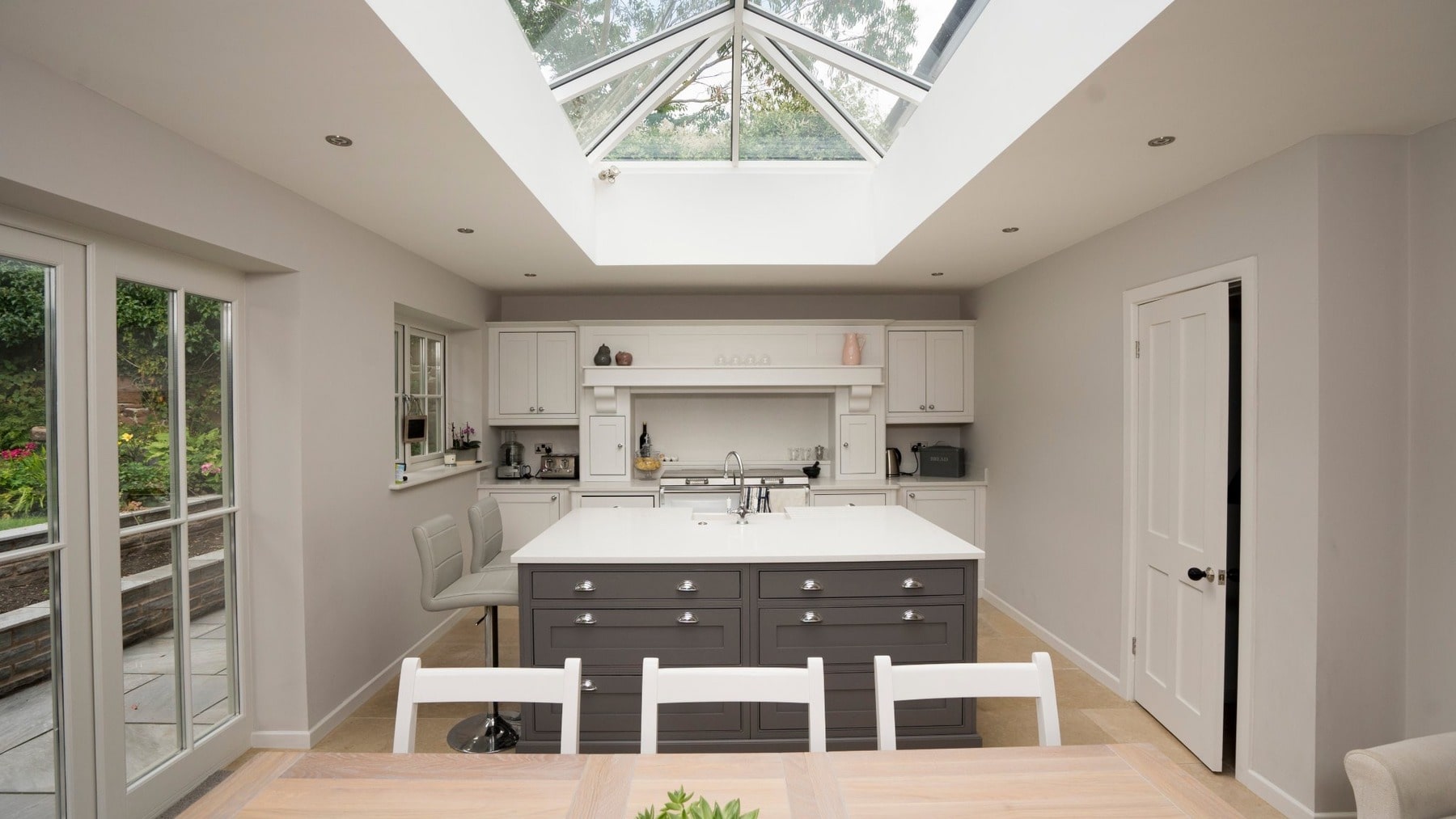
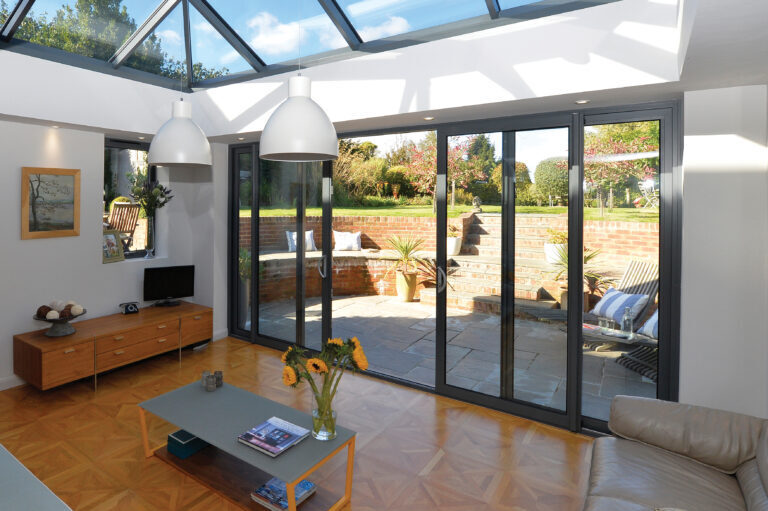
One of the most popular home extension types is an orangery. And in many cases, an orangery can be built without formal planning permission. The catch is that planning permission and permitted development rules depend on size, placement, property type and location.
To help you make the right decision for your home, we’ll go over how planning permission for orangeries works, when you need it and how to stay within current UK regulations.
Let’s start simple: In most situations, you won’t need planning permission for an orangery. But this only applies when your project meets permitted development criteria.
Permitted development rules set limits on things like:
If your design stays within limits, you can usually build without submitting a planning application. However, the rules change depending on your home. Factors that could affect your eligibility include:
…and others. Taking the time to understand these factors helps you avoid any unwanted delays or redesigns later.
As we’ve seen, permitted development rights mean you can carry out certain building works without needing to get full planning permission. These rights apply nationally but are subject to conditions and limits.
Permitted development rights generally apply only to houses. Flats, maisonettes and converted buildings do not usually qualify. In those cases, planning permission is normally required.
As this article will only look at orangeries, we need to know how they are classified. In the vast majority of cases, orangeries are classed as single-storey rear extensions. This means they follow the same rules as other rear extensions.
Knowing this, how big can an orangery be without planning permission? Here are some factors to consider.
With a detached house, you can usually extend up to 4 metres from the original rear wall of the property. This measurement is taken from the original structure – not from any later additions.
If you’re not in a detached home, then there’s slightly less room for manoeuvre. For semi-detached and terraced properties, the usual limit is 3 metres from the original rear wall.
The height of your orangery also dictates whether you’ll need planning permission or not. In most cases, the maximum overall height an orangery extension can be is 4 metres. However, if your orangery will be within 2 metres of a boundary, the height must not exceed 3 metres.
There are also considerations based on your plot. All extensions, including orangeries, must not cover more than half of the land around the original house. This rule protects garden space and prevents overdevelopment.
When you look at this, you should always measure from the original footprint of your home. Even if you or previous owners added extensions, the starting point remains the first structure as it stood when built.
Now we know the permitted development limits for orangeries you can see when you might need planning permission. In general, you’ll need planning permission if your project falls outside the above permitted development rules. Some common situations when this can occur include when your orangery extension:
Planning permission will also apply if permitted development rights have been removed by your local authority. If you think any of these apply to you, it’s best to speak with your council before making any solid plans.
Is your property in a conservation area? Then you’ll probably be subject to stricter rules. Permitted development may still apply, but the limits could be tighter.
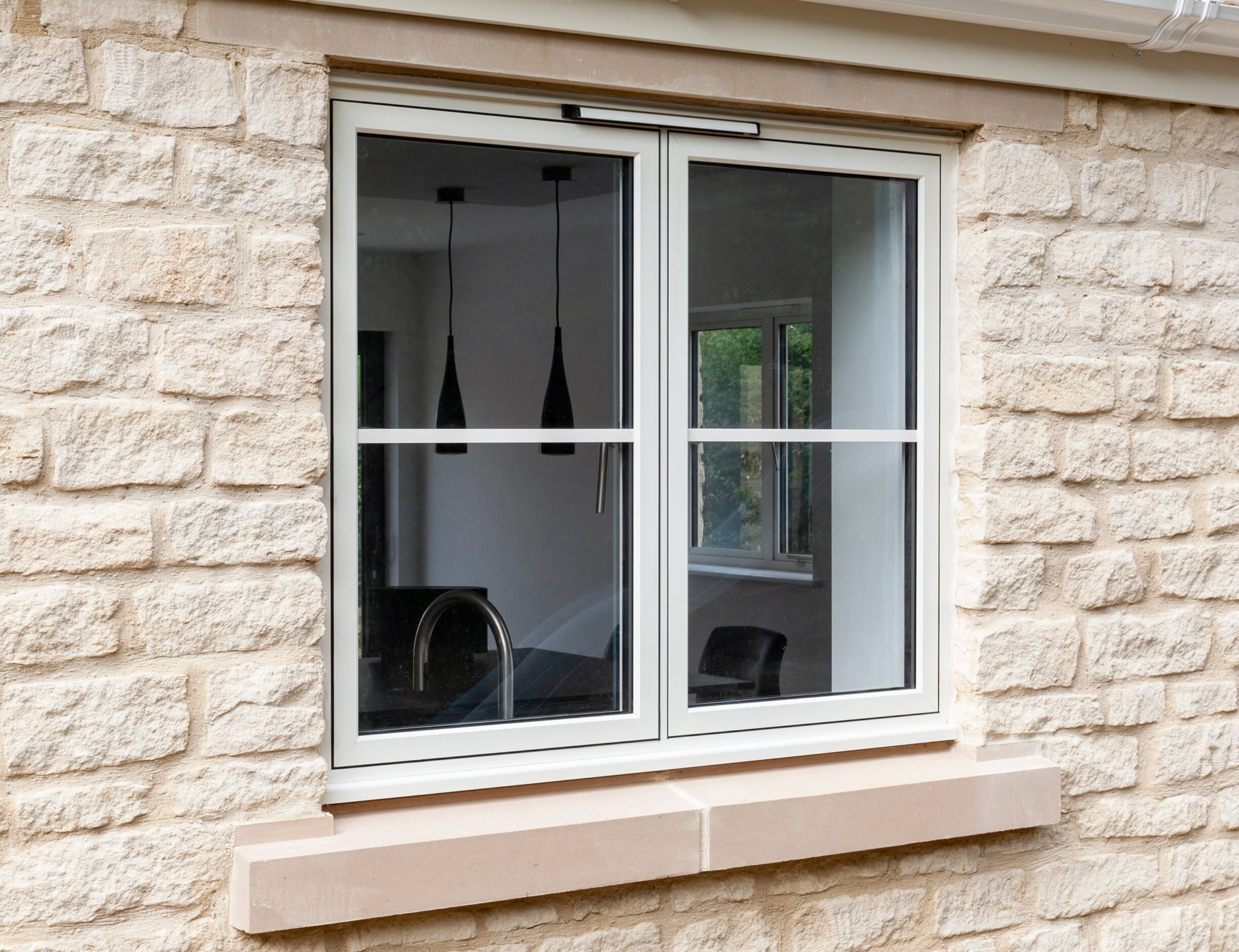
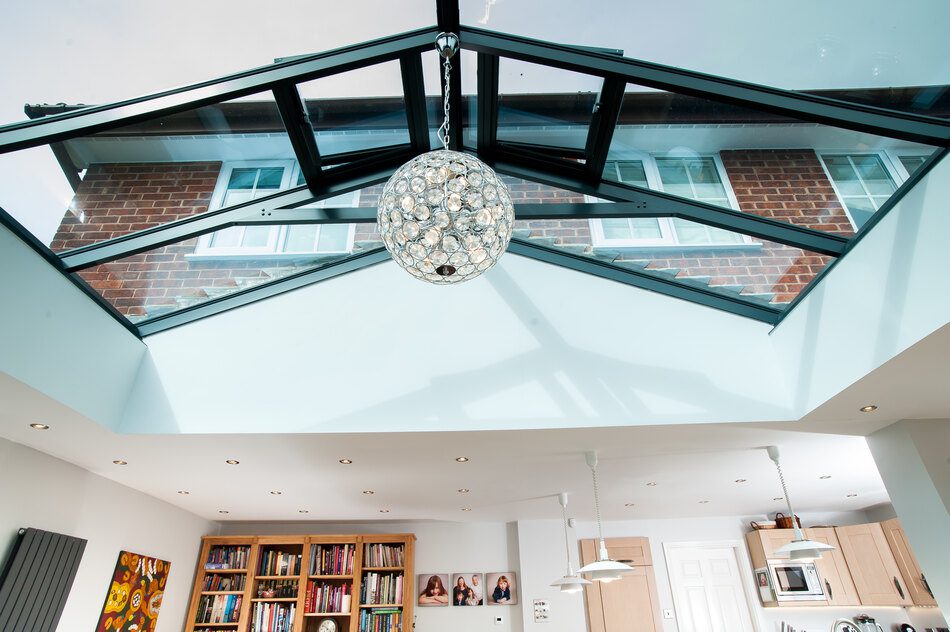
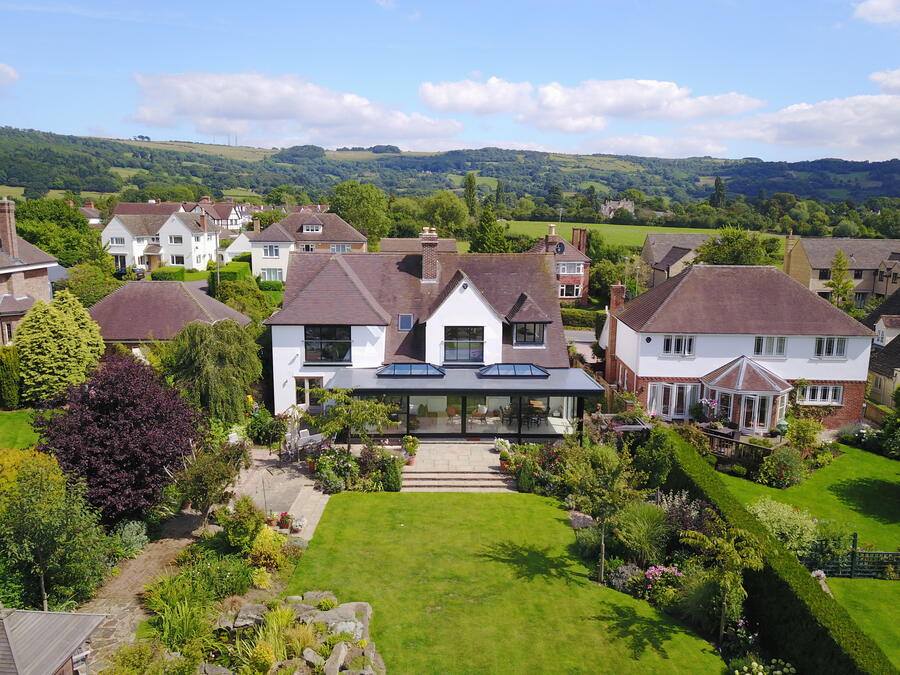
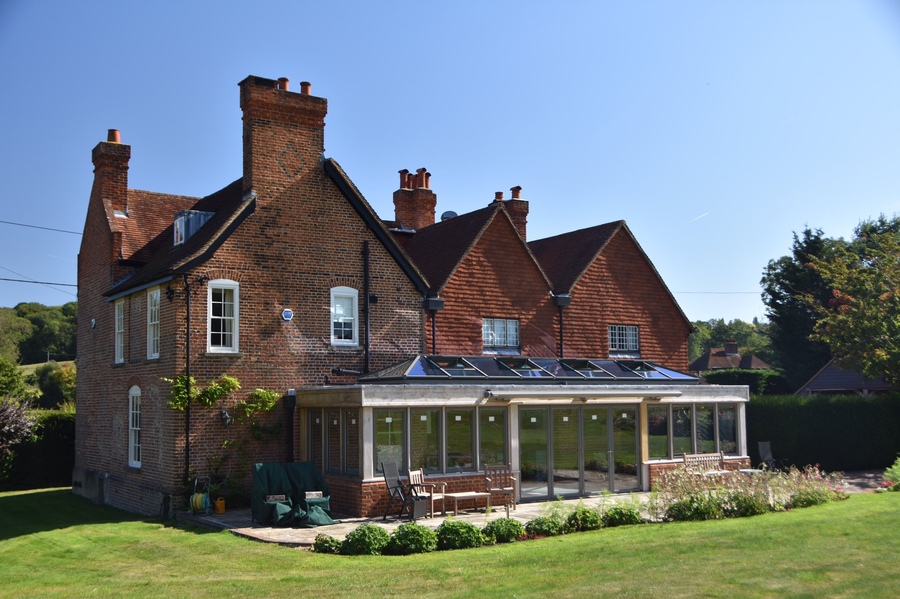
As an example, certain materials or design features may need approval. Often, your extension will have to match the character of surrounding buildings – we’ve helped many clients install modern heritage-look aluminium glass roof systems, windows and doors for example.
Speaking with your council early will help you understand restrictions before you invest in any design work.
As a general rule, if your orangery sits within 2 metres of a boundary, its maximum height must not exceed 3 metres. This rule applies even if the rest of the design would normally be allowed at 4 metres.
This is why you should consider neighbouring properties at the design stage. Getting the positioning right helps meet regulations while maintaining privacy and avoiding neighbour disputes.
Also bear in mind that if your construction will affect a shared wall or boundary, party wall rules may apply. In these cases, you may need to notify neighbours before work begins.
Planning permission and building regulations are two separate things. So, even if you don’t need planning permission, you may still need building regulations approval.
In fact, most orangery design ideas require approval, especially when:
These apply to almost all orangery projects. The building regulations check will cover structural strength, glazing safety and thermal efficiency, making sure your extension meets standards and is safe to use. Your installer or builder usually handles this process – though the responsibility does ultimately sit with you, the homeowner.
Orangeries and conservatories may look similar, but they’re treated differently in some situations.
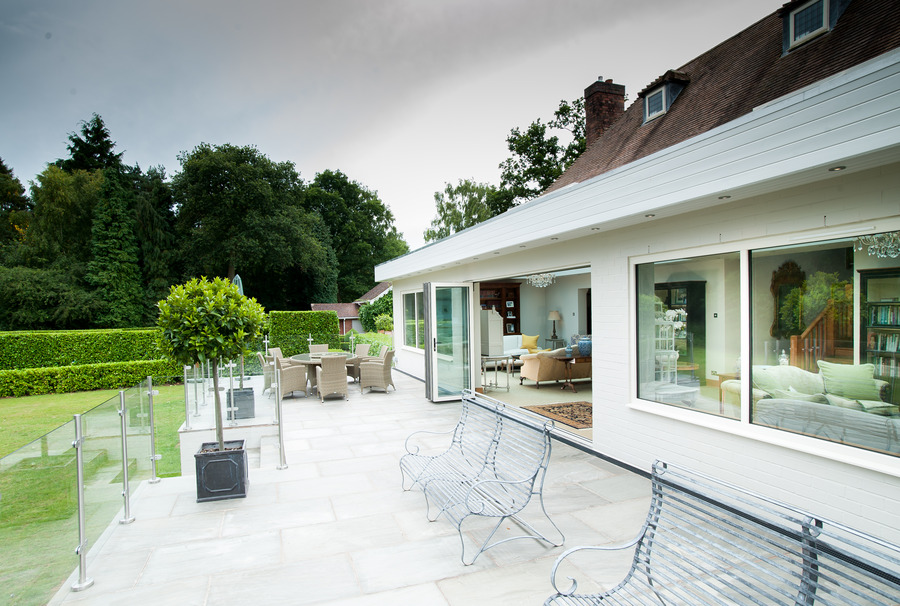
In planning terms, both are usually treated as extensions. The difference is that orangeries function more like permanent rooms so may require more approval steps.
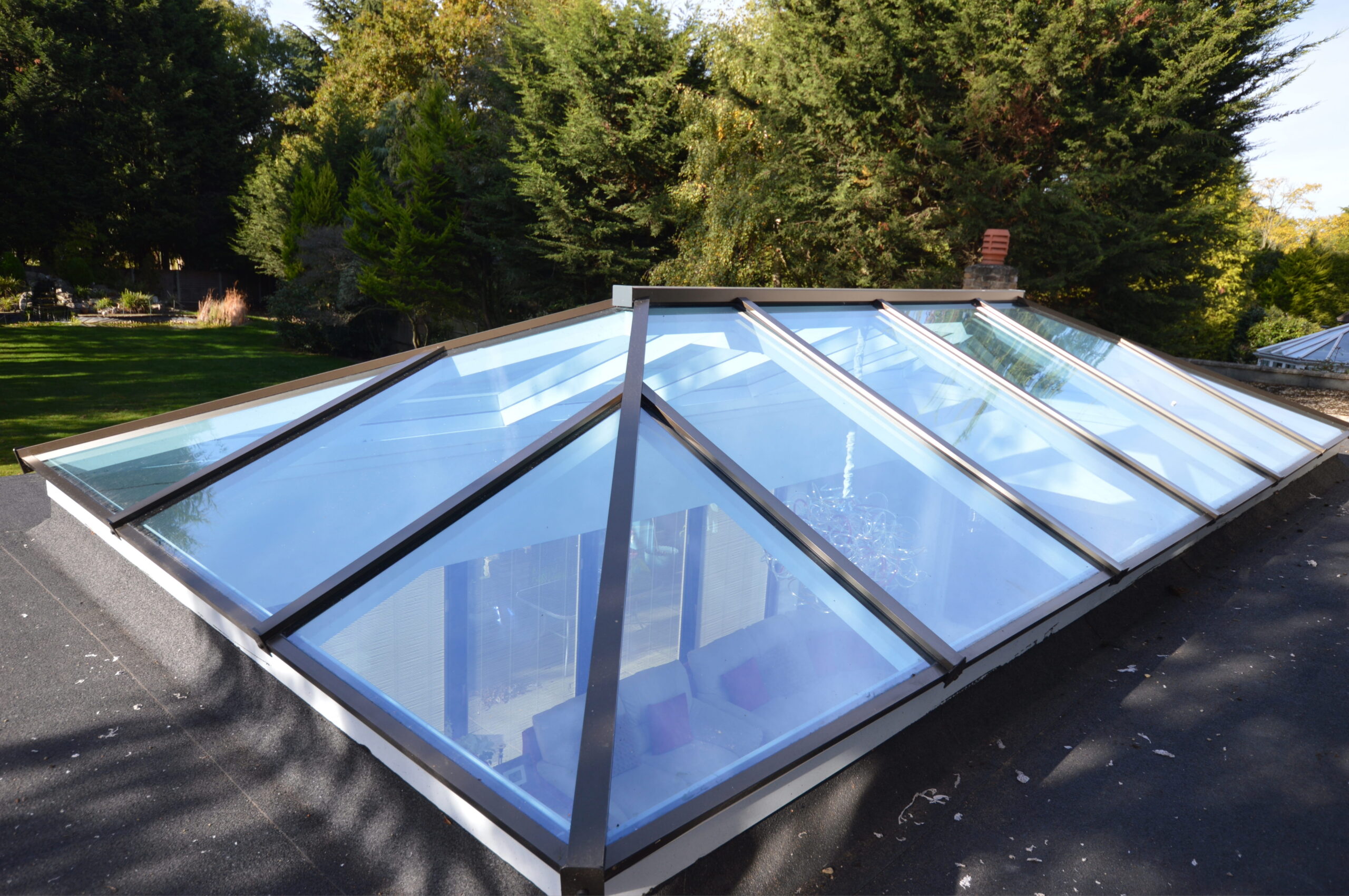
Materials and engineering now play a large role in compliance – that’s why using modern materials, such as aluminium frames, can make compliance easier. For example:
With high-quality modern systems, you can also integrate new extensions into your existing home to improve your chances of compliance.
A Lawful Development Certificate (LDC) confirms that your project complies with permitted development rules. You do not have to apply for one. However, many UK homeowners still choose to.
This is because an LDC proves that the council confirmed that your orangery complies with planning regulations. That could be useful, for instance, if you sell your home later and solicitors ask for confirmation that extensions were built legally. Getting an LDC now can often save you more work later down the line.
Ready to get started? Here’s a simple checklist to prepare for regulatory checks:
Now you’ll know whether you need to complete further checks or not.
Most orangeries won’t need to go through the full planning permission process. As long as you stay within permitted development limits and meet building regulations, most projects can begin quite quickly. However, it’s always best to check first.
When it comes to the design stage, choosing the right materials can make your life simpler. Modern aluminium systems, for example, usually work comfortably within permitted development limits thanks to their blend of slim structures and strong material. Browse the Atlas Aluminium range of orangeries to explore your options.
Submit your enquiry and we'll connect you with the right team.
Get in touch