You’ve probably come across the term ‘orangery’ when researching home extension plans. And at first glance, it might be hard to tell what it really means. Some places might make it sound like another version of a conservatory, or just an extension made of glass. They’re right in some ways – but wrong in others.
So, what is an orangery, exactly? In reality, an orangery sits somewhere between an extension and a conservatory. It has a great balance of being a solid, permanent space, like an extension, combined with the light and openness of glazed structures.
This balance is why orangeries have become such a popular option for modern homes.
We’ve put together this guide to cover everything you need to know about orangeries. It doesn’t matter if you’re looking at extension options or ready to make your decision. After reading, you should have a clear sense of whether an orangery suits your home.
What Is an Orangery?
An orangery is a type of home extension. It blends two crucial parts of other types of extensions:
- It has a solid construction element like full home extensions
- It also has large, glazed elements to maximise daylight in the space, similar to conservatories.
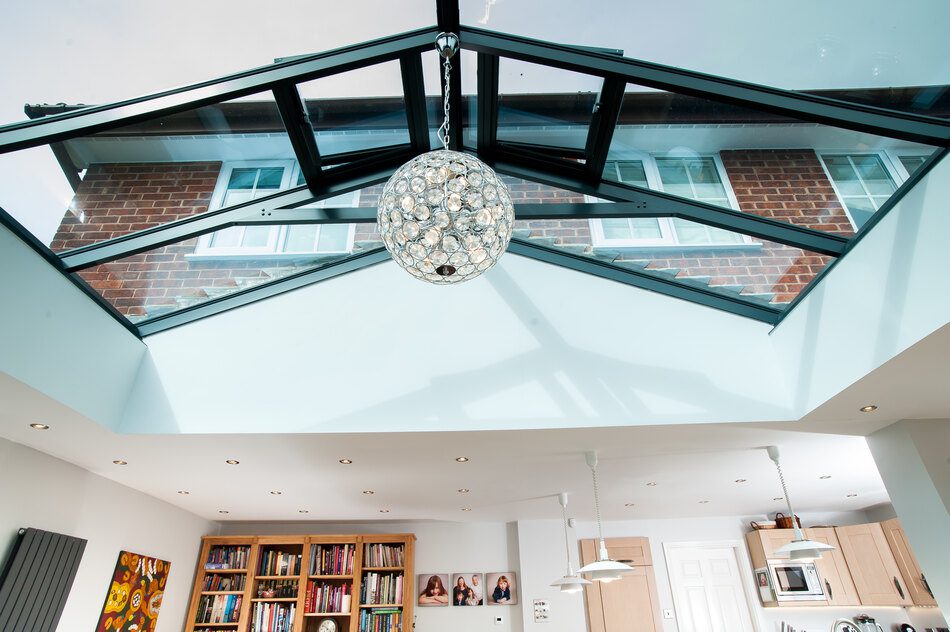
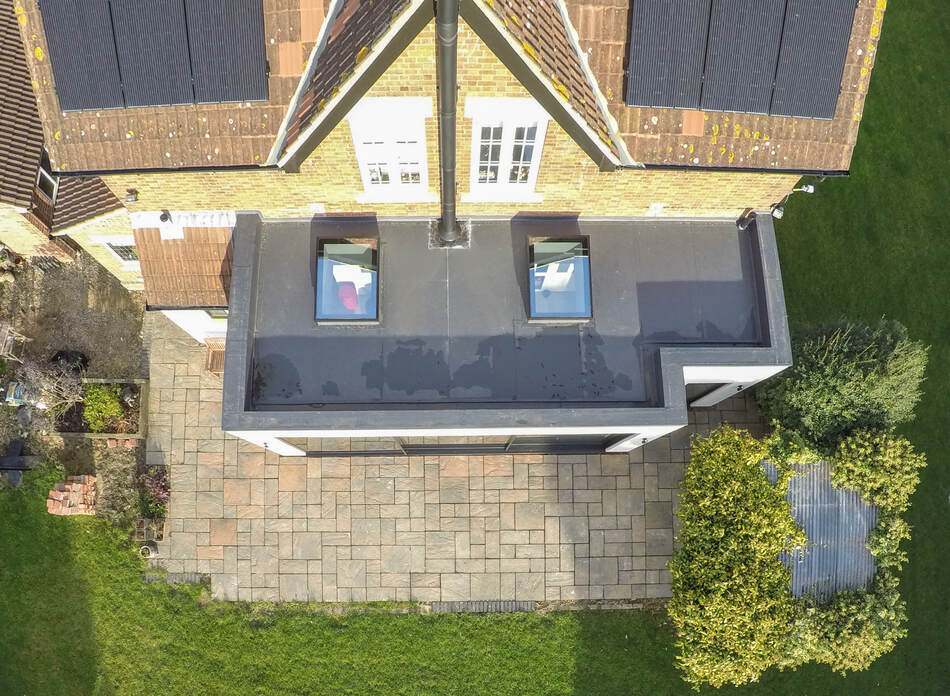
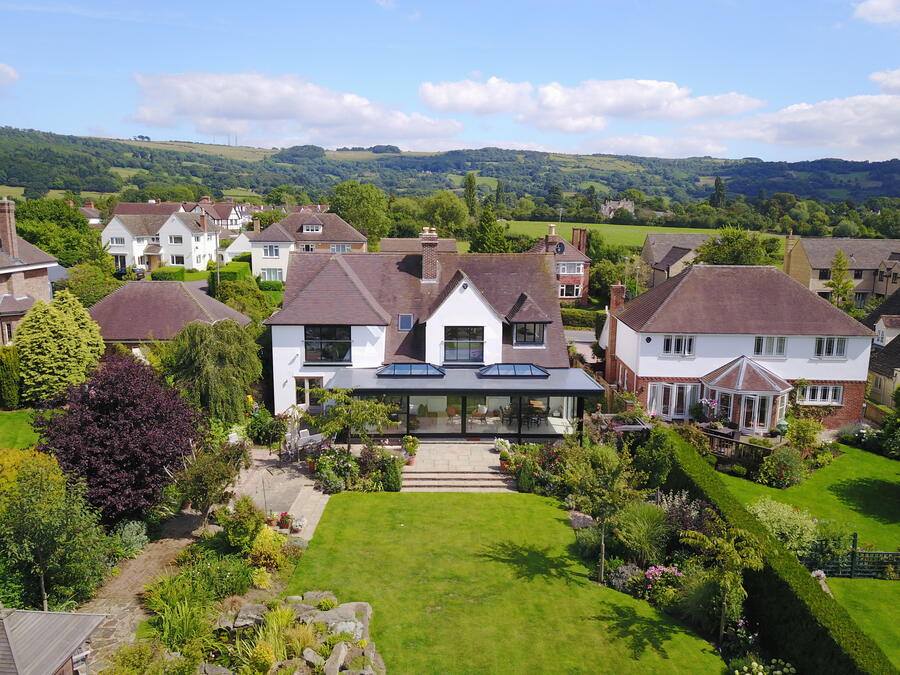
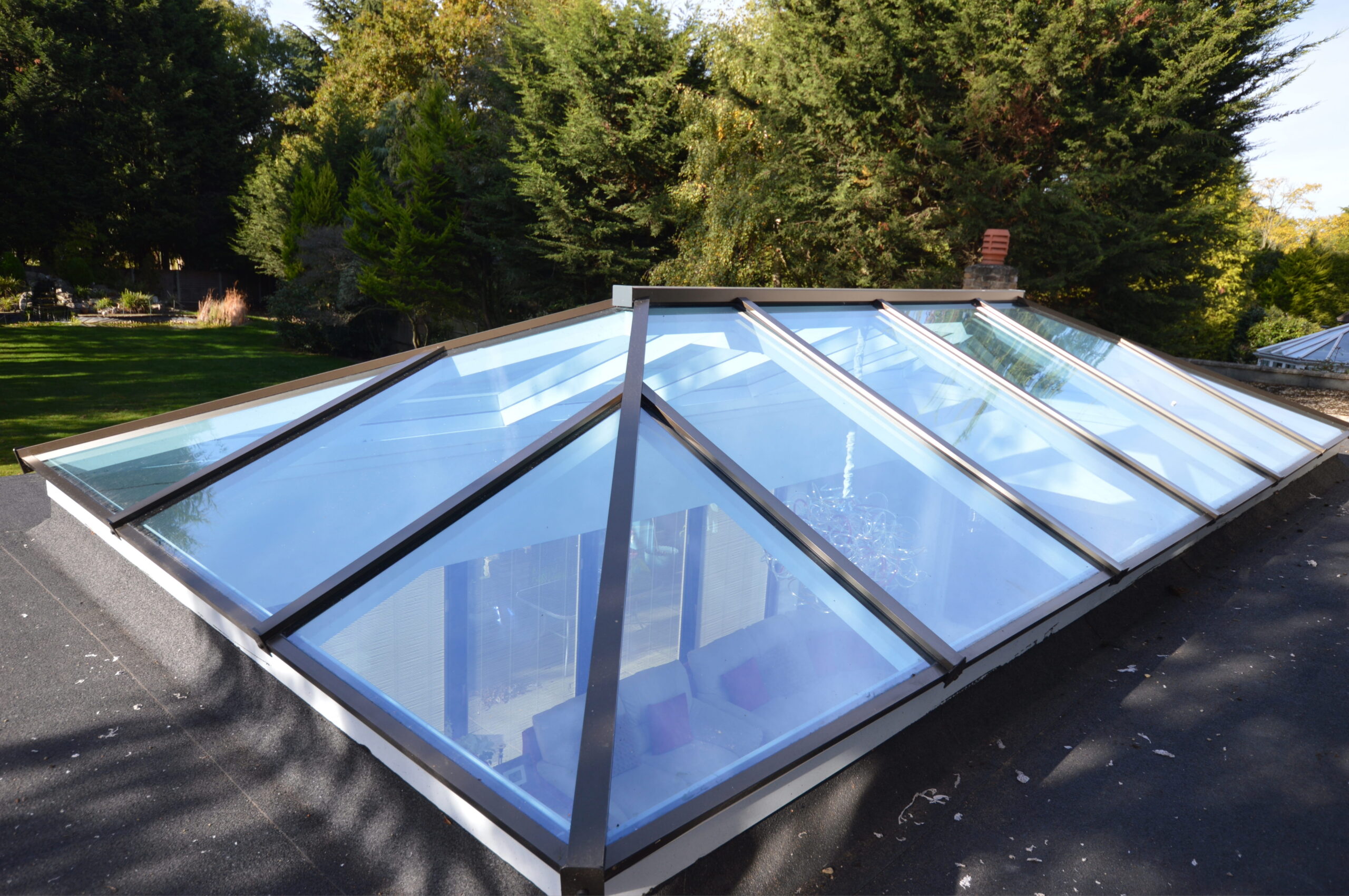
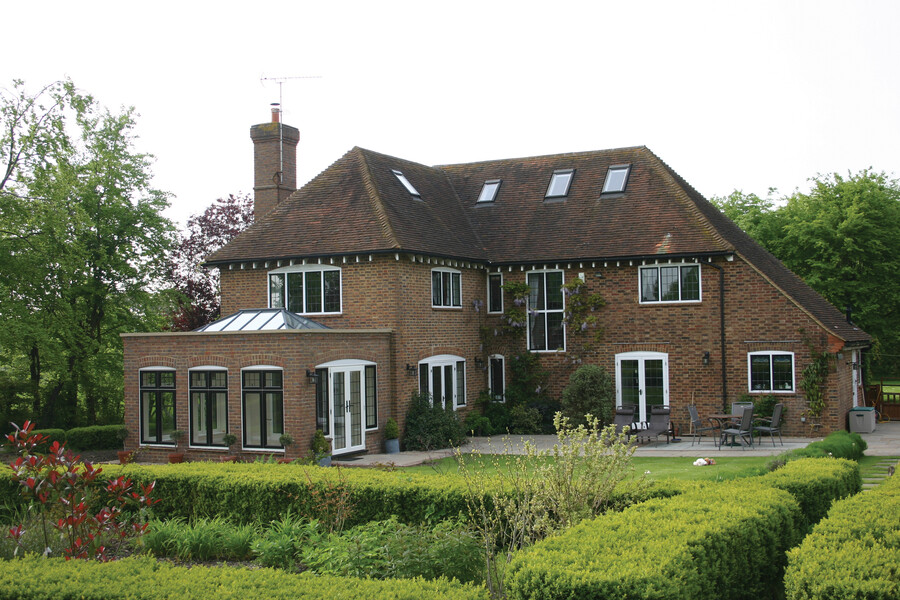
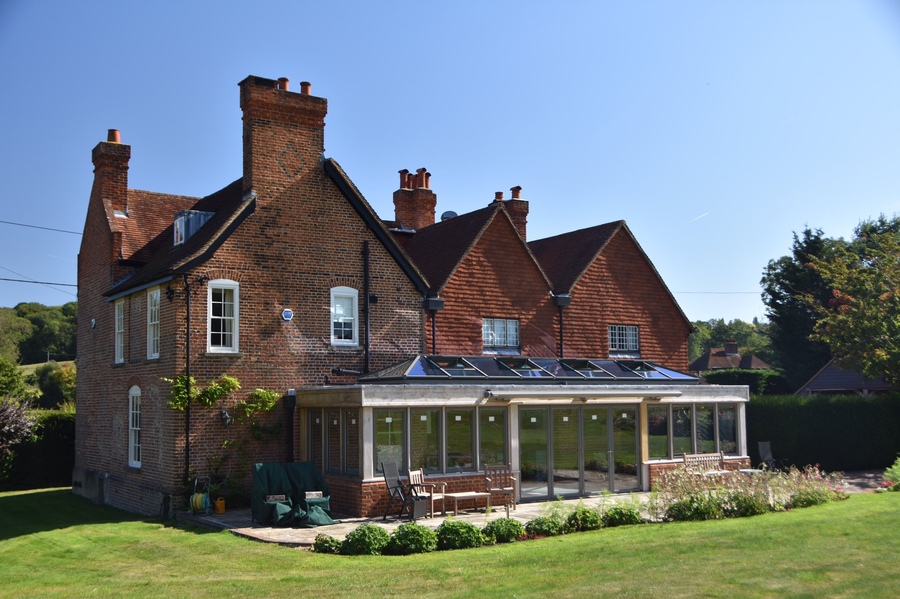
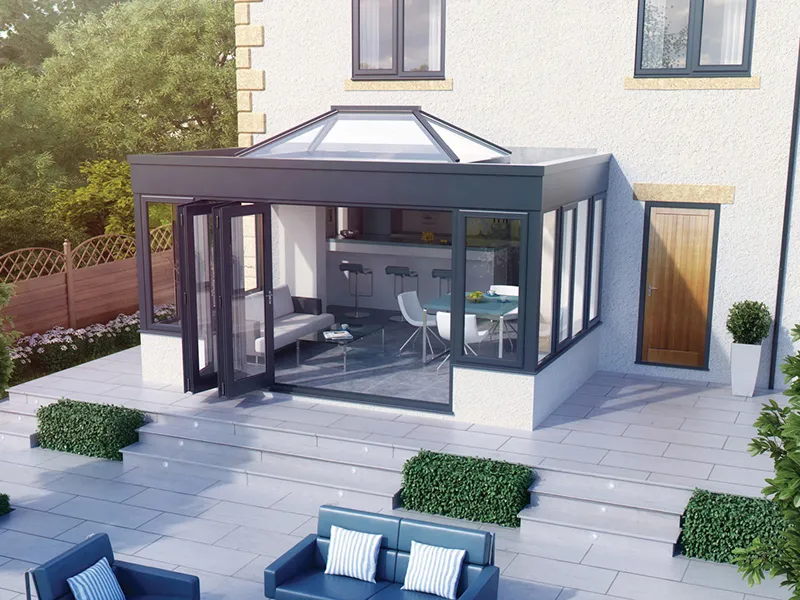
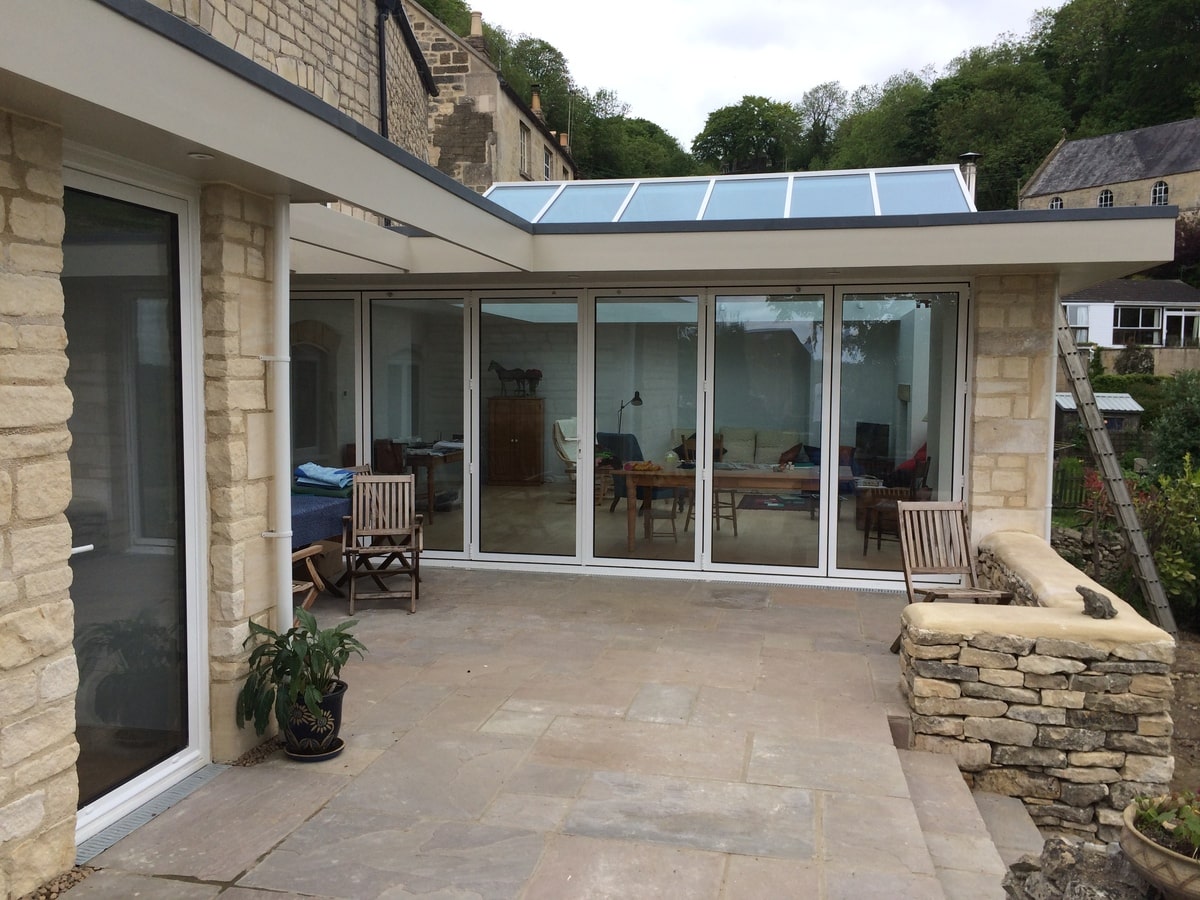
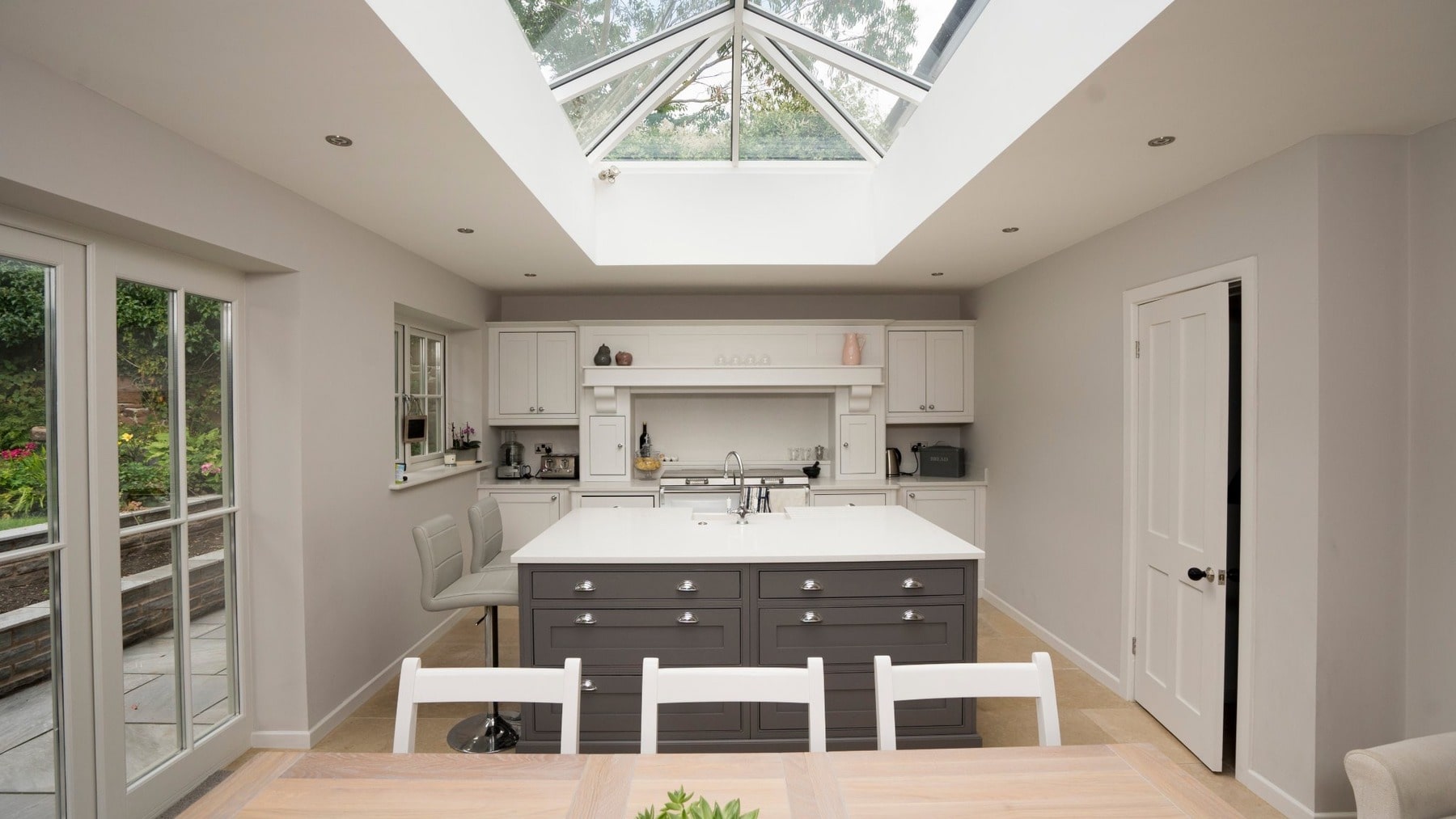
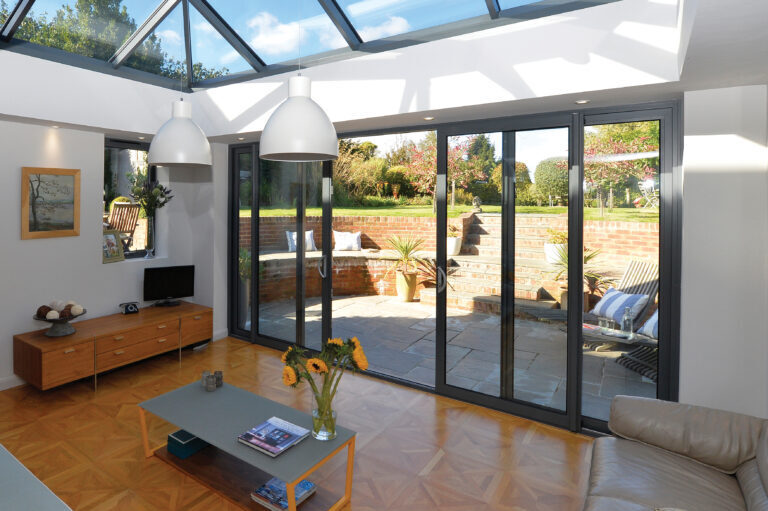
A traditional orangery has a solid perimeter roof, brick or masonry walls, along with a glass roof system or roof lantern at its centre.
And unlike some extensions, modern orangeries are designed for year-round use. They’re insulated for your comfort. Fully integrated into your home, they feel like a permanent room rather than a temporary add-on.
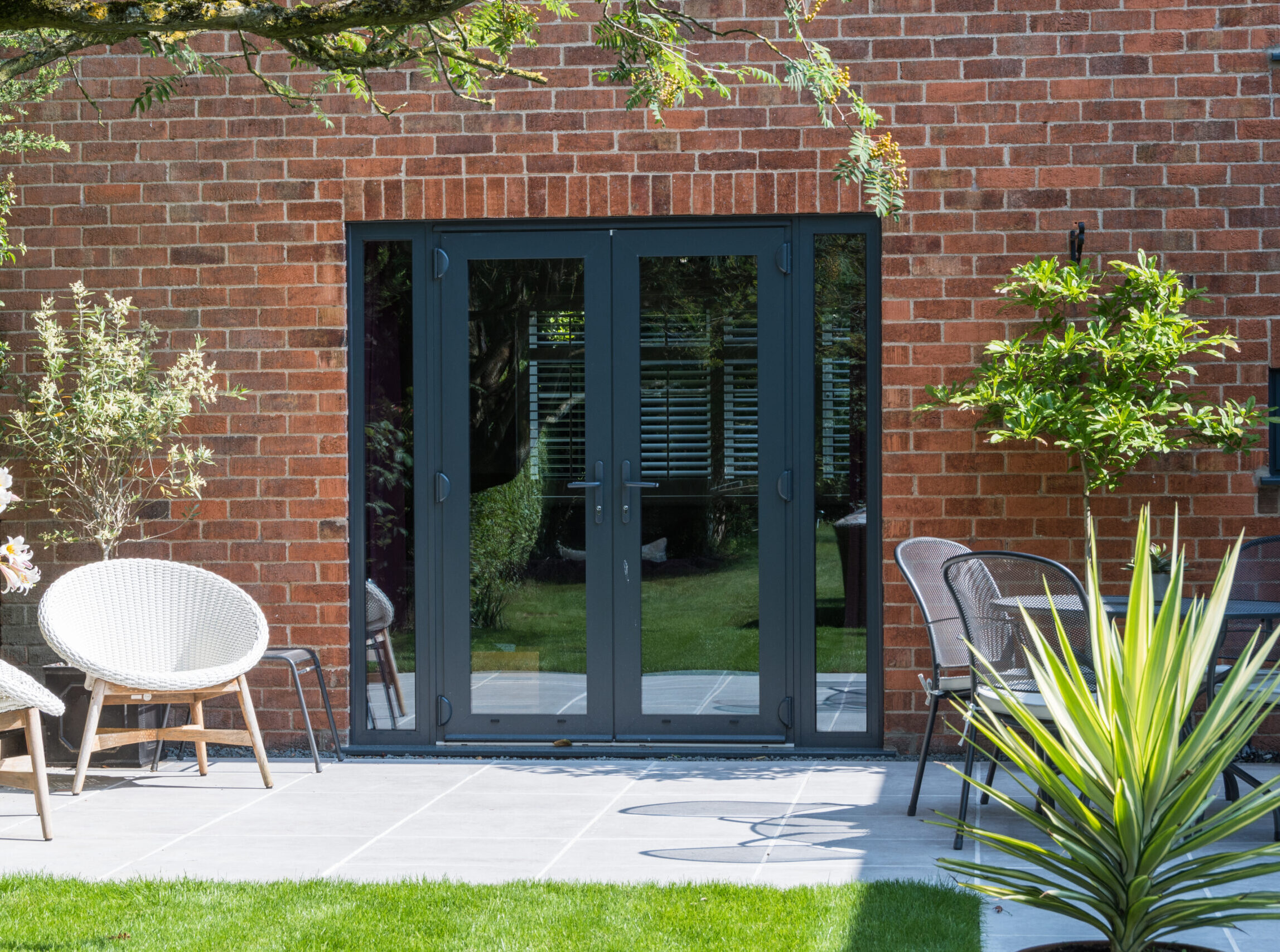
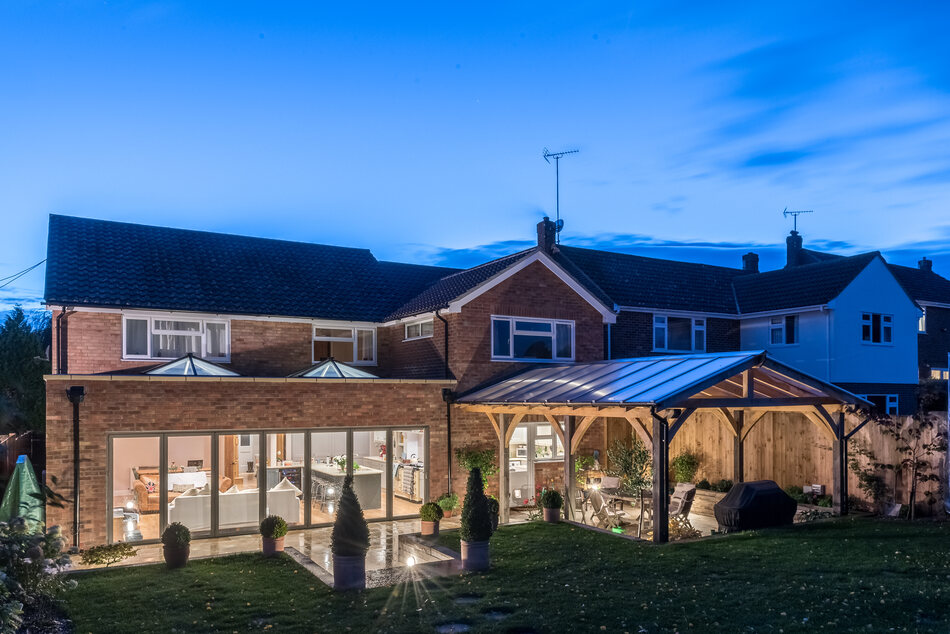
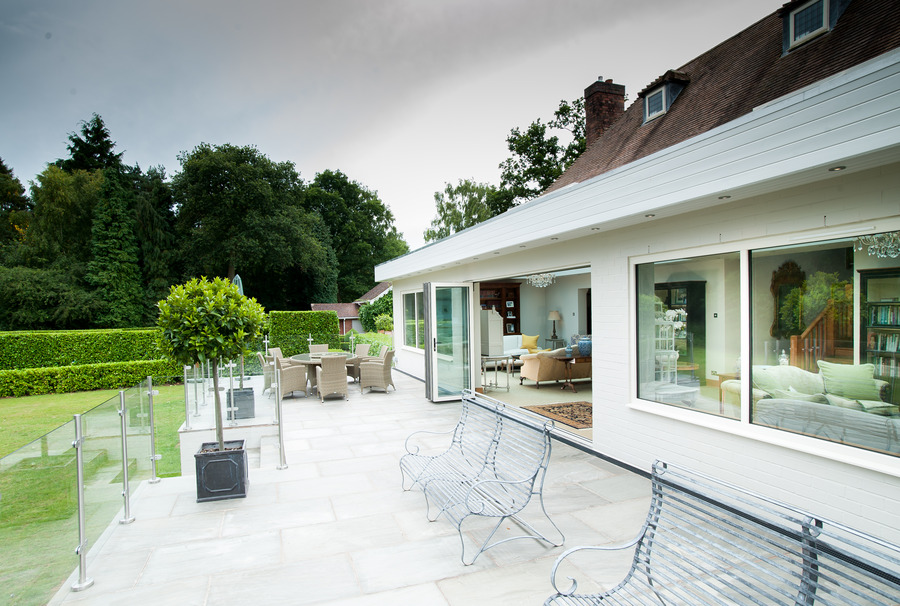
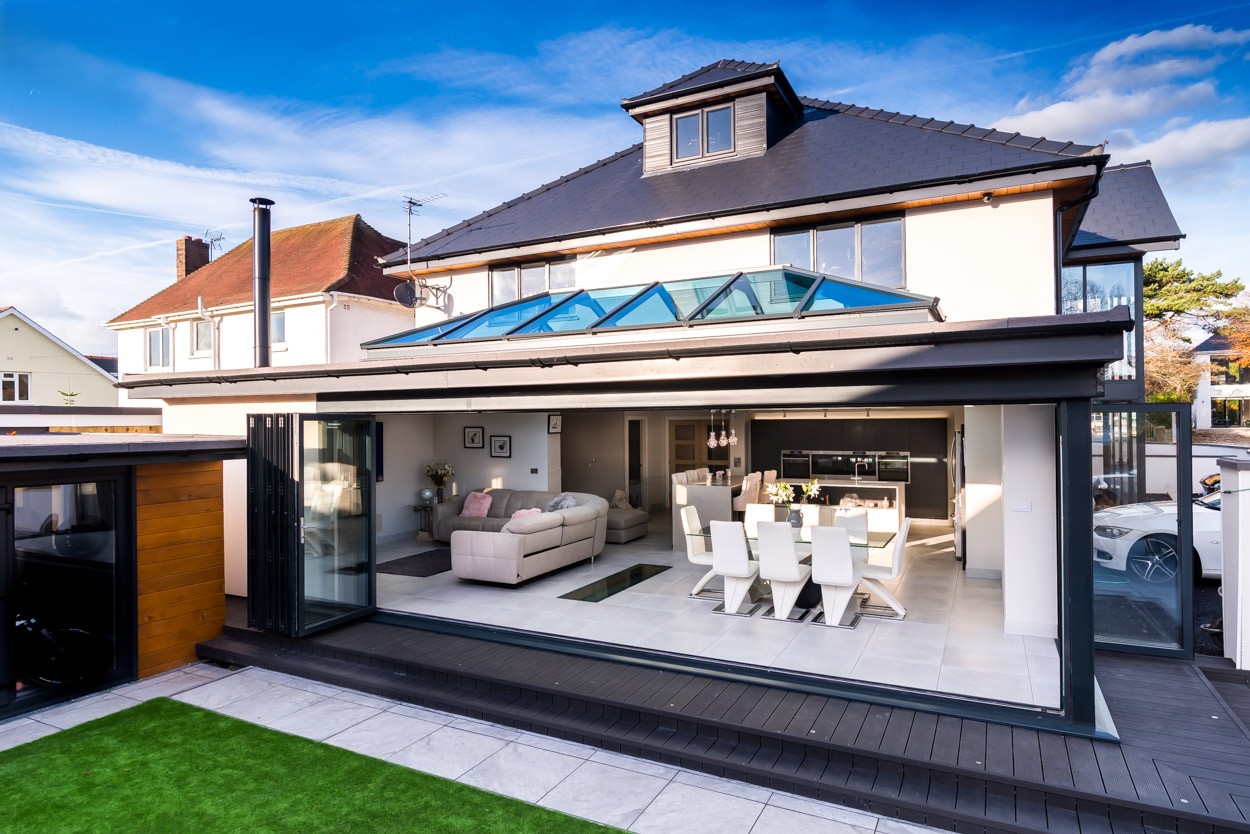
When you design your orangery, you can include full-height windows or doors, roof lanterns and slim framing. This gives you plenty of daylight without sacrificing comfort or thermal performance.
Why Is It Called an Orangery?
The name ‘orangery’ has its roots in 17th-century Europe. Then, large country houses often included specialist buildings to protect citrus trees during colder months. These structures needed light, shelter and warmth, which led to thick walls combined with large windows and glazed roofs.
Over time, the term became associated with buildings that balanced solid construction and daylight. Modern orangeries follow the same principle – although their purpose has changed a lot. Now, instead of housing trees, they allow for bright living spaces attached to your main home.
What Does an Orangery Look Like?
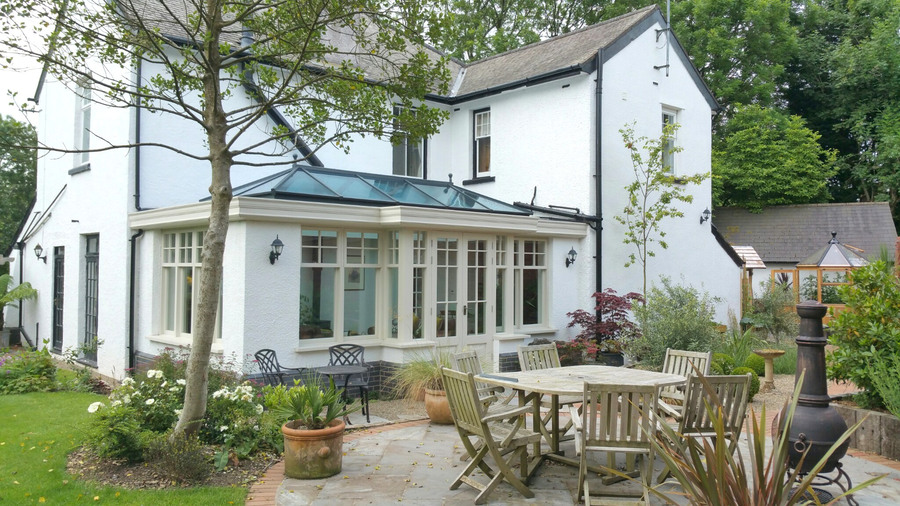
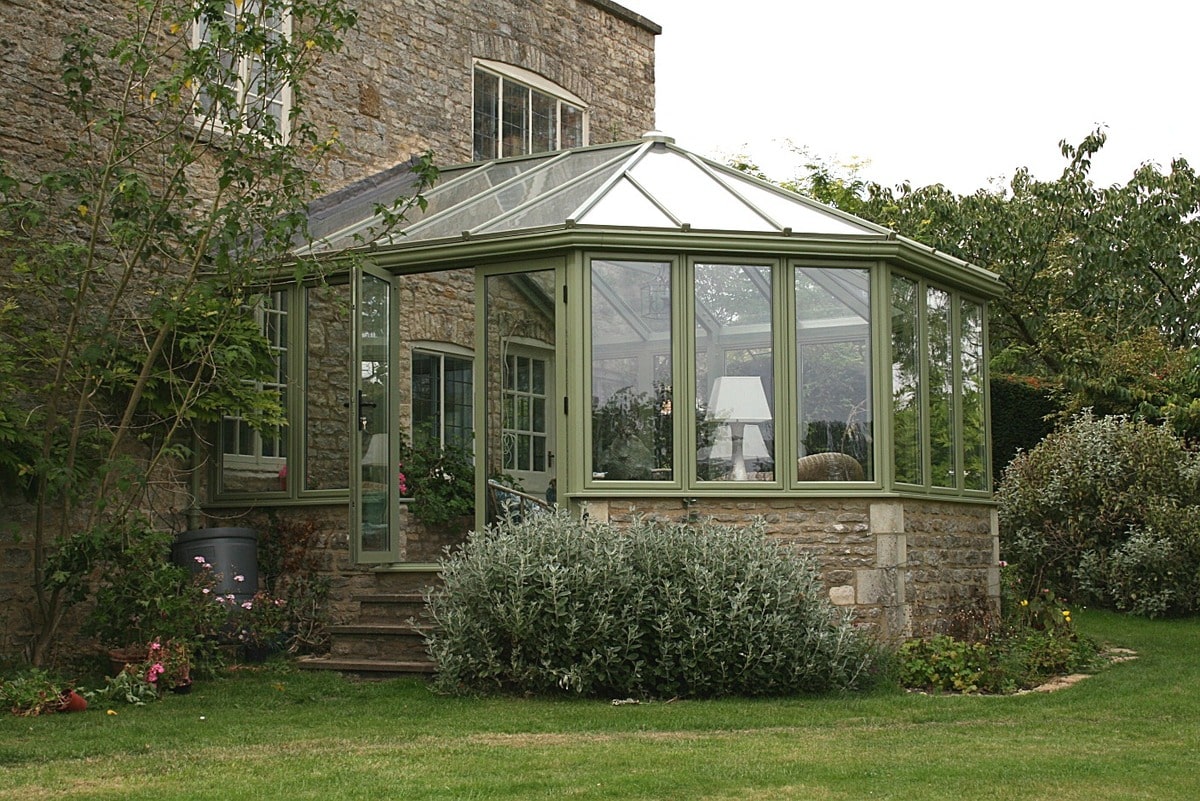
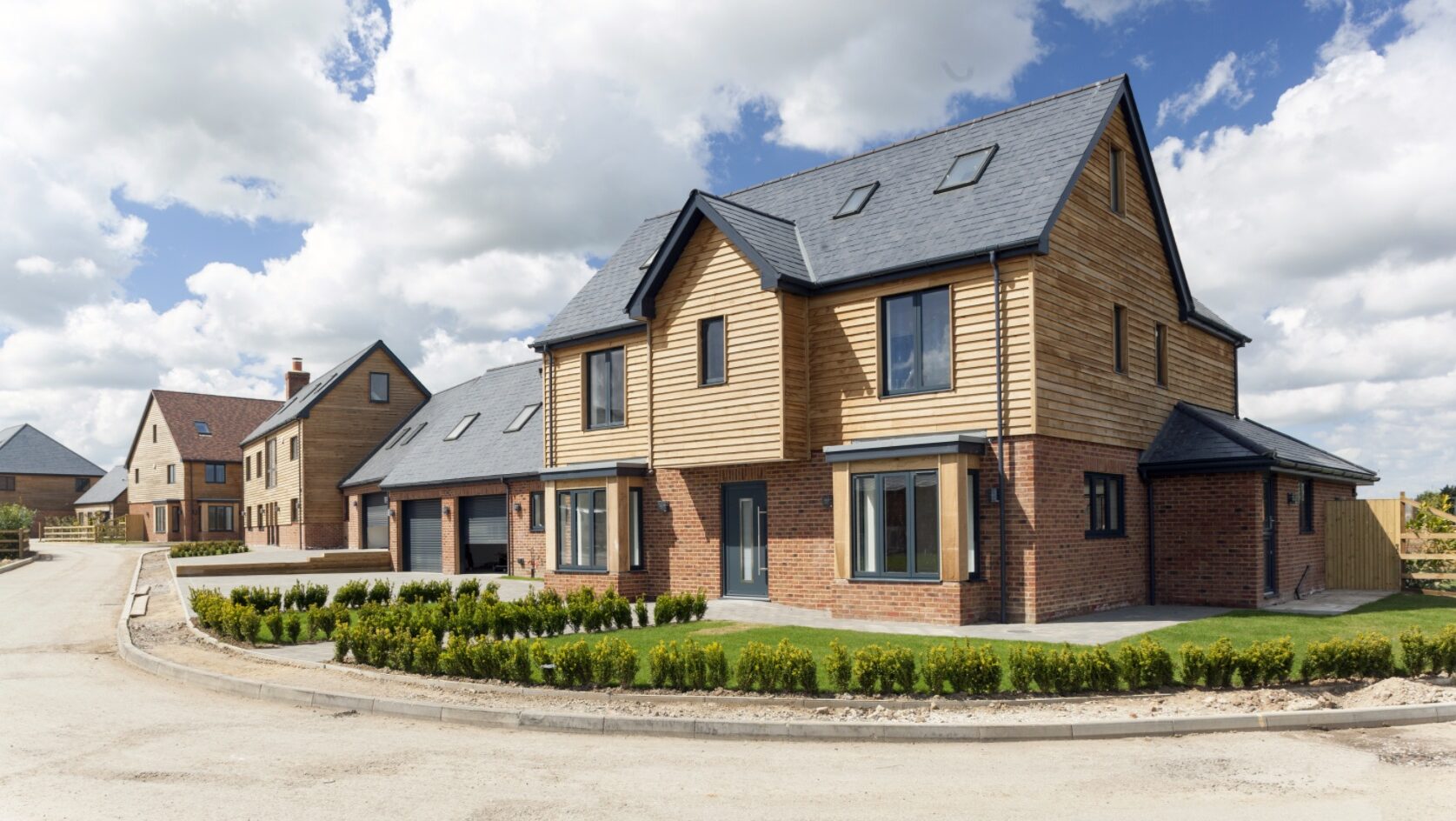
A typical orangery has a very recognisable structure. Some of the key features include many or all of the following:
- A central glazed section with a solid roof around the edges
- Brick pillars or columns
- Large glass windows or doors
- A ceiling that feels more like a standard room than a conservatory.
Nowadays, people like their orangeries to have cleaner lines and slimmer profiles. Aluminium systems have made this possible by reducing the need for bulky roof sections, with more glass and less visible structure.
What Is the Difference Between a Conservatory and an Orangery?
There are a few important differences between a conservatory and an orangery.
Roof Structure
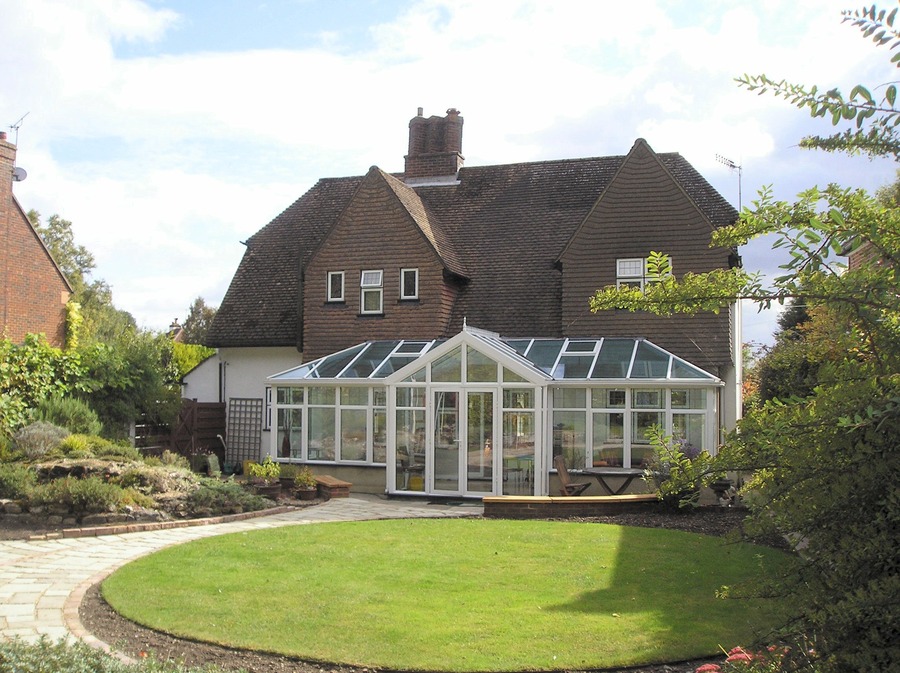
First, the roof structure. A conservatory usually has a roof that is mostly glass or polycarbonate. An orangery has a solid roof around the perimeter with a glazed centre.
This difference has a big impact on how the space feels. Orangeries feel more enclosed like a typical room, while conservatories feel lighter but less substantial.
Thermal Performance
Because of their solid roof and insulated construction, orangeries tend to hold heat very well. Temperature is also easier to control throughout the year.
Conservatories can sometimes be too hot or cold in extreme weather. However, modern thermally broken aluminium conservatories can still perform exceptionally well.
Visual Appearance
This depends on your design aims. In general, conservatories look like a separate structure added onto the home. This is a bonus for some homeowners.
Others prefer a more integrated look. Orangeries often blend into the main home with their mix of brickwork and glazing.
Year-Round Use
Orangeries are usually designed as permanent living spaces. You can use them as kitchens, lounges or dining areas all year without worrying about temperature or aesthetics.
On the other hand, conservatories are often used seasonally, even with modern improvements. They’re fantastic for summer outdoor living – so may be a better choice if that’s your aim rather than year-round functionality.
Orangery vs Extension: What’s the Difference?
So, if an orangery has more brickwork than a conservatory, what’s the difference between an orangery and an extension?
- A full extension is usually built from masonry, with solid walls and a solid roof. Windows and doors are added in.
- An orangery uses more glazing as a fundamental part of the design. This brings in more daylight than an extension, without relying entirely on glass walls.
Extensions give you more freedom in layout but need rooflights or larger windows to match light levels. If you want a bright space with architectural character and fewer structural changes, an orangery may be a good option.
What Is an Orangery Used For?
Already thinking about how you’d use the extra space? Orangeries are versatile. Their solid construction makes them feel like part of the home, not a separate structure, so you can use them in many ways. Some common uses include:
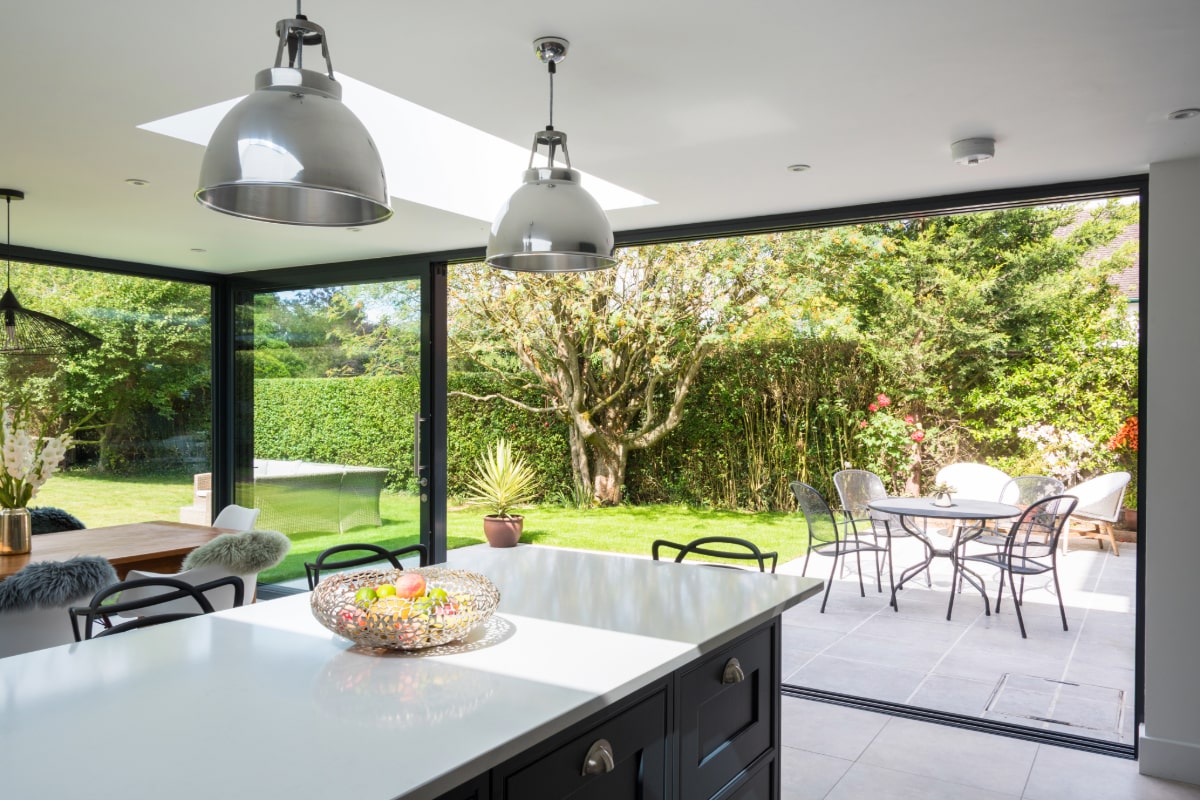
- Kitchen-diners
- Living rooms
- Dining rooms
- Home offices
- Garden rooms
- Children’s playrooms
…and many more. Basically, you can use your orangery for everyday living, working, entertaining…or anything in between.
What Is an Orangery Roof?
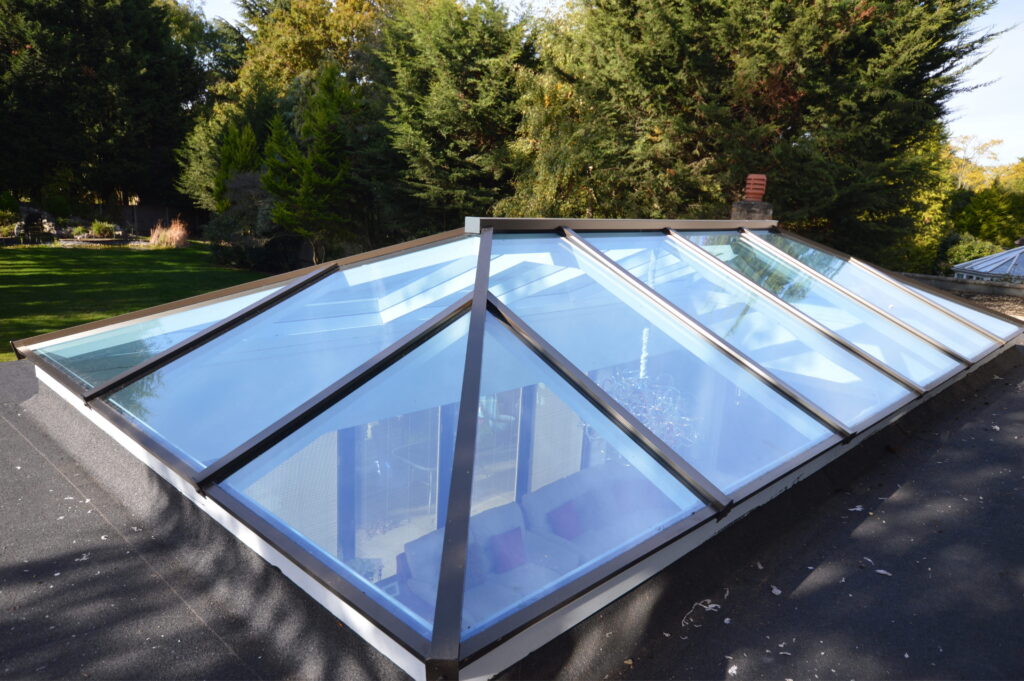
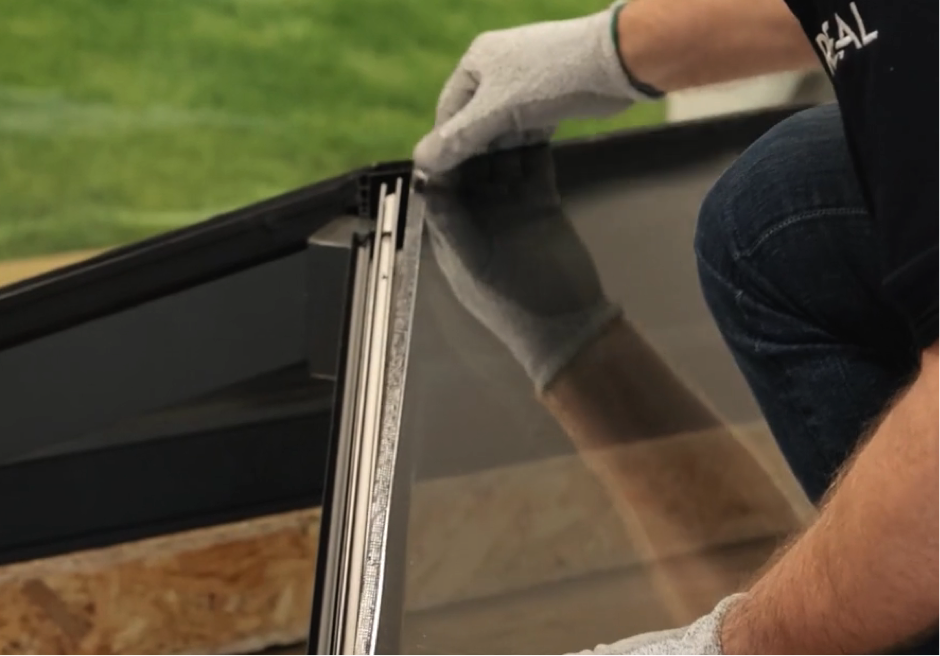
The roof is the main defining feature of an orangery. It typically combines solid sections with a glass centre. Large, heavy glazed areas traditionally required timber and bulky supports to carry their weight. But now, modern systems use strong-but-slim aluminium frames to reduce visible structure and increase glass area for maximum daylight.
Why Aluminium Is the Preferred Material for Modern Orangeries
As such, many homeowners now choose aluminium orangeries for their contemporary home extensions. This is because aluminium:
- Is strong but lightweight, allowing for slimmer roof ridges and larger glazed sections
- Stays strong over time, resisting warping, swelling, rotting or degrading in a way other materials don’t
- Requires very little maintenance – simple regular cleaning keeps aluminium looking and performing at its best
- Offers excellent thermal performance when thermally broken systems and quality glazing are used
- Suits modern homes with clean lines and minimal structure.
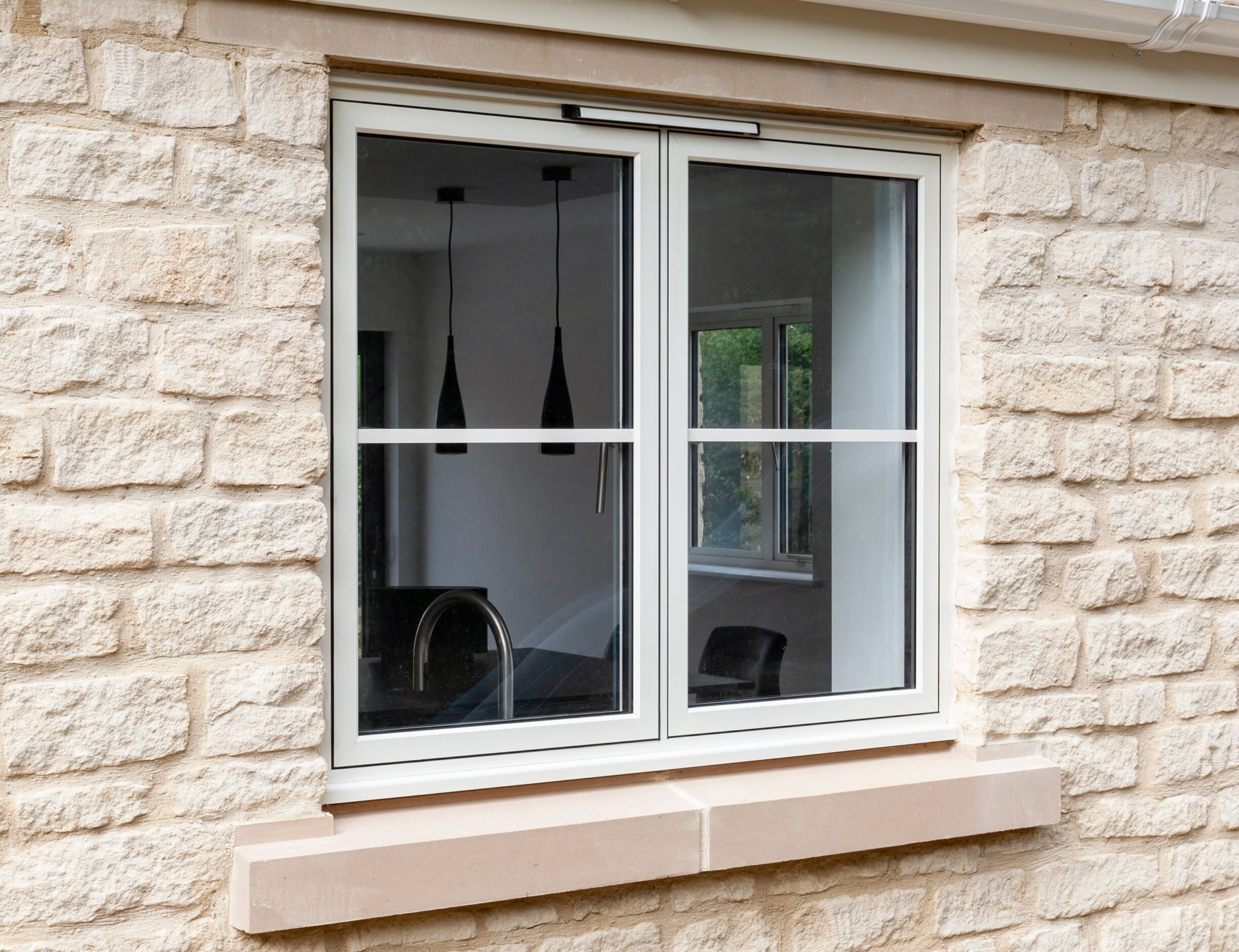
These benefits make aluminium well suited to glass roof systems, windows and doors throughout a modern property.
Atlas Aluminium Orangery Roof Systems – Key Features
At Atlas Aluminium, our aluminium orangeries share some key features and design details, such as:
- More sky and less roof through slimmer ridges
- Fully thermally broken aluminium roof systems
- Super slim internal ridges around 40mm
- Internal ridges up to 70% slimmer than traditional systems
- Ability to withstand extremes in weather and climate conditions
- Double-glazed rafter performance around 1.5 W/m²K
- Triple-glazed rafter performance around 0.95 W/m²K
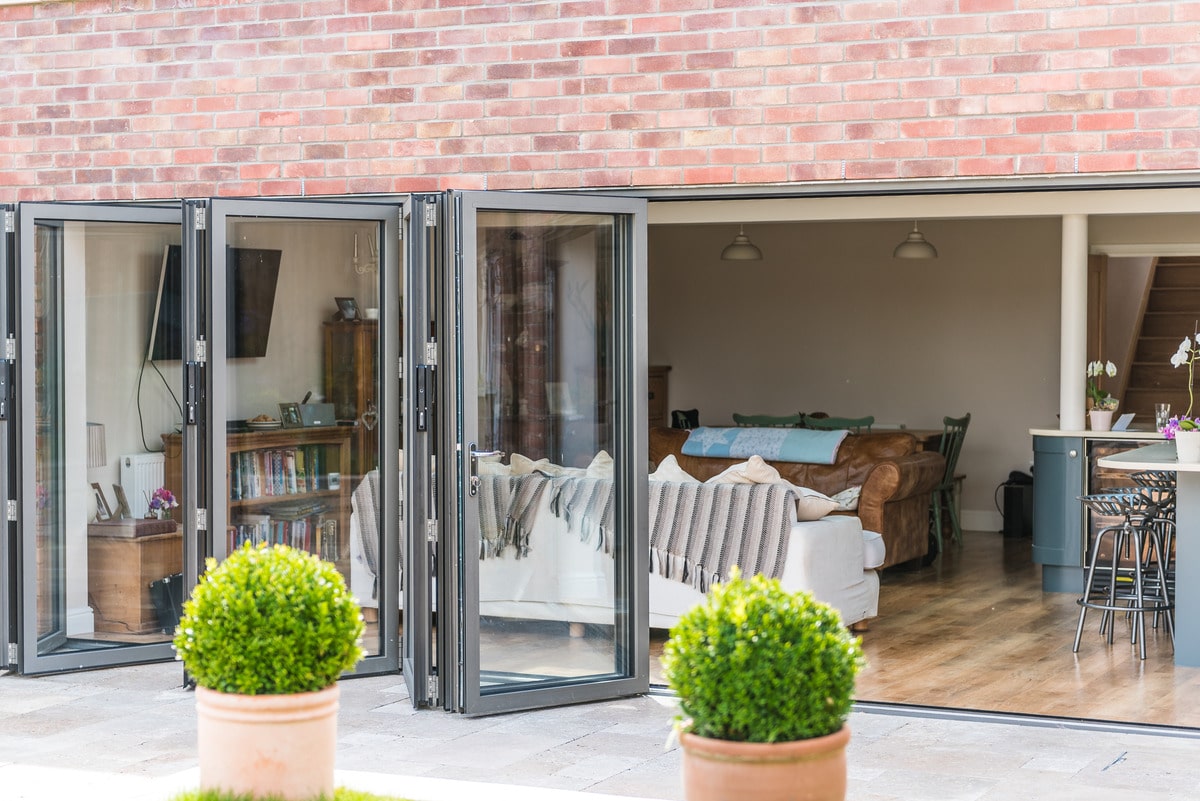
- Reinforced ring beams to support bi-folding doors
- No need for additional steel or timber beams
- A contemporary orangery appearance
- Flat external caps for clean roof lines.
Combined, these features let you design modern living spaces with wide glazed doors and minimal visual interruptions.
Glass Options for Orangery Roofs
When it comes to designing your orangery, the glass you use has a huge impact.
Solar Control Glass
For example, you can choose between regular and solar control glass. Solar control glass reflects excess heat while letting daylight through – helping to manage temperature and glare. This is a particularly good option for south-facing orangeries or spaces with large, glazed roofs.
Self-Cleaning Glass
Another option is upgrading to self-cleaning glass. This uses a UV-activated coating, with sunlight breaking down dirt and rain washing it away. If your roof areas will be difficult to reach, this is a great solution.
Energy Efficiency, Security & Weather Performance
Modern orangery systems are designed for everyday living, staying warmer in winter and cooler in summer. High-quality glazing is tested to recognised standards, reassuring you that your extension will provide the best energy, weather and security performance.
Do Orangeries Need Planning Permission?
In most cases, orangeries fall under permitted development. This will depend on factors like size, location and how the structure is built. Standard building regulations will apply, even if planning permission doesn’t.
These rules, though, vary by area and property type. You should always check with your local authority before beginning any orangery project.
Is an Orangery Right for Your Home?
Still thinking? No worries, choosing between extension types takes time – and you need to be sure. Just as a recap, an orangery might be a good choice for your home if you:
- Want extra space you can use all year
- Prefer a solid-roof feel, but with plenty of daylight coming into your home
- Are looking for something more “architectural” than a conservatory.
Kitchen and living extensions are particularly good fits. For maximum daylight, comfort and integration with your home, an orangery is worth serious consideration.
Find Your Ideal Orangery
An orangery combines light with comfort, giving you a mix of glazed roof systems and permanent extensions. It’s a practical yet attractive solution if you want year-round space without a fully solid build.
With modern aluminium orangeries, you can have more glass, cleaner lines, less maintenance and reliable performance for decades to come. Explore the Atlas Aluminium range of orangeries to find your ideal fit.