Casement windows are one of the most popular window styles for UK homes. You may have seen them everywhere from traditional properties to modern extensions. This is for a good reason. They look stylish, are practical and are versatile enough to fit with many different styles.
But what is a casement window, exactly? What makes it different from other designs?
At Atlas Aluminium, we’ve designed and manufactured high-quality casement windows for many types of homes. In this guide, we’ll tell you what they are, why they’re so popular and how they might fit into your home design plans. We’ll also compare casement windows against other designs so you can make an informed decision.
What Is a Casement Window?
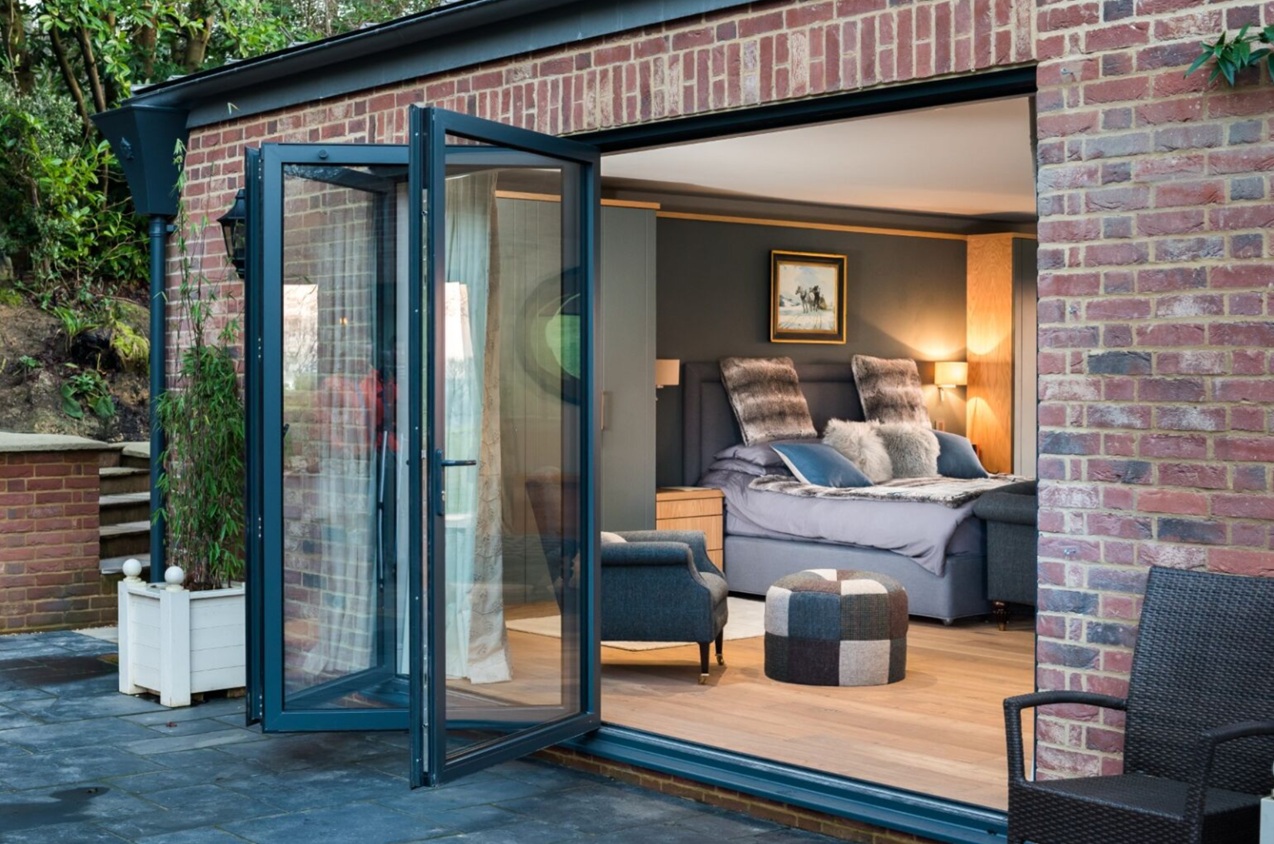
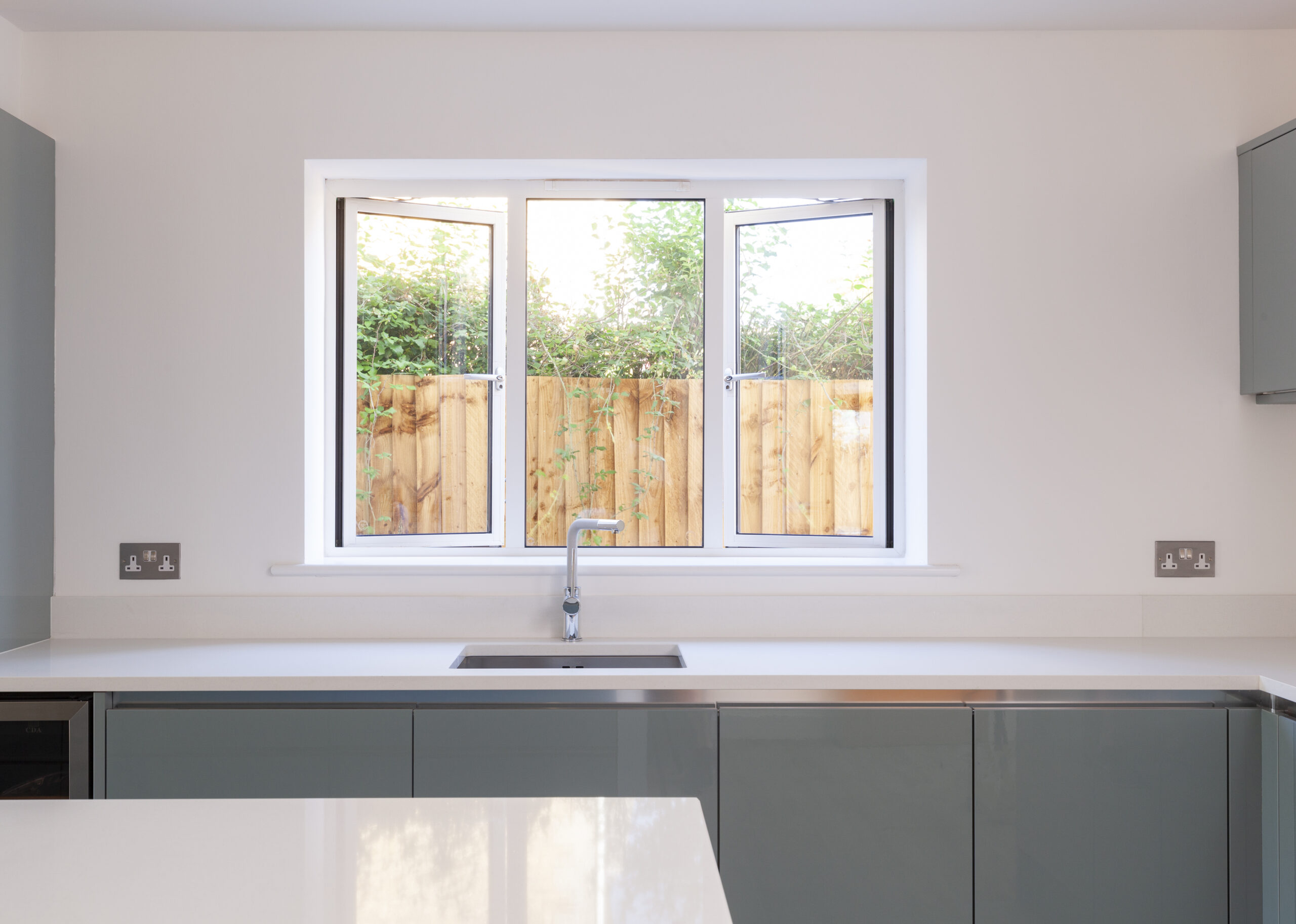
A casement window is a type of window that’s hinged at the side or top. It can open both ways but usually opens outwards.
In most cases, you operate a casement window using a handle. This handle usually doubles as the locking mechanism to keep your home secure when the window’s closed.
To imagine a casement window in action, think of it like a door within a window frame. When you open it, the pane swings outwards and lets fresh air into the room. It’s a simple but effective design that’s been popular for decades – and it remains a favourite among UK homeowners replacing existing windows or building new extensions.
What Does a Casement Window Look Like?
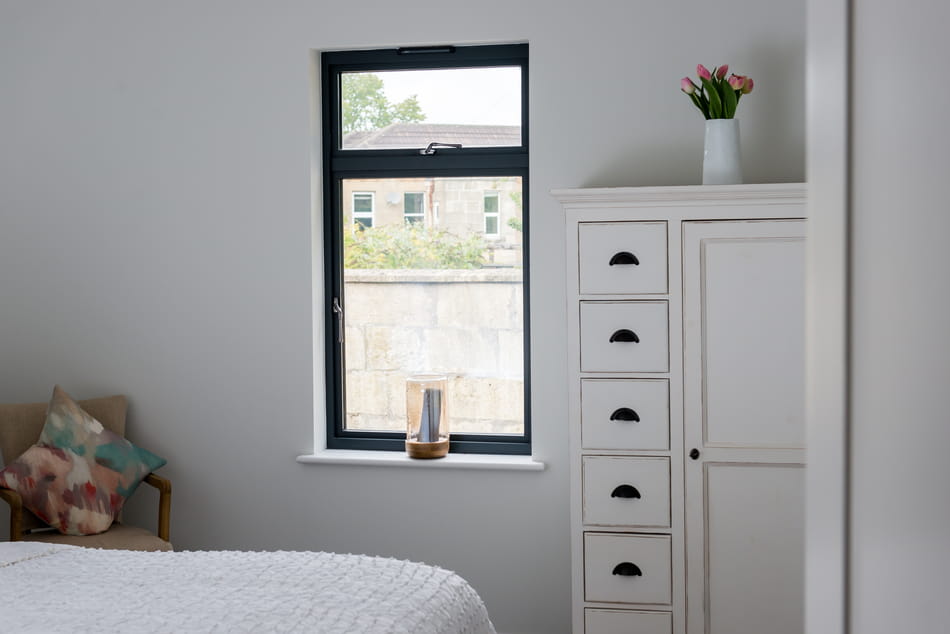
A casement window usually consists of a single framed sash. This is attached with hinges at the side or top of the frame.
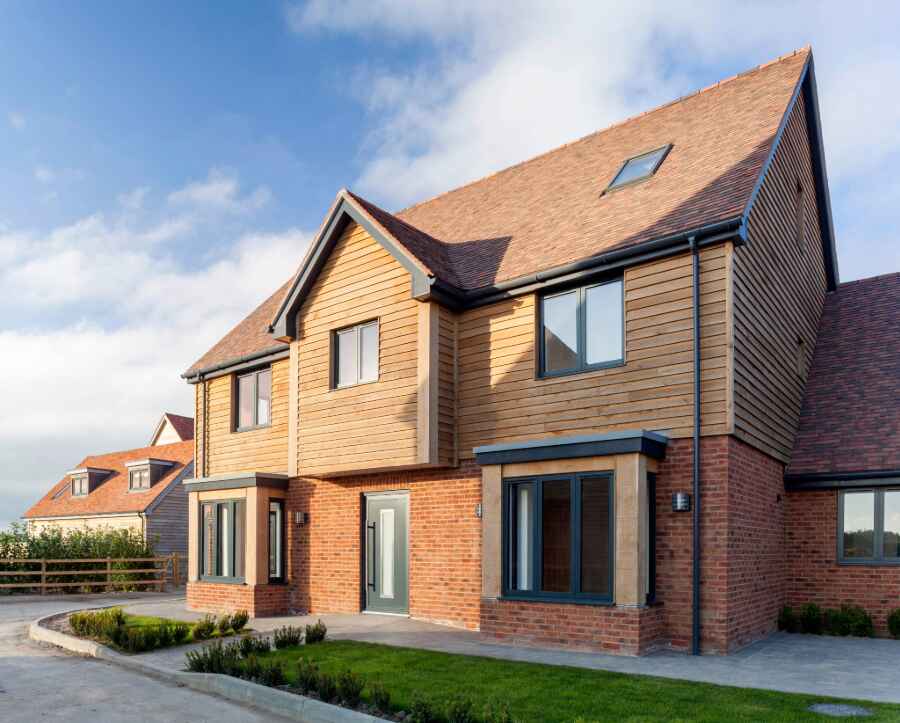
Casement windows are extremely versatile and can suit many different designs and themes. For example, you can install them as a single window or combine multiple panels within one opening. Some designs also include fixed sections alongside opening sashes, maximising daylight while still allowing for ventilation.
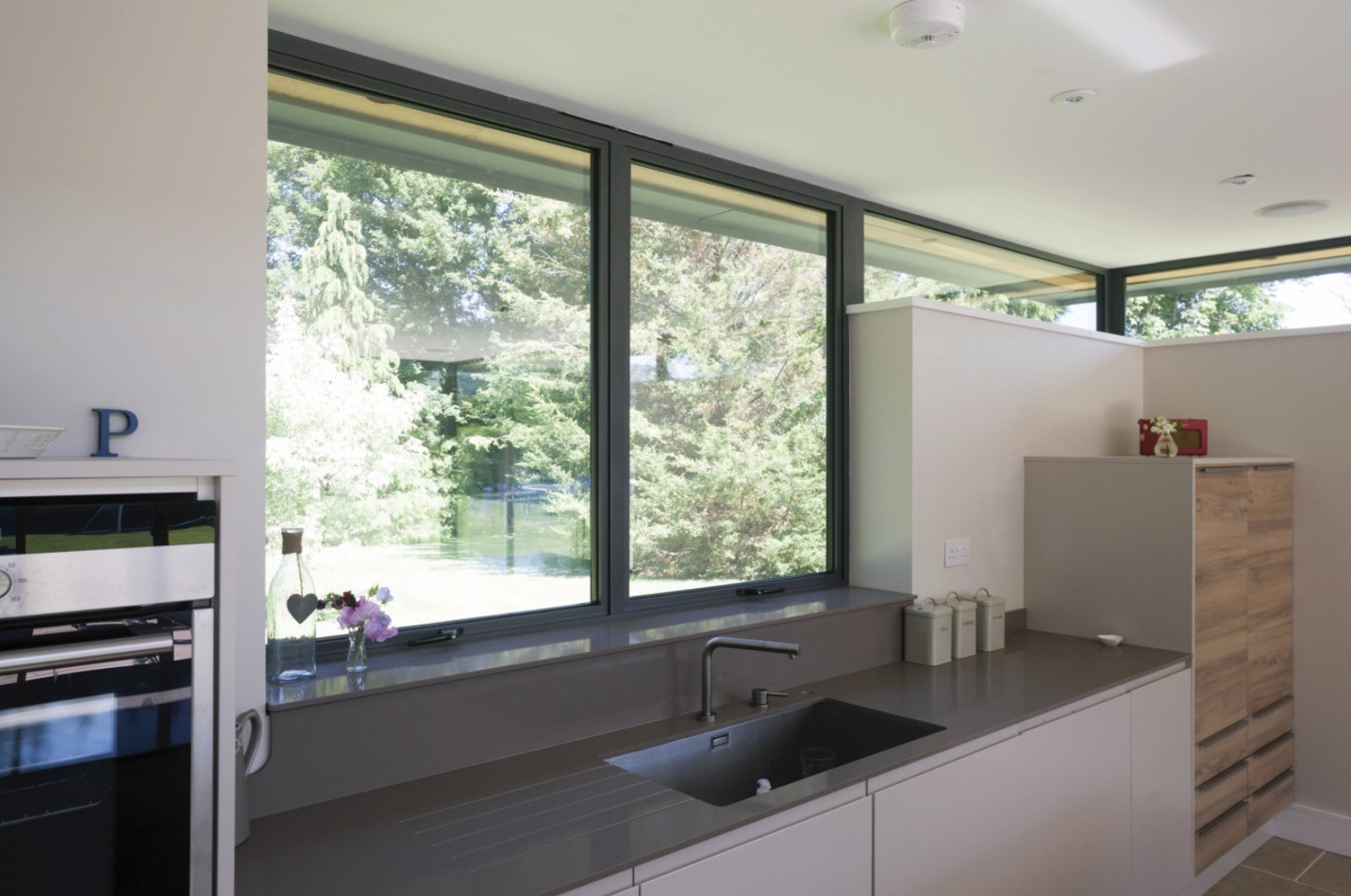
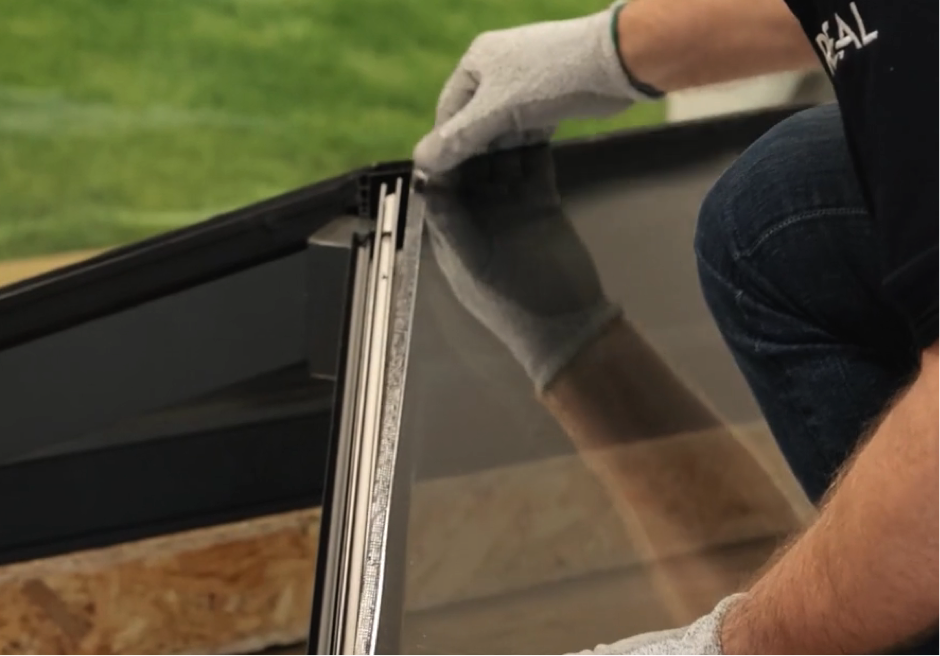
One major difference between casement window styles is the material used to make the frames. Aluminium casement windows have strong yet slim frames which give you more daylight and uninterrupted views. Other materials, such as uPVC, are not as strong, so require thicker frames. This is usually a choice made early in the design stage.
How Do Casement Windows Work?
The hinges on casement windows allow them to swing inwards and outwards. A handle connects to a locking system built into the frame, keeping the window secure when closed.
You can choose different configurations based on your preferences and needs. Some open from the side, while others open from the top. Many people choose multi-point locking systems for added security.
Overall, casement windows are simple and reliable, which is why they’re widely used in all types of homes.
The Benefits of Casement Windows
Choosing casement windows for your home brings a number of advantages:
- They open wide and bring in lots of fresh air
- They close tightly and help you stay energy efficient
- They’re a simple and cost-effective design
- They’re available in a wide range of styles, suitable for both modern and traditional homes.
For these reasons, they’re one of the most popular window types we manufacture for UK homeowners.
The Types of Casement Windows
So, what are some casement window types you might choose for your home?
Side-Hung Casement Windows
Side-hung casement windows are the most common type. Here, the window is hinged on one side and opens outward like a door. It’s a great choice for most rooms, giving you good views, security and ventilation.
Top-Hung Casement Windows
Top-hung casement windows are hinged at the top. They then open outward from the bottom and can have a fixed panel underneath. This design is a good mix of ventilation and protection from incoming rain, making them especially popular for bathrooms or kitchens.
Fixed Casement Windows
Fixed casement windows are built into the frame and don’t open. They’re usually used alongside opening windows, helping to maximise light or views, or if you simply don’t need ventilation in that room.
French Casement Windows
French casement windows are another common design. They consist of two casement windows that open outward from the centre. However, in a French casement design, there’s no central bar between the two panes. This creates a clear, open space when both panels are open – ideal for unobstructed views or a wider opening.
Double Casement Windows
Double casement windows include two separate panels within one frame. The major benefit of this style is that each panel operates independently. You have more control over airflow, style and security.
Flush Casement Windows
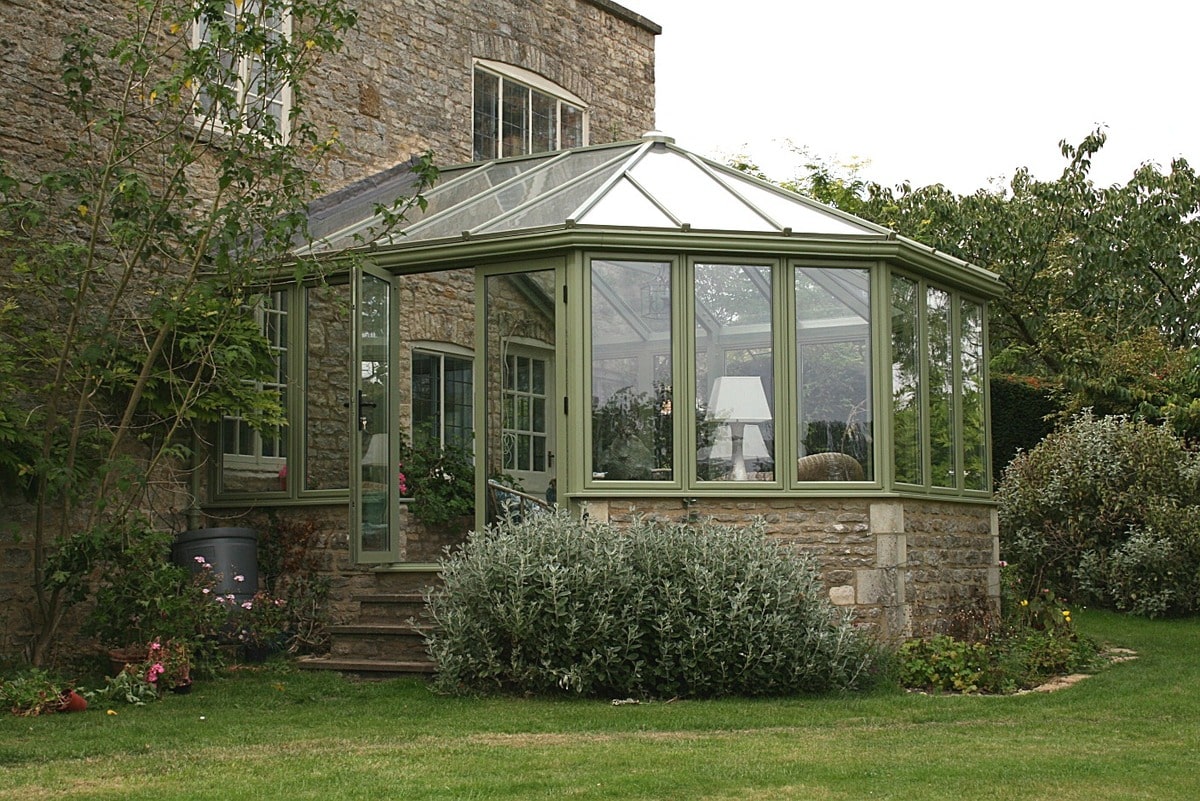
Flush casement windows are another popular option. These sit level within the frame rather than overlapping it. For this reason, they’re often chosen for heritage-style properties that want a more traditional or less contemporary appearance.
Casement Window Styles in the UK
As well as different casement window types, there are also many different styles available, including:
- Contemporary casement windows that use slim frames and large glass panels to maximise light.
- Traditional casement windows with detailed frames that suit properties with classic architecture
- Heritage casement windows that replicate the character of traditional metal frames
…and many others. You can also choose from a wide range of colours and finishes to match your windows with your doors and glass roof systems.
Casement Windows vs Other Window Styles
Now we’ve covered casement windows, let’s see how they compare to other window styles.
Casement vs Sash Windows
The main difference is that casement windows open outward, while sash windows slide vertically. Casement windows tend to provide better ventilation and form a tighter seal when closed. This can help with security and energy efficiency.
Casement vs Tilt & Turn Windows
Tilt and turn windows are another popular option that can open in two different ways. They tilt inward (like a top hung casement window) for ventilation. But you can also open them fully inwards via the side hinges.
Casement windows are a simpler design that are easier to use and can be more cost-effective. Both are excellent choices – it really comes down to budget and tastes vs flexibility.
Casement vs Fixed Picture Windows
As their name suggests, fixed windows don’t open at all. They’re designed to maximise views and light but without any ventilation. In many homes, you’ll see a combination of both fixed and casement windows used together.
Are Casement Windows Right for Your Home?
Are you considering installing casement windows? You can use this checklist to decide if they’re right for your home. Casement windows are a good fit if you:
- Want good ventilation and airflow
- Don’t want any complicated window mechanisms
- Prefer flexible styles that suit a range of home designs
- Are looking to stay secure and energy efficient.
If you’re also looking for maximum daylight, contemporary designs and durability, you might choose aluminium casement windows.
Why Aluminium Casement Windows Are Popular
Aluminium casement windows are now increasingly popular across the UK, especially in modern homes and extensions. This is because aluminium frames are strong yet slim. Choosing aluminium frames gives you clean designs with uninterrupted views and lots of natural daylight.
Some of the other benefits of aluminium windows are that they’re incredibly durable, resisting warping, rusting and fading over time. They also require very little homeowner maintenance to perform at their best, with modern thermally broken systems giving fantastic energy efficiency.
At Atlas Aluminium, we design and supply aluminium windows using high-performance systems such as Alitherm 400. Explore our range of aluminium casement windows to find your ideal design.