Installing a rooflight is one of the most popular ways to bring natural light into modern homes. But what are rooflights, exactly? And how are they different from other glass roof systems like skylights or roof lanterns?
It’s easy to see why this can be a confusing topic for UK homeowners. Different terms are often used interchangeably, but they do refer to unique products.
In this guide, we’ll go through exactly what a rooflight is. You’ll learn how they work and in what types of rooms they have maximum impact. Finally, we’ll look at the different types of rooflights and see which option might suit your home design the best.
What Is a Rooflight?
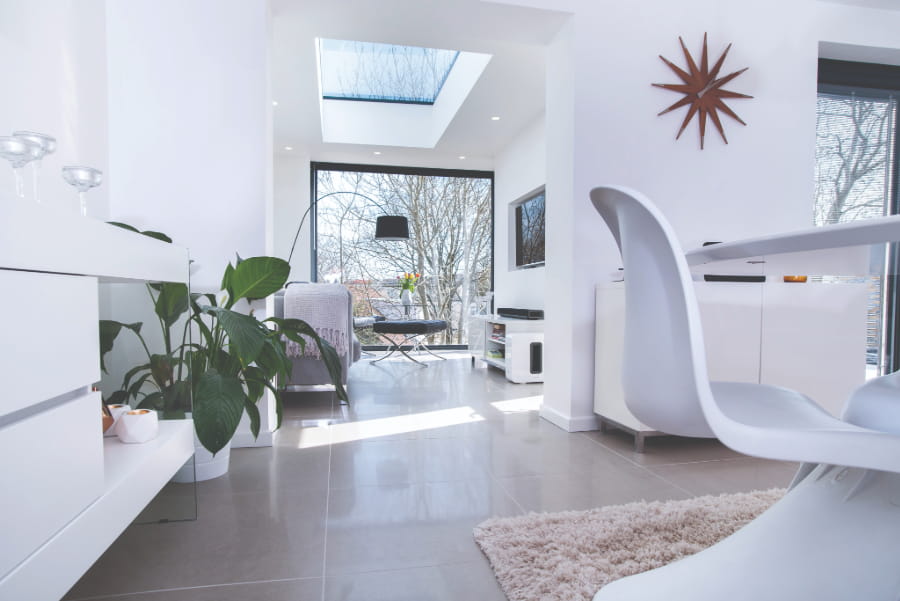
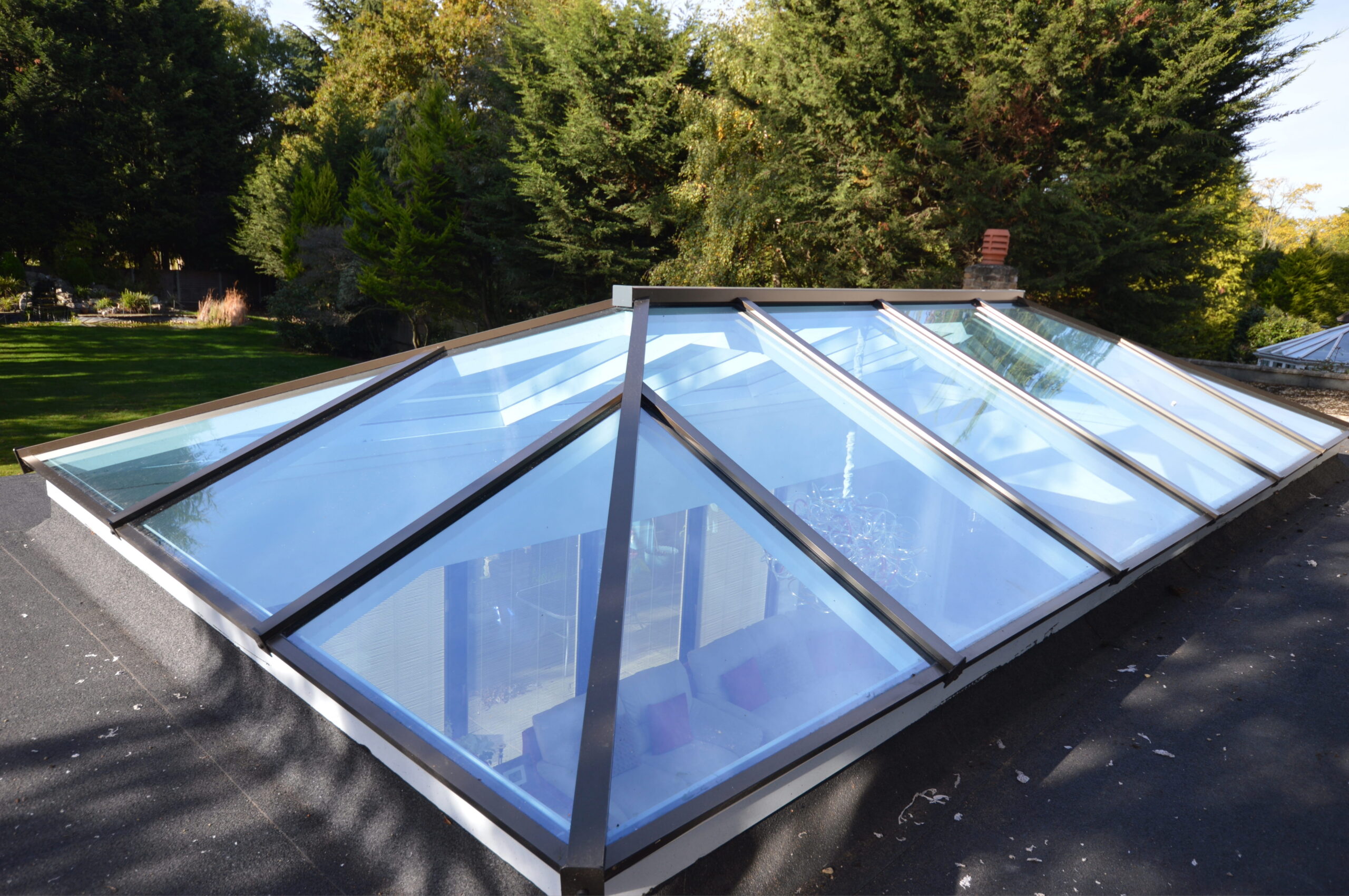
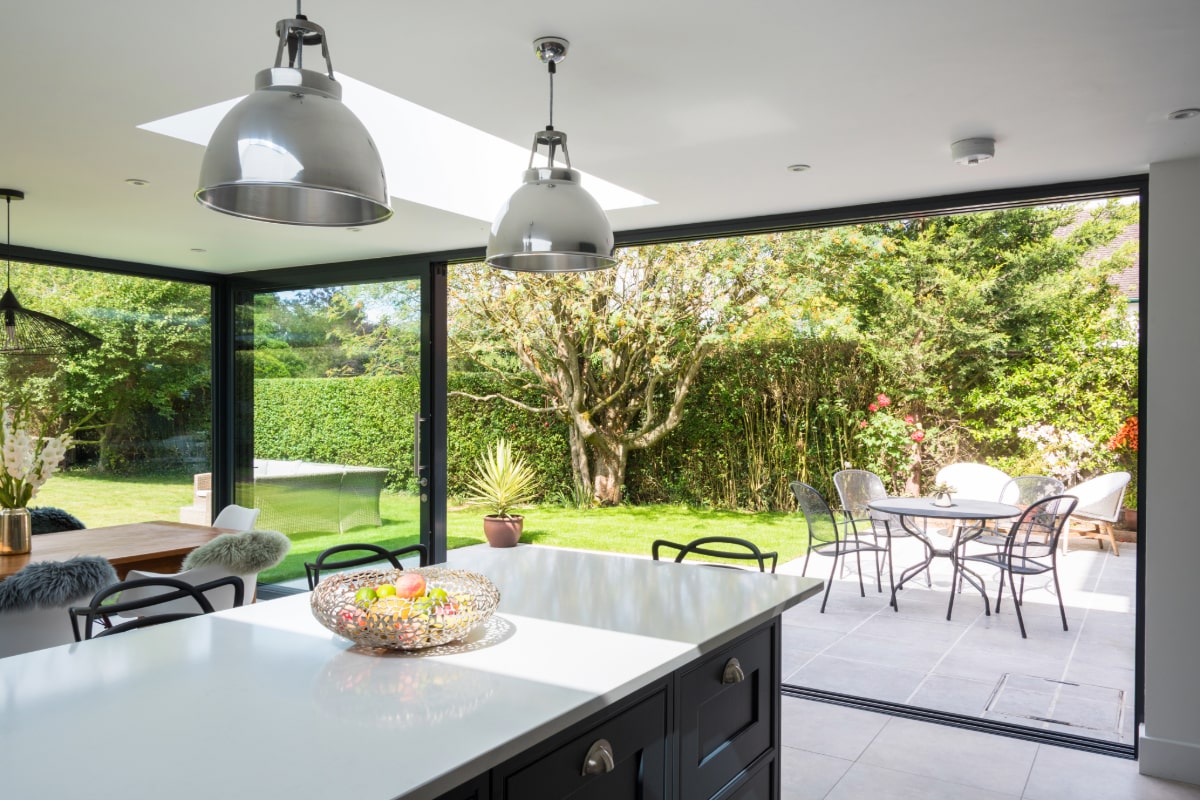
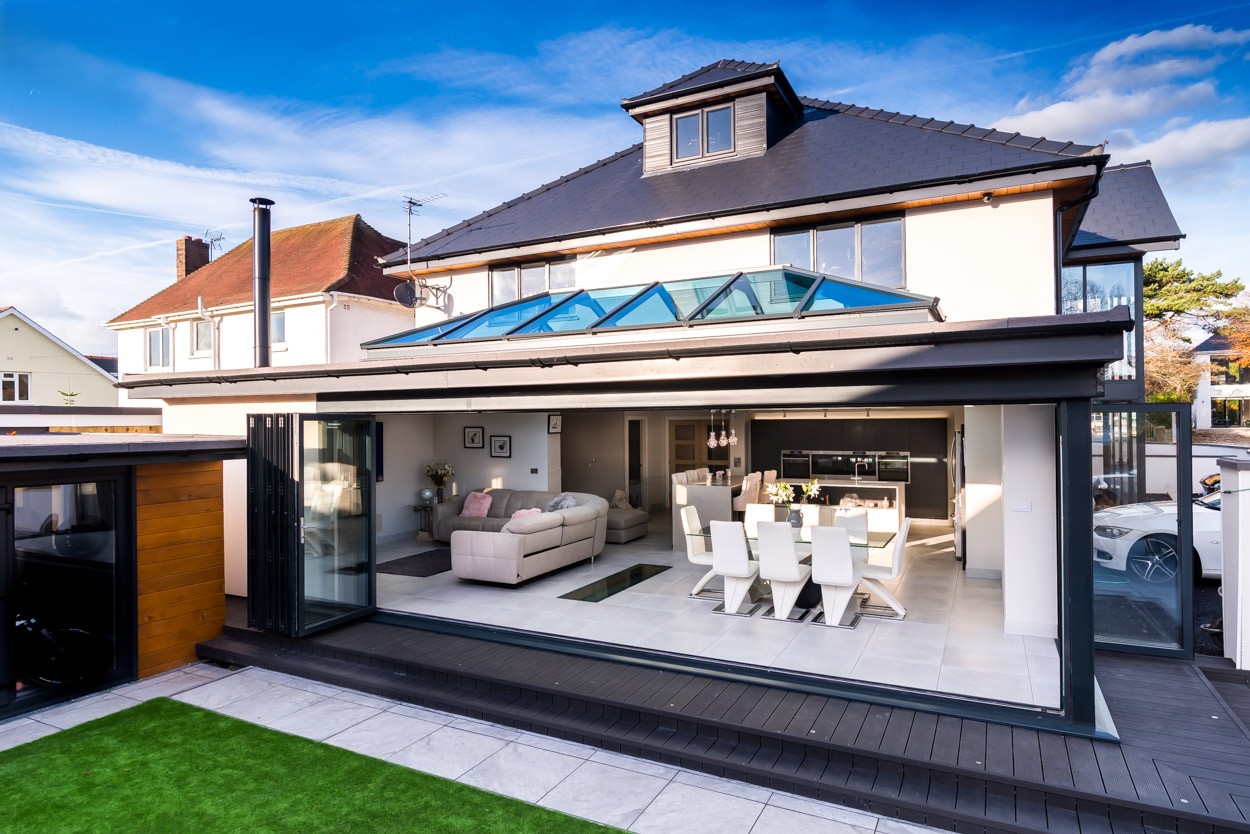
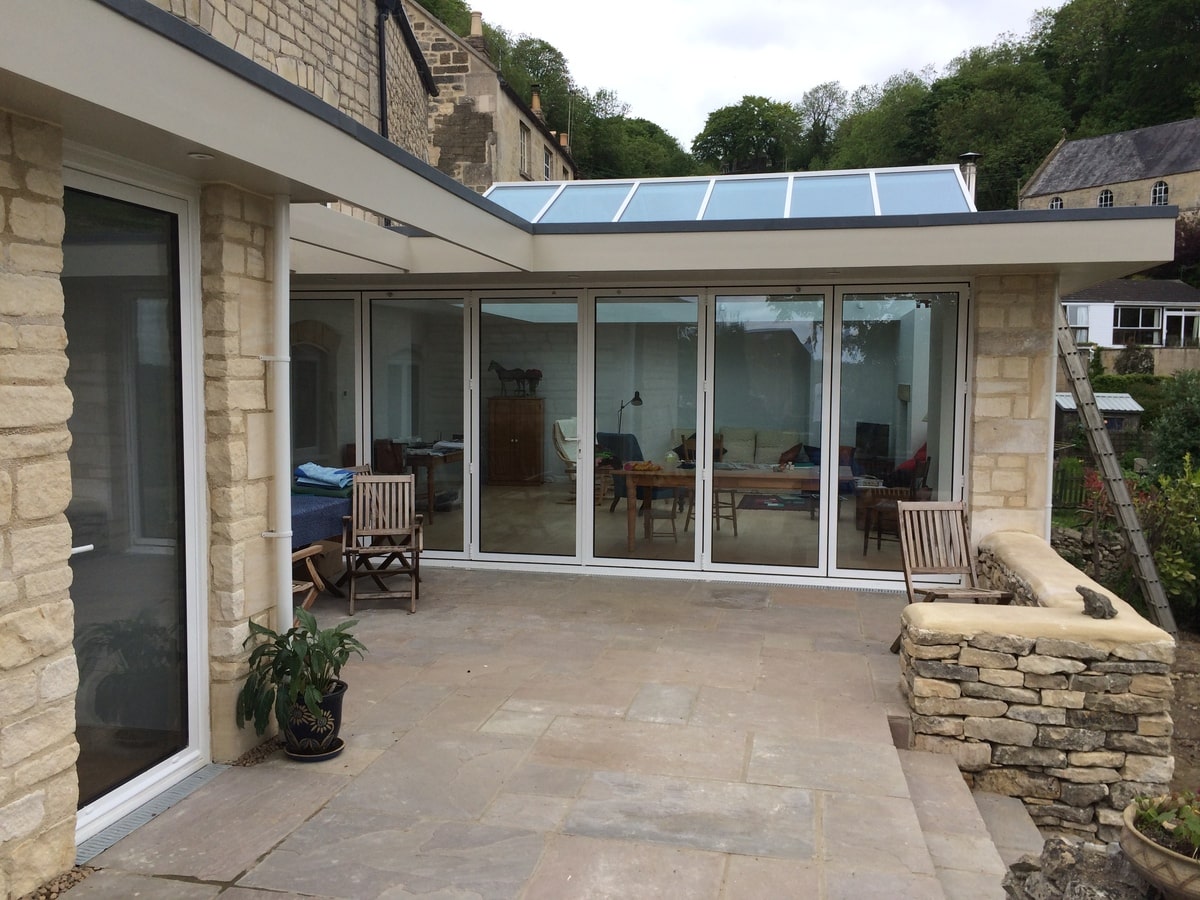
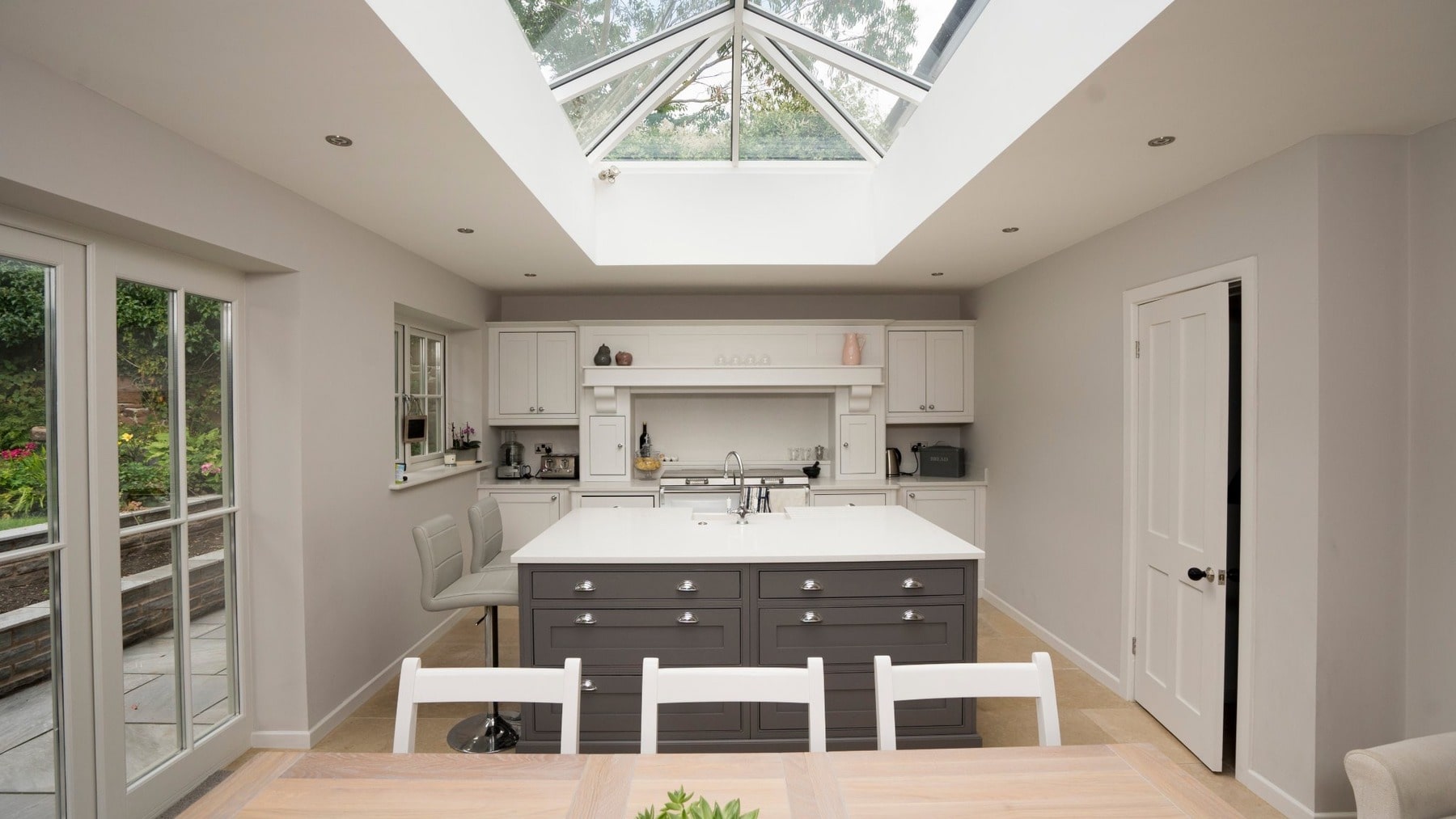
A rooflight is a glazed unit installed into a roof. Its main purpose is usually to allow natural light into the space below. In most cases, a flat glass rooflight sits level with the roofline, especially on flat roofs.
Unlike other installations, such as roof lanterns, a rooflight is designed to be quite a subtle installation. It doesn’t raise up or change the shape of your roof. Instead, it’s there to let in daylight while keeping a clean and subtle finish.
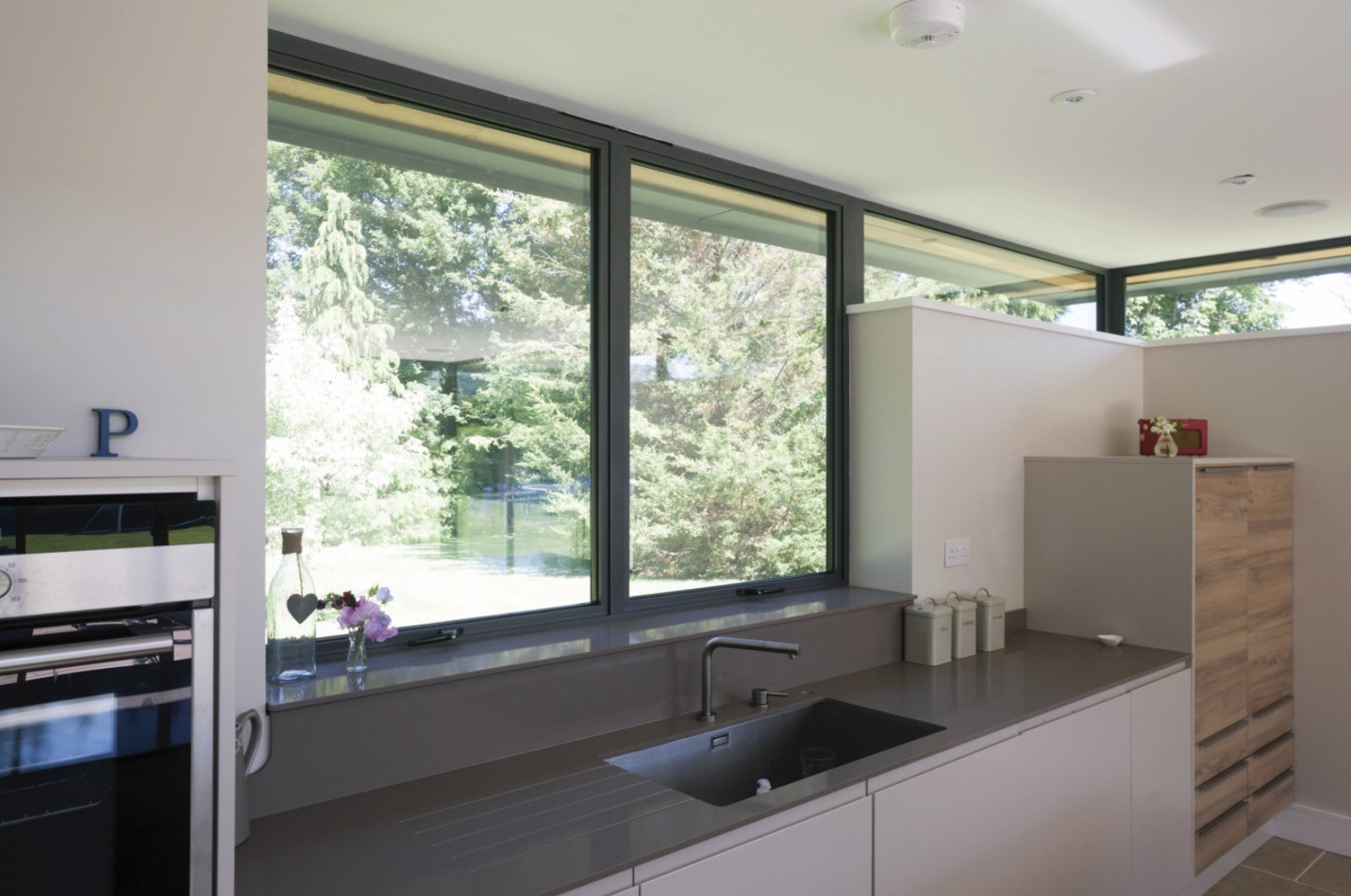
Rooflights are popular across many types of buildings, including both residential and commercial. Kitchen extensions and office spaces are common choices – but they’re a simple way to brighten any areas where wall windows don’t bring in enough light.
Rooflight vs Skylight vs Roof Window vs Roof Lantern
You might have seen many different names used for similar products. Here’s a quick checklist to make sure the differences are clear:
- A rooflight usually sits flush with the roofline, often on flat roofs in modern extensions
- A skylight is a broader term that refers to almost any type of window installed in a roof
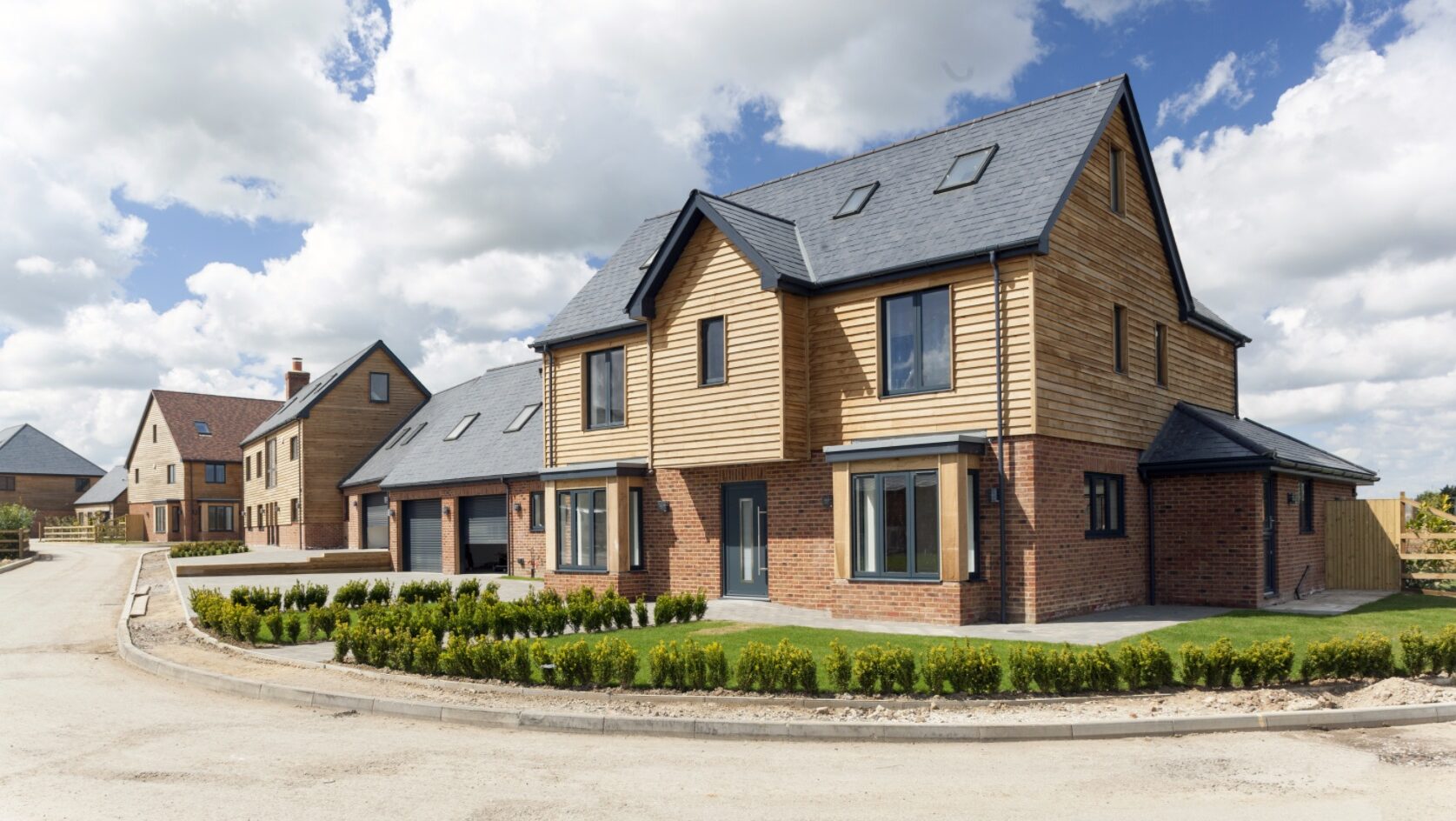
- Roof windows are typically installed in pitched roofs, like loft conversions or attic spaces, and can open for ventilation.
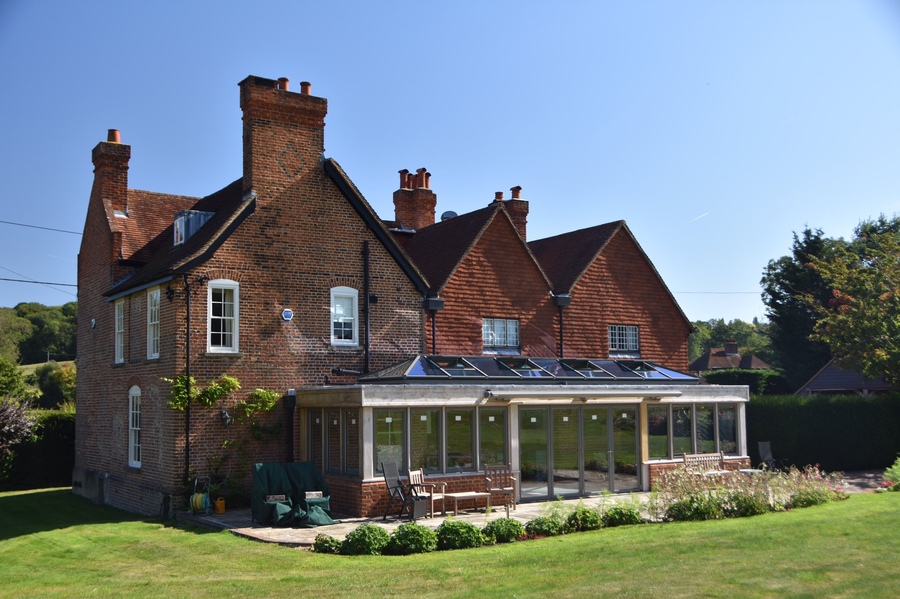
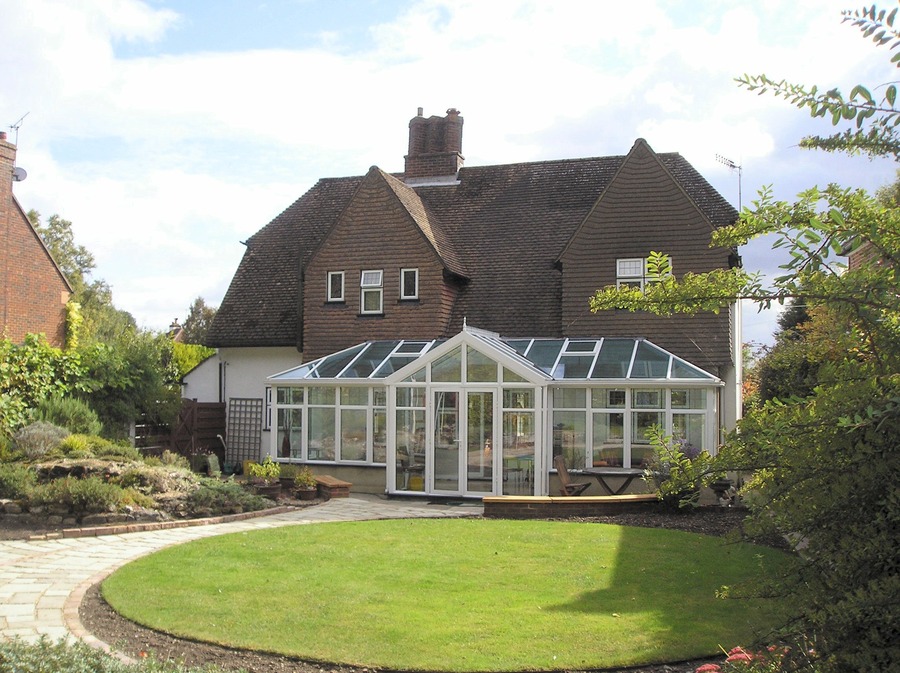
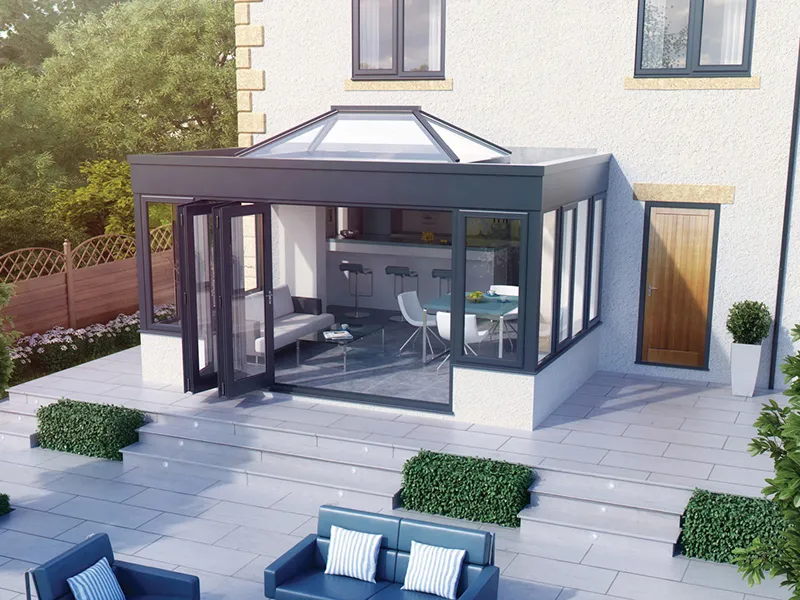
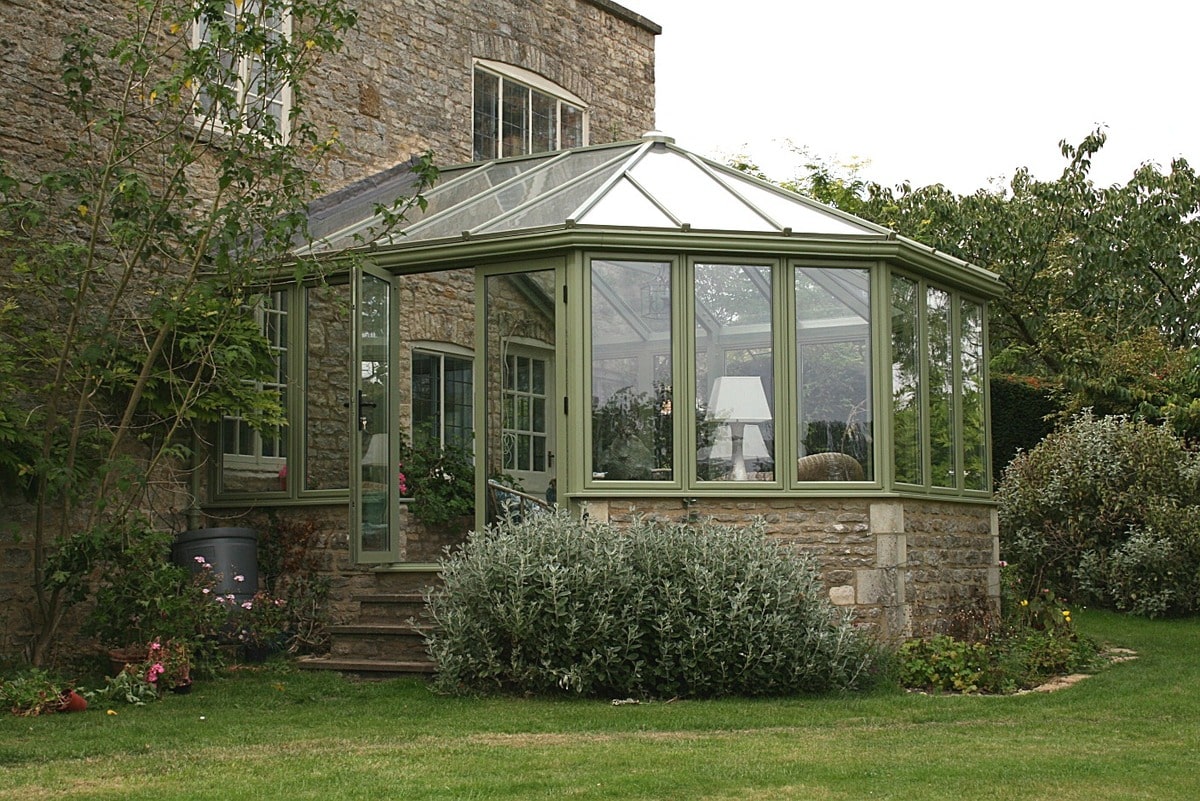
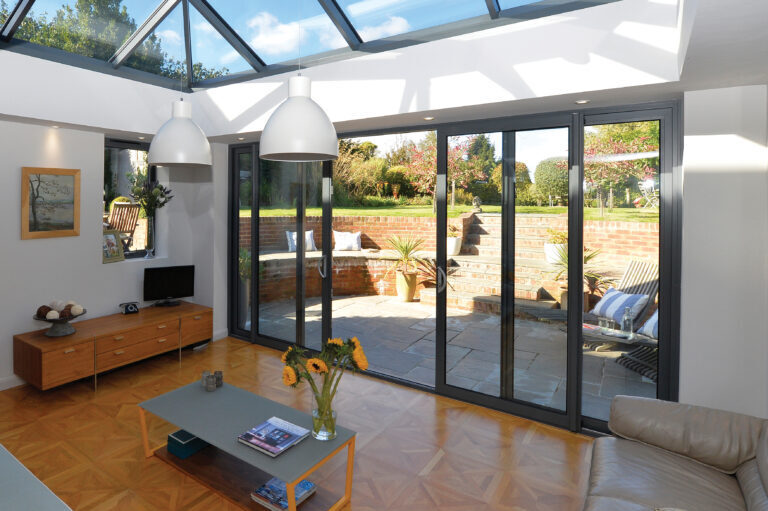
- A roof lantern is more elaborate, usually sitting above the roofline rather than within it. This creates a more architectural feature and adds height to a space.
Rooflights vs Roof Lanterns: Which Should You Choose?
At this point, we often see homeowners narrow their choices down to rooflights vs roof lanterns. You can use this checklist to see which might be a better fit.
Rooflights usually work best in:
- Smaller spaces or less ambitious designs, where they can sit flush with the roof and offer a clean, understated look
- Minimalist rooms, where they bring sharp lines and less visible structure
- Budget-driven projects.
There are also pros and cons of roof lanterns. They might be a better choice for:
- Large spaces, where a single flat rooflight might look out of place
- Projects where adding height to a room is the main aim
- Statement pieces, with roof lanterns offering more dramatic designs
- Rooms where you want the absolute maximum daylight possible, with roof lanterns giving more angles for sunlight to come in.
How Do Rooflights Work?
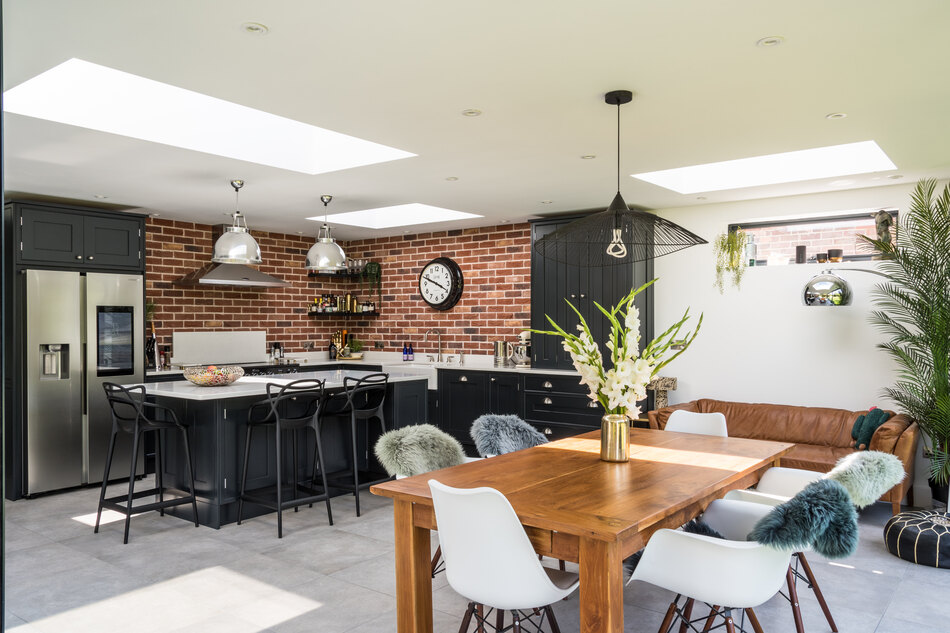
Rooflights are usually flat and positioned horizontally. You can also place them at a slight angle to capture daylight. Compared with vertical windows, this lets light into the room more evenly. For this reason, rooflights are popular in rooms where normal window space is limited.
There are several other factors that add to the quality of rooflights. For example, using high-performance glass helps control temperatures inside. Quality frame materials, such as aluminium, allow for more glass and less visible structure to maximise the daylight you gain.
What Are the Benefits of Rooflights?
Installing a rooflight in your home can bring many different benefits:
- More natural daylight while reducing the need for harsh artificial lighting
- Rooms feel larger and more open, especially in flat-roof spaces
- Evenly spread light which allows for balanced open-plan layouts
- Depending on the specification, added ventilation and thermal efficiency.
Above all, a high quality rooflight can make a noticeable difference to how your space feels day to day.
Where Are Rooflights Used?
Rooflights are flexible. In reality, you can probably use one in any room with a roof. At Atlas Aluminium, we commonly design and manufacture high-quality rooflights for the following settings:
- Flat-roof rear extensions
- Kitchen-diner renovations
- Garage conversions
- Hallways and stairwells
- Bathrooms and utility rooms
- Commercial offices and retail spaces.
Basically, they’re a good option anywhere where natural light is limited or vertical window placement is tricky.
Types Of Rooflights
Now we know the basics, let’s see some different types of rooflights available.
Fixed Flat Rooflights
Fixed rooflights are the simplest type. Their main purpose is to let more daylight into the room below. They don’t open. If you want a clean, minimalist design and don’t need ventilation, this is often the best choice.
Opening Rooflights
You can also choose rooflights that open up and allow for airflow. Depending on your plans and budget, you can choose between manual or electric opening systems. Due to their ventilating properties, they are a popular choice in kitchens and bathrooms.
Modular Rooflight Systems
Are you working with a larger space? Then you might consider modular systems that combine multiple rooflights into one design. This helps spread light across a wider area and works particularly well in open-plan areas.
Circular And Bespoke Rooflights
If you’re looking for something unique, bespoke rooflights give you options to get creative. For instance, designing rooflights with circular or unusual shapes can create a strong visual feature. These are often used in design-led projects for ultra-modern homes.
What Makes a High-Quality Rooflight?
Rooflights come in a range of styles and designs. Everything from the materials used to crafting and addons influences how well they perform over time. If you want the highest possible quality rooflight, look for the following factors at design stage:
- Energy efficiency – thermally efficient glazing helps maintain a comfortable indoor temperature all year round
- Material quality – strong frames, such as aluminium, can support larger glass panels without the need for bulky or unsightly frames
- Durability – some materials offer stronger weatherproofing and robustness than others
- Glazing – upgrading to safety glass or solar control glazing improves security and reduces heat build up
- Maintenance – low maintenance materials and upgrades, such as self-cleaning glass, helps your rooflight keep its appearance over time.
Finally, having your roof system fitted by an expert will make sure it performs at its best.
Why Aluminium Is the Ideal Material for Rooflights
You can find rooflights made with different frame materials. However, many modern systems are made with aluminium. This is for several important reasons.
First, aluminium is extremely strong. It’s also lightweight. This combination allows for slim frames and larger glass panels, letting in lots of natural daylight without the need for chunky support structures.
Aluminium also resists corrosion and performs well in changing weather conditions. Its powder-coated finishes provide long-lasting colour and only need simple routine homeowner maintenance.
At Atlas Aluminium, we create aluminium rooflights that combine elegant designs with high-quality, long-term performance. Browse our range of aluminium flat glass rooflights to see which suit your home design vision.