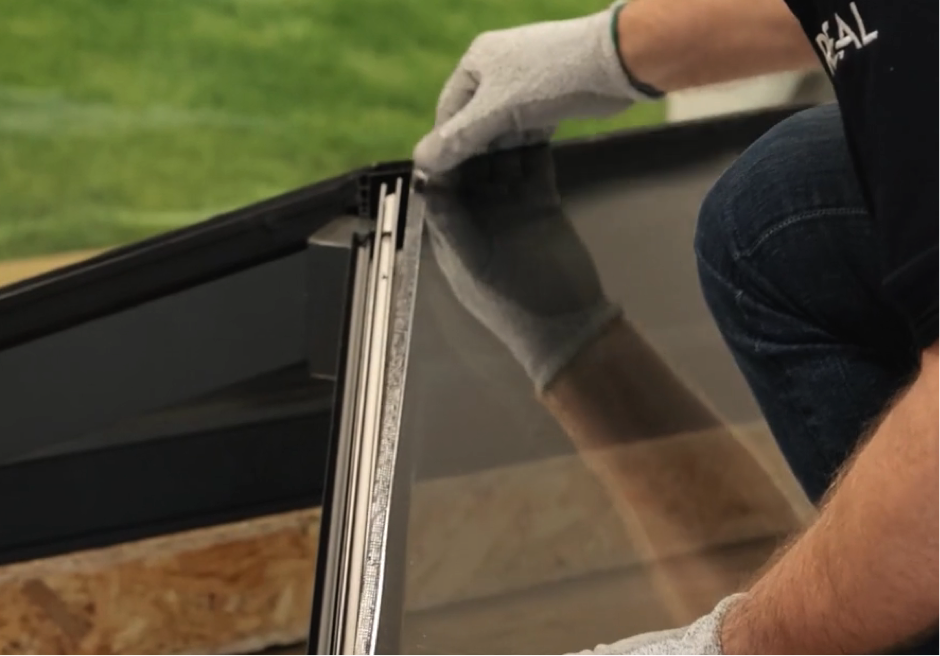
Look at any modern home extension and you may well find that a roof lantern plays a key part. After all, they bring many benefits. They let in daylight, open up the room, bring modern technology and, of course, look stylish.
But what is a roof lantern exactly? You might often hear the term without fully understanding what it means. Some use it as another word for a skylight, while others think it refers to any type of roof window.
These terms shouldn’t be used interchangeably. Roof lanterns are a specific type of glazed structure with a unique shape and purpose. In this guide, we’ll explain roof lanterns and show where one might fit in your home design plans. We’ll also share examples of Atlas Aluminium designs that we’ve built and installed in homes around the UK, showing you all that roof lanterns offer.
What Is a Roof Lantern?
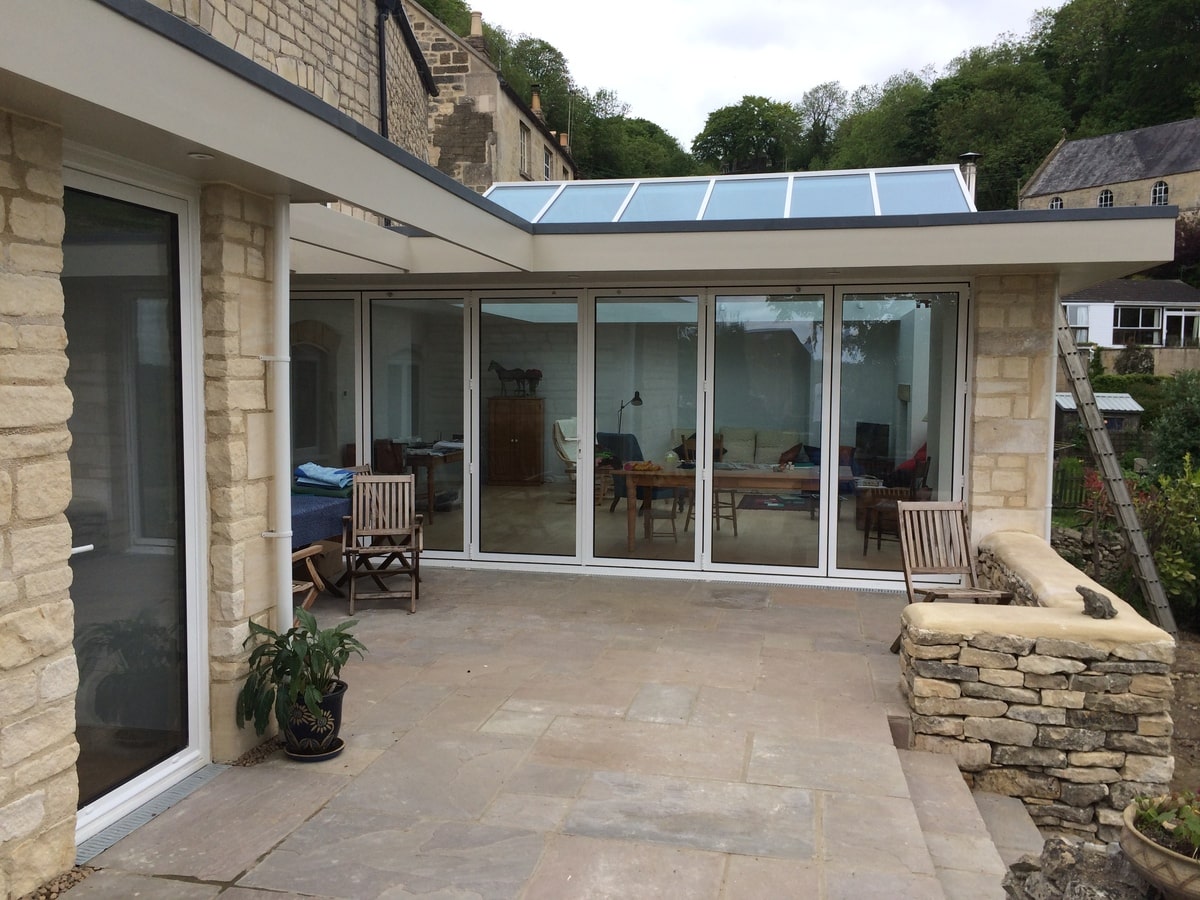
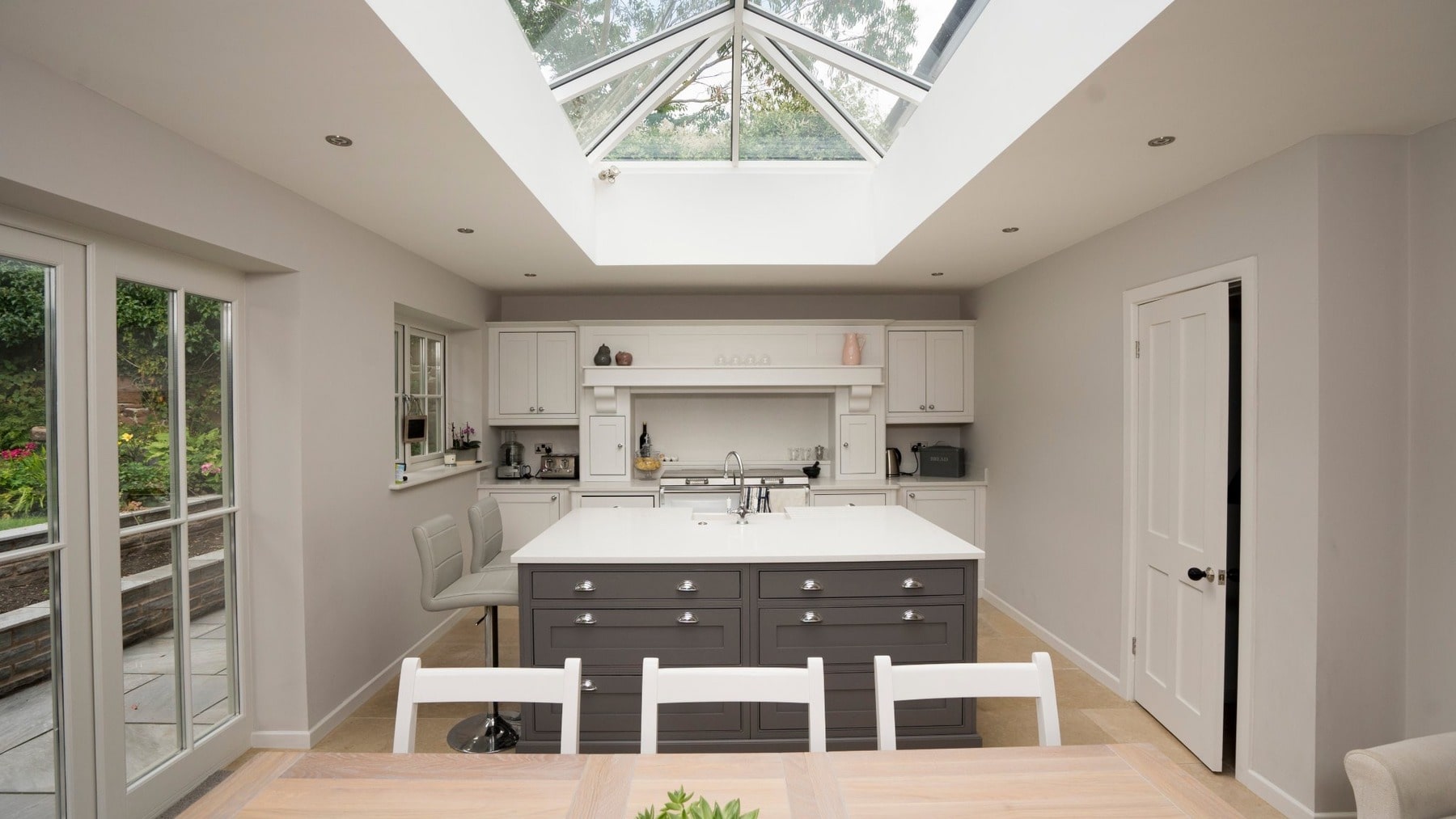
A roof lantern is a type of glass roof system. It’s most commonly installed into a flat or low-pitch roof, often added as part of home renovations or extensions. Its main purpose is to bring natural light into the room from above.
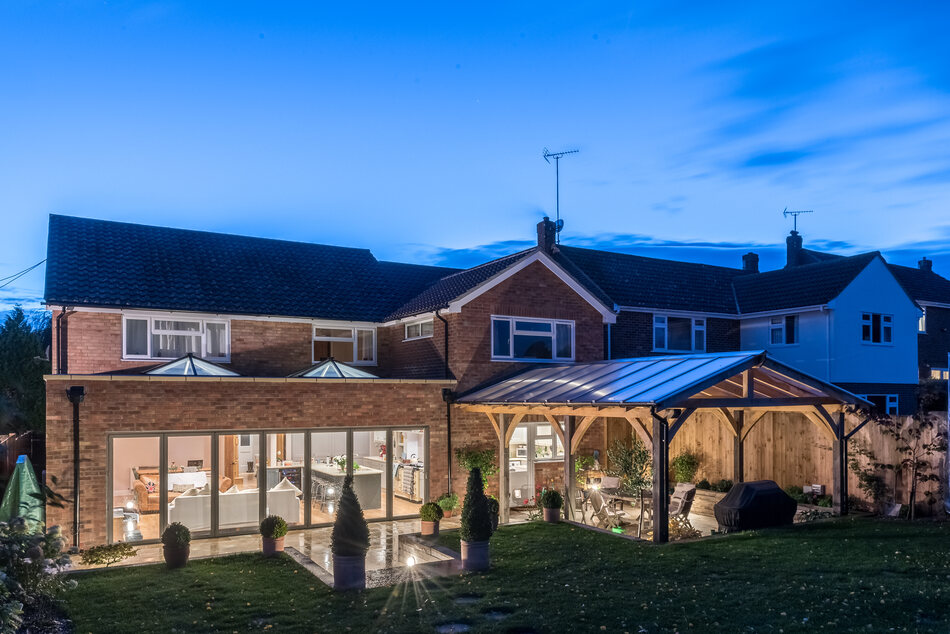
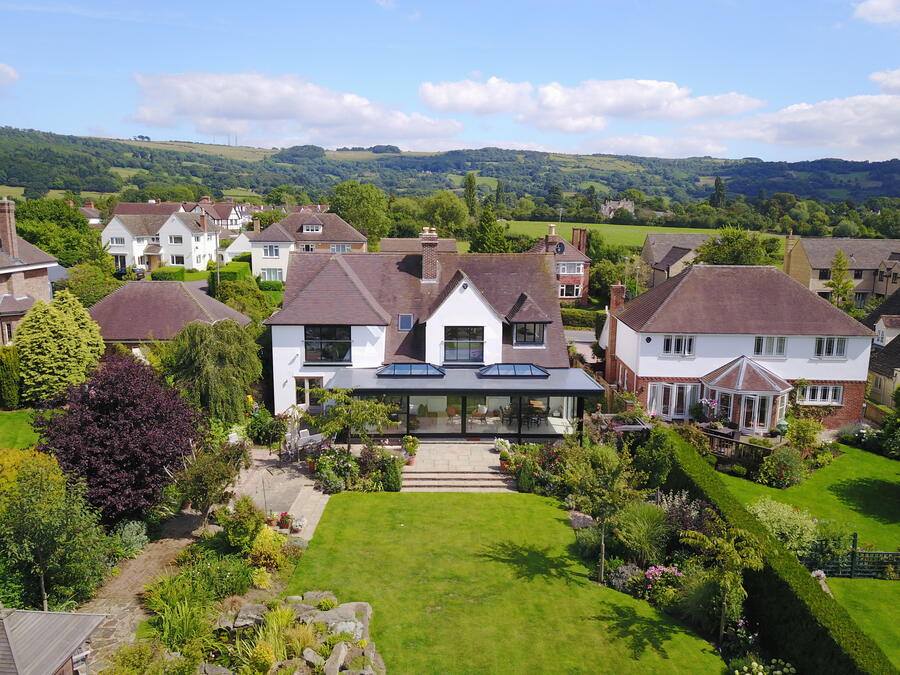
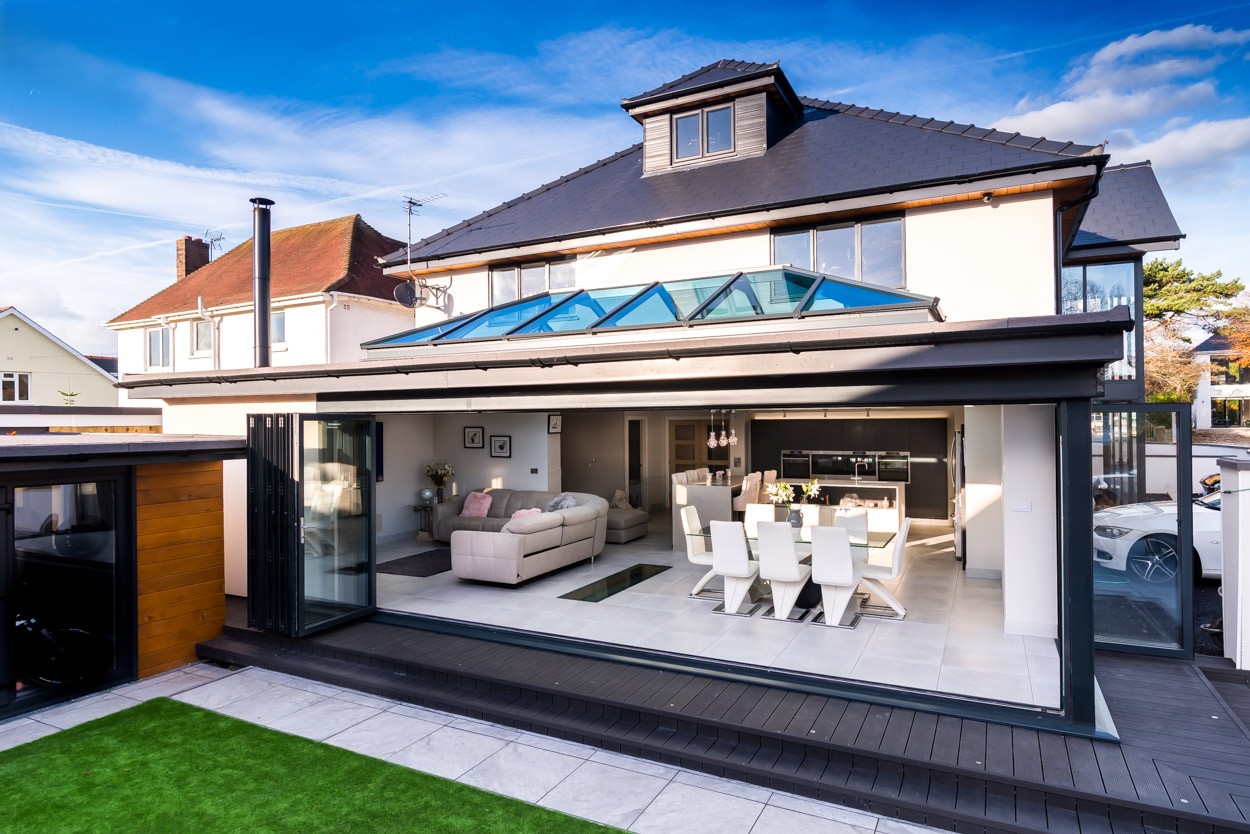
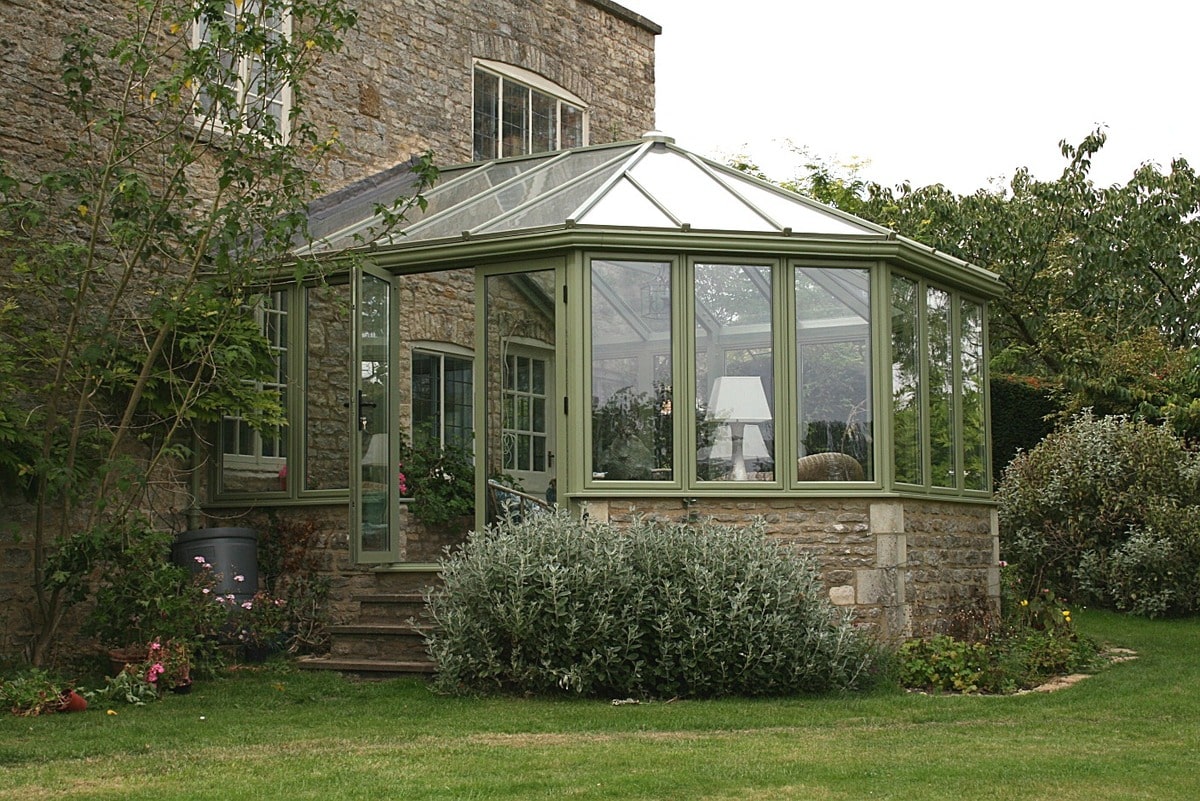
Roof lanterns are raised above the roofline – this is how they differ from other systems like flat glass rooflights. The structure usually forms a pyramid or rectangular shape with glass panels supported by frames. This lets daylight enter from multiple directions, spreading evenly around the room.
How Does a Roof Lantern Work?
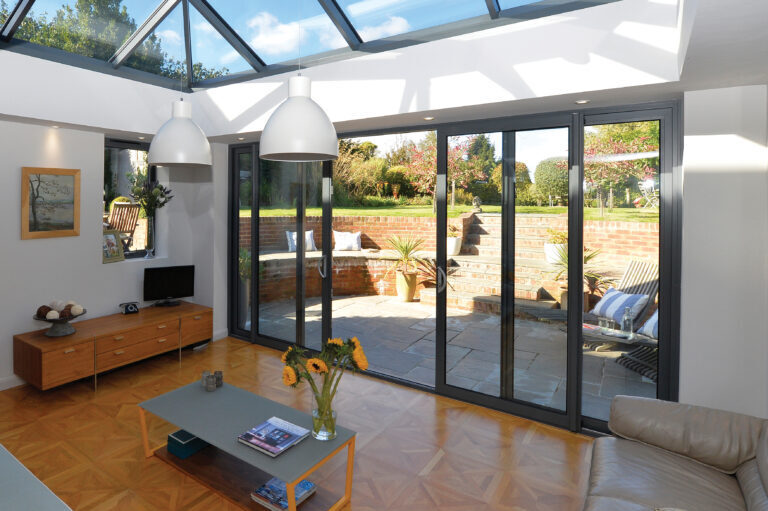
The main distinguishing feature of a roof lantern is that it’s raised above the roofline. This lets light enter from several angles throughout the day as the sun moves across the sky.
In comparison, flat rooflights only allow light in from directly above. This is fine for many home designs. However, choosing a roof lantern instead will make the most of any daylight your room could possibly receive.
Structurally, a roof lantern relies on a central ridge beam running along the top. Then, it has sloping sections, known as hips, that connect the ridge to the edges of the frame. Glass panels sit between the frames.
The glazing in roof lanterns can be heavy. For some materials, this can require a series of bulky frames to support. However, when they’re built with slimline modern materials such as aluminium, roof lanterns work both as a source of daylight and as an impressive visual feature.
Roof Lantern vs Rooflight vs Skylight
While they sound similar – and are sometimes spoken about as if they’re the same – roof lanterns, rooflights and skylights are different structures. Let’s see the differences between them.
Roof Lantern
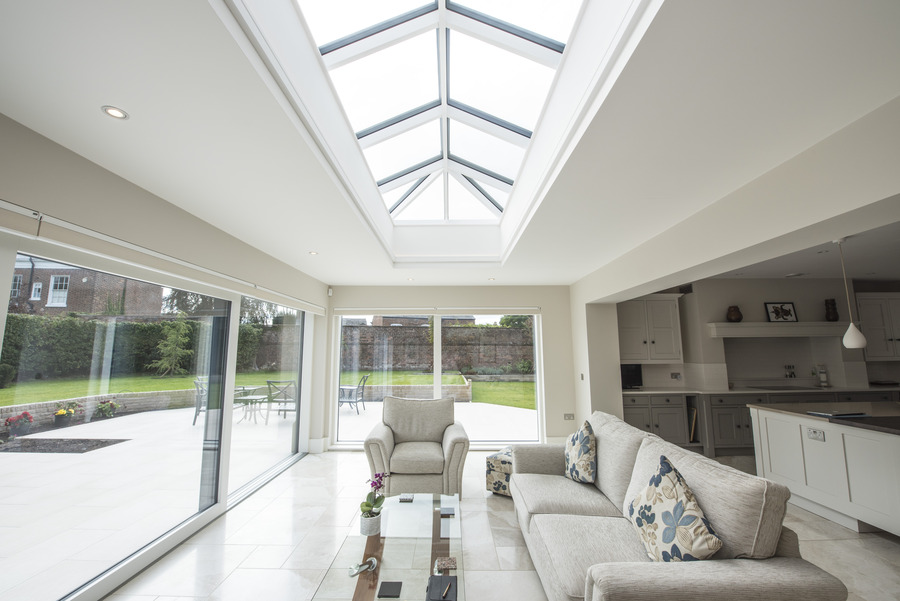
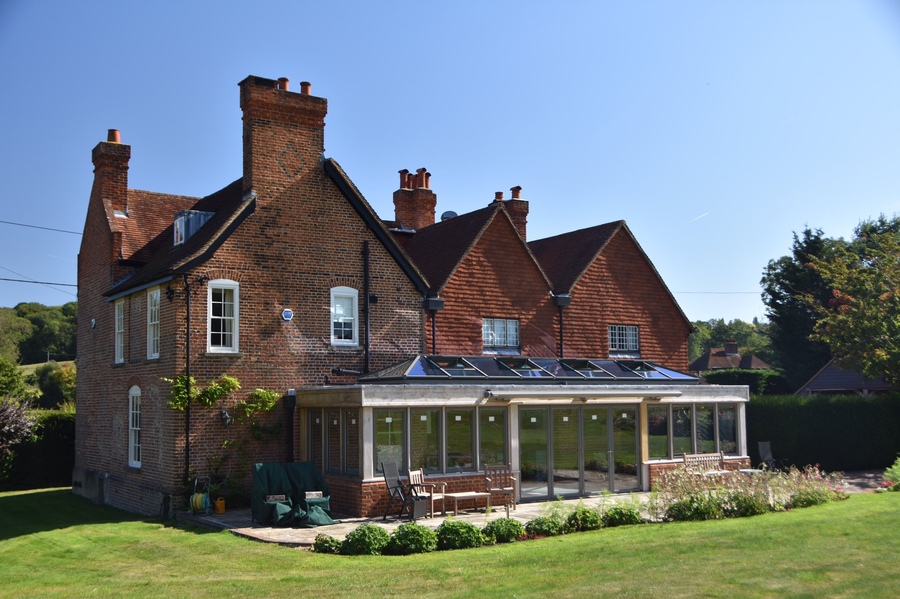
A roof lantern is raised above the roofline and forms a three-dimensional structure. For this reason, it’s often chosen as an architectural feature as well as a source of light.
The added height and angled glass frames allow daylight to enter from multiple directions. You’ll often see roof lanterns used in flat-roof extensions, kitchen renovations and orangeries.
Rooflight
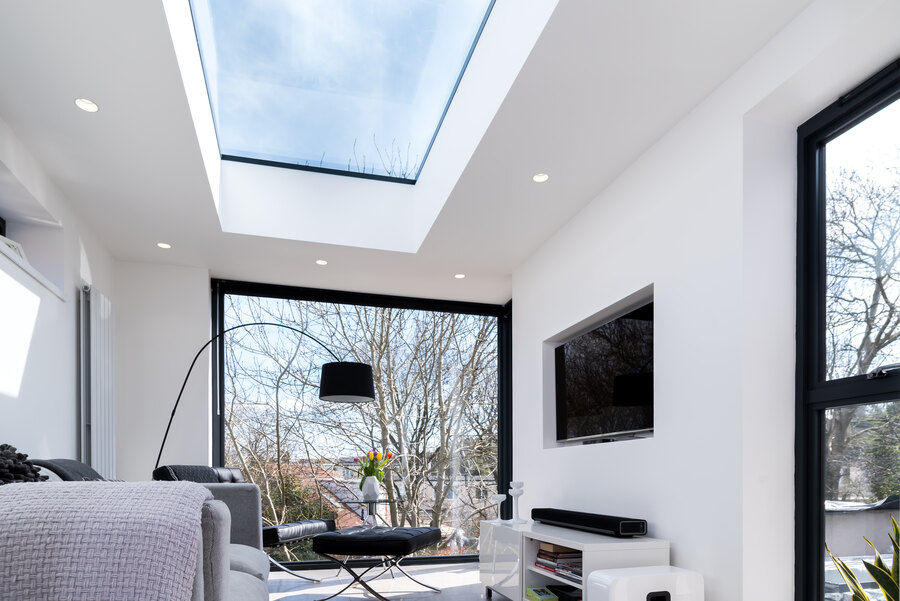
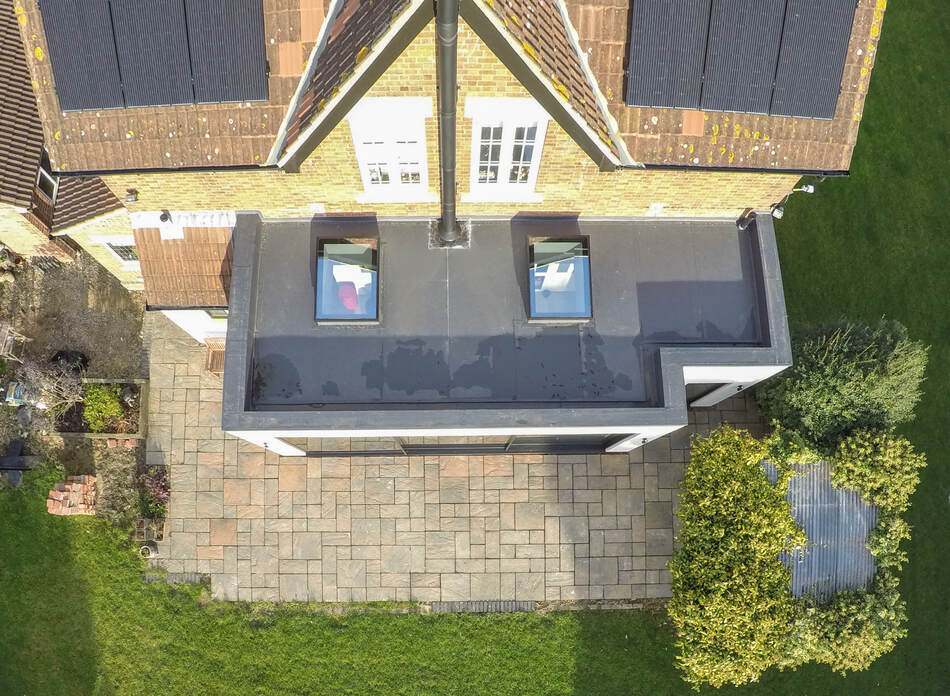
Flat glass rooflights suit homeowners looking for a more subtle glazed structure. They sit flush with the roof surface, lying flat within the roof structure. This design creates a minimalist appearance.
Rooflights are often used where the goal is gentle lighting rather than a statement feature. They’re an excellent choice for smaller rooms or if you don’t want a larger glass roof system.
Skylight
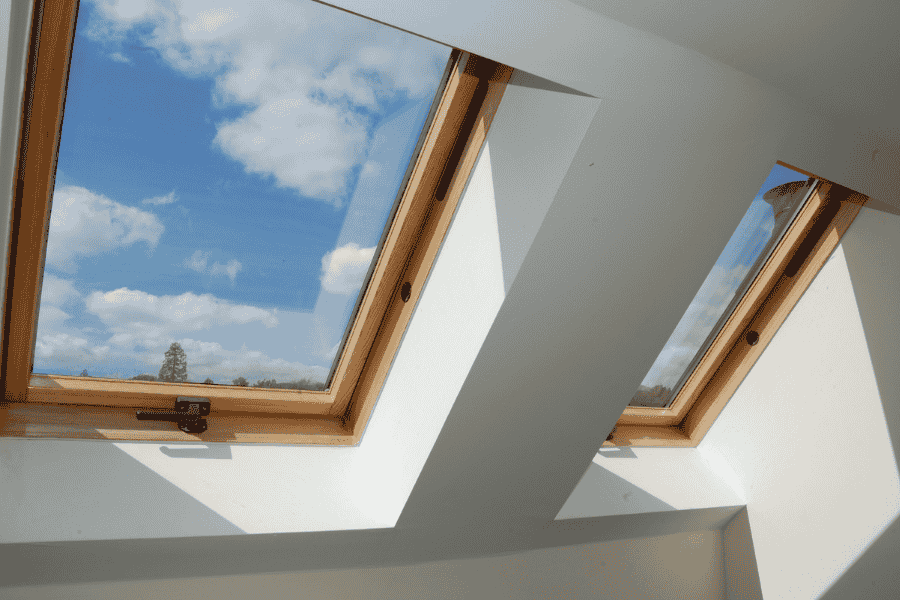
The term skylight usually refers to much smaller systems. They usually open for ventilation and sit within the slope of the roof. As such, skylights are installed as practical windows rather than roof features.
Where Are Roof Lanterns Commonly Used?
While they add aesthetic appeal, roof lanterns are most commonly used to let in more natural daylight. Good examples are rooms where vertical windows alone cannot provide enough light, such as:
- Rear flat-roof extensions
- Kitchen-diners
- Orangeries
- Garden rooms.
In many homes, the centre of an extension sits far from external walls. This can feel dark inside, even if you have large windows. A roof lantern solves this issue by spreading daylight directly down into that central space.
The Main Parts of a Roof Lantern
A roof lantern is actually made up of several structural components all working together. Learning about how each piece works will let you make informed design choices later down the line.
Ridge
Roof lanterns have a ridge that forms their highest point. This is usually a beam that runs horizontally along the top of the structure and is where the glass panels meet.
Hips
Next, most roof lanterns have hips that connect the ridge to the outer frame. These are usually sloping bars that support the glazing panels.
Glazing Panels
Then, roof lanterns have glass panels that fill the spaces between the structural bars. These allow daylight to enter while maintaining security and insulation. Modern roof lanterns will feature either double or triple glazing, with optional addons such as self-cleaning glass and solar protection.
Frame Structure
Playing a vital role, the frame holds the entire structure together. This can come in different shapes and designs, such as pyramid or rectangular.
Roof Upstand
Finally, an upstand, or raised base, sits on the roof opening. This key piece supports the roof lantern and helps protect against water ingress.
Optional Ventilation Sections
Then there are optional additions or upgrades. For example, some roof lantern systems include opening sections for ventilation. These can help keep rooms cool in larger spaces.
The size and strength of the roof lanterns depend on which materials are used for the frame structure. Aluminium roof lanterns achieve an excellent blend of strength and style, with the lightweight, slim frames allowing for statement pieces without bulky support structures.
Types of Roof Lantern Designs
When you design your roof lantern, you can choose from many different sizes and styles.
Contemporary Roof Lanterns
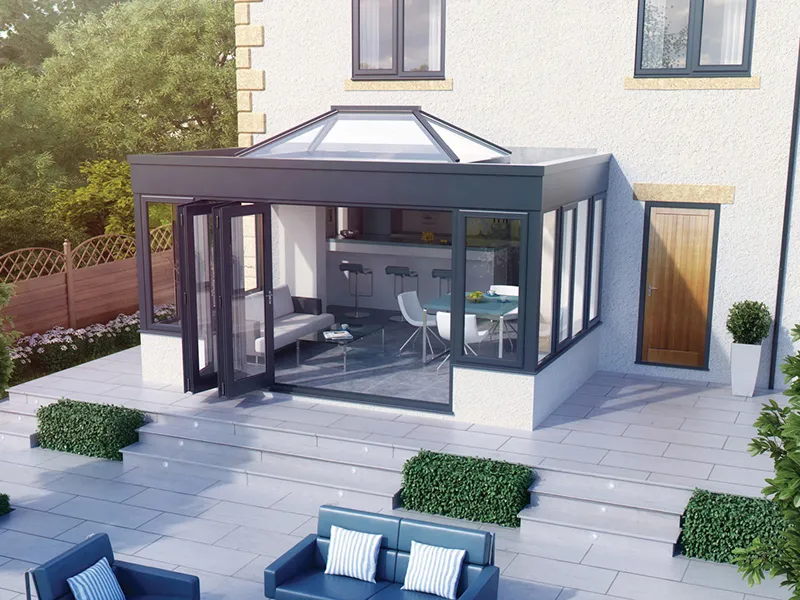
Contemporary roof lanterns are a great choice if you prefer clean lines and minimal detailing. In particular, using slim aluminium frames reduces the amount of visible structure, allowing for larger glass areas and more daylight. These work very well with modern homes and extensions.
Traditional Roof Lanterns
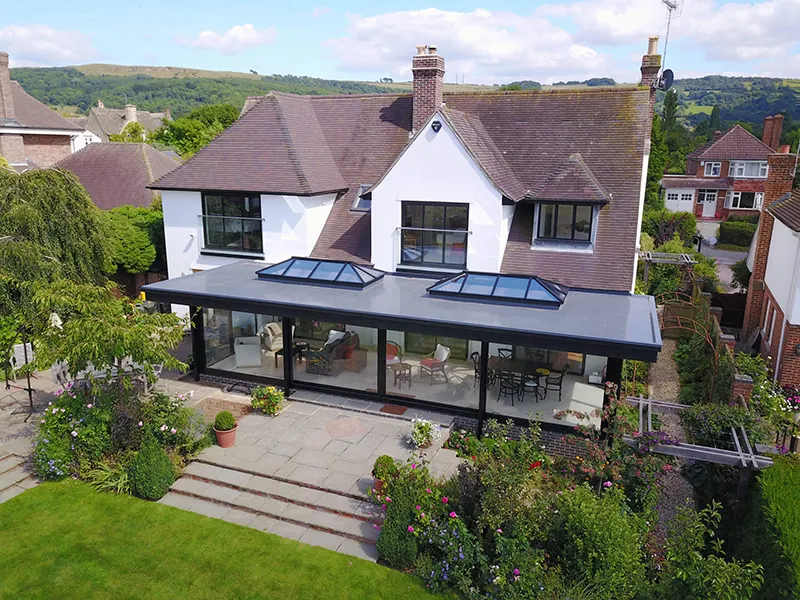
On the other end of the scale, traditional roof lanterns are more decorative. They use ridge details or more pronounced framing to stand out and match other design themes. They’re a popular choice for period properties, heritage homes and classic orangery designs, among others.
Square Roof Lanterns

The shape of your roof lantern also affects how a room looks and feels. For example, square lanterns provide a symmetrical appearance. They can distribute daylight evenly around your room, often sitting in the centre of the roof space. Many homeowners use a rectangular design to light larger areas.
Circular Roof Lanterns
You might want to make a statement with your roof lantern. Circular designs are less common – but they’re also striking and memorable. You might use this to make the lantern itself the focal point of an extension. Otherwise, you can use the daylight brought in by a circular lantern for dramatic lighting inside.
Why Aluminium Is the Preferred Material for Roof Lanterns
Each of the above designs is made possible by using strong yet slim frames. Aluminium is popular as it can support large glazing spans without needing thick frames, unlike other materials. This allows for more glass and less visible structure.
Aluminium is lightweight, reducing its impact on the rest of the building, and resists corrosion and weathering. Modern aluminium systems are also thermally broken, bringing improved insulation and energy performance, keeping your property warm in winter and cool in summer.
What Makes a High-Quality Roof Lantern?
Not all roof lanterns are built to the same standard. In particular, you should look out for the following design factors for long-lasting quality:
- Choosing high-performance glazing helps retain heat and reduce energy loss
- Selecting a strong frame material will keep the lantern stable over time, even with large glass panels
- Having high-quality sealing stops water getting in and protects your interior space
- Opting for powder-coated finishes protects your frame against corrosion and fading, often lasting many decades.
Finally, you should choose an expert installer for the best results. Correct installation will mean the lantern can perform as intended, giving you the best return on investment in the long run.
Are Roof Lanterns Right for Every Home?
We’ve seen how glazed roof systems can transform spaces, adding daylight, impact and style. But it’s important to remember that there are pros and cons of roof lanterns. They might not be the right choice for every home.
To help you decide, roof lanterns may be a good choice if:
- Your home has flat roof areas
- You’re building a large extension
- You want more daylight throughout the room
- You’re making design-led renovations that need to make a statement
- You want added height, light and architectural interest from your lantern.
However, other options, such as flat glass rooflights, may be more suitable than roof lanterns if you:
- Are working with a small roof area or want a simpler design
- Have a limited home design budget
- Already get daylight from existing windows
- Are subject to building restrictions due to local planning rules.
In this way, you should consider your budget, design ambitions and available space to decide if a roof lantern is right for you.
The Ideal Roof Lantern for Your Home
Are you considering a roof lantern for your extension or renovation? At Atlas Aluminium, we design and manufacture high-performance aluminium roof lanterns in a range of styles and sizes. Explore our range of aluminium roof lanterns to learn more.