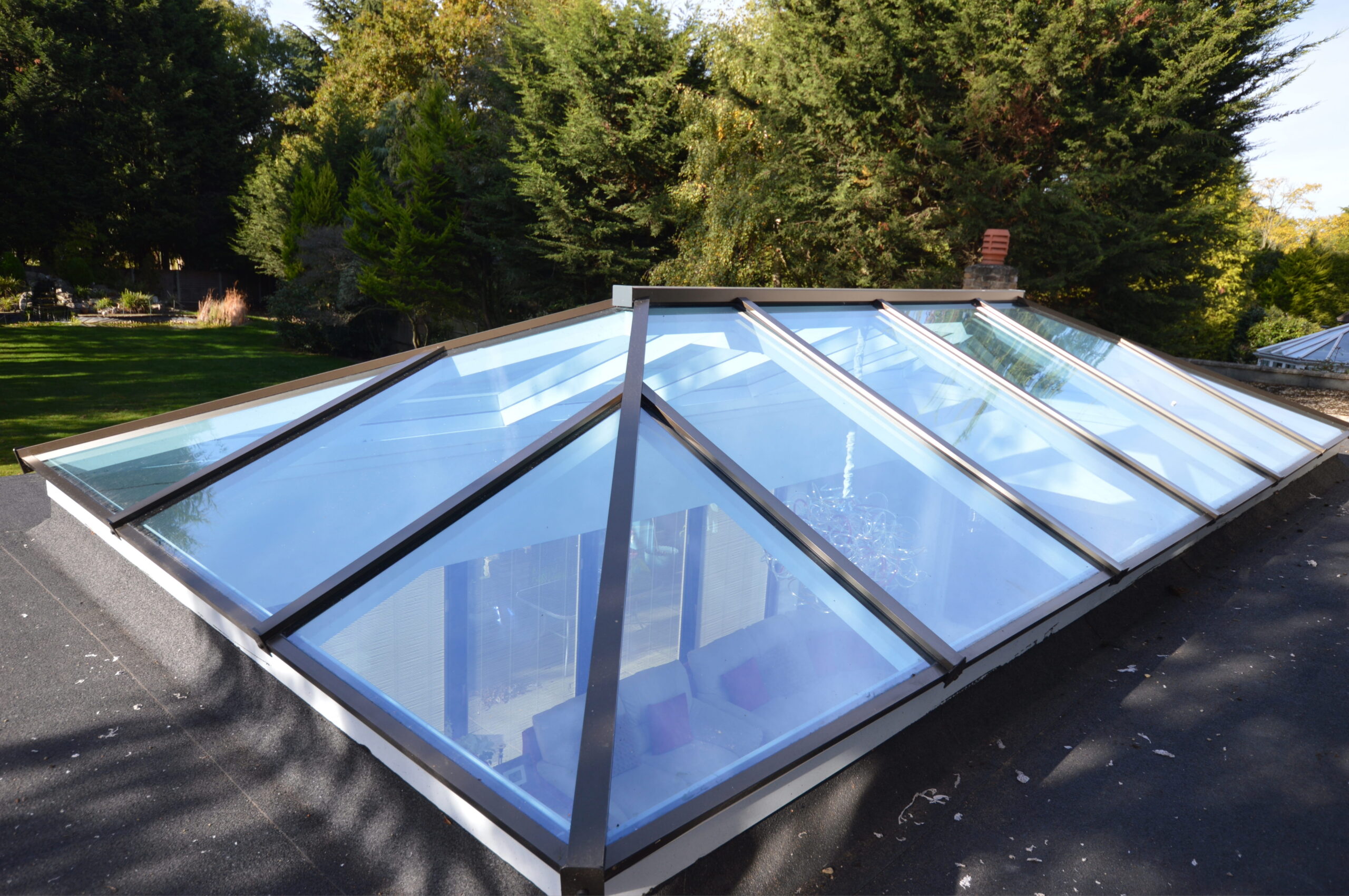
Installing a roof lantern is a fantastic way to flood natural daylight into your home. You can spread daylight around your room, open up previously darker spaces and focus on important areas.
And with the right roof lantern lighting ideas, you can achieve the same impact at night. You just need to ask the right questions before you start. Will lighting reflect in the glass? How do you highlight the height without creating glare? How do you make the room feel warm?
At Atlas Aluminium, we design and manufacture aluminium roof lanterns used in many UK home extensions. We’ve created this guide to give you some beautiful, useful and impactful lighting ideas for roof lanterns. Let’s see how you could make the most of your space.
Why Lighting Around a Roof Lantern Needs Special Consideration
A roof lantern does lots more than simply bringing in daylight, also adding height, glazing and a central focus. But standard lighting alone usually isn’t enough to take advantage of rooms with roof lanterns. Poor positioning can also make light fall unevenly.
The key to good lantern roof light ideas is to find balance. You need to avoid strong contrasts between the lantern and the rest of the room. This will make sure your roof lantern remains a feature of the room, even after sunset.
Roof Lantern Lighting Ideas
Now, we’ve got nine fantastic roof lantern lighting ideas for your home design inspiration.
1. Pendant Lights Beneath the Roof Lantern
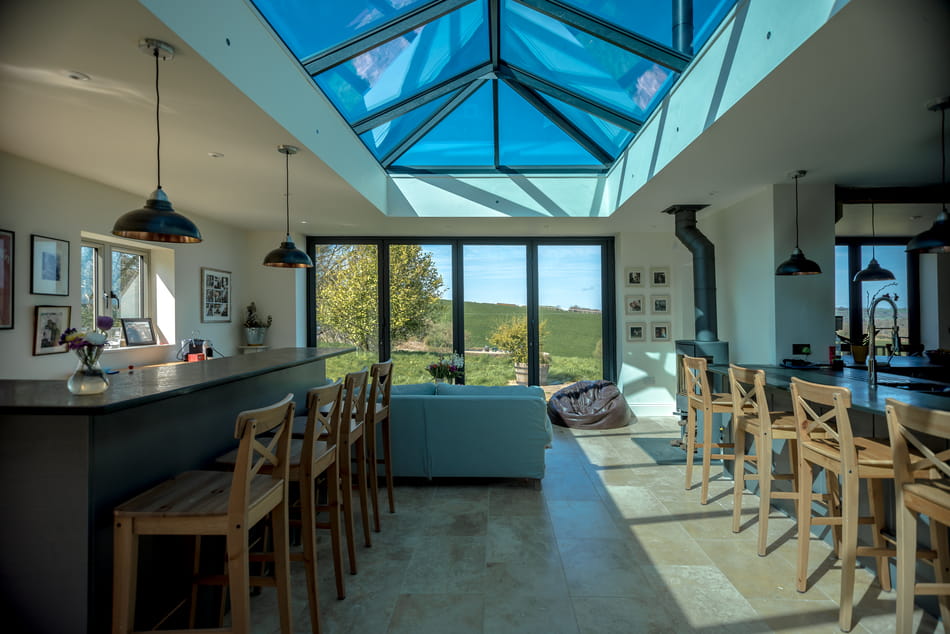
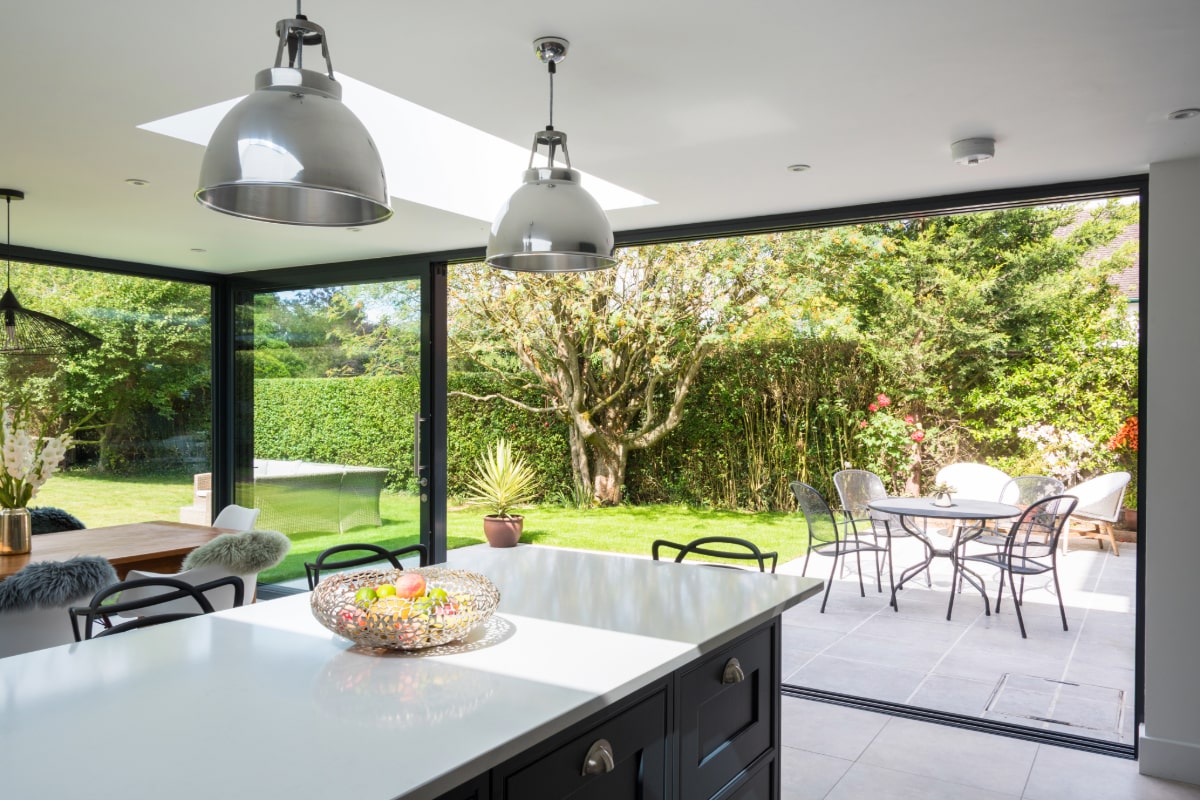
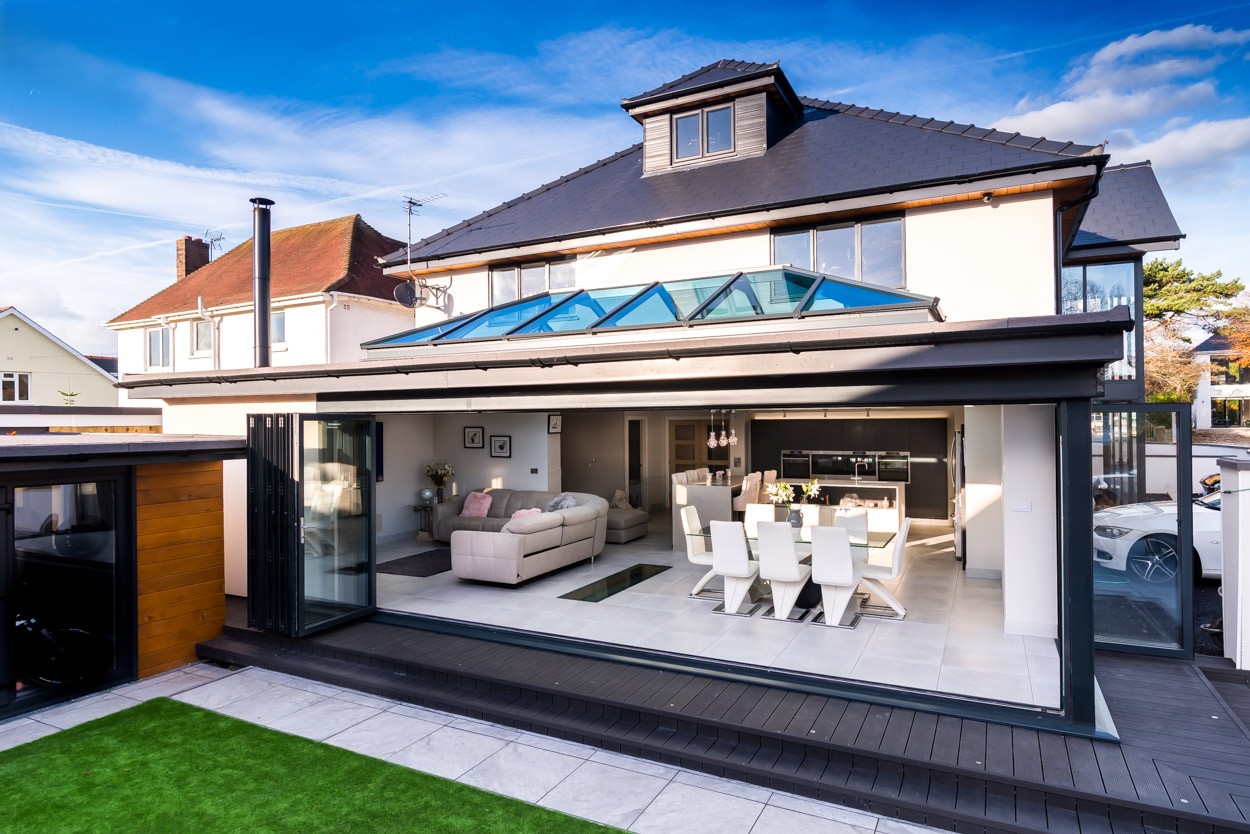
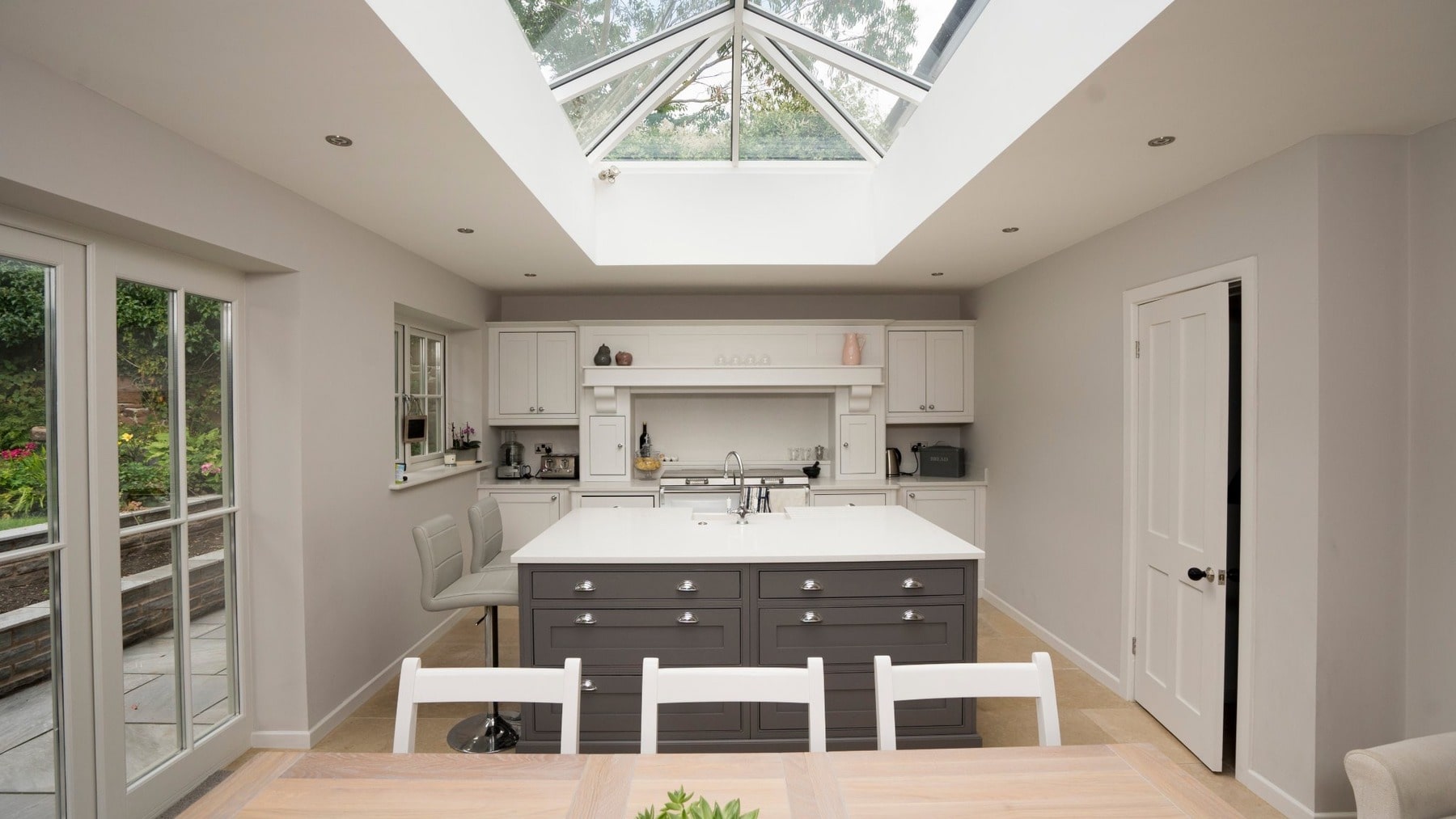
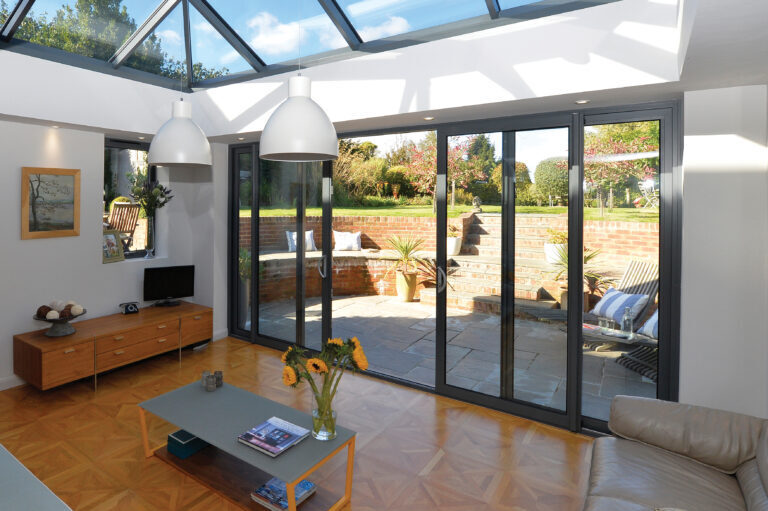
First up is a favourite amongst many of our designs. Pendant lighting involves hanging lights placed directly beneath the lantern, drawing lots of attention to the height of your ceiling.
This is a great choice for kitchen-diners. A pendant above a dining table or kitchen island creates a clear, centralised focal point. This creates soft mood lighting and a very balanced feel to the room.
2. Recessed Spotlights Around the Lantern Perimeter
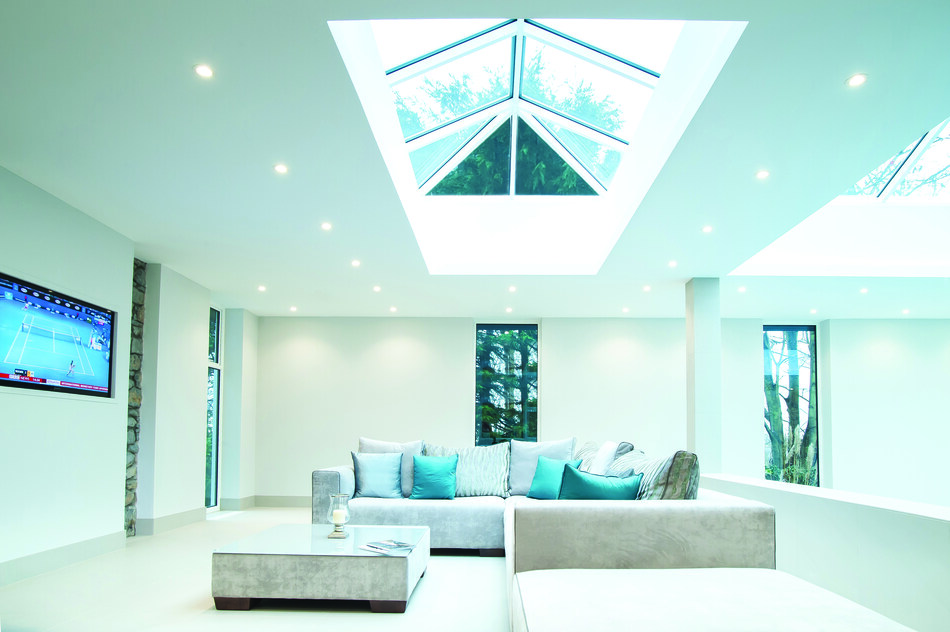
Recessed spotlights are a slightly softer way to add light in the evenings. You can place them around the edges of your roof lantern to highlight the ceiling. But importantly, this won’t point light directly at the glass.
The resulting atmosphere is a nice, soft glow that spreads across the room. It works well in modern extensions for a clean finish that prevents light and dark spots.
3. LED Strip Lighting in Ceiling Recesses
If you want to go ultra-subtle, you can run LED strips around your roof lantern. This creates areas of indirect lighting, avoiding glare and radiating off the surrounding surfaces.
This approach is very popular in contemporary homes to minimise visible fittings.
4. Feature Chandelier for Dramatic Impact
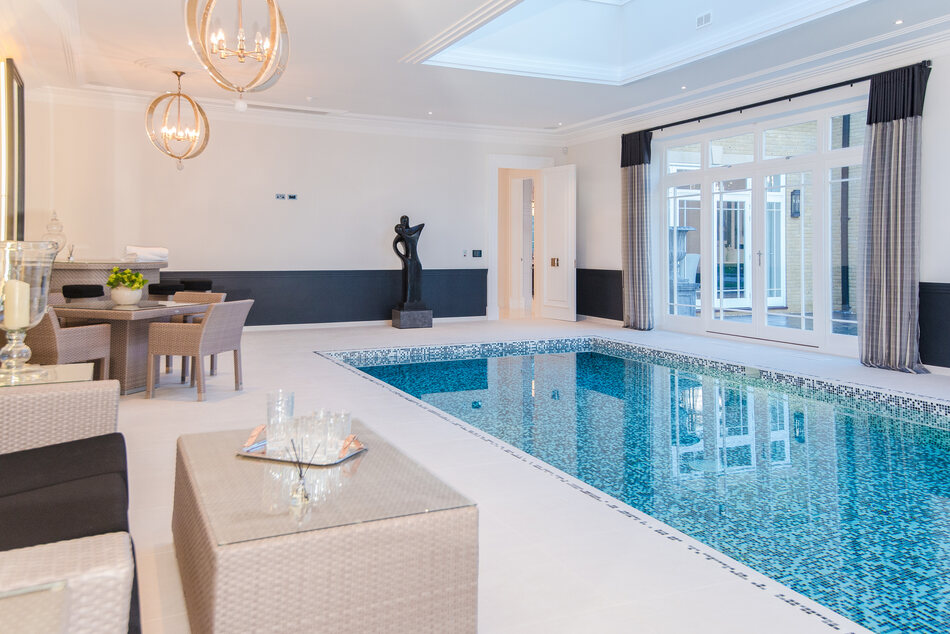
If you want to make a show of your lighting, a chandelier can create a strong visual centrepiece. It doesn’t have to be grand or expensive – you can find sleek and understated chandeliers or go all out if you prefer.
You will need a bit of space, so the chandelier doesn’t dominate everything else. Double-height rooms or orangeries are excellent choices. It’s also a good idea to stay on theme with your décor. Traditional roof lanterns suit grander chandeliers, while modern themes need a more subtle approach.
5. Wall Wash Lighting to Balance the Space
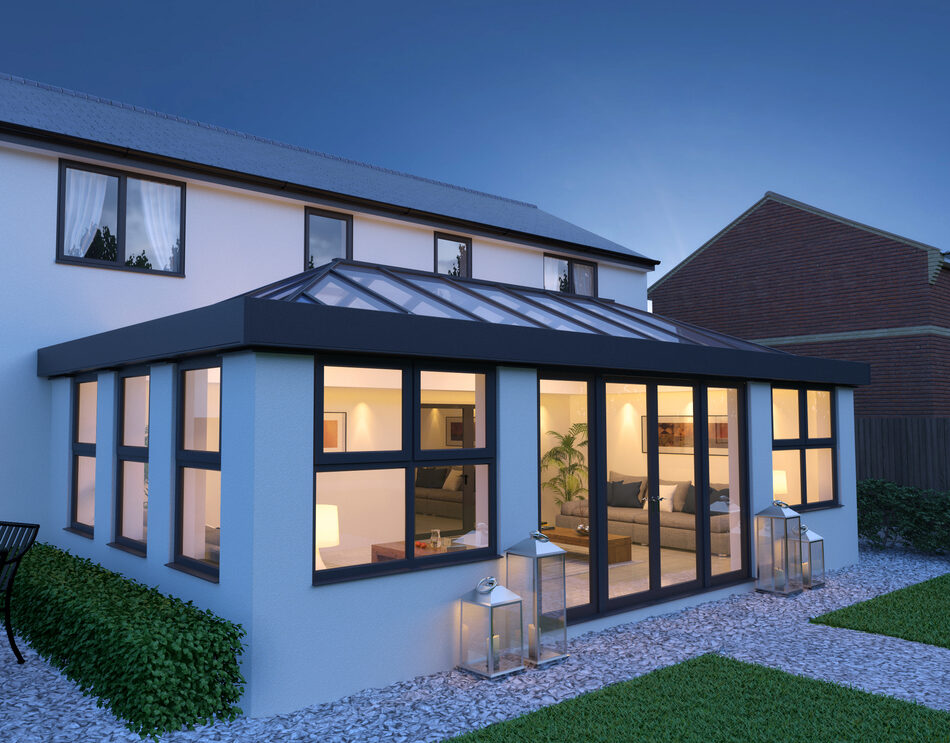
If you’re planning a large extension and want consistent lighting, you can bring balance to the room with wall wash lighting. These spread light evenly across all your vertical surfaces.
This way, the brightness between the ceiling and the rest of the room will stay even, preventing the lantern area from standing out separately from the walls.
6. Task Lighting Combined with Ambient Lighting
It’s also important to consider how you will use the space. For example, in kitchen extensions, your lighting needs to be both practical and comfortable. Combining task lighting with ambient lighting is one way to get this balance right.
One popular way is to use downlights to illuminate work surfaces. Then, you can have pendant or indirect lighting for a softer atmosphere around the rest of the room. It’s a good way to balance strong lighting for cooking with softer light for relaxing.
7. Smart Lighting Systems for Flexible Control
Another great choice is to let tech do the job. Smart lighting systems let you adjust brightness and tone throughout the day, perhaps with brighter settings during active hours and softer lighting in the evening.
Dimming controls are particularly useful with roof lanterns. They help manage reflections and maintain comfort as natural light levels change. Many lighting systems also work automatically to set the ideal levels based on a preset schedule.
8. Floor And Table Lamps for Softer Ambience
For the ultimate cosy feeling, you can create individual pools of light around your room. Freestanding lamps bring a lot of warmth and help avoid overly uniform lighting.
You can also use floor and table lamps to create a more relaxed atmosphere. As a bonus, you can reposition them when needed, making your lighting plan nice and flexible.
9. Exterior Uplighting for Visual Impact
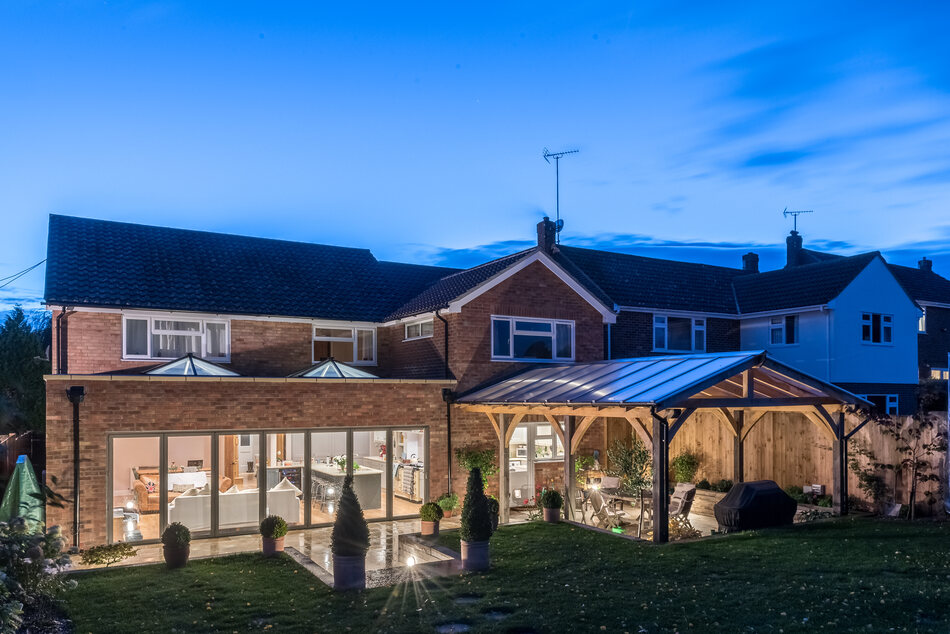
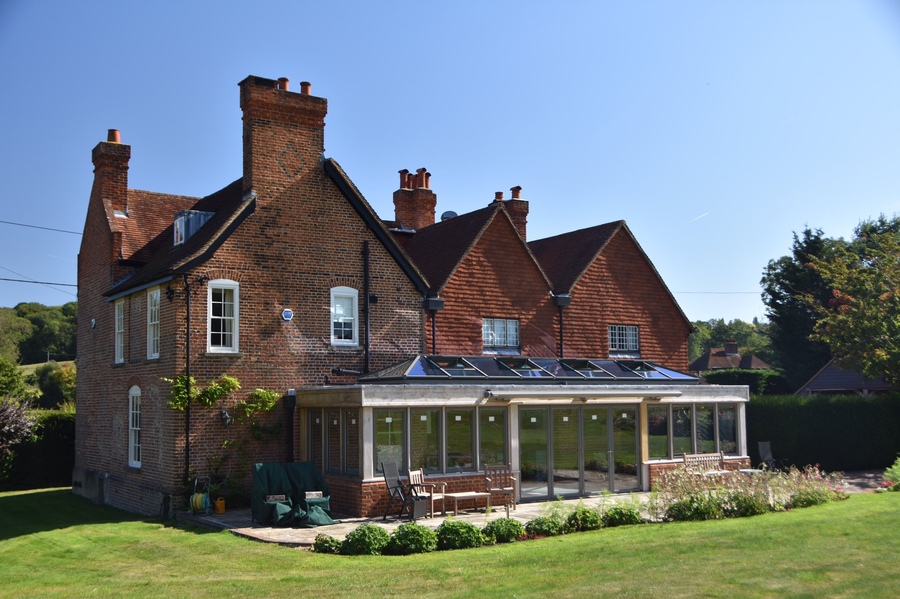
Have you thought about how you’ll light the outer surface of your extension? Exterior uplighting is extremely popular, showing off your new glass roof system by lighting your lantern from outside.
Another way is to have garden lights directed upwards at the roof. This can make more of a striking visual effect while adding character to the outside of your property.
Lighting Mistakes to Avoid with Roof Lanterns
With lantern roof ideas, it’s just as important to learn what not to do. Here are some of the most common mistakes to avoid:
- Using harsh spotlights that create glare on the glass and make the space uncomfortable
- Placing lights off-centre which can imbalance the room
- Overlooking angles (you don’t want light bouncing around and creating unwanted bright spots in the glazing)
- Installing too many lights or having overly bright bulbs – these make a room feel clinical and cold rather than welcoming.
Avoiding these mistakes will help you create a balanced, warm, welcoming room.
Choosing The Right Lighting for Your Lantern Style
Once you’ve planned your layout, it’s time to look at roof lantern designs. Here are some of the most popular:
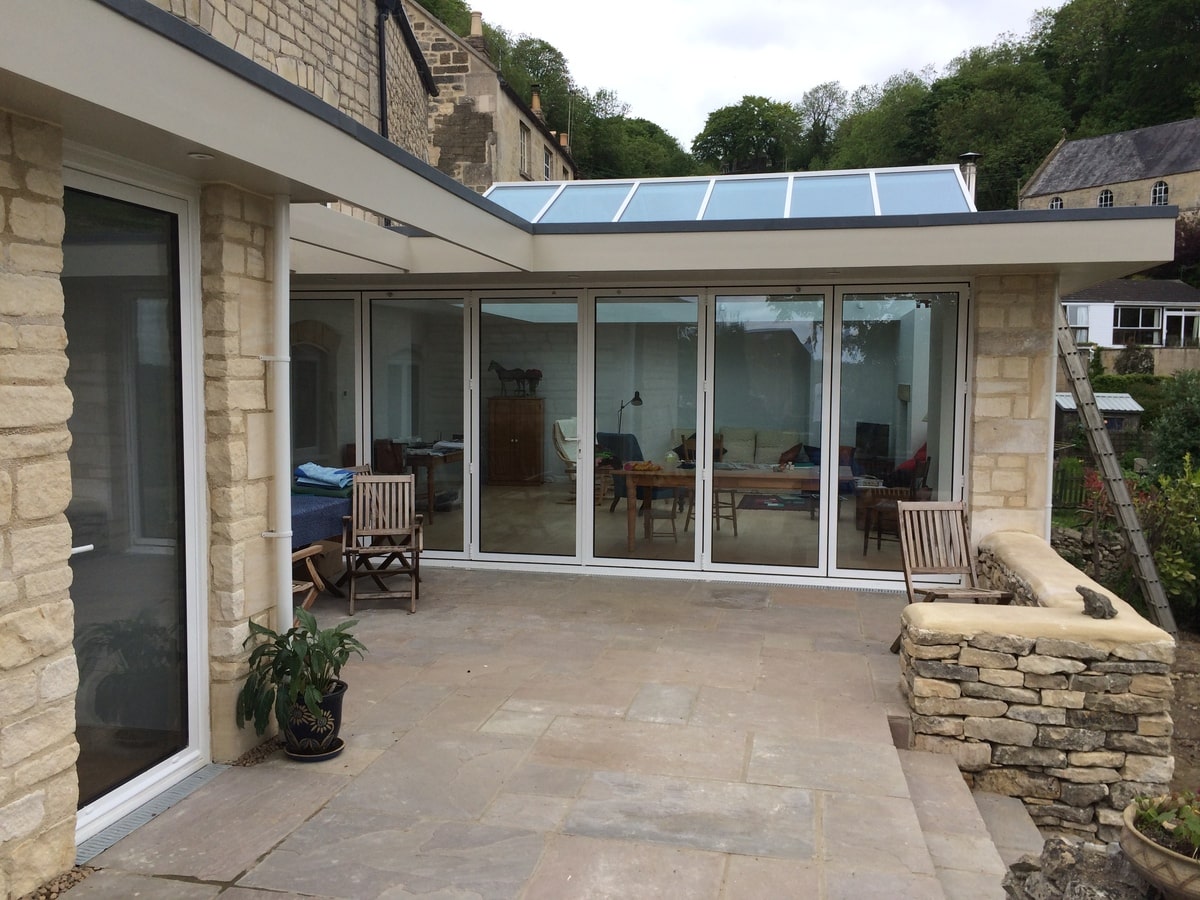
- Contemporary roof lanterns – These are modern lanterns with slim frames that suit simple lighting designs. They work very well with LED strips and minimal pendants.
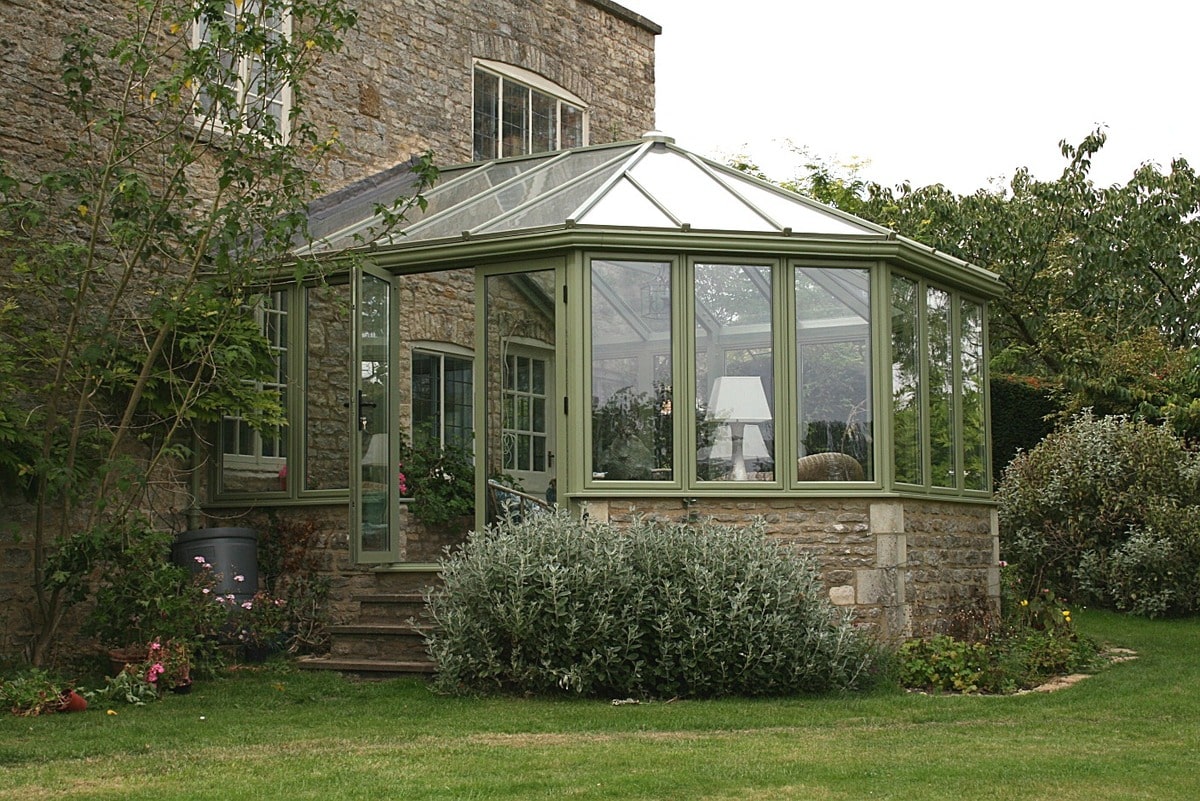
- Traditional roof lanterns – These can be more decorative so often pair well with decorative lighting. Installations like chandeliers or feature pendants can complement the architectural detailing, especially if you use warm lighting tones.
- Square and circular roof lanterns – With these shapes, you need to keep things symmetrical or the whole room will feel off. Centralised lighting helps maintain visual balance, while pendant lights and centred fittings work best.
How Roof Lantern Size and Placement Affect Lighting Choices
Roof lantern size and position also influence your lighting options. Larger lanterns usually pair well with balanced lighting across the room. Without this, the centre may feel brighter than the edges.
On the other hand, centrally positioned lanterns work well with feature lighting directly beneath them. If your ceilings are quite low, recessed or indirect lighting will be the best options.
Frame Colour and Materials in Lighting Design
Another important factor is your choice of frame colour. For example, if you choose dark aluminium frames, these can create contrast and make your lighting appear warmer.
Lighter frame colours reflect more light. With these, you can have a softer overall effect without as much contrast. Choosing high-quality finishes will hide any potential issues. Powder-coated aluminium, for instance, has a consistent finish that performs well under artificial lighting, giving a clean appearance without unwanted reflections.
Integrating Roof Lanterns into the Overall Lighting Plan
Your design phase should combine these factors and plan how the different lighting elements work together. Don’t forget to consider other sources, such as:
- Under-cabinet lighting in kitchens
- Wall lighting in living spaces
- Stair lighting in multi-level homes
- Exterior lighting around the property.
Getting these all working in harmony will result in a balanced and welcoming environment.
Why Aluminium Roof Lanterns Enhance Lighting Effects
Choosing aluminium frames for your roof lanterns gives you slim frames with more visible glass. In the day, this means maximum natural daylight. At night, you get less reflection, reduced glare and consistent lighting conditions.
At Atlas Aluminium, we design roof lanterns to meet the highest standards of modern glazing. Browse our range of aluminium roof lanterns to see how they can work for your home.