Like any investment in our homes, we want assurance that it will add value. So, does a conservatory add value to a house? It’s not a simple yes or no answer. While some sceptics will disagree, others point to the potential benefits behind a conservatory’s design, quality and usability.
In this guide, we’ll help you decide for yourself. Find out more about the financial and lifestyle value of these home improvements, as well as common myths and the differences between older and modern conservatories.
The simple answer is that a conservatory can add value to your home, but with some caveats. If it is well-designed, meeting appropriate Building Regulations, then it can add financial value and increase buyer appeal.
Conversely, older and outdated models do little to add value to your home. While a polycarbonate structure may not have the aesthetic or energy efficiency appeal, an aluminium conservatory offers premium quality.
Industry figures vary for the amount of value a conservatory adds to a home, but as a guideline, it can range between 5 and 12%. High-end properties in sought-after areas such as Central London tend to gain higher value from a conservatory, but there are many more factors.
The value uplift is influenced by considerations such as:
While materials cannot influence location or property type, they can contribute to the aesthetic and energy efficiency of a conservatory, giving it ambient temperatures year-round.
There are many valid reasons why some people are sceptical about a conservatory’s potential to add value to a home. When investing, homeowners should consider the following factors:
Older, polycarbonate conservatories have been criticised for their thermal performance in the past. Due to inefficient insulation of older plastic and glass, these conservatories tended to be uncomfortably cold in winter and created a ‘greenhouse effect’ in summer.
Buyers are looking for a usable living area year-round, not a storage space. By contrast, modern glazing and thermal break technology can maintain optimum temperatures year round.
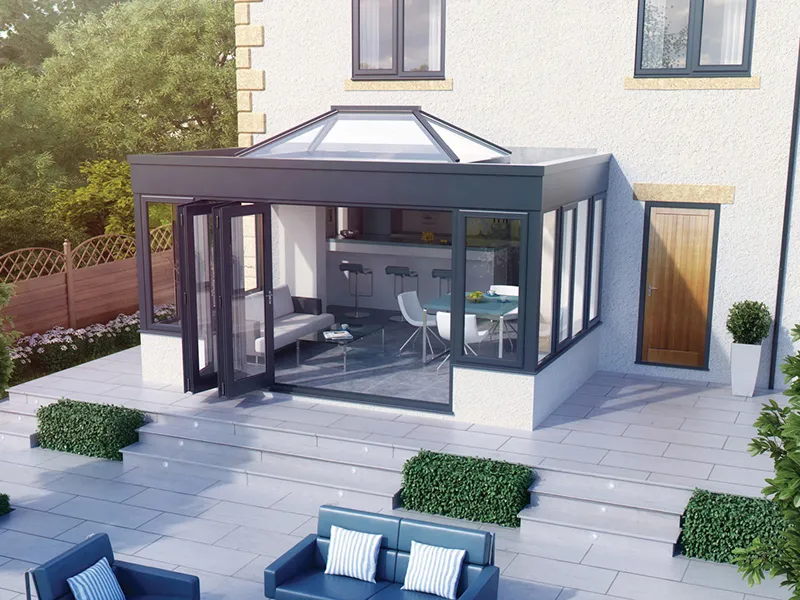
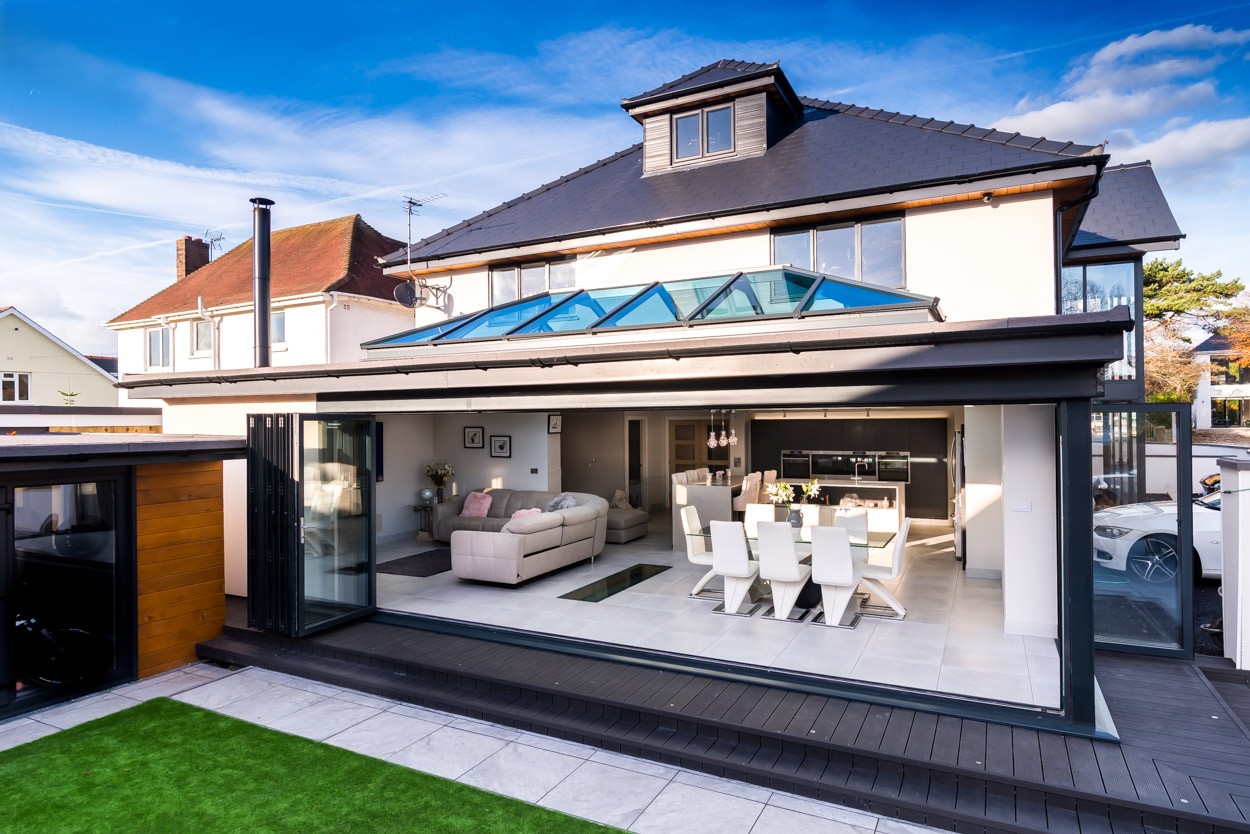
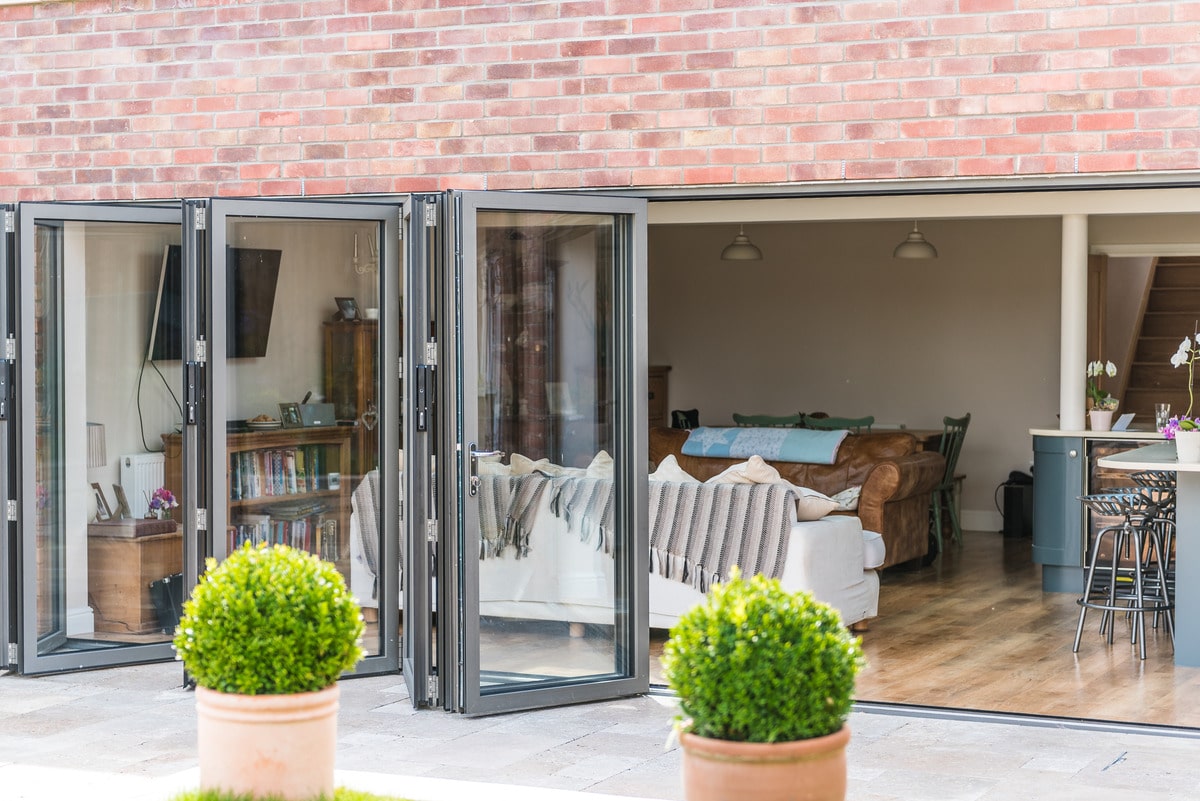
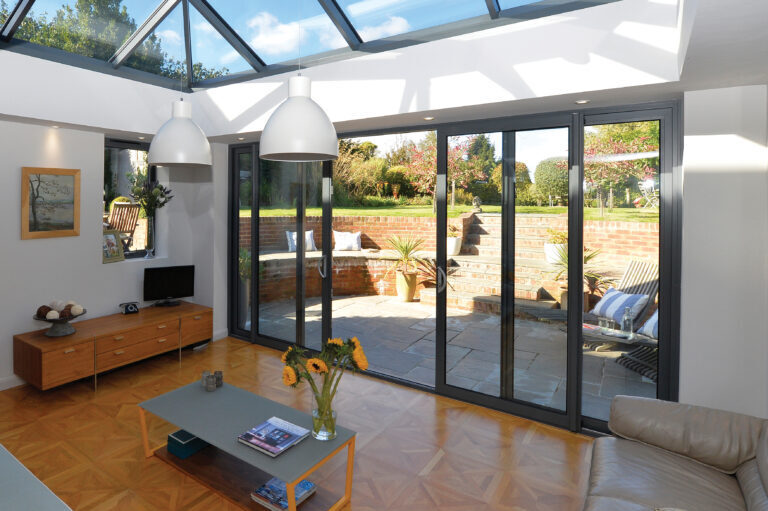
In polycarbonate conservatories, frames tend to be bulkier, which leads to a smaller surface area for glass panes. Aluminium frames have slimmer sightlines and roof ridges, allowing for more natural light.
This is particularly helpful for sellers, as brighter spaces photograph better for viewings.
Older conservatory designs are often limited in terms of colour effects, which means the structure can feel ‘separate’ from the home. With aluminium, colours and natural effects are far more varied, helping the conservatory blend with the rest of the house and create the illusion of more space.
Polycarbonate conservatories with insufficient glazing may have higher U-values, which means more heat is transferred. This is becoming more important for buyers, who may have concerns about energy bills.
Aluminium frames use thermal break technology, which helps to trap warm air and insulate the conservatory for lower bills.
A modern conservatory could increase the value of your home, but this does not always cover its cost. What it does offer is lifestyle value, helping you make better use of your space.
If you’re selling, buyers may be influenced by improved lifestyle factors:
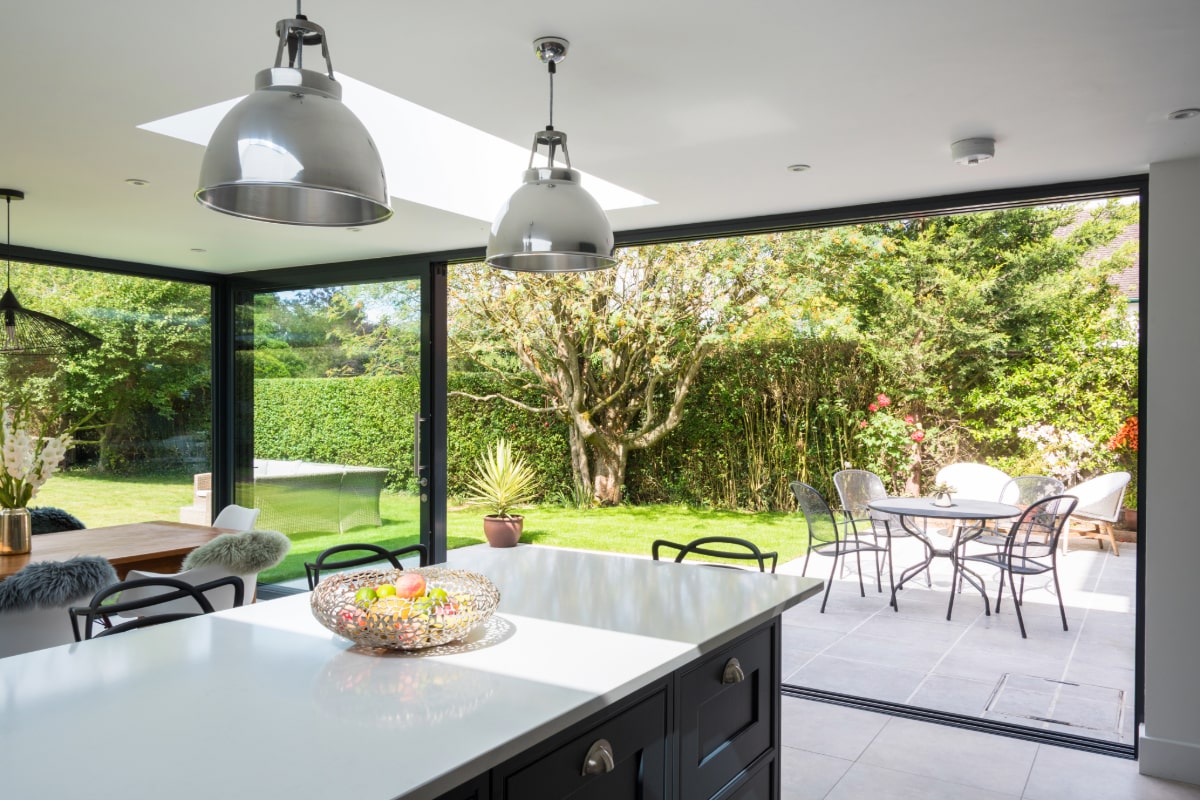
Conservatories are a versatile space, and with ample natural light and ambient temperatures year-round, they are perfect for living and entertaining.
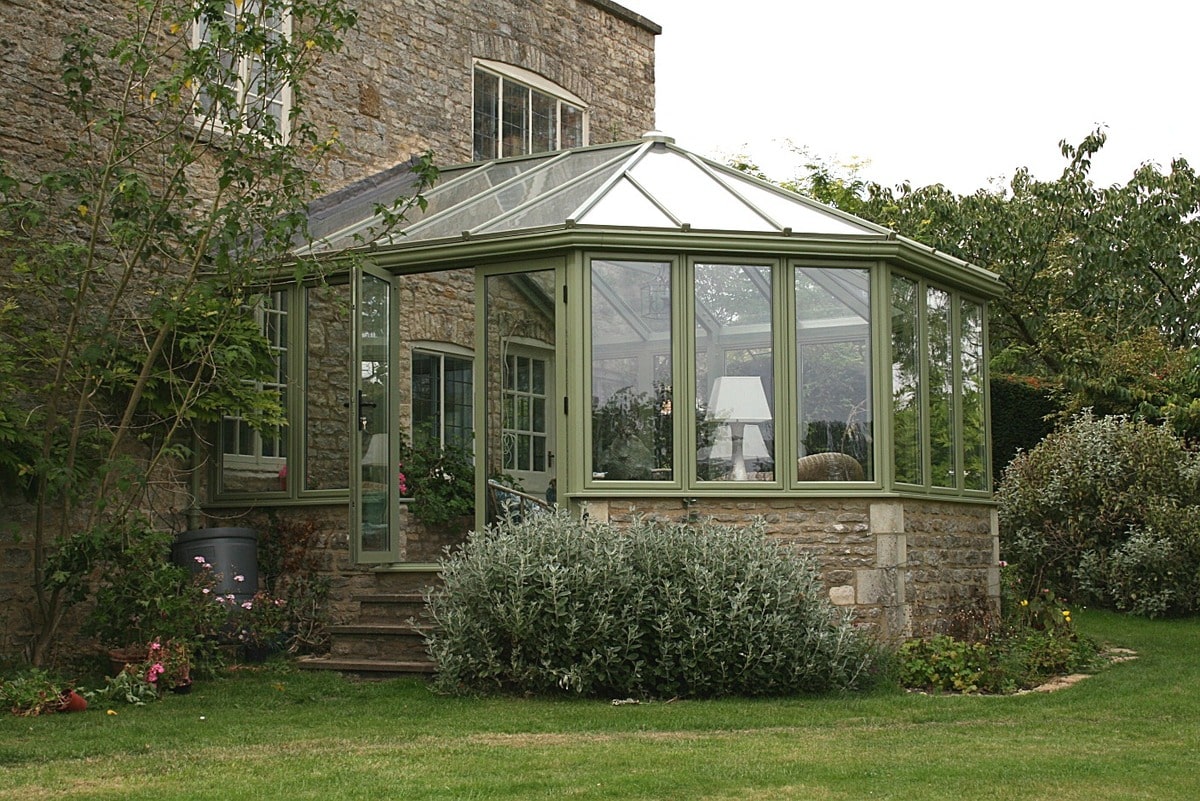
While both older and modern conservatories can add a versatile space to your home, there are key differences with aluminium.
In summer, modern conservatories can reflect over 60% of solar energy. This offsets the ‘greenhouse effect’ of older models. Similarly, low-emissivity coatings of transparent metallic layers reflect infrared and UV rays to prevent overheating, without sacrificing natural light.
During the winter, thermal break technology helps to trap warm air in modern aluminium frames. Unlike older models, they also benefit from warm edge spaces, which reduce conductivity and therefore heat loss. Our aluminium systems can have U values as low as 1.3 W/m²K.
|
Aesthetic |
Natural Light |
Energy Efficency |
|
|---|---|---|---|
|
Older Conservatories |
Limited in colours, better for traditional properties |
Allow some natural light but limited by bulkier frames |
Natural insulator but lacks thermal break technolog |
|
Modern Conservatories |
Wide range of colours and finishes to blend with all designs |
Slimmer sightlines for greater glazed surface area |
Thermal break technology and warm edge spaces to trap air |
A well-built aluminium conservatory can add both financial and lifestyle value to your home. If you’re looking to sell, consider:
Buyers are motivated by several emotional factors when looking at homes. An investment in a modern aluminium conservatory can allay their concerns with:
Maintaining a liveable temperature year-round means the conservatory is ideal for both summer and winter entertaining.
Buyers want to feel as though they’re maximising their living space. A well-integrated conservatory blends the structure with the main house, with ample colours and effects on the frames.
A home is a long-term investment, with larger homes often catering to growing families. An aluminium conservatory can last for up to 50 years with minimal maintenance.
In areas of unpredictable climates like the UK, buyers need a conservatory they can trust. Every Atlas Aluminium frame has been tested to the highest wind, water and air standards.
A safe home is a happy home. Each Atlas Aluminium conservatory has been made with toughened glasses, tested to BS EN 1279/12150 standards.
Saving money can be a huge emotional driver. With thermal break technology and warm edge spaces, warm air is trapped to prevent heat loss and keep energy bills low.
In short, buyers are motivated by factors including:
The location of your home will no doubt affect a buyer’s decision. When deciding on your conservatory, think about value in terms of:
The right conservatory can make your home stand out against the competition – ideal for clinching that sale.
In pure financial terms, an extension may provide a better uplift in valuation, particularly if it’s fitted with modern aluminium doors and windows with ample living space. But it’s important not to overlook the cost-to-benefit ratios, too.
Conservatories add a versatile living space, ideal for dining, entertaining and relaxing, without the major upheaval of a home extension. They are simple to maintain and encourage natural light in the home, improving users’ overall wellbeing.
An aluminium model can bridge the gap between extensions and conservatories in terms of value. With increased energy efficiency, improved aesthetics and high durability, they stand the test of time whilst looking attractive to buyers.
As with any addition to a home, a poor-quality conservatory may actually be to your detriment. Cheaper materials or older installations may affect:
Modern designs factor in existing garden space, while using high-quality materials to trap warm air and blend seamlessly with your home’s existing aesthetic.
|
Does this conservatory add value? |
||
|---|---|---|
|
Yes |
No |
|
|
Aluminum |
✓ |
|
|
Polycarbonate |
✓ |
|
|
Bulkier frames |
✓ |
|
|
Natural light |
✓ |
|
|
UV Reflection |
✓ |
|
|
Cheaper materials |
✓ |
|
|
Range of colours |
✓ |
|
|
Thermal break technology |
✓ |
|
|
30-year lifespan |
✓ |
|
|
50-year lifespan |
✓ |
A modern conservatory is a short-term investment in your comfort, and a long-term investment in your home. When thinking about financial value, the Atlas range can satisfy buyers’ needs for comfort, durability and energy efficiency.
Our modern conservatory roofs can last up to 50 years, with argon-fuelled cavities to reduce U values, and low-emissivity glass to prevent the greenhouse effect. For added convenience, there are even self-cleaning and solar control glass options, designed with the modern buyer in mind.
While a modern conservatory represents a significant investment, it can add value in many ways. From financial value gain to lifestyle and practical factors, conservatories give buyers incentives while allowing you to enjoy your home.
An aluminium conservatory stands out against the rest thanks to its superior energy efficiency, safety, durability and looks. If you’re after a high-performance conservatory, speak to our teams today, and we’ll connect you with a trusted installer.
Simply fill in your details on the form and a member of the team will get in touch with you directly.
Get in touch