Are you planning a rear extension, kitchen-diner or patio upgrade? Then you may have considered installing sliding doors. And with good reason – they’re one of the most popular ways to connect a home to the garden, bring in daylight and improve how indoor and outdoor spaces work together.
During your research, you may have noticed a wide choice in materials, such as aluminium and uPVC. But should you choose uPVC vs aluminium sliding doors for your home? Both look good in the right setting. But they also vary in how they perform, how they age and the flexibility they give you in design.
To help you make the right choice, we’ll make an impartial comparison in terms of design, size, thermal performance, security, maintenance, cost and more. This will give you an informed idea of whether uPVC or aluminium sliding doors suit your home, budget and design project.
What is the Difference Between uPVC and Aluminium Sliding Doors?
Firstly, uPVC and aluminium are two very different materials:
- uPVC sliding doors use plastic-based frames. These are usually reinforced internally, often with steel, to add strength. Because of this, they tend to be thicker, although available at a more affordable price and with excellent thermal performance.
- Aluminium metal frames are much stronger than uPVC, which allows for slimmer profiles and larger panels. They are usually more expensive, often seen as a premium option. Modern systems have a thermal break built into the profile which reduces heat transfer and improves energy efficiency.
The choice between the two affects how wide your doors and panes can be, how they look and how long they last.
Design & Aesthetics
uPVC Sliding Door Design
uPVC frames are fairly large and bulky. This means more visible frame and less glass across the opening. On smaller sliding doors, this may not feel like an issue. But on wider openings – or on feature, statement pieces – your design options might feel restricted.
White is the most common uPVC colour option. You can also find foiled finishes to replicate grey or wood effects, but these are still surface treatments that may fade.
Aluminium Sliding Door Design
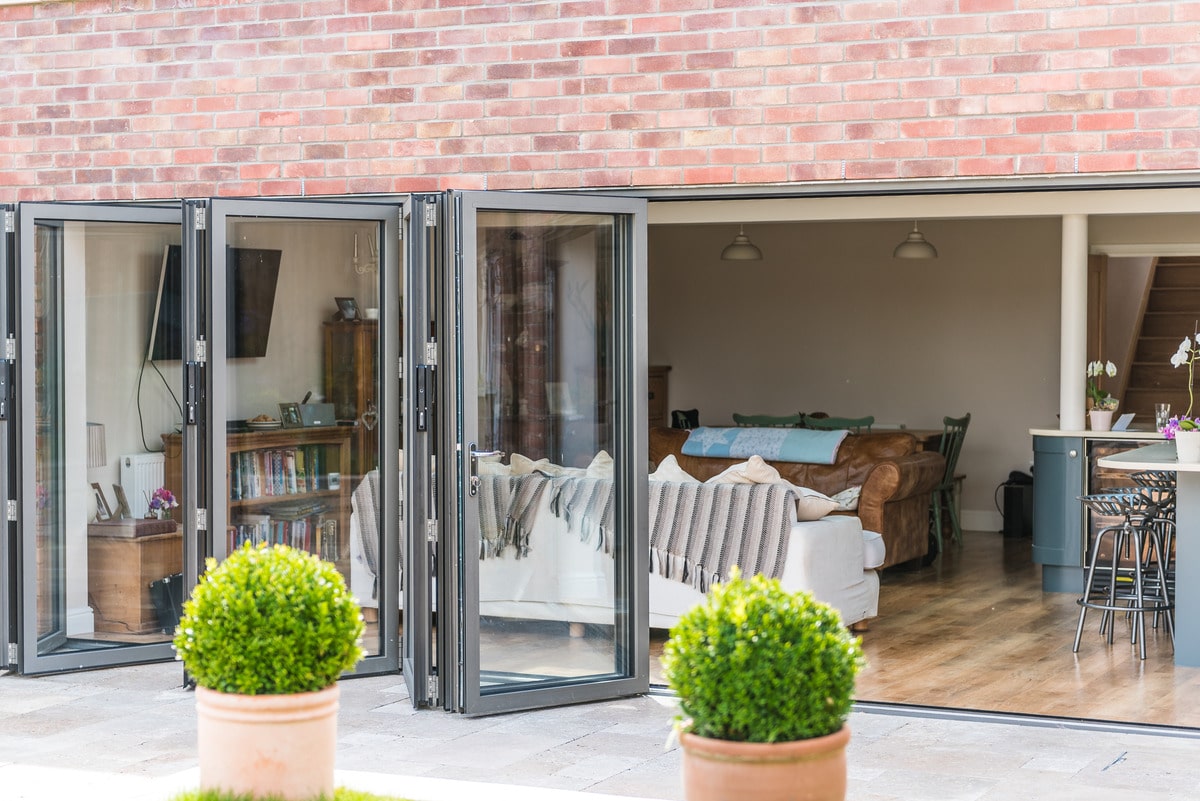
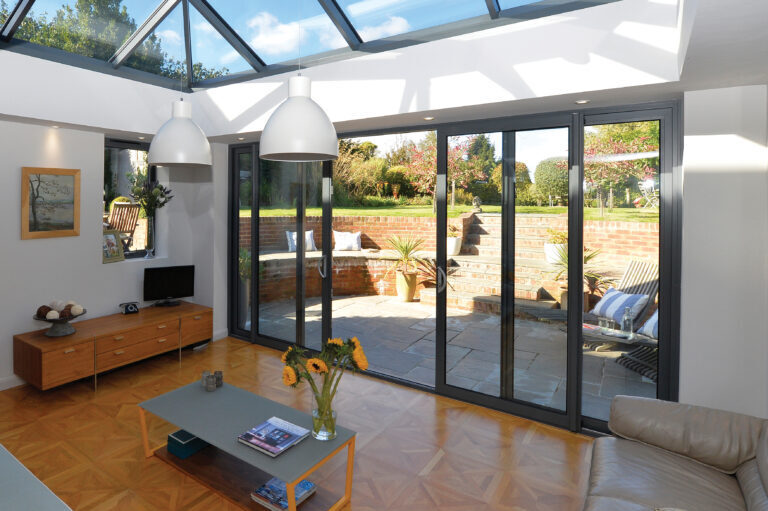
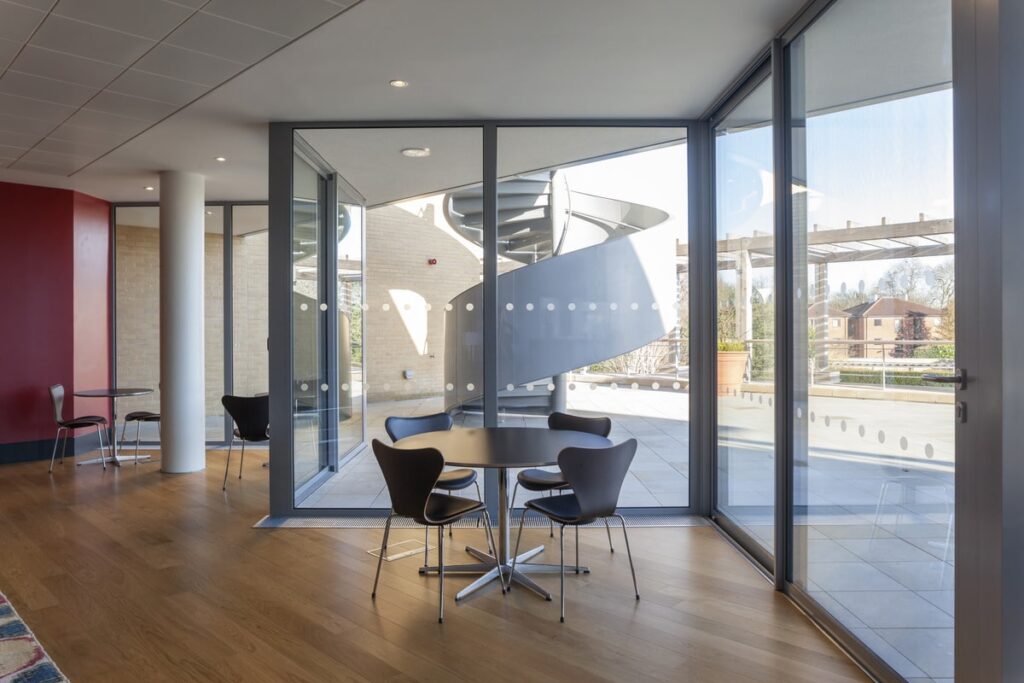
Aluminium frames are much slimmer than uPVC. You can maximise glazing and natural light, which is often the main reason for choosing sliding doors in the first place, while the look is clean and contemporary. Sightlines stay slim even on large doors, keeping your views uninterrupted.
The Atlas Aluminium range of aluminium sliding doors lets you choose from:
- 2, 3, 4 and 6 panel configurations
- Stock colours or over 250 RAL colours
- Single or dual colour finishes for inside and outside.
This level of choice makes it easier to match with your existing aluminium windows or aluminium bi-fold doors elsewhere in the home.
Size, Configurations & Panel Options
uPVC Sliding Doors Sizes
uPVC is strong up to a point. However, larger panel sizes are restricted because frames need to be thicker to support the glass, which further reduces glazing area.
As such, uPVC sliding doors are better suited to smaller openings. Very wide spans can become impractical or visually cluttered.
Aluminium Sliding Doors Sizes
Aluminium is a much stronger material, allowing for larger panels and wider openings. You can also choose designs with minimal vertical frames across the glass.
Atlas Aluminium’s sliding doors support 2, 3, 4 and 6 panel layouts, with sash heights up to 2700mm. They can be an excellent choice in modern extensions, open-plan kitchen-diners and homes where doors form most of the rear wall.
Thermal Performance & Energy Efficiency
uPVC Sliding Doors Efficiency
uPVC is a naturally insulating material and provides very solid energy efficiency. With standard double glazing, uPVC sliding doors usually perform well enough for most homes.
For smaller doors, this can be a real benefit. The frames themselves do not conduct heat easily, which helps reduce heat loss and avoids warm air leaking out.
Aluminium Sliding Doors Efficiency
Older aluminium sliding doors were thought to be “cold”. However, modern thermally broken profiles include a polyamide barrier between the inner and outer sections of the frame. This reduces heat transfer and keeps your home warm.
Nowadays, aluminium sliding doors can achieve U-values comparable with uPVC and other materials. And with the right glazing, it can provide fantastic energy efficiency while supporting even the most substantial glass areas.
Security & Safety
uPVC Sliding Doors Security
Most uPVC sliding doors include multi-point locking systems. For smaller openings, this can provide good everyday security for most homes. A possible limitation is with very large sliding doors, where the frame strength may cause flexing over time – potentially affecting how well your locks perform.
Aluminium Sliding Doors Security
Aluminium doors are much stronger than uPVC. This strength supports both larger panels and more robust security hardware. For example, Atlas Aluminium sliding doors can combine upgradable cylinders and security options with heavy-duty track systems for high quality home security.
This makes aluminium well suited to wide glazed openings and where security simply can’t be compromised.
Durability, Maintenance & Lifespan
uPVC Sliding Doors Durability
As a general rule, uPVC sliding doors last between 20 and 30 years. Over time, the frames may start to discolour, especially if they face direct sunlight.
Maintenance is generally low, but the long-term appearance can degrade. In some cases, uPVC can warp or become brittle as it ages, potentially requiring replacement.
Aluminium Sliding Doors Durability
In comparison, aluminium sliding doors often last 40 to 50 years or more. The Atlas Aluminium range provides increased longevity with polyester powder coating to marine-grade standards. This gives you strong resistance to corrosion and long-lasting colour.
Aluminium also doesn’t warp or rot. Occasional cleaning is all you’ll need to do to keep your frames looking and performing at their best.
Sliding Mechanism & Day-to-Day Operation
uPVC Sliding Doors Ease of Use
uPVC doors tend to have lighter sashes that suit simpler track systems and smaller panels. While they generally last and work well, over time, wear can affect how smoothly the doors slide – especially if the frames flex or the tracks degrade.
Aluminium Sliding Doors Ease of Use
Aluminium systems are designed to handle heavier glass panels with seamless ease of use. You’ll get smooth operation even with large, heavy sashes. If you’ll have large doors that will be used frequently, aluminium offers the more consistent long-term performance.
Cost Differences
uPVC Sliding Doors Pricing
uPVC sliding doors come at a lower upfront cost than other materials. This makes them appealing for smaller projects or tighter budgets, where they are generally a very good option. This is particularly true for smaller openings. However, they may require replacing due to degrading over time.
Aluminium Sliding Doors Pricing
Aluminium sliding doors usually cost more to purchase and install. However, their longer lifespan, lower maintenance and stronger performance can reduce replacement costs and provide fantastic value in the long run. Many homeowners also see aluminium as a premium feature that adds value to their property.
Aluminium vs uPVC Sliding Doors for Different Scenarios
The right choice depends on how you plan to use the space.
Small Patio
For a smaller patio, uPVC will perform well enough. You may choose aluminium instead if you prioritise elegant frames over budget.
Wide Rear Extension
Aluminium is strongly recommended for wider openings. It allows for fewer frames, larger panels and a more open feel, while uPVC would require many larger frames.
Modern Open-Plan Kitchen-Diner
Aluminium suits this setting best, fitting with the open and modern style. Its slim frames and large glass areas support light-filled spaces, while uPVC wouldn’t let you maximise daylight coming inside.
Long-Term Investment
If you’re looking at your renovation as a long-term investment, aluminium offers better durability, stability and lifespan, although it would cost more upfront.
Budget-Led Renovation
uPVC can work well where cost control matters more than design flexibility. If you’re on a budget, you will find uPVC costs less upfront, although may require replacing sooner.
Why Choose Aluminium Sliding Doors?
As we’ve seen, aluminium sliding doors are well suited to modern homes, larger openings and providing a long-term return on your investment. If aesthetics and functionality are top of your priorities, aluminium could be a fantastic option.
Explore the Atlas Aluminium range of aluminium sliding doors to see how they could suit your design vision. With a wide range of styles, designs, colours and optional extras, you can find the exact right fit for your home.
FAQs
Are aluminium sliding doors better than uPVC?
When comparing uPVC sliding doors vs aluminium, “better” comes down to your individual priorities. For example, aluminium is stronger than uPVC but comes at a higher price point.
Are aluminium patio doors colder than uPVC?
Choosing aluminium or uPVC patio doors for your home should come down to more than thermal performance. This is because modern aluminium patio doors come with thermally broken materials that provide energy performance comparable to uPVC.
Which sliding doors last longer?
Aluminium sliding doors last longer than other materials due to their inherent strength and durability.
Can aluminium sliding doors be triple glazed?
You can opt for triple glazing in many aluminium sliding door systems.
Are aluminium sliding doors secure?
The strength of aluminium provides excellent protection and allows for many modern security systems to be installed.
What’s the best option for wide opening sliding doors?
Aluminium is stronger than uPVC so can be a better choice for wide openings.