When planning new or replacement doors for your home, you have a wide choice of designs and styles. But one of the most important decisions you will make is the material. Two of the most popular are aluminium and uPVC, both bringing benefits and considerations. But are aluminium doors better than uPVC for your home?
This is a common question. It’s also an important one. After all, choosing between aluminium and uPVC doors has a big impact on more than just your home’s design. For most, it’s also a choice about comfort, energy efficiency, strength, durability and budget.
In this guide, we’ll look at both materials in detail. We’ll learn about their builds, see their most important features and discuss uPVC vs aluminium doors for your home improvement plans.
What’s the Difference Between uPVC and Aluminium Doors?
The difference between aluminium doors and uPVC is the materials used to construct them:
- uPVC (unplasticised polyvinyl chloride) is a strong plastic popular for its affordability, insulation, easy maintenance and range of styles
- Aluminium frames are made from a highly durable material that allows for premium slim designs and large glass panels. They’re also durable, weather-resistant and create a modern appearance.
So, when should you choose aluminium vs uPVC doors?
When to Choose Aluminium Doors
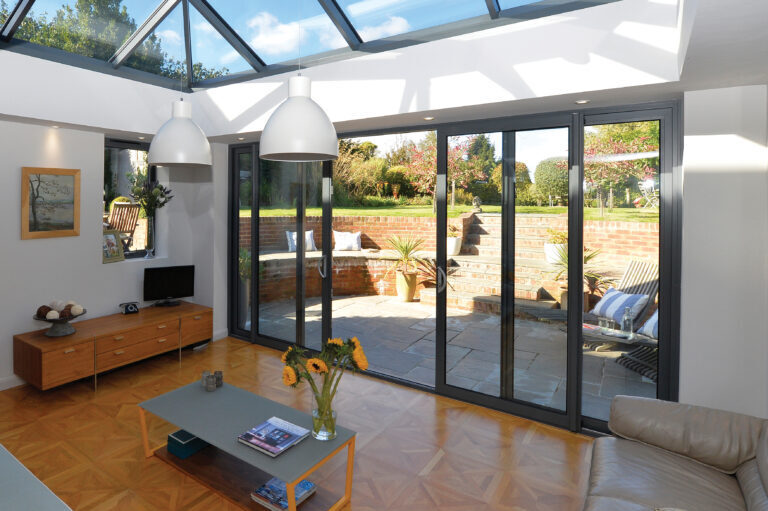
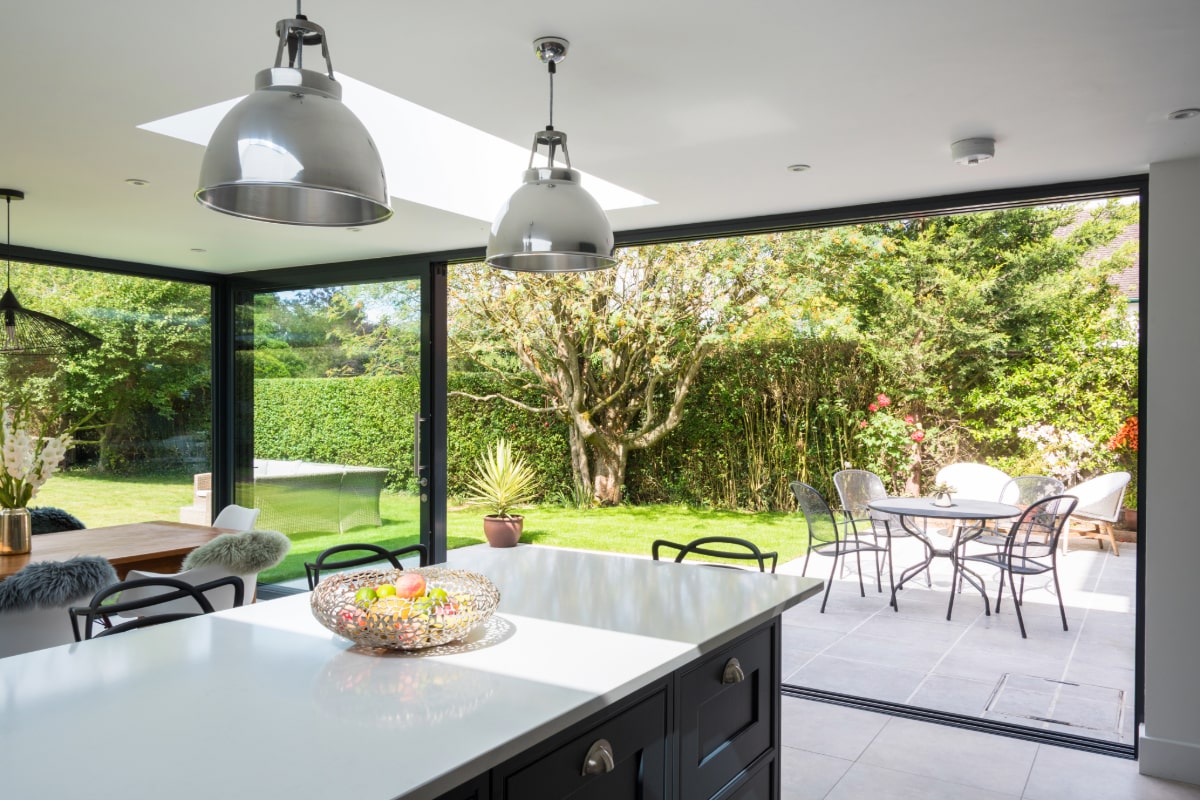
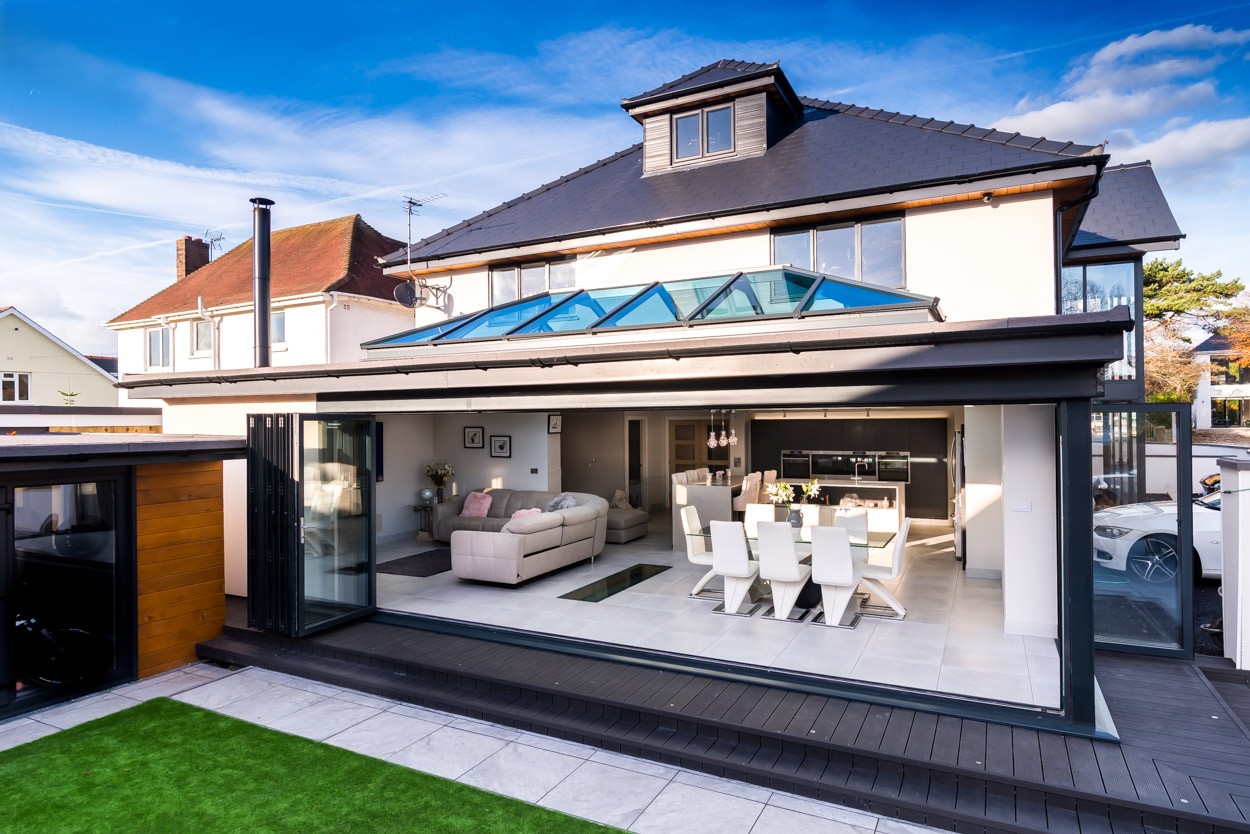
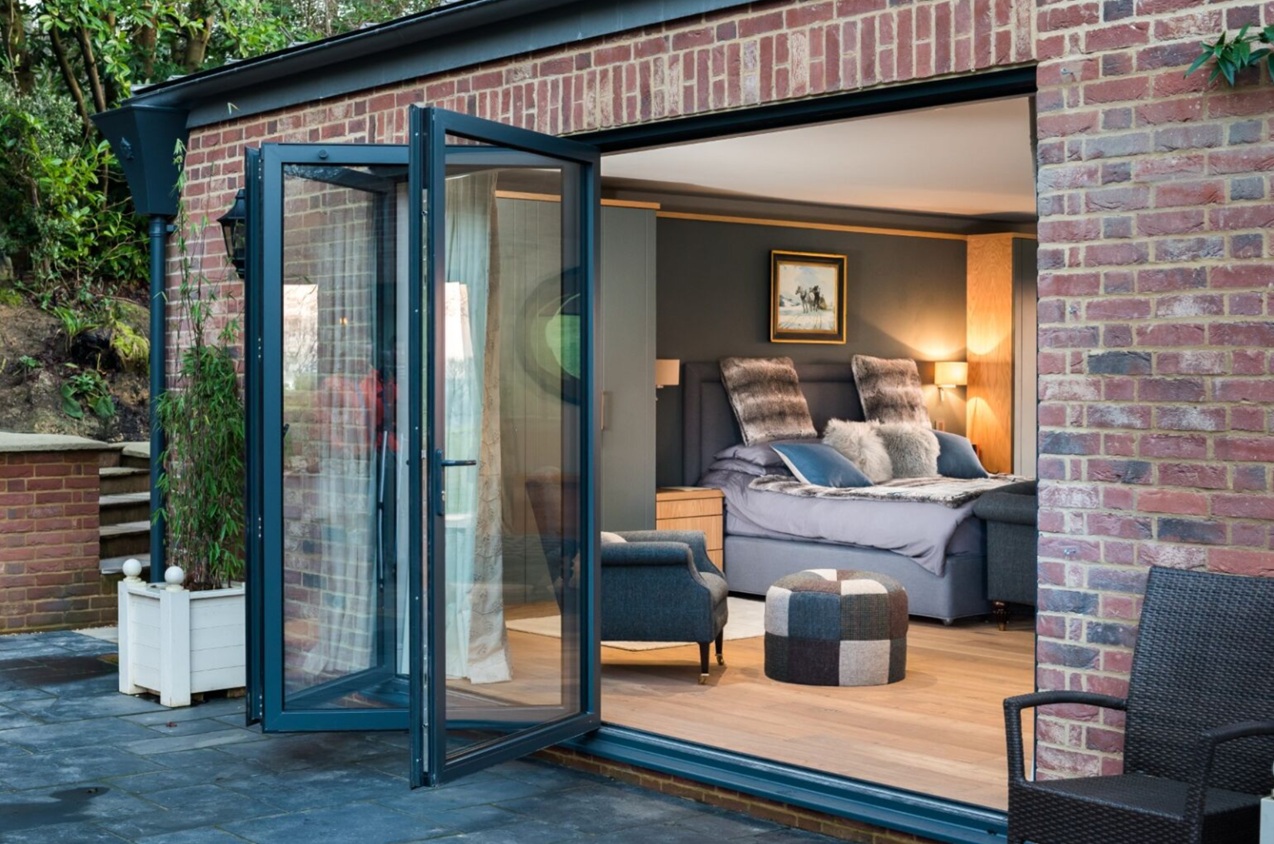
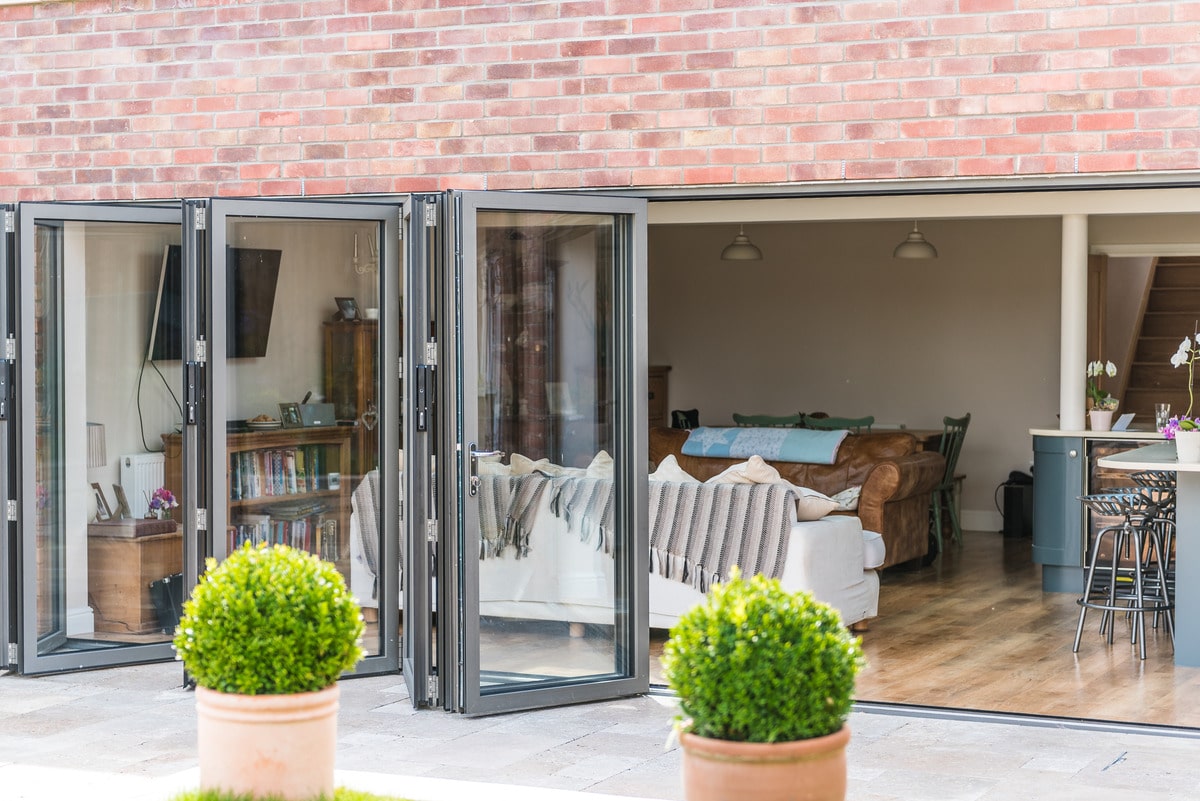
As a general rule, aluminium doors suit more contemporary homes. They’re also fantastic in designs that value space, light and sightlines. This is because their slim frames allow for larger glass panes, letting in more daylight and creating an open, modern look. This makes them the ideal choice for new builds, luxury extensions and glazed living areas.
Aluminium is also an extremely strong material. This rigidity supports wide openings, such as in aluminium sliding doors, staying durable under heavy weights and weather conditions while resisting warping, rust and forced entry. With the right care, aluminium doors can last 40–60 years, even in tricky conditions such as coastal areas.
And with aluminium, you have many bespoke design options available. Aluminium doors’ powder-coated finishes retain colour and resist fading for decades. There are more than 200 RAL colour options, with the option for dual shades to match your aluminium windows and home design schemes.
Aluminium is also a sustainable choice, fully recyclable and retaining its high quality even after repeated use. Combined, these factors make it a fantastic low-maintenance, long-term investment option.
When to Choose uPVC Doors
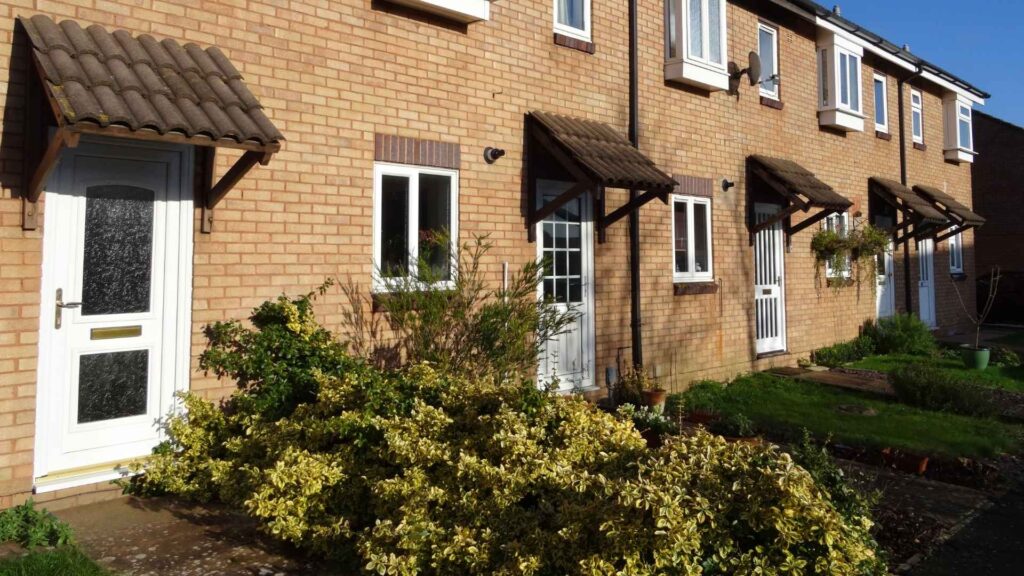
There are also situations in which uPVC doors may be your best option. The most common is when you need a cost-effective solution – uPVC doors are generally 20–40% cheaper than aluminium. This makes them appealing for homeowners on tighter budgets or projects with several door installations.
Meanwhile, uPVC material offers good thermal efficiency. Their build design limits heat loss, helping to keep energy bills low. When combined with quality double glazing, or triple glazing in many units, uPVC doors can achieve very high thermal performance.
Noise reduction is another advantage of uPVC. Its material and construction help reduce sound transfer, making it a good option if you live near busy roads or built-up areas.
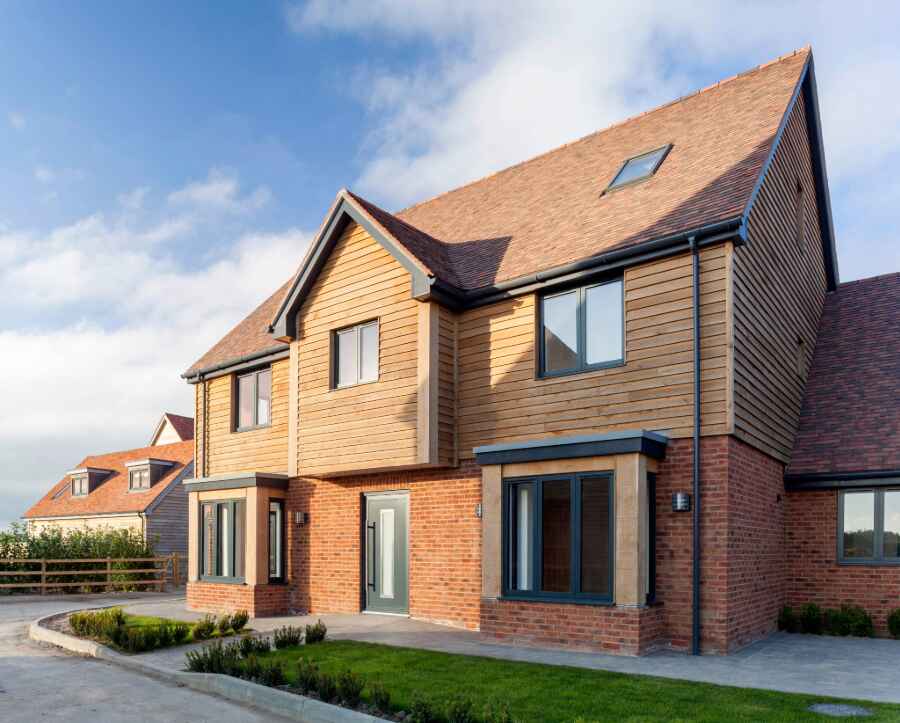
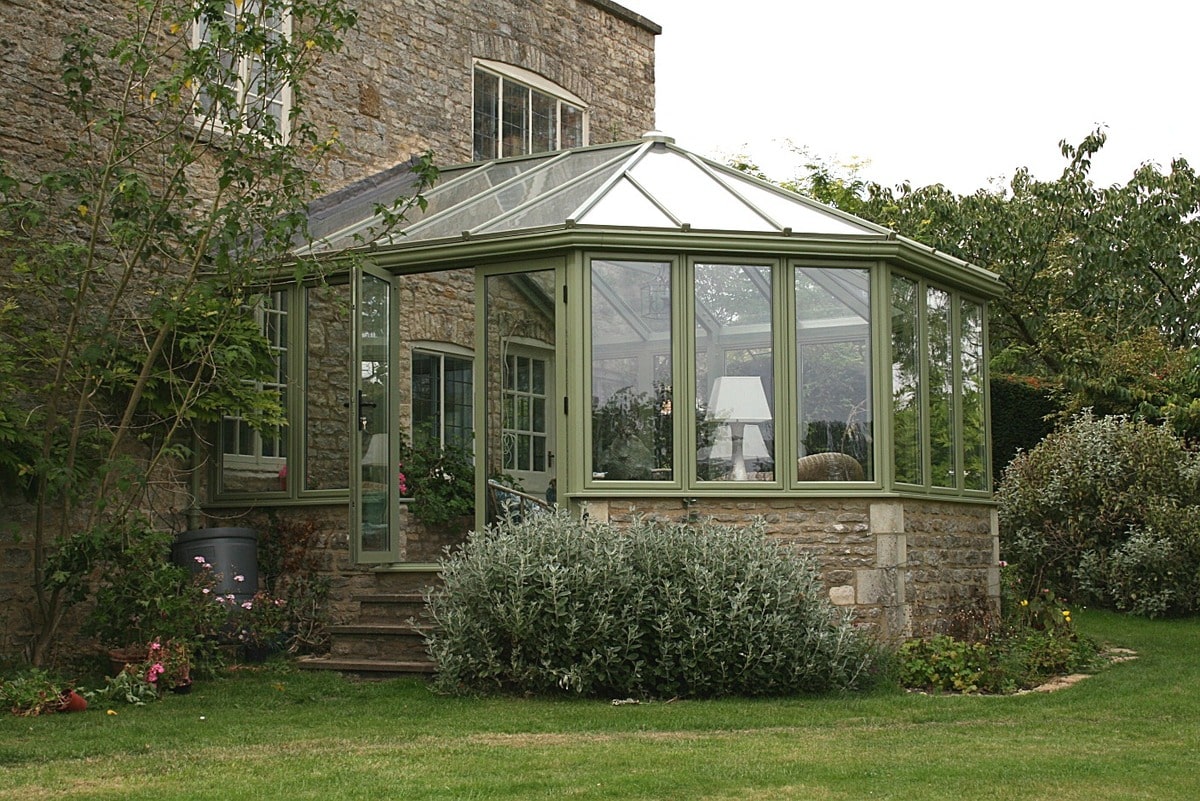
Finally, uPVC is also a flexible material for design. You’ll find many colours and woodgrain finishes available, making uPVC doors match well with traditional or cottage-style homes. Plus, if you already have uPVC windows, choosing a uPVC door maintains a consistent look.
Cost Differences
The pricing of uPVC and aluminium doors varies based on things like size and design. But average ranges can help give you an idea:
- uPVC front or patio doors may cost around £250–£400 each
- uPVC sliding or bi-fold doors can cost £1,500–£4,500 each
- Aluminium front doors generally cost between £1,400–£4,500 each
- Aluminium bifold doors can cost £3,000–£7,500 each.
This shows that aluminium doors can be more expensive initially. However, it’s vital to consider their greater lifespan and premium design. A quality aluminium door will last you 40–60 years, compared with 20–30 years for uPVC, making it an excellent long-term investment.
Lifespan & Durability
Both uPVC and aluminium are durable and low maintenance materials. But, as we’ve seen, aluminium has a considerable advantage in lifespan. A uPVC door will usually last between 20 and 30 years. However, they can fade, warp or become brittle over time. This process may happen more quickly if they’re exposed to strong sunlight or varying temperatures.
Meanwhile, aluminium doors last around 40–60 years and resist corrosion, weathering and impact. Their powder-coated finishes stay bright and stable, even in harsh environments, making them the better option for homeowners who value quality and longevity. Both are highly secure, able to incorporate modern locking systems and security features.
Energy Efficiency
Firstly, uPVC doors are known for their natural efficiency in retaining heat. This is down to their multi-chambered frames reducing heat transfer, performing particularly well with modern glazing.
Historically, aluminium was less efficient than uPVC. But today’s aluminium doors include thermal breaks and advanced insulation materials, such as Aerogel, that bring exceptional thermal performance. These developments have made aluminium models as efficient, and sometimes more so, than uPVC.
Factors such as glazing and fitter quality will also impact on your overall energy ratings.
Key Differences in Style & Customisation
Finally, you can create a wide range of designs with both materials. uPVC doors tend to have thicker frames that minimise daylight coming into your home. However, they’re very versatile, and you can customise your finish to match existing uPVC windows.
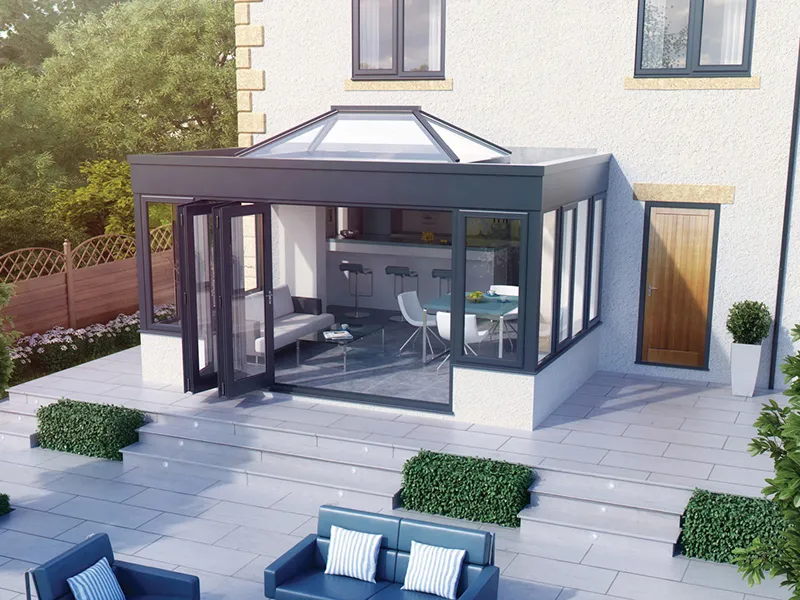
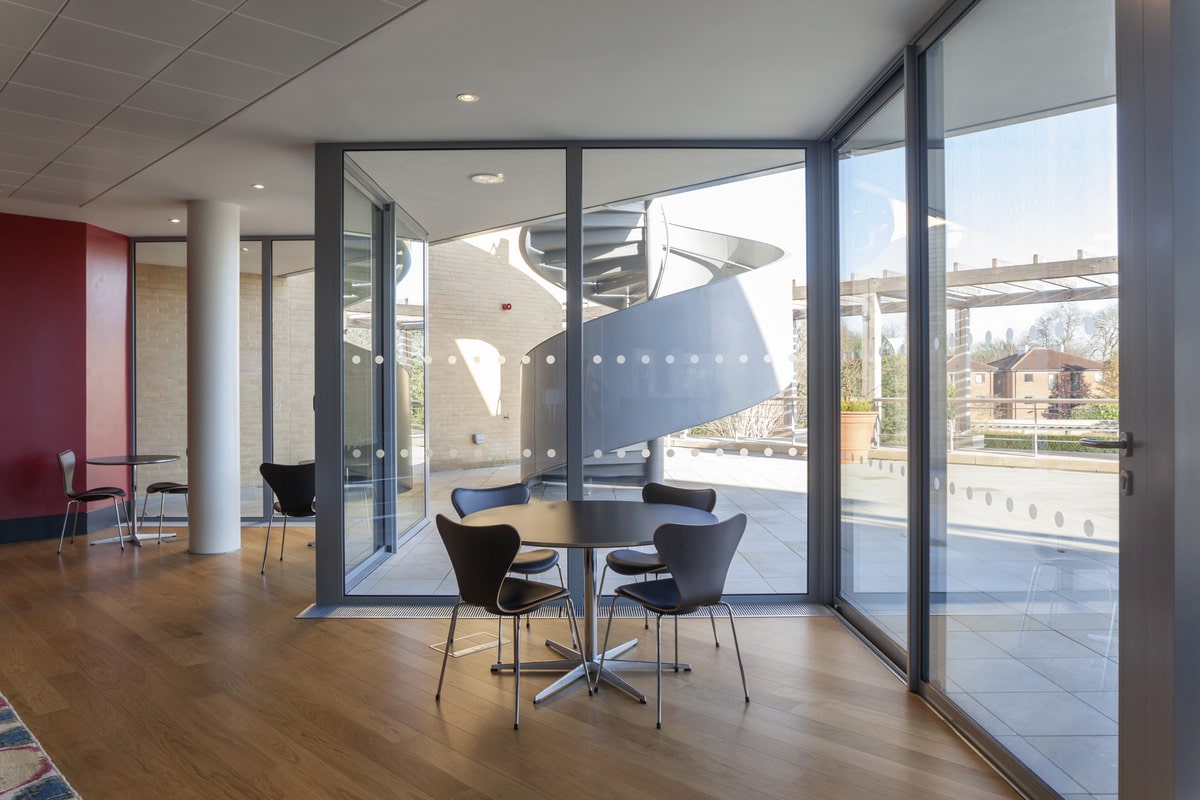
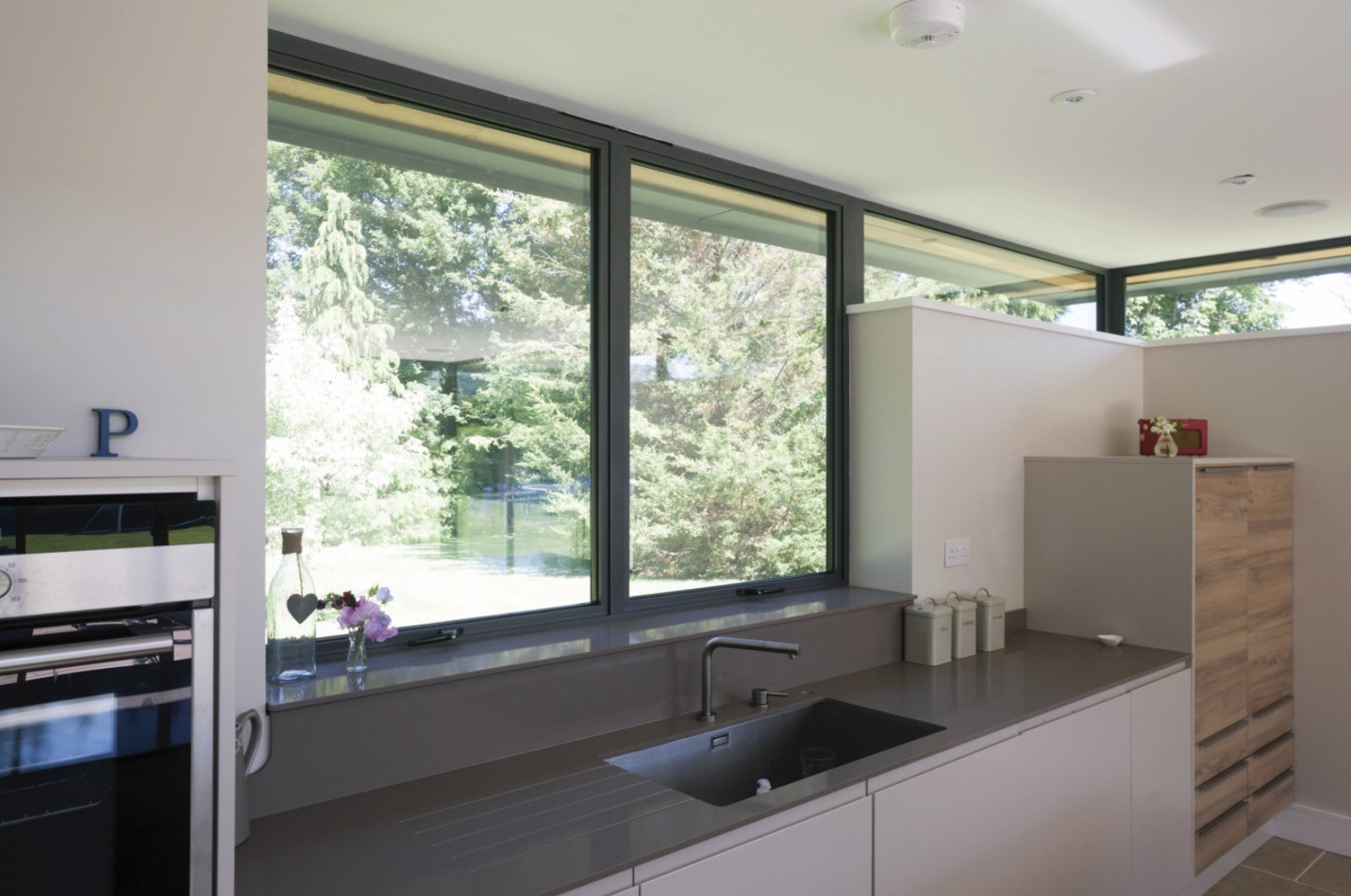
Aluminium doors, on the other hand, have ultra-slim frames that allow maximum natural light and uninterrupted views into your home. They can blend with your glass roof systems and windows, maintaining your home design theme. And with an extensive colour range, dual finishes and design precision, they’re a fantastic choice for refined properties.
Which is Best for Different Scenarios?
These benefits and drawbacks make aluminium and uPVC doors more suitable in different scenarios:
- For front doors, aluminium is a premium option if you want to create a bold, modern entrance that combines peace of mind with design. uPVC is a good choice for traditional homes or projects with tight budgets.
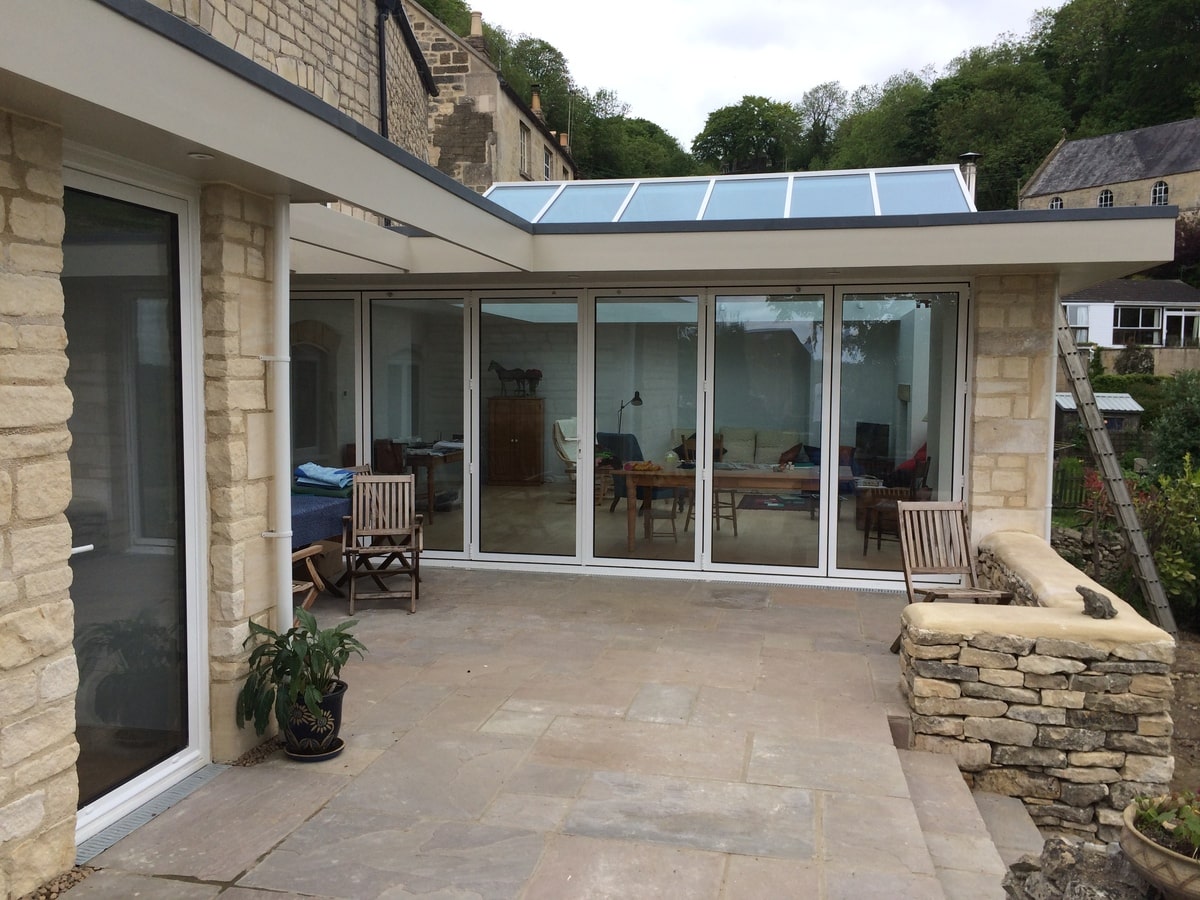
- As a material, aluminium is a strong option for large panes and slim frames. This makes it a great choice for sliding patio doors, for example, or the weight demands of French doors. uPVC may be more suited to smaller openings without such strength demands.
- Both materials provide simple upkeep with minimal maintenance. However, aluminium brings corrosion resistance and weatherproofing which make it the most durable choice in the long term.
- Aluminium doors last decades but are usually more expensive to purchase. Alternatively, uPVC has a cheaper upfront cost, but may lose quality quicker and require a replacement sooner.
Helping You Choose the Right Doors for Your Home
Overall, both aluminium and uPVC doors bring clear advantages. The right choice for you will depend on your goals and property style.
uPVC doors are practical, affordable and energy efficient. If you have a traditional home or a tighter budget, they can be a very good choice. Aluminium doors, meanwhile, give you long-term durability while combining contemporary style with functionality.
Browse the Atlas Aluminium doors range for designs that deliver style, security and long-term value. You can also contact us for expert advice on your unique design project.
Are Aluminium Doors Better Than uPVC FAQs
Which lasts longer – aluminium or uPVC doors?
Aluminium doors typically last between 40–60 years with the proper care, while uPVC doors last 20–30 years. Aluminium’s resistance to warping, corrosion and fading also makes it a stronger long-term investment.
Which is more energy-efficient, uPVC or aluminium doors?
Both uPVC or aluminium doors can achieve excellent efficiency. uPVC insulates naturally, while aluminium can now match (or even better) its energy efficiency thanks to modern thermal breaks and insulated profiles.
Are aluminium doors worth the extra cost?
Buying an aluminium door is worth the extra upfront cost if you value long-term quality and premium design. This is because aluminium lasts around twice as long as uPVC, even in tough conditions.